Last updated November 18, 2026
Free written scope consultation - allowances, timeline, and change-order rules on paper before a single trade is scheduled
DIY vs Professional Home Remodeling: What’s Safe to Do Yourself
Painting a room yourself saves about $400. Re-doing tile work that failed because the backer board was installed wrong costs $3,000, and the video that walked you through it won’t answer your phone when the floor moves. That gap is the whole conversation. The real DIY question isn’t whether you’re handy enough. It’s which mistakes are reversible and which ones cost more to fix than hiring out would have cost in the first place. This guide draws that line for Santa Clarita homeowners using permit rules, inspection risk, and warranty terms, not YouTube confidence.
Quick Answer
Cosmetic work is safe to do yourself: paint, hardware, trim, caulking, swapping a faucet. Anything that touches waterproofing, structure, or electrical is not, and in California some of it is illegal without a permit and a licensed trade. If a mistake would be cheap and easy to undo, DIY it. If undoing it means opening a wall, re-pulling a permit, or voiding a manufacturer warranty, hire it out.
Styles & brands we work with
- Kitchen remodeling
- Bathroom remodeling
- Home additions & ADU
- Roofing
- Windows & doors
- Driveway & pavers
- Fence
Table of Contents
- The Reversibility Rule: The Only DIY Test That Matters
- What’s Genuinely Safe to Do Yourself
- California Permit Triggers That Make DIY Illegal, Not Just Risky
- What Substrate Prep Means and Why DIYers Skip It
- The Warranty Void: Why Licensed Installation Matters to Manufacturers
- Inspection Risk and Resale in Santa Clarita
- Santa Clarita Climate and the Remodels That Fail Here
- The Five-Question Decision Checklist
The Reversibility Rule: The Only DIY Test That Matters
Skill level is the wrong yardstick. Plenty of homeowners in Santa Clarita can set tile, and plenty of them have set tile badly. The question that actually predicts whether DIY saves money or loses it is reversibility: if this goes wrong, how much does it cost to undo?
A botched paint job costs you a weekend and another gallon of paint. You sand it, you re-roll it, you move on. A botched shower pan costs you the tile above it, the cement board behind it, the framing that got wet, and possibly the floor below. The first mistake is reversible in an afternoon. The second is not reversible at all, and it doesn’t announce itself. Water damage typically shows up months later as a soft grout line, a musty smell, or a stain on the ceiling of the room underneath.
Sort every project into one of two buckets before you buy a single tool:
- Reversible: paint, cabinet hardware, light trim, caulk, a faucet swap, a toilet flapper, shelf brackets, outlet covers, tile grout refresh on a sound floor.
- Not reversible: anything behind a wall or under a floor, anything carrying water or current, anything holding up the house, anything a manufacturer warranties on the condition of licensed installation.
In our experience around Santa Clarita, the expensive mistakes are almost never in the first category. They’re in the second, and they’re the ones where the homeowner didn’t realize they’d crossed the line until it was behind three layers of finished material.
What’s Genuinely Safe to Do Yourself
This list is longer than most homeowners expect, and doing these jobs yourself is a real way to put several hundred dollars back in your pocket on a larger remodel. None of them requires a permit, and none of them voids a warranty if you do it wrong.
- Interior painting. Taping, priming, two coats, done. The only skill is patience and drop cloths.
- Cabinet hardware and pulls. New knobs and handles change the look of a kitchen for under $150. Measure twice so you don’t drill twice.
- Trim and baseboard touch-ups. Caulking gaps, filling nail holes, touching up scuffs.
- Caulking tubs and sinks. Remove the old bead fully, clean with denatured alcohol, let it dry, then re-caulk with a silicone rated for kitchens and baths.
- Replacing a faucet or a toilet flapper. Shut the water off first, use a basin wrench, and check for leaks under the sink for the first 48 hours. This is a real DIY win, and swapping to a Kohler or Moen faucet is a legitimate way to upgrade a bathroom without touching tile.
- Outlet and switch covers, shelf brackets, picture hanging, curtain rods.
What ties this list together: none of it gets wet from behind, none of it carries current beyond what an outlet cover hides, and none of it touches a permit. Those are the three lines.
California Permit Triggers That Make DIY Illegal, Not Just Risky
This is where a lot of homeowners get into real trouble, because California doesn’t just make certain projects inadvisable without a licensed trade. It makes them a permit violation, and the penalty lands on the homeowner, not the person who did the work.
Here’s the short version of what triggers a permit in Santa Clarita and most of Los Angeles County:
- Electrical panel work. Replacing a panel, adding a subpanel, or moving circuits into a new panel requires a permit and a licensed electrician. No homeowner permit allows you to do panel work yourself, and the risk isn’t paperwork. It’s arc flash and fire.
- Removing or altering a load-bearing wall. Any wall you’re not sure about needs an engineer’s determination before a permit will issue. If you guess wrong, you’re not just facing a red tag, you’re facing a structurally compromised house.
- Plumbing rough-in. Moving a drain, adding a fixture, relocating a toilet or a shower valve inside the wall. The rough-in gets inspected before the wall closes, and if it’s not inspected, the finished work is unpermitted work regardless of who did it.
- Water heater replacement. Requires a permit in California, including for like-for-like swaps.
- New circuits, dedicated appliance lines, EV chargers. All permitted, all licensed work.
- Adding square footage or converting a garage. Full plan review, structural engineering, and multiple inspections.
Unpermitted work in Santa Clarita becomes a disclosure problem at resale. A buyer’s inspector finds it, the appraiser flags it, and the deal stalls until you either legalize it (retroactive permits, fines, sometimes opening the wall to prove what’s behind it) or credit the buyer. In our experience, the legalization cost usually runs higher than hiring it correctly the first time.
What Substrate Prep Means and Why DIYers Skip It
Substrate is the layer underneath the finished surface. Under tile, it’s usually cement board (the moisture-resistant layer behind your tile), sometimes a bonded waterproofing membrane over it, sometimes a mortar bed. Under flooring, it’s the subfloor. Under a countertop, it’s the cabinet box and the framing that carries it. The substrate isn’t visible when the job is done, which is exactly why it’s the part homeowners underdo.
Here’s the pattern we see over and over in Santa Clarita remodels: the visible work is beautiful, and the substrate wasn’t prepped. The tile was set on drywall instead of cement board. The shower pan was built without a proper sloped mortar bed. The subfloor wasn’t leveled before the LVP went down. The cement board joints weren’t taped and sealed with thinset. Each of those shortcuts saves a day and a few hundred dollars, and each of them shows up twelve to eighteen months later as cracked grout, a loose tile, a soft spot underfoot, or a slow leak into the room below.
Doing substrate prep correctly means:
- Checking the subfloor for deflection, and adding blocking or a second layer where it’s not stiff enough for stone or large-format tile.
- Installing cement board with thinset underneath, not just screws, and taping and sealing every joint with the appropriate mesh and thinset.
- Applying a liquid or sheet waterproofing membrane in wet areas, with the seams and corners properly banded.
- Letting each layer cure for the full specified time before the next one goes on.
None of that is hard. All of it is easy to skip when you don’t know it matters, which is precisely why a first-time DIYer almost always underdoes it.
The Warranty Void: Why Licensed Installation Matters to Manufacturers
Manufacturer warranties on tile, flooring, cabinets, and fixtures are usually conditional on proper installation, and many of them specifically define “proper” as licensed or certified installation. If a product fails and the failure traces back to installation, the manufacturer typically declines the claim regardless of who installed it. If the installer wasn’t licensed, the claim gets declined faster.
Concretely: a hardwood floor that cups because the house wasn’t at proper humidity is an installation claim. Tile that cracks because the substrate wasn’t rated for the load is an installation claim. Cabinet doors that sag because the boxes weren’t shimmed level are an installation claim. Each of those turns into a claim the manufacturer can decline if the installation wasn’t performed to spec.
This is why we install products from brands that stand behind what they make: Cambria quartz, KraftMaid and Wellborn cabinetry, James Hardie siding. Those brands hold themselves to a high bar, and the bar extends to the installation. When the product warranty and the workmanship warranty line up, the homeowner has two layers of protection instead of one. When the product warranty is voided by unlicensed installation, the homeowner has neither.
Inspection Risk and Resale in Santa Clarita
Santa Clarita properties sell fast, and a permitted remodel adds measurable value at resale. Unpermitted work subtracts from it, and the subtraction tends to be larger than the added cost of doing it properly. Appraisers and buyer’s agents know exactly what to look for here: newer electrical work without a permit history, a bathroom remodel without a plumbing rough-in inspection, a garage conversion without records.
When you hire permitted work, three things happen that DIY rarely produces: the work gets inspected at the rough-in and final stages, the permit history lives in the public record, and the resale documentation is clean. When you DIY unpermitted work, none of that exists, and the buyer’s inspector is going to write it up.
We pull permits and pass inspections on every project that requires them. That’s not a marketing line, it’s the mechanism that protects the homeowner’s investment at resale. It’s also the reason a permitted bathroom remodeling in Santa Clarita costs more on paper than an unpermitted one, and also the reason it’s worth more on the appraisal.
Santa Clarita Climate and the Remodels That Fail Here
Santa Clarita sits in a hot, dry, inland valley that swings between 100-degree summers and cold winter mornings. That swing matters more than most homeowners realize, and it changes the DIY calculus on a few specific projects.
Exterior paint and caulk. UV exposure here chews through cheap caulk in two seasons. We use elastomeric sealants rated for high-movement joints because the thermal expansion on a west-facing wall in Santa Clarita is real, and a rigid caulk will crack and separate. This one is still safe to DIY, but buy the right product.
Tile on a slab. Our slab-on-grade homes expand and contract with the temperature swing, and a lot of DIY tile jobs that look fine in spring show hairline cracks by the following summer because the substrate wasn’t decoupled properly. The visible crack is the substrate telling you it wasn’t prepped.
Wood floors and cabinets. Wood needs to acclimate to the indoor humidity before installation, and our arid summers mean product delivered straight from a humid warehouse will move after installation if it’s not acclimated. That’s a mistake no homeowner can fix after the fact without re-installing.
Shower pans and waterproofing. This is the big one here. Our dry climate masks water damage longer than in a humid one, which means a leaking shower pan in Santa Clarita can run for a full season before the homeowner sees the evidence. By then, the framing behind the wall is compromised.
All four of those are the same point dressed differently: what fails here fails because the substrate and the climate interacted with a shortcut the homeowner didn’t know was a shortcut.
The Five-Question Decision Checklist
Run every project through these five questions before you pick up a tool. If a project fails any one of them, that’s the signal to hire it out, regardless of how confident a video made you feel.
- Is this reversible at a reasonable cost? If undoing the mistake means opening a wall or replacing a floor, the answer is no.
- Does it require a permit in Santa Clarita? Panel work, structural changes, plumbing rough-in, water heater swaps, and additions all do. Permitted work in California requires a licensed trade.
- Does it involve waterproofing or substrate prep? Anything under a finished surface where a shortcut would be invisible for a year belongs in a professional’s hands.
- Would a failed installation void a manufacturer warranty? If the answer is yes, licensed installation is a condition of the product you’re buying.
- Would a mistake create a safety risk? Electrical panels, load-bearing walls, gas lines, and elevated exterior work all sit in this category. No confidence level changes the answer.
If you can answer all five without hesitation, you’re probably safe to proceed on your own. If you hesitate on any of them, that’s the line.
For bigger picture guidance on where professional help fits, our overview of what makes a general contractor in Santa Clarita the right call for a given project walks through the licensed trade structure, permit process, and inspection sequence in plain language.
Common Mistakes to Avoid
- Skipping the substrate prep to save a day. The visible work will look great for a year. In Santa Clarita’s dry climate, the failure often doesn’t show up until the next hot season, and by then the fix is a full tear-out.
- Doing electrical panel work yourself. This isn’t a permit technicality. It’s a genuine electrocution and fire hazard, and no homeowner permit in California allows it.
- Assuming a YouTube video covers your specific situation. A video shows one house. Yours has its own framing, its own slab, and its own load-bearing walls. Where the video and the engineer disagree, the engineer wins.
- Believing “we’ll pull the permit after.” In Santa Clarita, that usually turns into an as-built review, a fine, and a mandatory destructive inspection to prove what’s behind the wall.
- Buying cabinets or tile without checking the installation warranty terms. Many manufacturers require licensed installation. Buying a quality product and installing it outside warranty terms leaves you with neither warranty nor recourse.
- Setting tile on drywall in a shower. Drywall dissolves in a shower enclosure. Cement board and a waterproofing membrane are not optional.
- Not acclimating wood. Flooring and cabinets need to sit at the installation site for the specified time before installation. Humidity differences between the warehouse and a Santa Clarita summer will cause movement you can’t fix afterward.
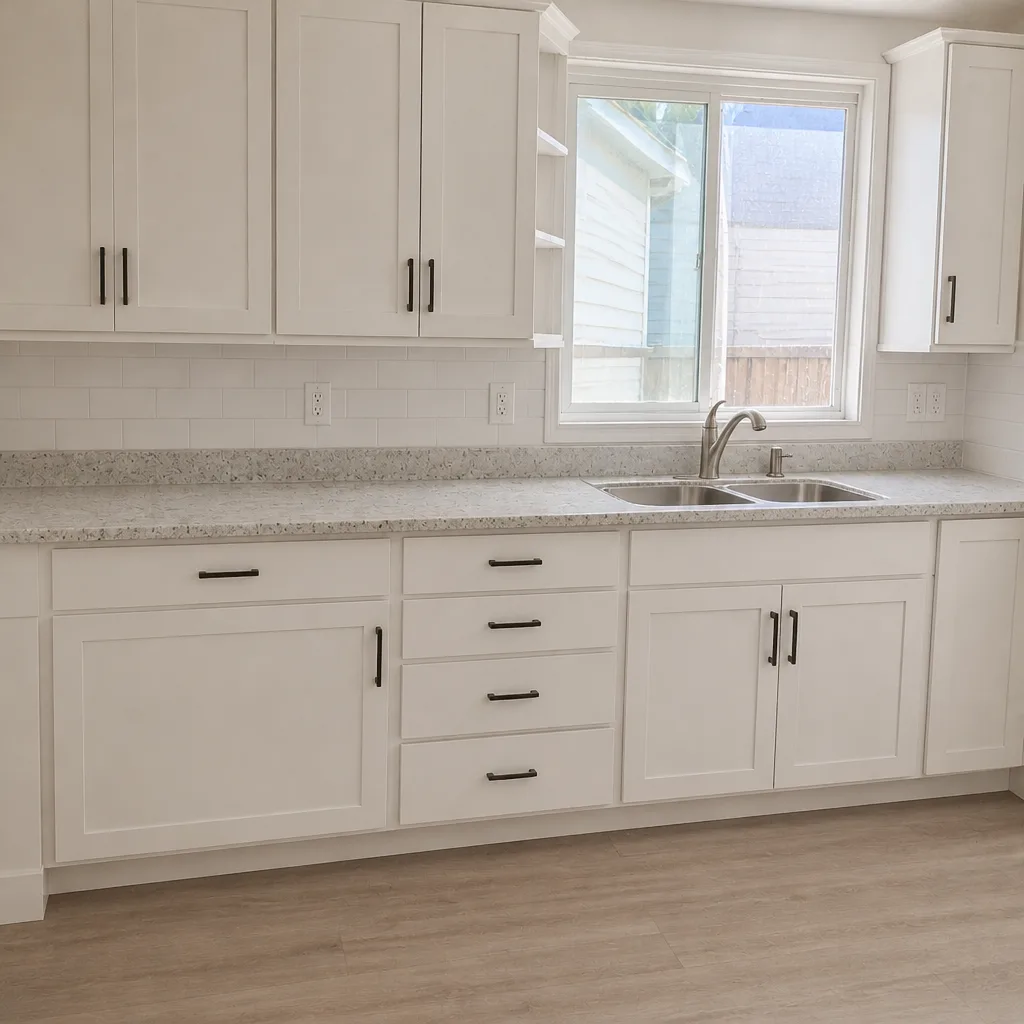
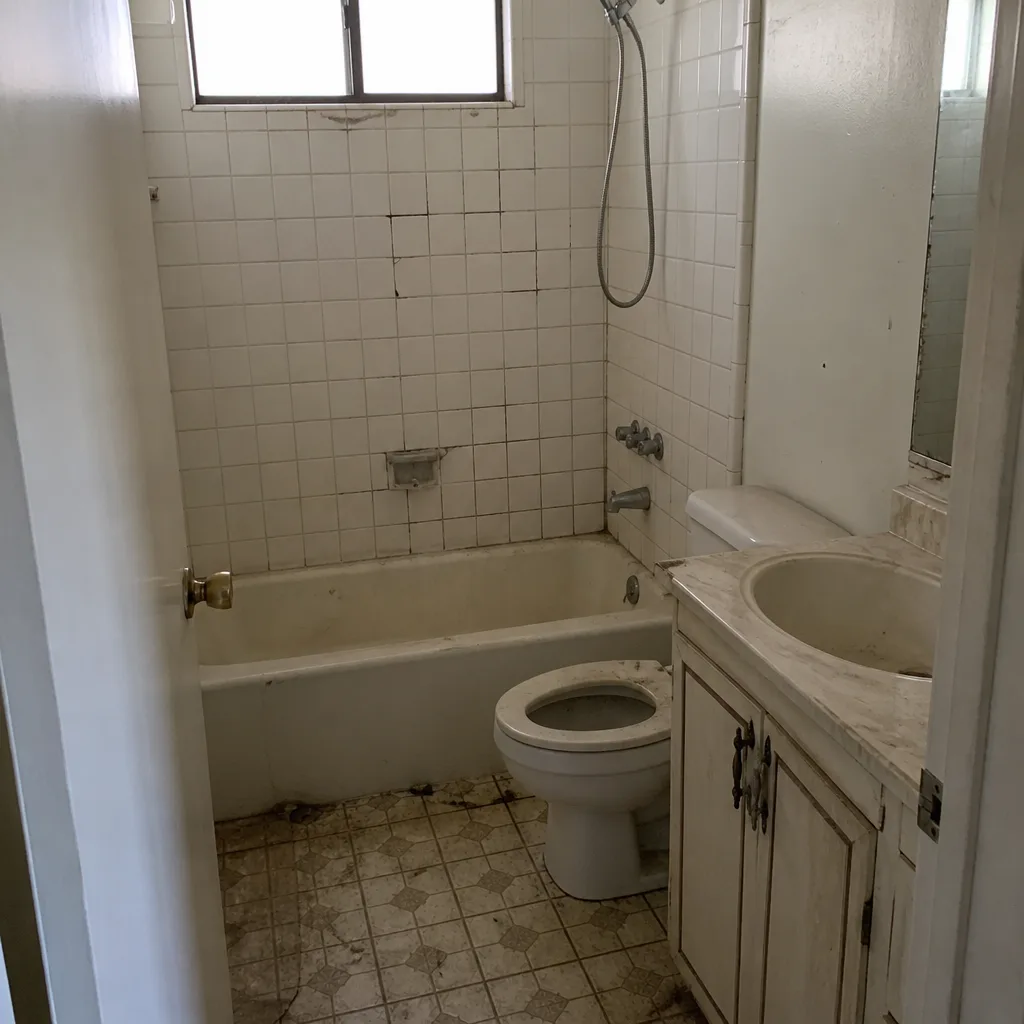
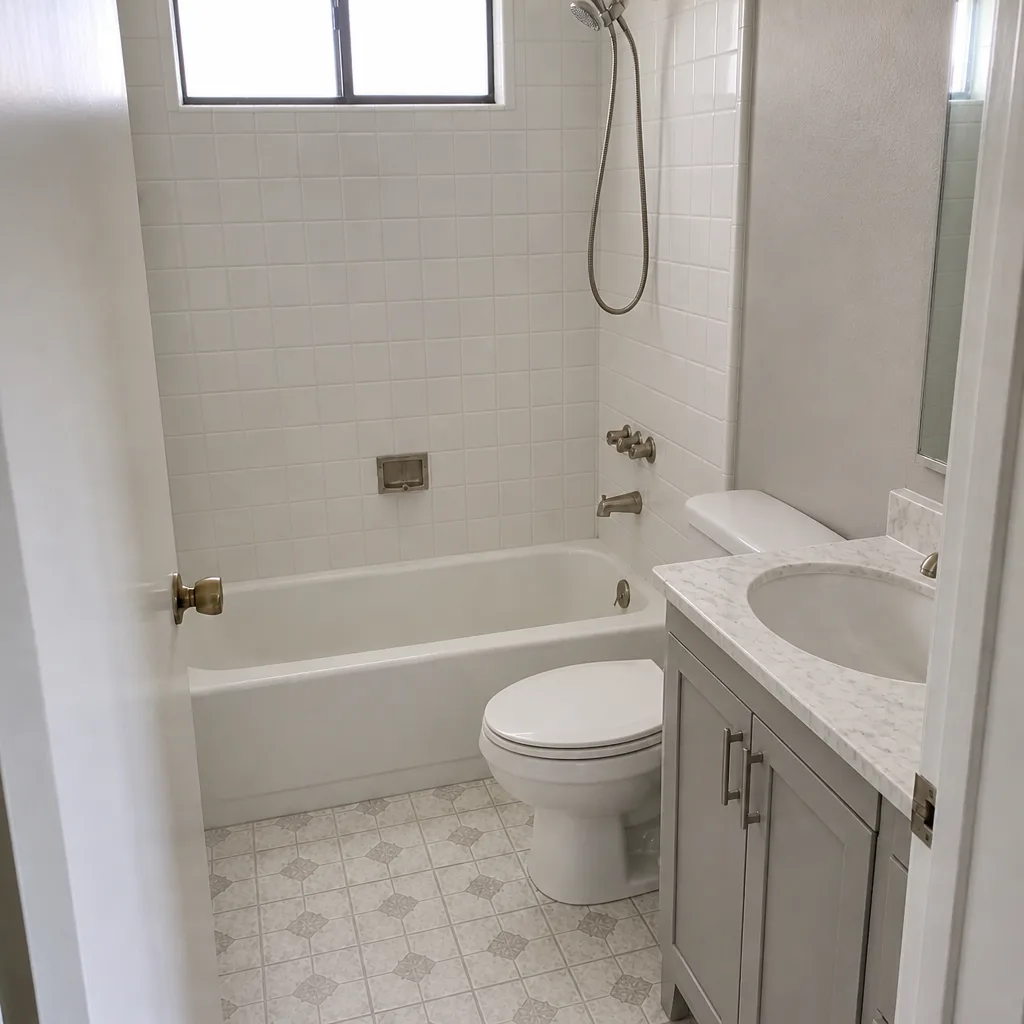
See the difference
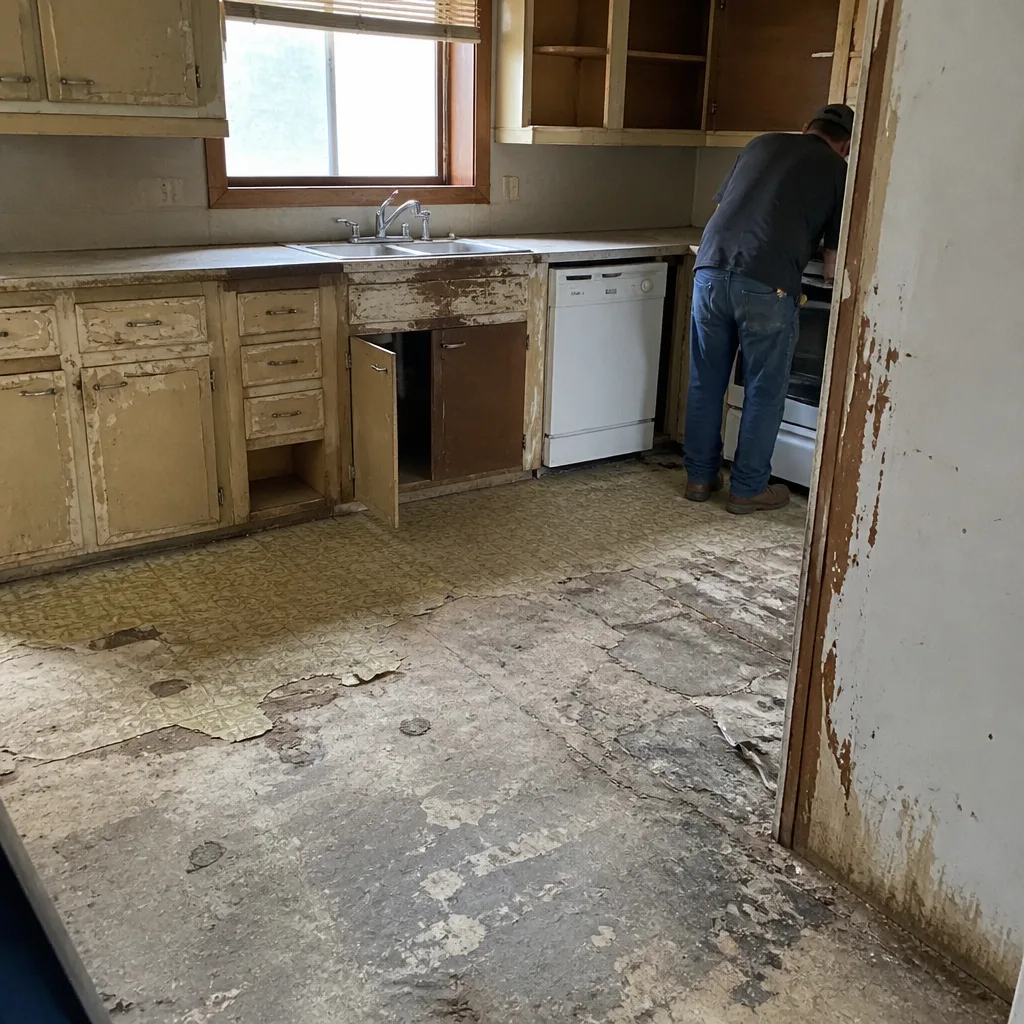 Before
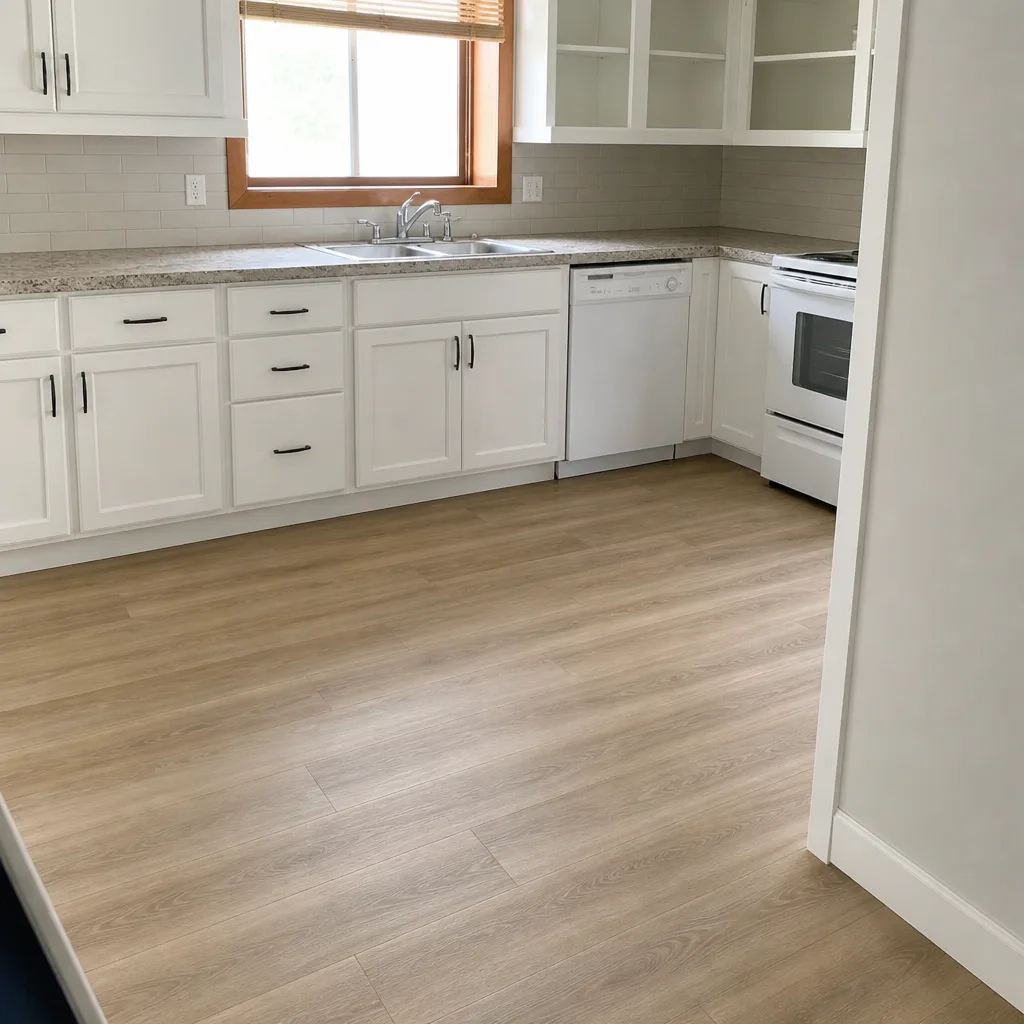 After
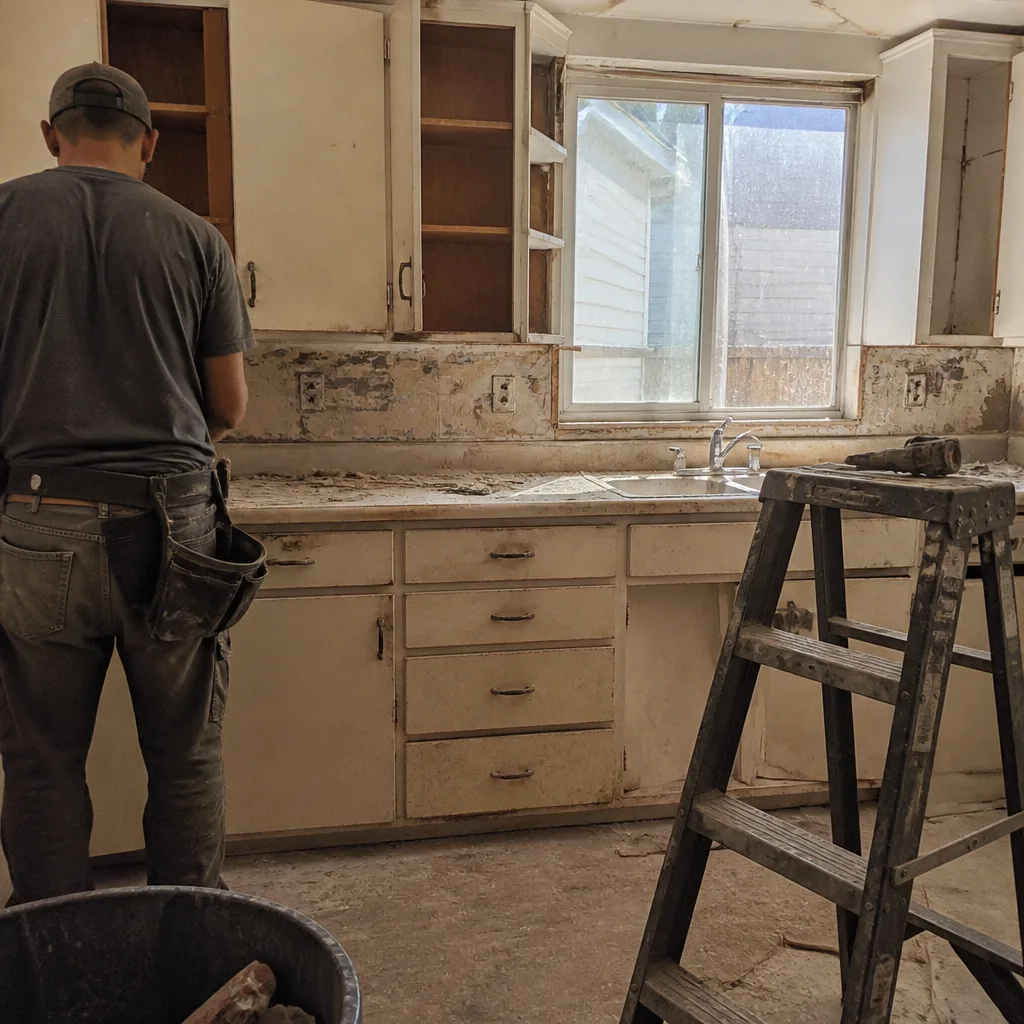 Before
 After
 Before
 After
When to Call a Professional
Call a professional when the project fails any one of the five checklist questions, and call one when you’re simply not sure whether it does. Specific triggers: any electrical panel or circuit work, any plumbing that moves a drain or a fixture inside a wall, any wall you’re not certain is non-load-bearing, any tile or shower project in a wet area, anything requiring a permit in Santa Clarita, anything that will void a manufacturer’s warranty if done by an unlicensed installer, and any project in a room you’ll only remodel once and can’t afford to do twice.
If you’re on the fence about a project, that’s the right moment to get an honest read from someone who does this every week. Penhallow Remodeling Santa Clarita offers free estimates in Santa Clarita, with a written price before any work starts and a written guarantee on the finished project. Call (866) 383-6693 to schedule yours; a real person answers 24/7.
Frequently Asked Questions

Painting, trim, cabinet hardware, caulking, faucet swaps, toilet flappers, outlet covers, and other cosmetic work don’t require a permit in Santa Clarita. Any electrical panel work, plumbing rough-in, structural change, water heater replacement, or addition does. If a project appears on the permit-trigger list, it’s not DIY-legal regardless of skill level.
It often will. Most tile manufacturers condition the warranty on proper installation, and many define proper as licensed installation. If the tile fails because the substrate wasn’t rated for it, the manufacturer can decline the claim, and you’d have no warranty and no installer to call back.
Cheaper if the work is cosmetic, more expensive if it isn’t. A bathroom that needs new tile, a new shower pan, or a moved drain almost always costs more in DIY rework than the professional labor would have cost. In our experience in Santa Clarita, the DIY bathroom projects that fail end up paying twice: once for the materials, once for the removal and correct installation.
You don’t, without an engineer or a contractor’s structural review. A wall that looks interior and unassuming can still be carrying the ceiling joists above it. Treat every wall you’re not certain about as load-bearing until someone qualified confirms otherwise. Removing a load-bearing wall without a permit and an engineered beam is one of the most expensive mistakes a homeowner can make.
Yes, and usually by more than the cost of doing it properly. Buyer’s inspectors and appraisers flag unpermitted work, and the deal stalls until the work is legalized or credited. A permitted remodel shows up in the public record and adds measurable resale value; unpermitted work subtracts from it.
Kitchen remodels in Santa Clarita typically run $18,000 to $55,000 depending on layout, cabinet line, and countertop material. A cosmetic refresh with new hardware, paint, and a Kohler or Moen faucet sits at the low end; a full gut with KraftMaid cabinetry, Cambria quartz, and new layout sits at the high end. Call (866) 383-6693 for a free estimate with a written price you can hold us to.
The Bottom Line
The DIY line isn’t skill level. It’s reversibility, plus permit rules, plus warranty terms. Paint the room, swap the hardware, caulk the tub. Those are genuine savings and genuine wins. Leave the shower pan, the electrical panel, the plumbing rough-in, and anything load-bearing to licensed trades, because the mistake isn’t fixable on the weekend and doesn’t show up for a year. If a project touches waterproofing, structure, or current, it’s not a DIY project. It’s a project to get a written price on before anyone picks up a tool.
For where professional help on a larger project fits, our kitchen remodeling in Santa Clarita page and bathroom remodeling in Santa Clarita page both walk through the permit and inspection sequence in plain language. If you want the broader context on how a licensed contractor structures a project from written price to final inspection, see our General Contractor in Santa Clarita guide. And if you’re just starting to think about the next project, the Penhallow Remodeling Santa Clarita home page lays out how we work under The Kingswell Way: say the price before the work, show up in the window we gave, leave the place cleaner than we found it.
Schedule a Free Estimate
If you’ve read through the checklist and you’re on the fence about a project, call us. Every estimate includes a written price before any work starts, a real arrival window, and the 365-Day Done Right Promise in writing on the finished job: if the work fails inside the guarantee period, we come back and fix it at no charge. Background-checked, uniformed technicians on every job. A real person answers the phone 24/7. Call Penhallow Remodeling Santa Clarita at (866) 383-6693 to schedule your free estimate, and get a written number you can hold us to before a single cabinet is pulled or tile is set.
Written by the team at Penhallow Remodeling Santa Clarita.