
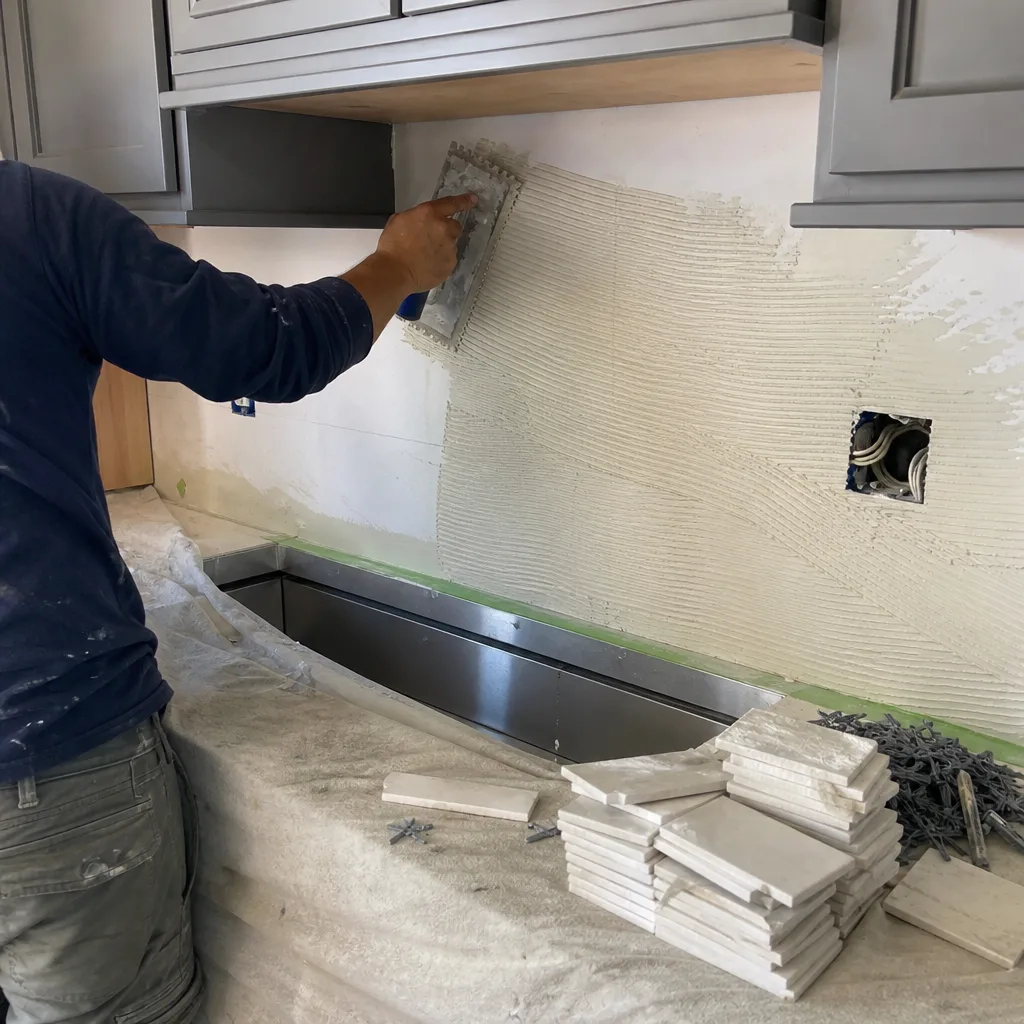
Last updated November 18, 2026








Free written scope consultation - allowances, timeline, and change-order rules on paper before a single trade is scheduled
General Contractor Troubleshooting: Common Problems and How to Fix Them
California’s Contractors State License Board logged more than 18,000 complaints last year, and the most common one wasn’t fraud. It was “work not completed as agreed” – a problem a one-page written scope document would have prevented in most cases. That gap between what a homeowner pictured and what the contract actually specified is where most remodeling fights begin. This guide gives you a problem-by-problem playbook: how to document a mid-project issue so it holds up in small claims or a CSLB complaint, how change orders differ from defective-work disputes, what SB 800 really entitles you to, and when withholding final payment protects you versus when it hands the contractor a mechanics lien. If you’re remodeling in Santa Clarita and something has gone sideways, this is the order to handle it in.
Quick Answer
If your general contractor stops communicating, the work looks wrong, or the timeline keeps slipping, your first move is always the same: put the problem in writing and send it by a method you can prove. A dated written notice describing the specific defect or delay, with photos attached and a reasonable deadline to respond, is what creates leverage. Verbal complaints and hallway conversations carry almost no weight with the CSLB, in small claims court, or in a lien dispute. Document first, negotiate second, file third. In our experience across Santa Clarita remodels, the homeowner who has a clean paper trail gets a faster, cheaper resolution than the one with the loudest voice.
Styles & brands we work with
- Kitchen remodeling
- Bathroom remodeling
- Home additions & ADU
- Roofing
- Windows & doors
- Driveway & pavers
- Fence
Table of Contents
- How do you document a mid-project problem so it counts?
- Change order disputes vs. defective work disputes: why the remedy differs
- What does California’s Right to Repair Act (SB 800) actually entitle you to?
- The GC stopped showing up: abandonment and the 48-hour notice rule
- When can you legally withhold final payment?
- Writing a scope document that defines “done”
- Filing a CSLB complaint: what to expect and what it fixes
- How to choose a GC so troubleshooting never starts
How Do You Document a Mid-Project Problem So It Counts?
A written record is the single most useful thing you can build during a dispute. The goal is a paper trail a third party can follow without you in the room: a CSLB investigator, a small claims judge, or a mediator. That means dates, specifics, and photos. Not “the tile looks bad” but “the shower floor tile in the hall bathroom is set with visible lippage (one edge higher than the next) exceeding 1/16 inch along the drain slope, photographed on March 3.”
- Photograph everything with a date reference. Set your phone to display the date, or hold a dated newspaper in the first frame. Wide shots first, then close-ups with something for scale.
- Write a single timeline. One page, chronological: contract signed, demo started, first issue noticed, conversations held, promises made. Keep it factual and dry.
- Send every substantive message in writing. Email is fine. A text thread is acceptable if it’s preserved. A phone call is not a record unless you follow it up with a confirming email within 24 hours.
- Keep copies off your phone. Email the photos to yourself, back them up, and print the timeline. Phones get lost and threads get deleted.
- Note who said what and when. “Foreman told me on April 12 that the drywall would be corrected by Friday” is the kind of sentence that moves a CSLB case forward.
Santa Clarita’s dry, windy spring means exterior work often gets delayed by dust and afternoon gusts off the Santa Clarita Valley floor, and that’s a legitimate scheduling variance. A contractor who blames weather for an interior framing delay is a different matter. Distinguish the two in your record and your complaint gets taken seriously instead of dismissed as noise.
Change Order Disputes vs. Defective Work Disputes: Why the Remedy Differs
These are two different animals, and homeowners often confuse them, which weakens both claims. A change order dispute is about money and scope: what was added, what it cost, who approved it, and whether it was authorized in writing before the work happened. A defective work dispute is about quality and compliance: the work was done but done wrong, or not to code, or not to what the plans and contract specified.
- Change order dispute: The remedy is contractual. Look at your signed contract’s change-order clause. If the contractor did extra work without a written, signed change order, California law favors the homeowner in most disputes over the unauthorized charge. Your leverage is the contract itself.
- Defective work dispute: The remedy is corrective. You’re asking for the work to be redone or repaired to contract and code. Your leverage is documentation, code references, and the warranty or guarantee. This is the category SB 800 addresses.
Why it matters: a change-order fight can often be settled with a written back-and-forth and a revised invoice. A defective-work fight usually requires an inspection, a written notice of defect, and a defined cure period. Mixing them up in a complaint makes it look like you’re arguing about price when you’re actually arguing about quality. In Santa Clarita we’ve watched homeowners lose valid defect claims because they lumped in a $400 change-order disagreement and the contractor’s attorney used that to paint the whole complaint as a billing squabble. Separate them. Address the change order first, in writing, then the defects.
What Does California’s Right to Repair Act (SB 800) Actually Entitle You To?
SB 800, the Right to Repair Act, sets the rules for construction defect claims on new residential construction and applies to certain remodel work as well. It doesn’t hand you a blank check. It gives you a process and a set of standards for what counts as a defect. Before you can sue over a defect, SB 800 generally requires you to give the builder written notice and a chance to repair.
- Serve written notice of the claimed defect. Describe the defect specifically, where it is, and when you discovered it. Include photos. This is the formal start of the clock.
- Give the builder the statutory time to inspect and offer to repair. The builder typically has a window to acknowledge and then a longer window to inspect and make an offer.
- Review the repair offer. If you accept, the builder repairs and you document the result. If you decline, the act lays out the path toward mediation or litigation.
- Keep every document. Notice letters, offers, repair schedules, and photos of the before and after all matter if it escalates.
The practical takeaway: SB 800 rewards the homeowner who follows the notice steps precisely and punishes the one who skips straight to a lawsuit. If you’re unsure whether your project falls under SB 800 or a simpler breach-of-contract claim, get the notice right before you do anything else. That single step protects your claim more than any argument at the kitchen table.
The GC Stopped Showing Up: Abandonment and the 48-Hour Notice Rule
A contractor who disappears is not automatically “in abandonment” in the legal sense. Abandonment generally requires a sustained failure to perform without justification, not a three-day gap while a sub finishes another job. But when the absence drags on, California gives homeowners a defined tool: give the contractor written notice of the claimed abandonment and a deadline (commonly framed around a 48-hour window to respond and resume), sent by a provable method. If the contractor doesn’t respond and doesn’t return to work, you have a documented basis to terminate and bring in someone else.
- Send the notice by email and certified mail. Two channels, one provable.
- State the facts plainly. “No work performed at the property since April 8. No response to calls or texts since April 10. This letter gives notice of abandonment and requests a response within 48 hours.”
- Photograph the site on the day you send it. Show the state of the work so the timeline is beyond dispute.
- Don’t remove the contractor’s tools or materials until you’ve gotten advice. That can turn you into the defendant.
Stalled jobs in Santa Clarita often stall for a boring reason: the contractor is juggling too many jobs and yours slipped. That’s still a breach of the schedule in your contract, and a written notice is what gets you back on the calendar or out of the contract cleanly. In our experience, a calm written notice resolves most of these within a week.
When Can You Legally Withhold Final Payment?
Withholding final payment is the most common homeowner move and the most common way homeowners get themselves into trouble. The short answer: you can withhold money that is genuinely in dispute, but you must be able to point to a specific unmet contract term. “I’m not happy” is not a legal basis. “The final punch list from the contract’s Section 4 is 60% incomplete and one item is a code violation” is.
- Withhold only the disputed portion, not the whole check, when you can. Pay the undisputed amount and put the rest in writing as held pending correction. This keeps you on the right side of a mechanics lien claim.
- Document the specific defects with photos and a written list mapped to the contract.
- Give a written cure deadline and state that payment is being held pending completion.
- Don’t withhold for “inconvenience.” Delay damages are usually a separate, harder claim and a bad reason to hold final payment.
Here’s the part most homeowners don’t hear until it’s too late: California’s mechanics lien rules allow a contractor to record a lien against your property for unpaid work in many situations, even if you think the work is defective. Withholding the whole final payment and going silent is the fastest way to invite a lien. Withholding the disputed portion and documenting why in writing is the move that protects you. This is the difference between a repair dispute and a title problem.
Writing a Scope Document That Defines “Done”
The single best defense against a dispute is a one-page scope document attached to the contract that says, in plain English, what “done” means for each stage. Most contracts define the work; almost none define completion. That gap is where the finish-work arguments live. Before work starts, ask for and review a scope that answers:
- What’s included, item by item – not “kitchen remodel” but “remove existing cabinets; install KraftMaid cabinetry per the manufacturer’s spec; install Cambria countertop with eased edge; set Kohler sink; install Moen faucet; paint two coats.”
- What’s excluded – permits, disposal, electrical upgrades, surprises behind the wall.
- What “substantial completion” looks like – the point at which the job is done except for minor punch-list items. This is what triggers final payment.
- A written punch-list process – who writes it, who signs off, and how long a contractor has to close items.
- The repair guarantee – what happens if something fails after the crew leaves, and for how long.
This is the principle behind our general contractor work in Santa Clarita: written price before work starts, a defined arrival window, and a written guarantee on the finished job. Every Penhallow project is covered by the 365-Day Done Right Promise – if the work fails inside that period, we come back and fix it at no charge, and if a repair fails we make a free second visit with no service fee. That guarantee is only useful if “done” is defined in the scope. Otherwise you’re arguing about a promise neither side can pin down.
Filing a CSLB Complaint: What to Expect and What It Fixes
The CSLB is the state licensing board for contractors. A complaint to the CSLB can trigger an investigation, a citation, or disciplinary action against the contractor’s license. What it won’t do, in most cases, is make the contractor pay you. The CSLB can order a contractor to make repairs or pay restitution in some cases, but the primary tools for getting your money back are negotiation, small claims court, and (for larger amounts) civil litigation.
- Use small claims for disputes up to the current California limit. It’s faster and cheaper than superior court, and the CSLB complaint can proceed in parallel.
- File the CSLB complaint early when the contractor is unlicensed, has a history of complaints, or is refusing to respond. The CSLB can act faster than the courts on licensing issues.
- Send your notice of defect before you file – many complaints get dismissed because the homeowner skipped the required written notice step.
- Keep the timeline tight. The CSLB has its own intake process and it moves on its own schedule, not yours.
Before you file anything, ask yourself a blunt question: is my dispute a quality problem, a money problem, or a licensing problem? They go to different places. In Santa Clarita we’ve seen homeowners file CSLB complaints when what they really needed was a small-claims filing, and we’ve seen the reverse. The paper trail you built in step one is what lets you choose the right path.
How to Choose a GC So Troubleshooting Never Starts
The cheapest dispute is the one you never have. When you’re interviewing contractors in Santa Clarita for a kitchen or bathroom remodel, the differences show up in the first meeting.
- Ask for the written price before any work starts. Not a range, not a verbal ballpark. A written number you can hold them to. Anyone who won’t put it in writing has told you something useful.
- Ask what happens if something fails. A written guarantee on every job, with a stated length and a stated remedy, tells you whether the company expects its work to last.
- Ask who arrives and when. Background-checked technicians in uniform, with a real arrival window, is a different standard than “we’ll be there sometime Tuesday.”
- Ask for the scope document. If they look at you blankly, that’s the tell.
To see what a defined process looks like for a kitchen, the kitchen remodeling page lays out how the written price, arrival windows, and the guarantee fit together. The same standard applies on our bathroom remodeling in Santa Clarita projects, where waterproofing under the tile is the single most common defect we’re called in to evaluate after another crew has left.
Common Mistakes to Avoid
- Complaining verbally and calling it “documented.” A phone call isn’t a record. Follow up every call with an email that says what you understood was agreed – two sentences is enough.
- Signing a change order you haven’t read. Change orders are where price balloons happen after demo day. Read every line, and if a number doesn’t match what you agreed to, don’t sign it – put your objection in writing.
- Withholding the entire final payment over a punch-list item. Withhold the disputed amount only, or you may invite a mechanics lien on a Santa Clarita property you own.
- Letting the contractor “handle the permit” without seeing it. Santa Clarita permitted work in a kitchen or bathroom should have a permit pulled and an inspection passed, and you should have the inspection record.
- Skipping the written notice of defect before filing a CSLB complaint. The notice step is what makes the complaint credible. Without it, you look like you’re arguing rather than reporting.
- Removing a contractor’s tools or materials during a dispute. It can turn you from plaintiff to defendant in one move.
- Choosing the lowest bid without a scope document. A $3,000 gap in two bids usually means two different jobs were described. Get the scope in writing and compare the actual items.
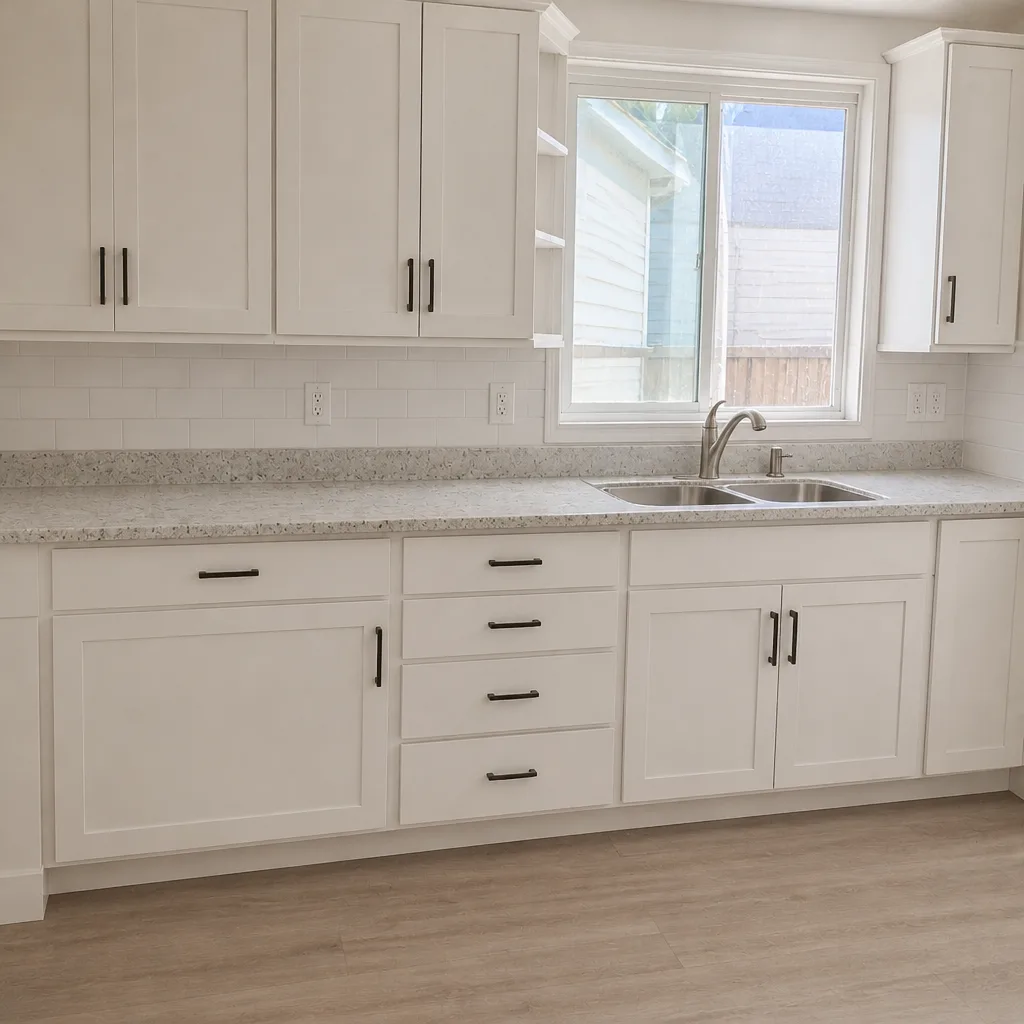
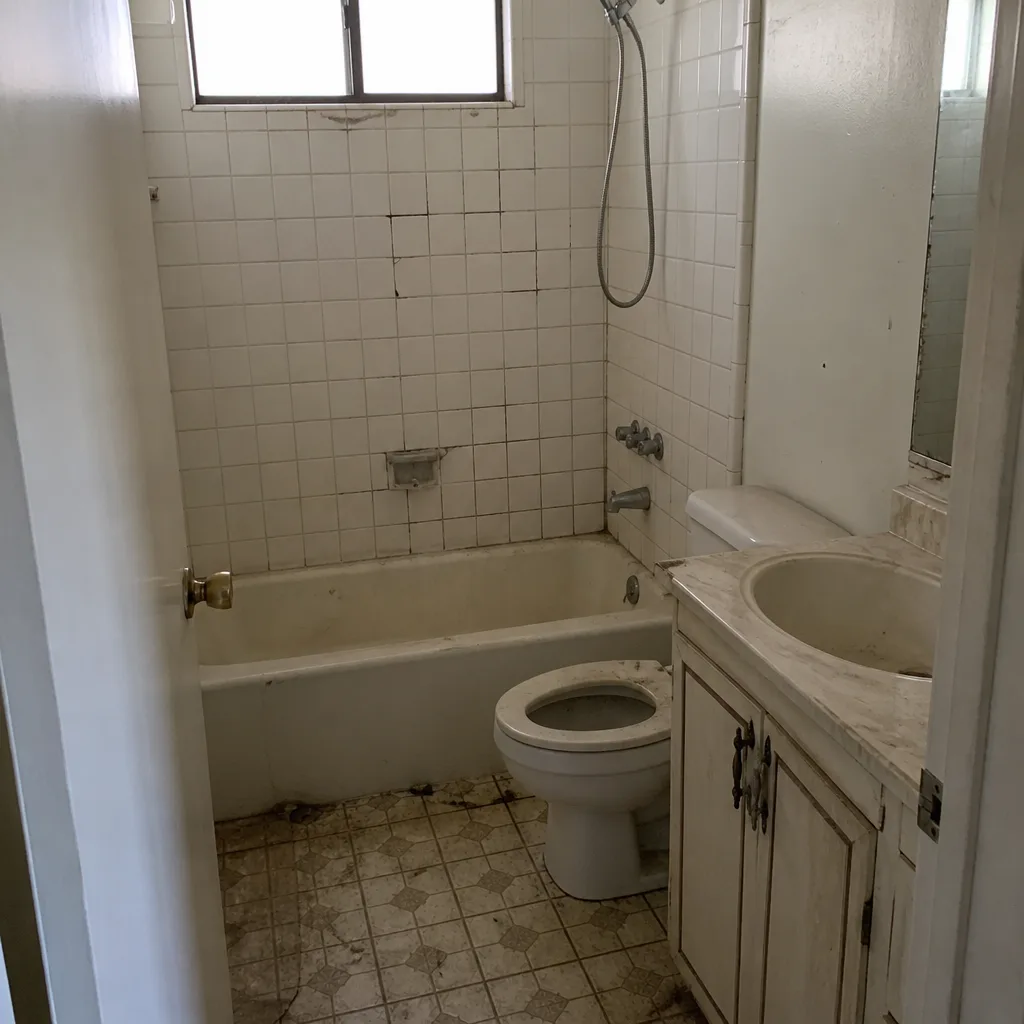
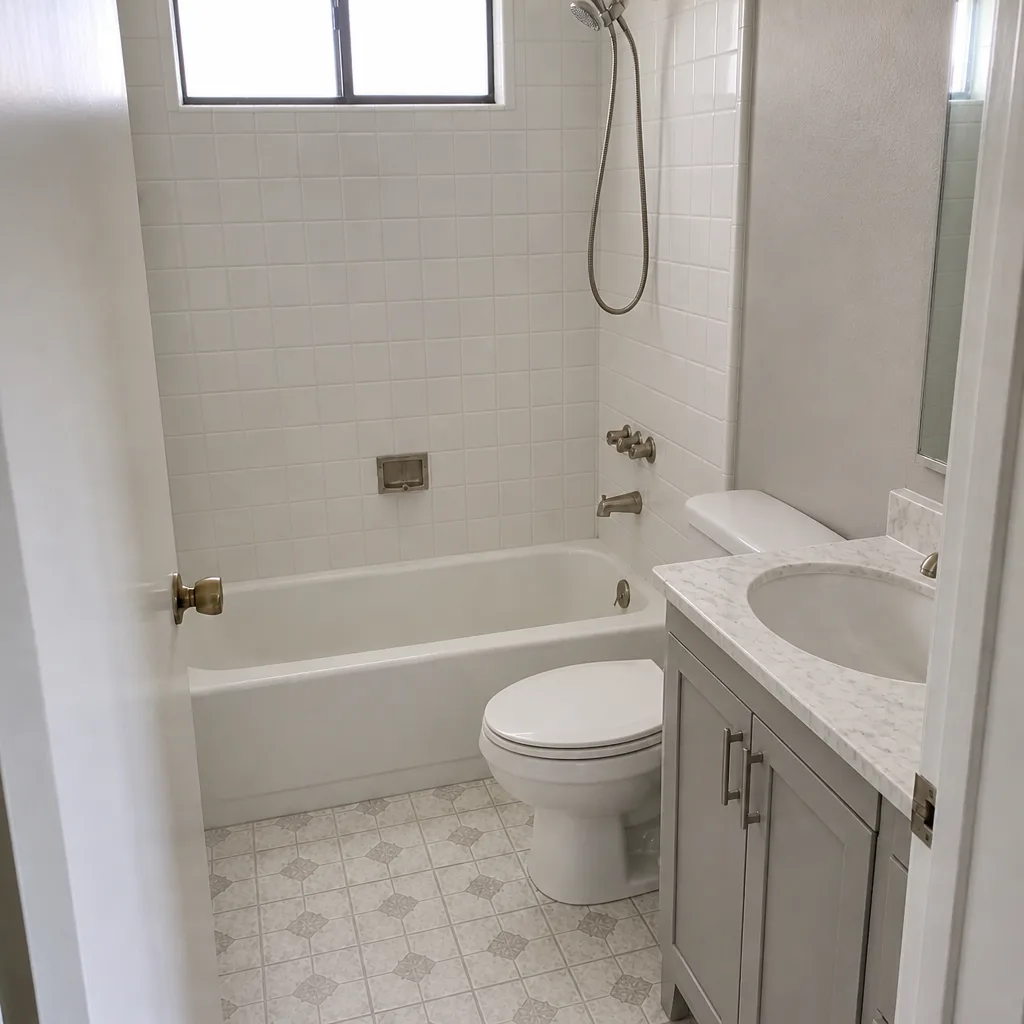
See the difference
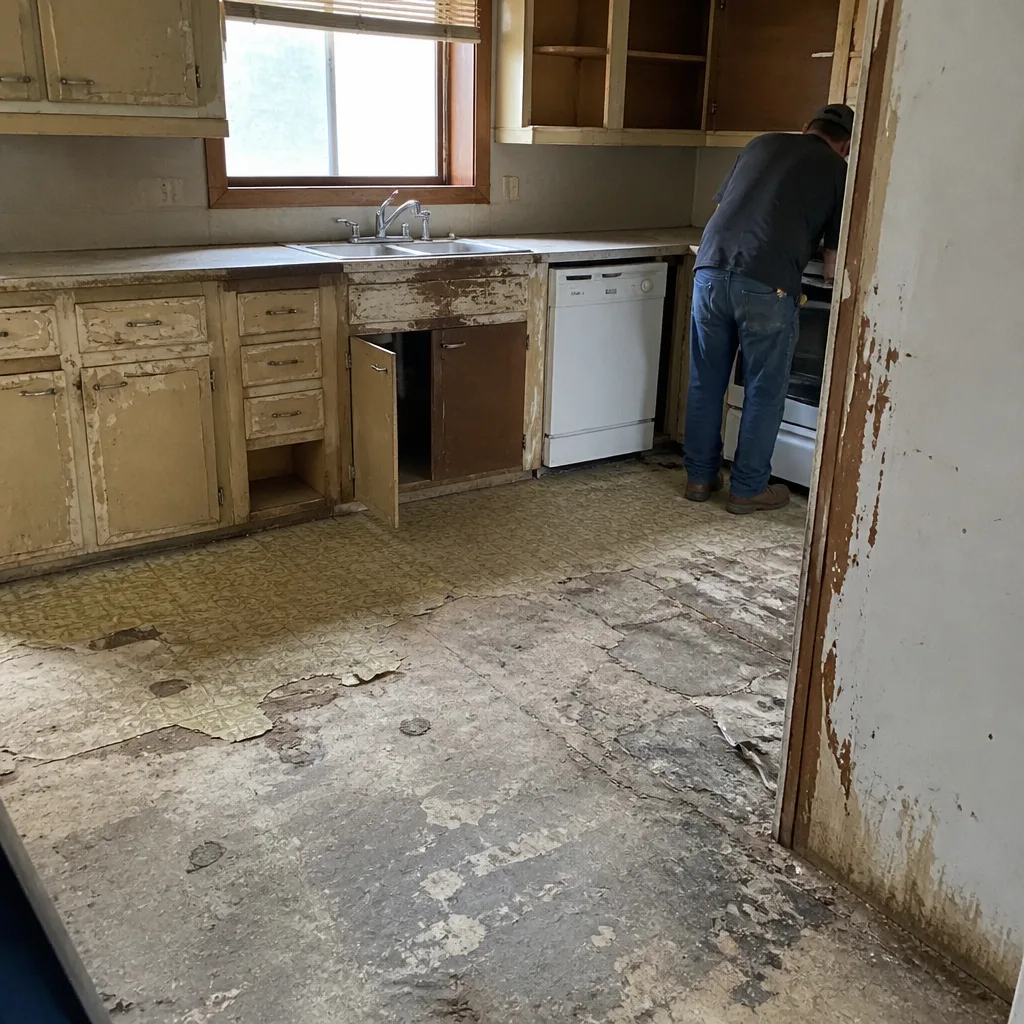 Before
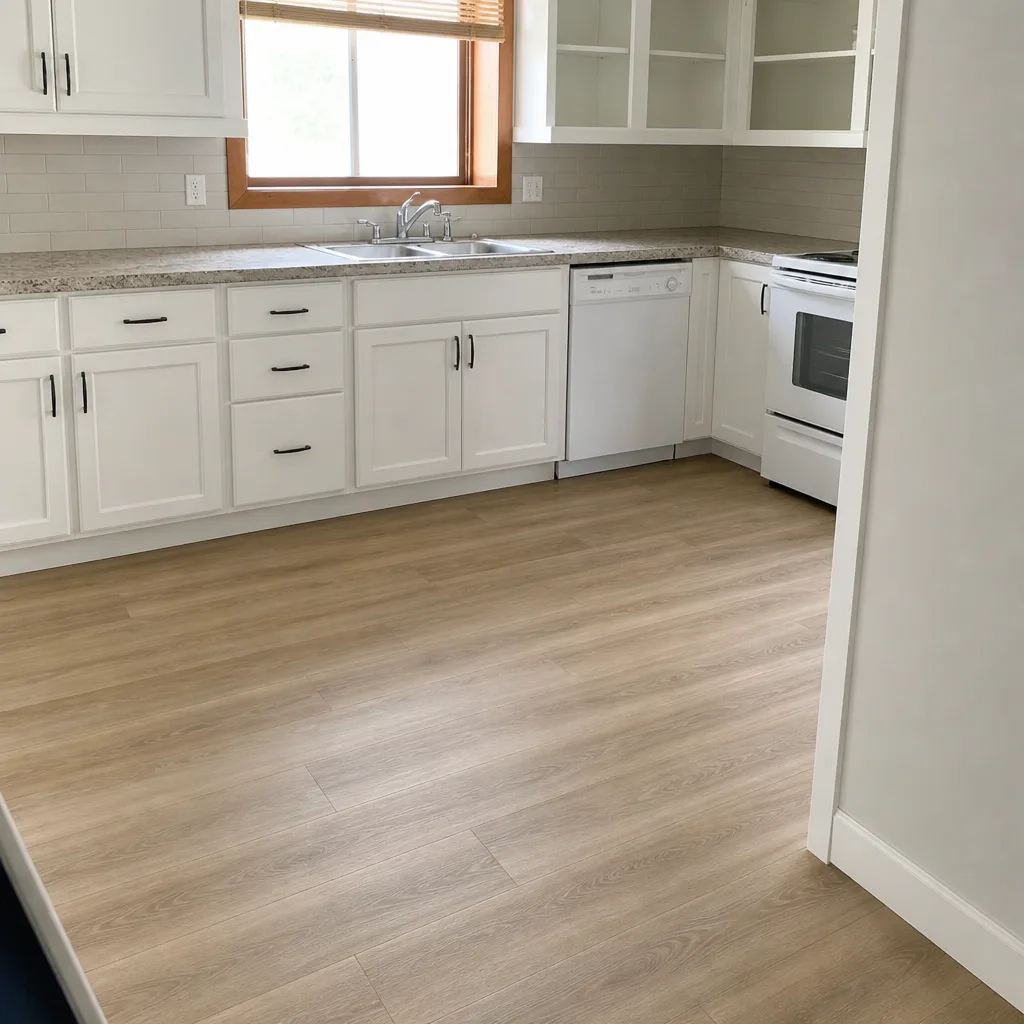 After
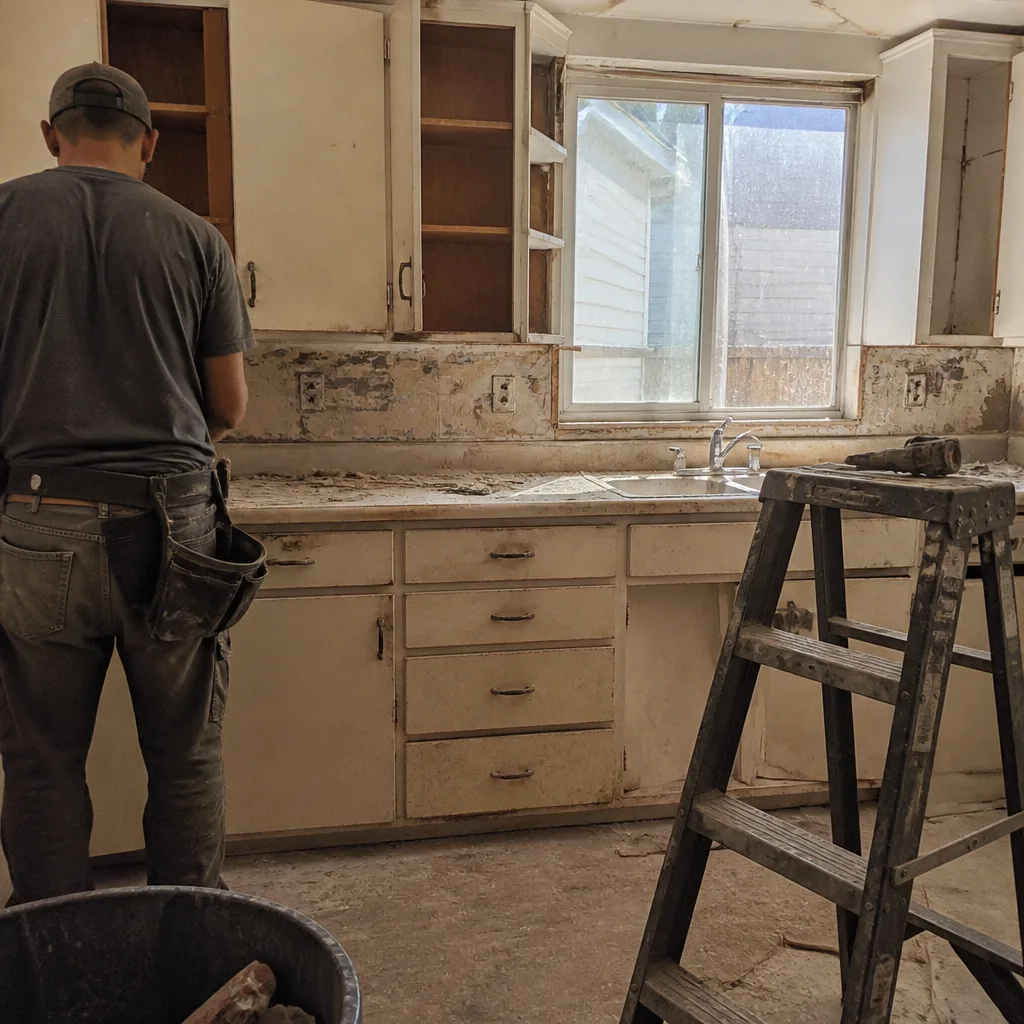 Before
 After
 Before
 After
When to Call a Professional
Some problems are worth one calm phone call before anything escalates. If your contractor has gone silent for several days, if a change order number doesn’t match what you agreed to, if finish work has a defect you can’t quite name, or if you’re about to withhold a payment and want a second opinion on whether you’re on firm legal ground – call us. We’ve walked Santa Clarita homeowners through these situations many times, and a professional read on the problem often saves a much larger argument later. If you’re weighing whether to start over with a new contractor, the Penhallow Remodeling Santa Clarita home page spells out how our written price, defined arrival windows, and 365-Day Done Right Promise work in practice. Penhallow Remodeling Santa Clarita offers free estimates in Santa Clarita – call (866) 383-6693 to talk it through.
Frequently Asked Questions

Yes, but only after you’ve given written notice of abandonment and a defined response window (commonly 48 hours) by a provable method. Once that window passes without a response or return to work, you can terminate and bring in a new contractor. Keep every notice, email, and dated photo, because the new contractor will need to see the state of the work. Call us at (866) 383-6693 if you want a free read on where the job stands.
A change order dispute is about money and scope – what was added, what it cost, whether it was authorized in writing. A defective work dispute is about quality – the work was done but done wrong or not to code. The remedies differ: change orders are resolved from the contract, while defects follow the SB 800 notice-and-repair process. Keep the two separate in any written complaint or the whole thing reads as a billing argument.
SB 800 applies to new residential construction and to certain remodel work, so it depends on the scope and how the project is defined in the contract. If you’re considering an SB 800 claim, the written notice step comes first regardless – serve notice of the specific defect, with photos, and give the builder the inspection window the act provides. When in doubt, get the notice right before doing anything else. Call (866) 383-6693 for a free second opinion on whether your situation fits.
Yes, in many situations – California’s mechanics lien rules can let a contractor record a lien against your property for unpaid work, even if you believe the work is defective. That’s why you never withhold the full payment in silence. Withhold only the disputed portion, document the specific defects in writing, give a cure deadline, and state clearly that payment is held pending completion. A written record is your protection against a lien.
It depends on the defect. A tile lippage correction on a shower floor typically runs $600 – $1,400 to remove and reset; drywall patching and repainting after another crew’s bad tape lines runs $300 – $900 per room; a re-do of a kitchen cabinet install that wasn’t level runs $1,200 – $3,500 depending on cabinet line and countertop removal. Any of these is cheaper than litigating. Call (866) 383-6693 for a free written estimate on the corrective scope.
A written-notice dispute often resolves in one to three weeks if the contractor is responsive. CSLB complaints move on the board’s own timeline, and small claims filings depend on the county calendar – weeks to a few months. The faster you document and send written notice, the faster the clock starts. Call us at (866) 383-6693 if you want help putting your documentation in order before you file.
The Bottom Line
Most remodeling disputes aren’t caused by dishonest contractors. They’re caused by contracts that never said what “done” meant. The fix is almost always a written record: a defined scope, a written price before work starts, a change-order process, and a guarantee you can point to if something fails. When things go wrong, document first, communicate in writing, and follow the notice steps for your specific dispute before you escalate. Santa Clarita homeowners who build that paper trail get faster, cheaper resolutions than the ones who argue. And the surest way to avoid the whole playbook is to hire a contractor who hands you the written price and the written guarantee before picking up a tool – that’s what the 365-Day Done Right Promise is for.
Call (866) 383-6693 to schedule your free estimate. A live person answers 24/7, and your written price comes before any work starts.
Written by the team at Penhallow Remodeling Santa Clarita.