Last updated November 18, 2026






Free written scope consultation - allowances, timeline, and change-order rules on paper before a single trade is scheduled
Home Remodeling Maintenance Schedule: What to Do and When
The grout you had re-done two years ago and the original 1987 subfloor underneath it don’t age at the same rate. That gap is where remodeling budgets quietly get eaten. Most maintenance checklists floating around online were built for new construction, where every surface starts its clock on the same day. A remodeled home doesn’t work that way. It has two ages running side by side: the new work, with its fresh caulk, paint and tile, and the original structure holding it all up. In Santa Clarita, where summer heat regularly pins the thermometer past 100°F and Santa Ana winds push dry air through every seam, those two timelines drift apart faster than homeowners expect. This guide gives you a calendar built for both, plus the inspection windows that protect your contractor’s guarantee.
Quick Answer
A remodeled home needs two maintenance calendars: one for the new work (caulk, grout, paint, fixtures) and one for the original structure behind it (framing, subfloor, plumbing, roof). The new work should be inspected at 90 days, 6 months and annually, while the original structure needs seasonal checks tied to Santa Clarita’s heat, wind and dry season. The 90-day post-remodel inspection is the single most important appointment on the schedule.
Styles & brands we work with
- Kitchen remodeling
- Bathroom remodeling
- Home additions & ADU
- Roofing
- Windows & doors
- Driveway & pavers
- Fence
Table of Contents
- Why a Remodeled Home Has Two Maintenance Timelines
- The 90-Day Window: Your Most Important Inspection
- Santa Clarita Month-by-Month Maintenance Calendar
- Protecting Your Guarantee: What You Must Document
- Bathroom-Specific Maintenance
- Kitchen-Specific Maintenance
- Windows, Exterior and the Santa Ana Season
- Your Printable Maintenance Log Template
Why a Remodeled Home Has Two Maintenance Timelines
When you remodel a kitchen or bathroom, you’re not replacing the house. You’re layering new materials over a structure that may be 40 or 60 years old. The two layers weather differently, and that’s the core insight most generic schedules miss.
New materials move. Fresh caulk, wood cabinet frames, grout and paint all cure and shrink during their first year, especially in a climate as dry as Santa Clarita’s. The original structure underneath keeps doing what it has always done: settling, expanding in summer heat, contracting on cold nights, letting a little water in at the same weak points it always has.
That mismatch creates predictable problems. We’ve seen freshly remodeled bathrooms in Saugus develop hairline grout cracks at 60 days because the original subfloor flexes under the new tile. We’ve seen cabinets in Newhall shops tighten in January and gap by August. Meanwhile, the original plumbing and roof under the new work keep aging quietly, out of sight.
So treat your home as two households sharing one address. Track the new work on a faster clock (90 days, 6 months, then yearly). Track the original structure on the seasons Santa Clarita actually delivers: brutal summer heat, Santa Ana wind season, and a long dry stretch where gutters collect valley debris without rain to flush it. Both matter. Neither replaces the other.
The 90-Day Window: Your Most Important Inspection
The first 90 days after a remodel is when everything that’s going to move has started moving. Caulk lines shrink by a hair. Grout finds the settling points. Doors and drawers that fit perfectly in month one make contact by month three. If you catch all of that early, the fixes are small and often free. If you miss it, they become water intrusion, cracked tile, or swollen cabinet frames that cost real money.
Here’s exactly what to inspect at the 90-day mark:
- Walk every caulk joint with a flashlight at eye level – around tubs, sinks, backsplashes and window trim. Look for gaps of a millimeter or more.
- Tap the tile with a screwdriver handle. A hollow sound means the grout or thinset has separated. Mark those tiles.
- Open and close every door, drawer and cabinet three times in a row. Note any sticking, rubbing or gap that wasn’t there at handoff.
- Run every faucet and drain and shine a light under the cabinet. Stains on the cabinet floor are the tell.
- Check the grout lines around shower corners, where two planes meet. That’s the first place movement shows in Santa Clarita’s dry heat.
- Photograph anything you find with a phone timestamp. This is the record that matters if you need a repair visit.
If something in that list concerns you, call us. A failed repair comes back to us at no charge – no service call, no re-inspection fee – because that’s what the 365-Day Done Right Promise is for.
Santa Clarita Month-by-Month Maintenance Calendar
This calendar is built around what Santa Clarita’s climate actually does, not a generic national template. The dry season is long, the heat is aggressive, and the wind is a real seasonal force.
- January-February: Cold nights cause the most contraction in cabinet frames and window seals. Check caulk at exterior windows and doors. Weather-strip anywhere seasonal gaps opened.
- March-April: Santa Ana wind season lingers. Pay attention to exterior trim, siding and roof edges. Wind-driven debris is the leading cause of small damage turning into water intrusion out here.
- May-June: Pre-heat inspection. Check AC condensation lines and drip pans, especially in any space a remodel touched. Test GFCI outlets in bathrooms and kitchens.
- July-August: Peak heat. Grout lines and caulk show the most stress now. Do a visual pass on tile floors, shower corners and backsplash joints. This is also when cabinet doors and drawers tell you if they need adjustment.
- September-October: Clean gutters and valleys. With almost no rain for months, debris piles up invisibly. A clogged valley can force water under roofing when the first rain finally comes.
- November-December: Pre-rain walkthrough. Check every exterior caulk line, window frame and door threshold that leads outside. Confirm that drains away from the house are clear.
Add two standing items on top of this: the 90-day post-remodel inspection, and an annual check on the calendar date you choose. Same month every year makes it hard to forget.
Protecting Your Guarantee: What You Must Document
Most homeowners don’t realize a maintenance guarantee and a workmanship guarantee are two different things, and one depends on the other. Our written guarantee covers the work we did. It doesn’t cover damage from neglected maintenance, and it can’t be enforced if there’s no record that you did your part.
Here’s what to document if you want your guarantee to hold:
- Date-stamped photos of every caulk line, grout joint and fixture at handoff. Save them somewhere you won’t lose them.
- Notes on any repair you or anyone else does, even a small one. Who, when, what they applied.
- Receipts for materials if you reseal or touch up grout. Proof of product matters if a claim ever needs it.
- The original written price and guarantee documents, kept with the permit paperwork. A written guarantee is only useful if you can produce it.
- An annual log entry confirming the seasonal checks happened. A simple line and a date is enough.
We issue a written price before any work starts and a written guarantee on every project because both should be things you can hold us to. The maintenance side is your half of that agreement, and it’s easy to keep if you write it down.
Bathroom-Specific Maintenance
Bathrooms take the most moisture abuse of any room in the house, and in Santa Clarita’s dry air the materials swing between wet and bone-dry on a daily cadence. That cycle is exactly what cracks tile edges. A few tasks matter more than the rest.
- Reseal every joint of silicone caulk annually – around the tub, the shower base and the sink. Latex caulk won’t last in a shower; silicone will. Don’t caulk over old caulk; strip it first.
- Inspect the grout in the shower floor and corners quarterly. Grout is a moisture barrier only while it’s intact. A pinhole in the corner is where tile substrate failures begin.
- Test the exhaust fan every six months. Hold a tissue against the grill. If it doesn’t pull the tissue, moisture is staying in the room. Fan performance is the cheapest moisture protection there is.
- Run the water heater’s flush or check annually. Santa Clarita’s water is hard enough that scale builds faster than you’d expect. A simple annual drain helps a unit last.
The most common mistake we see in Santa Clarita bathrooms is putting off a small grout repair because it looks cosmetic. By the time it’s not cosmetic, you’re looking at a cement board substrate (the moisture-resistant layer behind the tile) that’s absorbed water and has to come out. Caught in year one, that’s a tube of silicone and a grout touch-up. For the full scope of what a bathroom replacement involves, see our Bathroom Remodeling in Santa Clarita page.
Kitchen-Specific Maintenance
Kitchens live through heat swings that no cabinet shop advertises for. In Santa Clarita, cabinet doors that hung perfect in April can start rubbing by August because the wood moved with the dry heat. Learning to adjust them is cheaper than replacing them.
- Adjust cabinet doors twice a year. Most hinges are set with a single screw. A quarter turn is all a sagging door usually needs. Do this in spring and fall.
- Check the caulk where the backsplash meets the counter at each of those same visits. That joint takes heat from the dishwasher and expansion from the countertop.
- Clean the range hood filter monthly if you cook often. Grease buildup reduces airflow and is a genuine fire risk in any Santa Clarita kitchen.
- Inspect under-sink plumbing for drips quarterly. A slow drip between annual checks is the leading cause of cabinet floor damage.
- Check the dishwasher supply line annually. Flexible lines fail over time. If it’s older than a decade, replace it.
Our cabinet lines – KraftMaid and Wellborn among them – are built to last, but wood is wood. Adjustments are maintenance, not defects. If you’re planning a kitchen replacement, our Kitchen Remodeling in Santa Clarita page covers what drives the number up and down.
Windows, Exterior and the Santa Ana Season
Santa Clarita’s Santa Ana winds are the single biggest exterior maintenance pressure point. Dry, fast-moving air pushes dust and fine debris against every seam, and it attacks caulk joints, window seals, trim and roof edges. Wind also worsens the wear that heat already caused.
Each fall and each spring, walk the exterior:
- Press on every window frame and door seal. If a fingernail pushes into old caulk, it’s time to strip and re-caulk. Windows we install – from brands like CWS and ECO Window Systems – still need their seals checked on schedule.
- Inspect exterior trim and siding for lifted edges, screw heads backing out and any paint failure. James Hardie fiber-cement siding is durable, but the joints behind it still need attention.
- Clear every roof valley and gutter. Long dry spells mean debris never washes away. A piled-up valley is a slow leak waiting for the first rain.
- Check the gap at the bottom of exterior doors. A 1/4-inch gap under a door is heat coming in and dry air pushing at the seal during wind season.
If anything on the exterior turns up structural rather than cosmetic, don’t patch over it. A General Contractor in Santa Clarita should look before you spend on cosmetic repairs.
Your Printable Maintenance Log Template
A maintenance schedule only works if it’s recorded. Here’s a simple log to print and keep with your permit paperwork. Copy the template for each room that was remodeled, and make one master copy for the exterior.
- Room: ______________ Date work completed: ______________
- 90-day inspection date: ______ | Items found: ______________________
- 6-month check date: ______ | Items found: ______________________
- Annual check date: ______ | Items found: ______________________
- Caulk reseal date: ______ | Product used: ______________________
- Grout repair date: ______ | Product used: ______________________
- Any repair visit or warranty call: ______________________
- Notes / photos saved to: ______________________
Log the date of every entry. A maintenance log with dates is the difference between “we think we did that” and a record your guarantee can rely on. Newly installed surfaces start their clocks the day the last coat of paint dries, so log that day first. For more context on how a remodeled home fits into the wider picture, our Penhallow Remodeling Santa Clarita home page walks through the full range of work we take on.
Common Mistakes to Avoid
- Treating new work and old structure on one calendar. The new caulk cures on a fast clock; the original subfloor settles on a slow one. Miss that and you inspect at the wrong time.
- Skipping the 90-day mark. It’s the single appointment where every early failure shows up. Missing it turns a 20-minute pencil-tightening into a tile replacement.
- Caulking over old caulk. A new bead on top of failing silicone peels off within months. Strip first, then apply.
- Ignoring grout because it “looks fine.” In Santa Clarita’s heat, tiles can look intact while the substrate behind them has already taken on water. Check the shower corners first.
- Letting debris pile in the roof valleys during the dry season. The rain isn’t there to flush it. When it finally comes, the clog forces water where it shouldn’t go.
- Not documenting anything. A guarantee can’t be honored against damage from neglected maintenance. Photo records and dated log entries keep it valid.
- Calling a cosmetic problem a structural one, or the reverse. Adjusting a cabinet hinge is a screwdriver job; a spongy floor is not. A written inspection before the work starts saves you from guessing wrong in either direction.
See the difference
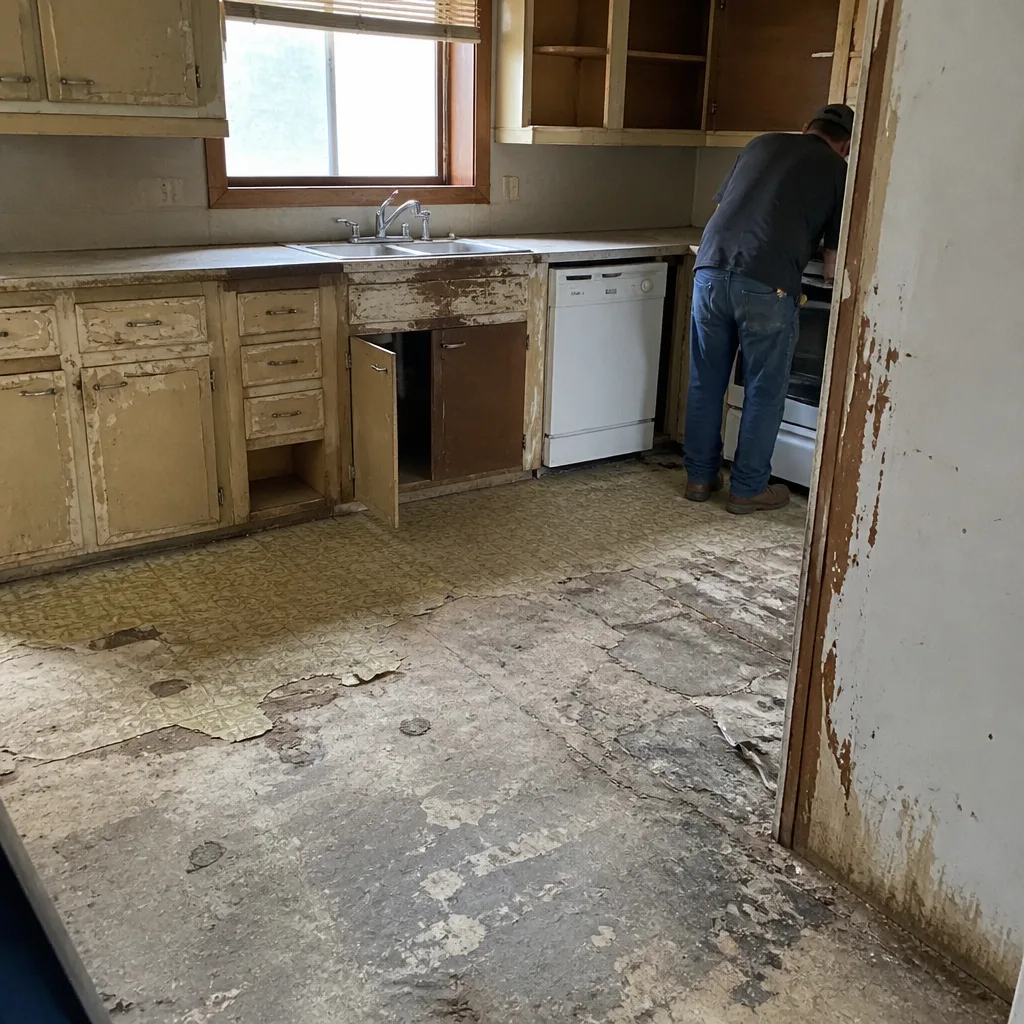 Before
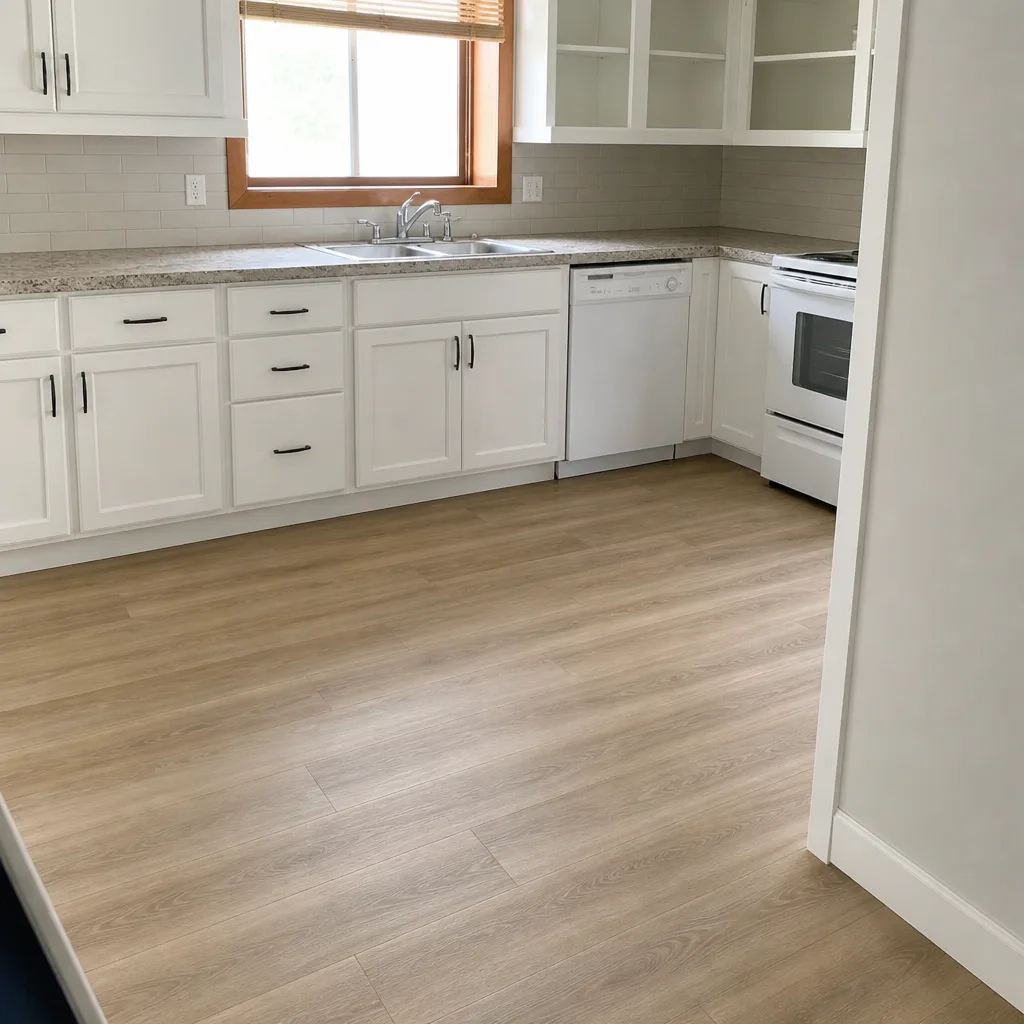 After
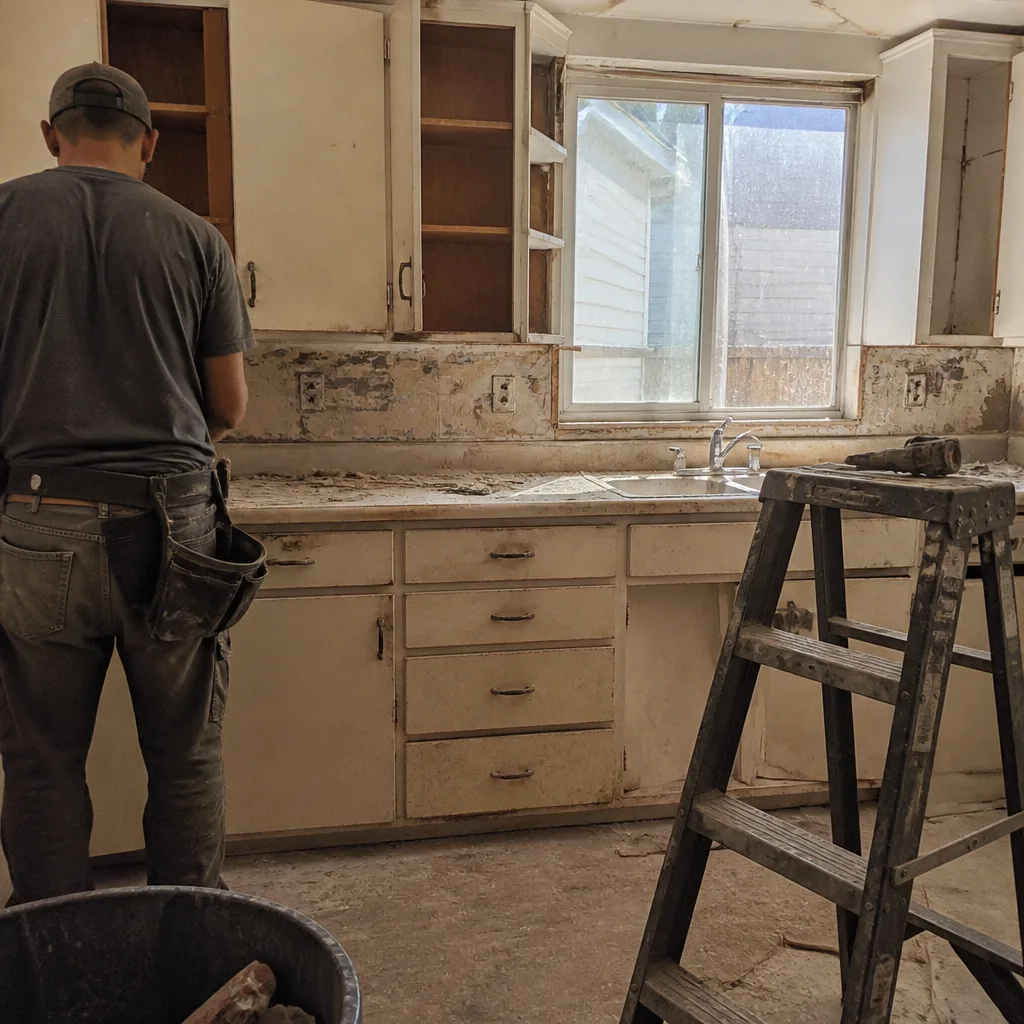 Before
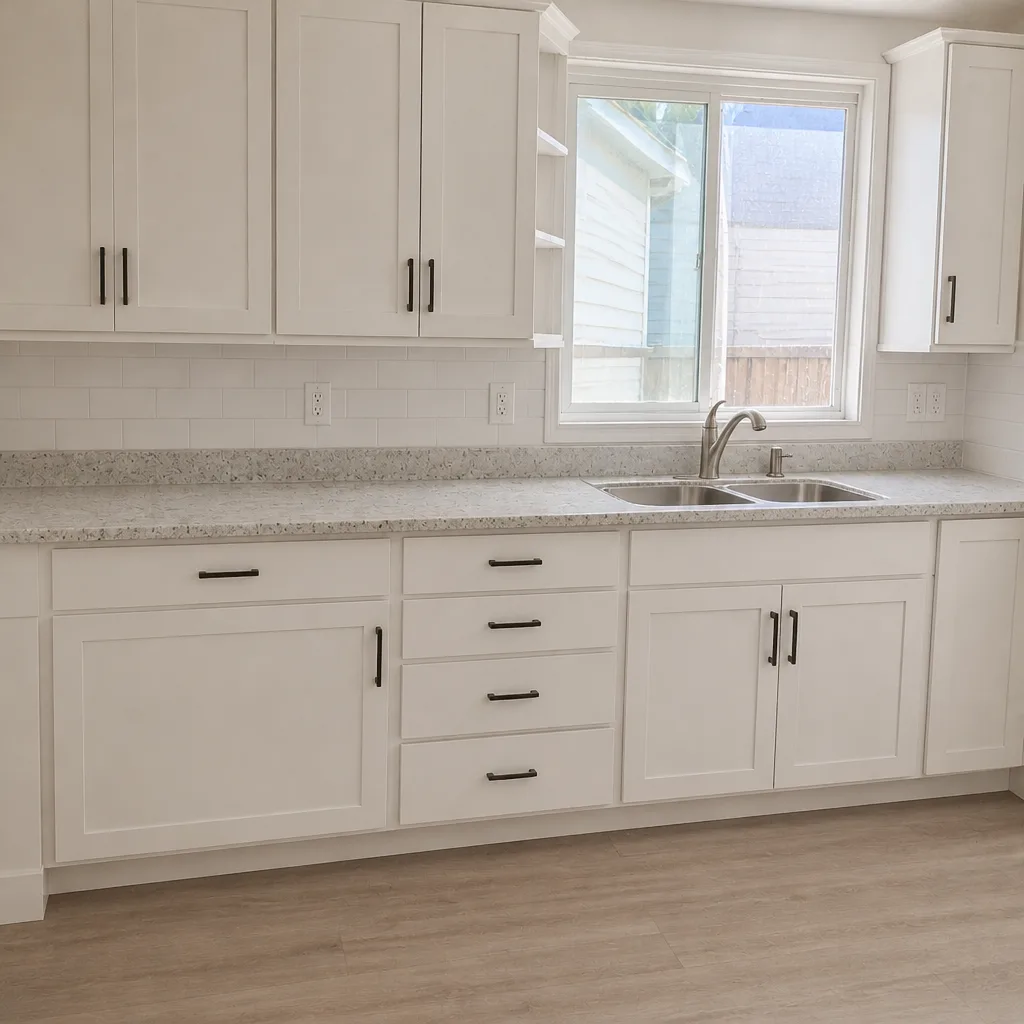 After
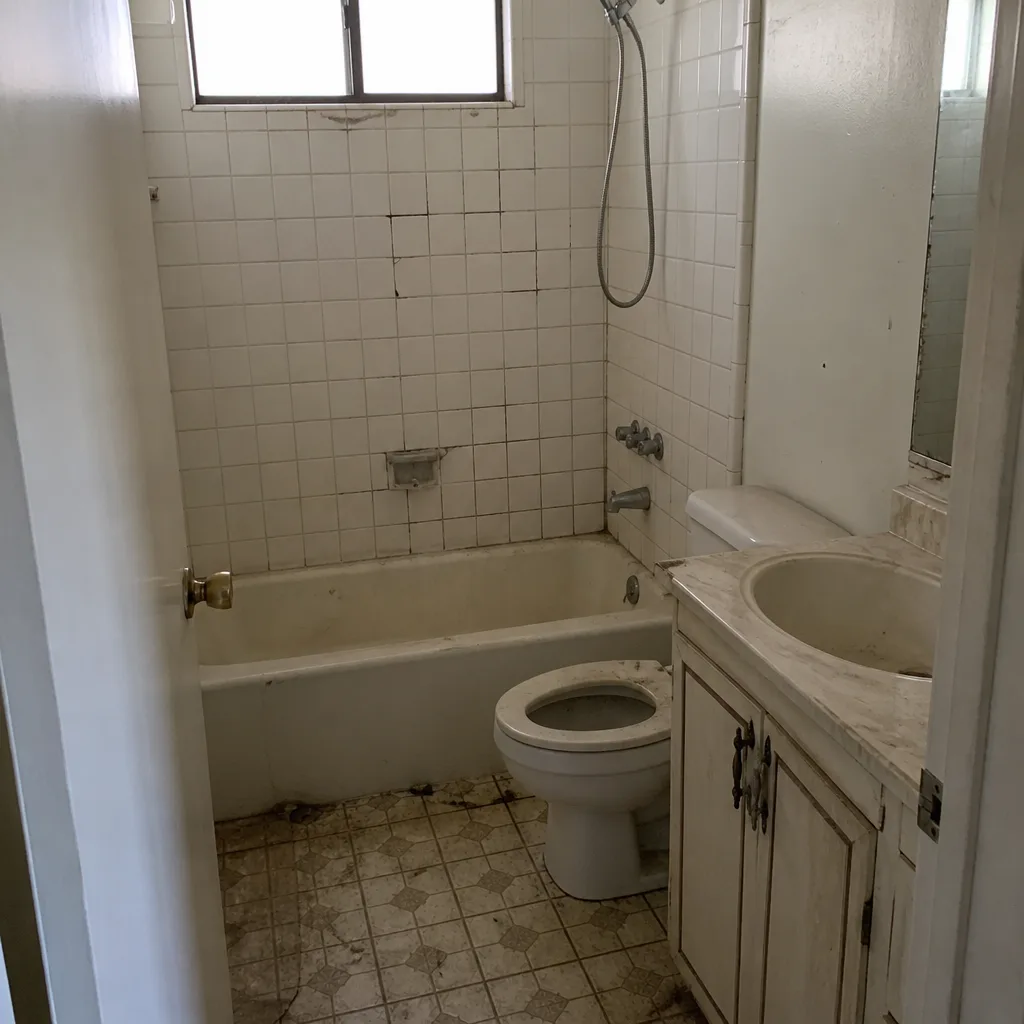 Before
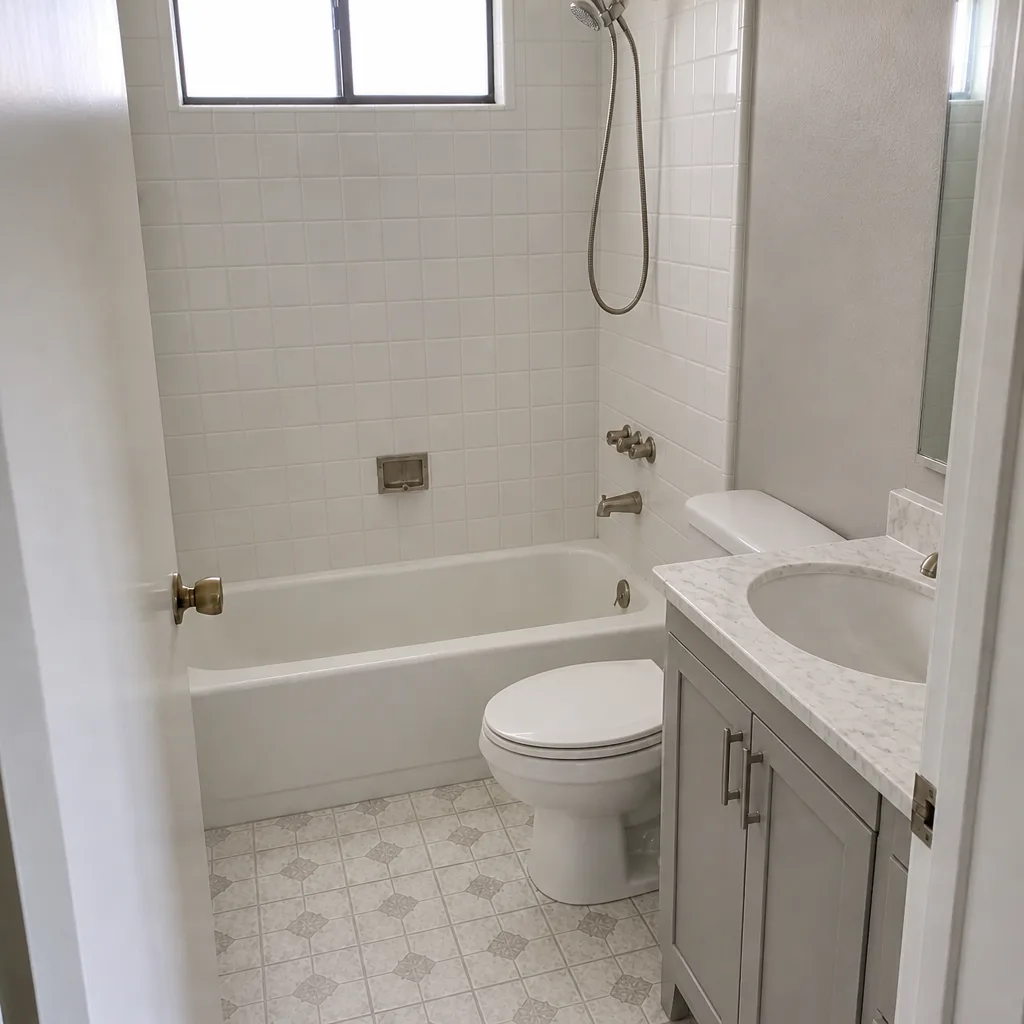 After
When to Call a Professional
Some maintenance is genuinely a homeowner’s task: tightening a cabinet hinge, replacing a range hood filter, checking the smoke detector. But there are situations where doing it yourself costs more than calling us. A tile floor that feels spongy or sounds hollow across a large area means the substrate has already failed – a repairable problem if seen early and an expensive one if ignored. Any persistent moisture behind a wall, a grout line that keeps recurring after multiple repairs, or a window seal that fails twice in a row is a call, not a patch. So is any item where the original structure below the new work is in question.
Penhallow Remodeling Santa Clarita offers free estimates in Santa Clarita – call (866) 383-6693 to schedule yours. Every one comes with a written price and a written guarantee before any work starts.
Frequently Asked Questions

At 90 days, 6 months and then annually for the new work, plus a seasonal pass tied to the calendar for the original structure. The 90-day appointment is the most important one because it catches settling, caulk shrinkage and grout cracks while they’re still small. Call (866) 383-6693 if you’d like a professional check – estimates are free.
Most workmanship guarantees cover the work performed, not damage from neglected maintenance, so yes, unchecked maintenance can affect what a guarantee will cover. Documented seasonal checks and date-stamped photos keep yours valid. Our 365-Day Done Right Promise is backed in writing on every project, so ask before you assume.
Hairline grout cracks in shower corners within the first 60 days, because the original subfloor moves differently from the new tile above it. A tube of silicone and a grout touch-up in month two prevents a substrate replacement in year three. Call (866) 383-6693 for a free estimate if a corner keeps recurring.
Because the heat, the Santa Ana wind season and the long dry stretch each create a different failure. Heat cracks grout and moves wood; wind attacks exterior seals and pushes debris; the lack of rain lets valleys and gutters clog invisibly, so the first real rain forces water into places it shouldn’t go. A schedule built for this climate catches all three.
Simple tasks – tightening hinges, replacing an air filter, clearing gutters – are homeowner jobs. Anything involving the tile substrate, a recurring moisture issue, window seal failures or anything under a new surface is worth a professional look. Call (866) 383-6693 before it becomes a replacement.
Most full kitchen remodels run several months from start to finish, and the maintenance clock starts the day the final finish cures. Begin the 90-day inspection from that date, not from when the crew first pulled cabinets. A written number and written guarantee from day one make both the schedule and the project simpler.
The Bottom Line
A remodeled home is two timelines sharing one roof. Track the new work on the fast clock – 90 days, 6 months, then yearly. Track the original structure on the seasons Santa Clarita actually delivers. The 90-day inspection is the appointment that saves the most money, and a dated log kept with your permit paperwork is what keeps your guarantee valid. None of this needs to be complicated or expensive; it needs to be written down, and on the calendar. If you’re planning the next phase of work, our bathroom and kitchen pages lay out what a project looks like start to finish, and the general contractor page covers the work outside those rooms.
Contact

Maintenance questions are welcome even if we didn’t do the work. Call (866) 383-6693 to schedule your free estimate – a live person answers 24/7, our technicians are background-checked and arrive in uniform, and every project comes with a written price and a written guarantee before any work starts. We’d rather help you keep a good renovation going than watch it fail.
Written by the team at Penhallow Remodeling Santa Clarita.