Last updated November 18, 2026
Free written scope consultation - allowances, timeline, and change-order rules on paper before a single trade is scheduled
The Complete Guide to Construction in Santa Clarita
About 60% of Santa Clarita homes sit inside a homeowners association, which means you can pull a city permit, pass every inspection, and still watch your project stop cold because of a CC&R restriction nobody checked. That single fact separates construction in Santa Clarita from a generic California remodel, and most guides skip it entirely. This one doesn’t. Below we map the whole landscape: how HOA architectural review and City of Santa Clarita building permits run as two separate approvals on two separate clocks, why hillside and pad lots in Canyon Country and Stevenson Ranch add real scope to additions, which agency controls what at your address, and what realistic timelines actually look like once you account for local review speeds. You’ll finish knowing every checkpoint before you hit it.
Quick Answer
Construction in Santa Clarita requires two parallel approvals for most projects: a City of Santa Clarita building permit and, if your home is in an HOA, a separate architectural review under the community’s CC&Rs. Both must clear before work starts. Add hillside grading review on sloped lots and a fire department review for certain additions, and a typical permit-to-first-day window runs six to twelve weeks depending on scope. Skipping either approval is the most common and most expensive mistake homeowners make here.
Styles & brands we work with
- Kitchen remodeling
- Bathroom remodeling
- Home additions & ADU
- Roofing
- Windows & doors
- Driveway & pavers
- Fence
Table of Contents
- Why HOA Review and City Permits Are Two Separate Approvals
- Hillside and Pad Lots: What Grading Adds to Your Scope
- Which Agency Controls What at Your Address
- Realistic Timelines by Project Scope
- What a Written Pre-Work Price Actually Protects You From
- Kitchens and Bathrooms: The High-Value Projects Here
- Common Mistakes to Avoid
- Frequently Asked Questions
Why HOA Review and City Permits Are Two Separate Approvals
Here’s the trap: the City of Santa Clarita issues your building permit based on the California Building Code. Your HOA’s architectural review committee issues its approval based on the community’s CC&Rs, which have nothing to do with code. They’re different documents, different reviewers, and different timelines. Passing one tells you nothing about the other.
We’ve seen a homeowner get a permit in hand, hire a crew, and then get a stop-work letter from the association because the proposed fence or addition color didn’t match the community standard. That’s a delay of weeks and, in the worst case, a rebuild.
Run both tracks at once, not in sequence. In our experience, the practical order looks like this:
- Read your CC&Rs first. Request the architectural rules from your HOA before you draw anything. Some communities restrict roof pitch, garage door style, paint palettes, even the maximum square footage of an ADU.
- Submit the HOA architectural review package. Most Santa Clarita associations want site plans, elevations, material samples, and a color board. Review committees often meet monthly, so miss a deadline and you wait a month.
- File the City of Santa Clarita building permit in parallel. Don’t wait for HOA sign-off to start the city process, or you’ll stack the two timelines end to end.
- Reconcile any conflict before demo. If the city approves something the HOA objects to, resolve it on paper, not on the job site.
One more local detail worth knowing: subdivisions built in different decades have different CC&R vintage. A Valencia community platted in the 1980s may have looser design language than a newer Stevenson Ranch tract. Check your specific governing documents, not your neighbor’s rules from a different neighborhood.
Hillside and Pad Lots: What Grading Adds to Your Scope
Santa Clarita’s terrain is the second thing generic guides miss. Large stretches of Canyon Country, Stevenson Ranch, and the ridges above Saugus sit on sloped or graded “pad” lots where the buildable flat area was carved into a hill. An addition or accessory dwelling unit on that kind of lot almost always triggers grading and drainage scope that a flat-lot project never sees.
What that means in plain terms:
- Grading permits. Moving more than a trivial amount of soil requires a grading plan and often a soils report from a licensed geotechnical engineer. On a pad lot, adding a footing means re-verifying the slope stability under it.
- Retaining walls. Many hillside projects need a retaining wall to hold the cut or fill. Walls over a certain height need engineering and their own permit.
- Drainage and erosion control. Santa Clarita’s rain arrives in concentrated winter storms. Water that used to sheet across an empty slope has to go somewhere once you build on it. County and city reviewers will ask where.
- Access. A steep driveway narrows what equipment can reach the site. That affects both cost and schedule, and it’s worth confirming before you sign anything.
The practical upshot: a room addition that runs $200 to $400 per square foot on a flat lot can climb meaningfully higher on a hillside lot once grading, engineering, and retaining work are in the number. Get a geotech opinion early. Discovering the slope problem after demo is where budgets blow up.
Which Agency Controls What at Your Address
Santa Clarita sits in Los Angeles County, and the county’s Fire Department has jurisdiction over fire-related construction review in areas the city doesn’t fully cover, along with certain hillside and wildland-urban-interface zones. Which agency reviews your plans depends on your exact address, not your zip code alone.
Here’s how to sort it out:
- Start with the City of Santa Clarita permit portal. The city runs an online permit system where you can look up your parcel and see which department holds review authority. This is the single fastest way to know if you’re inside city jurisdiction.
- Check for fire review separately. Additions near open space, hillside areas, and the wildland-urban boundary often need Los Angeles County Fire Department review for access, water supply, and fire-resistant construction, even when the building permit itself is a city permit.
- Confirm the overlap before you draw. Call the city’s building division and ask, for your specific address, whether fire department plan review is a separate submission. The answer changes your timeline.
Santa Clarita homeowners who build near the Newhall Pass, Placerita Canyon, or the edges of Canyon Country run into this overlap more than a homeowner in the middle of a flat tract. If you’re near open space, assume a fire review is in play until someone who knows the parcel tells you otherwise.
Realistic Timelines by Project Scope
Statewide “average” permit timelines mislead here because Santa Clarita’s review office, HOA committees, and fire review all add their own steps. Below are the windows we plan around, permit clock plus construction, for typical projects.
- Bathroom remodel, no layout change: roughly 3 to 6 weeks total. Often a same-footprint remodel needs a limited permit, or none at all for finishes-only work, which shortens the front end considerably.
- Kitchen remodel, gas and electrical unchanged in place: roughly 4 to 8 weeks including city review and inspection. Relocating a gas line or a load-bearing wall adds plan-check time.
- Room addition: roughly 4 to 8 months from permit submittal to final inspection. Plan review alone commonly runs 4 to 10 weeks in Santa Clarita’s queue, and structural and grading review add to it.
- ADU (accessory dwelling unit): roughly 6 to 10 months. ADUs get a legally shortened state review window, but grading, utility connections, and HOA review still add real weeks. Prefab options from builders like Abodu or Mighty Buildings can compress the construction phase but not the site work.
Every one of these assumes a clean submittal. Plan-check comments that come back twice, or an HOA review that asks for a redesign, push the number out. When we plan a project, we map the permit milestones with the client so nobody is guessing when the first day of work happens.
What a Written Pre-Work Price Actually Protects You From
In a local market where verbal estimates and “we’ll figure it out at the door” change orders are common, a written price before work starts is the single best defense you have. It’s the difference between a number you can hold someone to and a range that turns into a different number after demo day.
The Kingswell Guarantee we operate under requires exactly that: a written price before any work starts, a defined arrival window, a clean job site, and a written guarantee on every project. In practice that written price protects you from four things:
- Change-order padding. A written, line-item price means a legitimate change gets priced in advance and agreed in writing. Fake change orders don’t have a place to hide.
- The “we found something” surprise. A pre-work price is only honest when the contractor has actually looked, so take the time to inspect what’s behind the walls before the number is final.
- Scope creep. When the written price lists materials by brand and line, you can tell when a cheaper substitute quietly shows up. We source from KraftMaid, Wellborn, Cambria, and Silestone, and the price reflects what’s specified.
- Disappearing contractors. The 365-Day Done Right Promise means if the work fails inside a year, we come back and fix it at no charge, with the free return visit included. That guarantee has teeth only because the price and the terms are written down.
Ask any contractor for the number in writing before work starts. If they hesitate, that’s your answer.
Kitchens and Bathrooms: The High-Value Projects Here
Most of the construction in Santa Clarita that we get asked about starts with a kitchen or a bathroom. These are the projects where a written price and a real timeline matter most, because they’re the ones a family lives through.
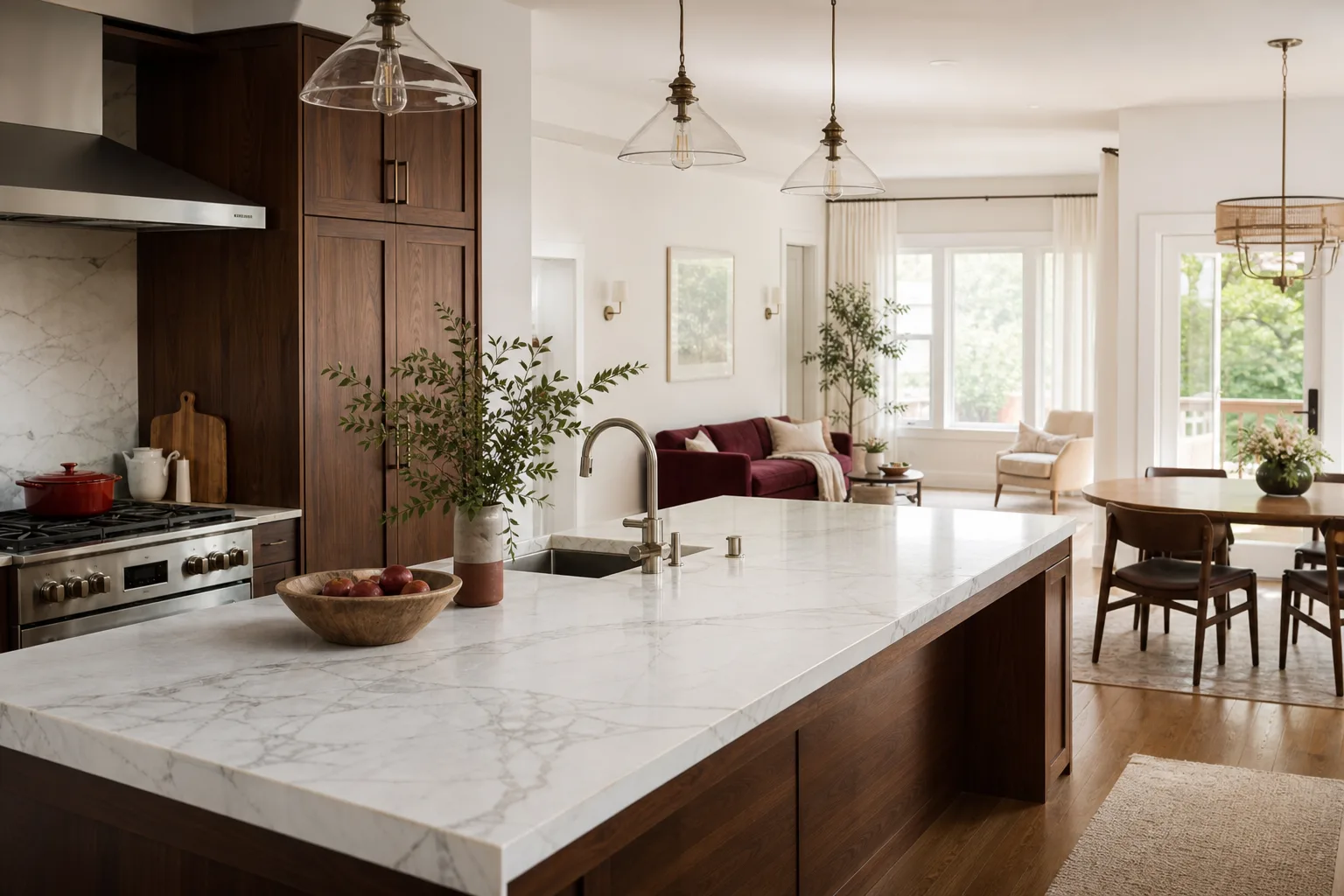
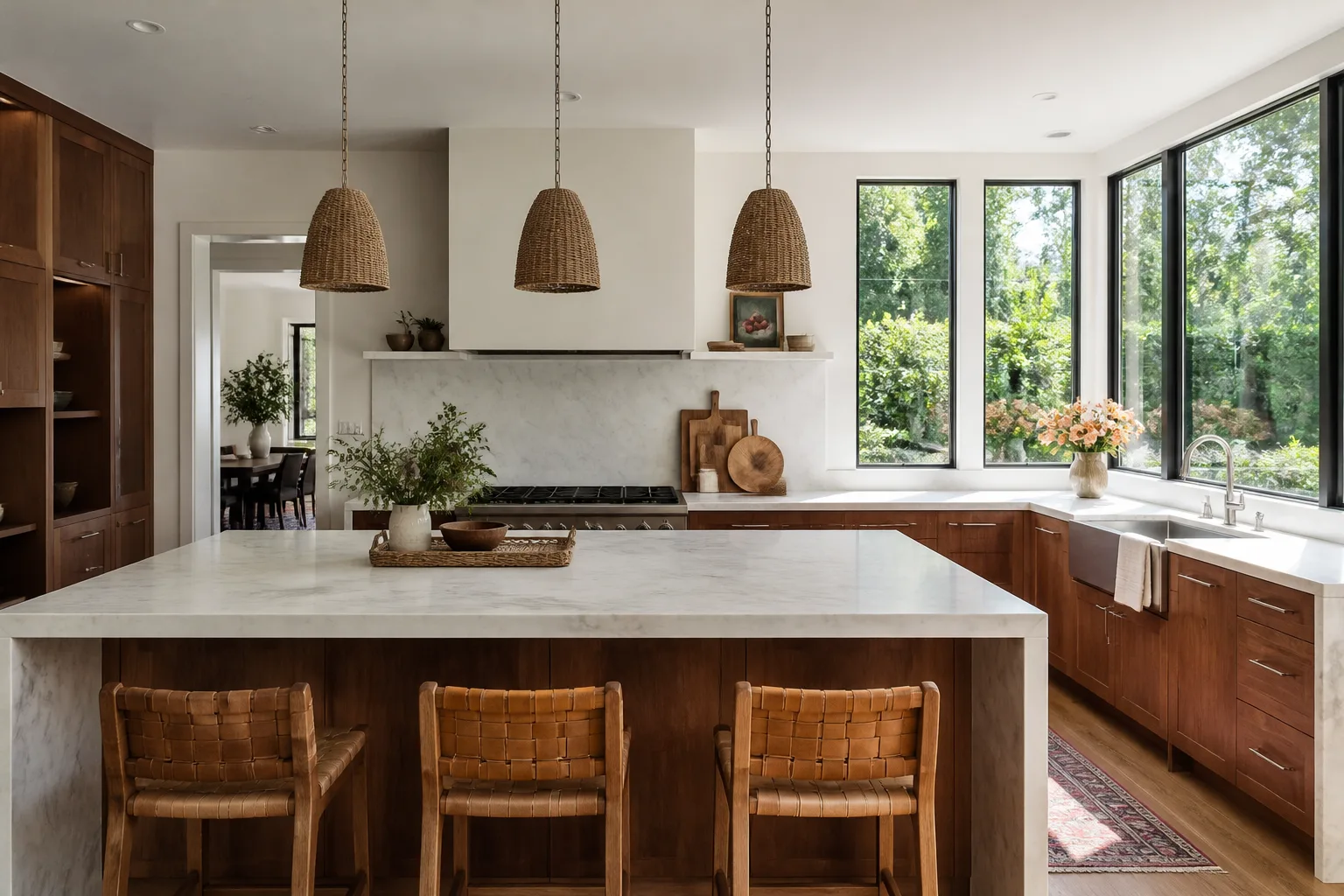
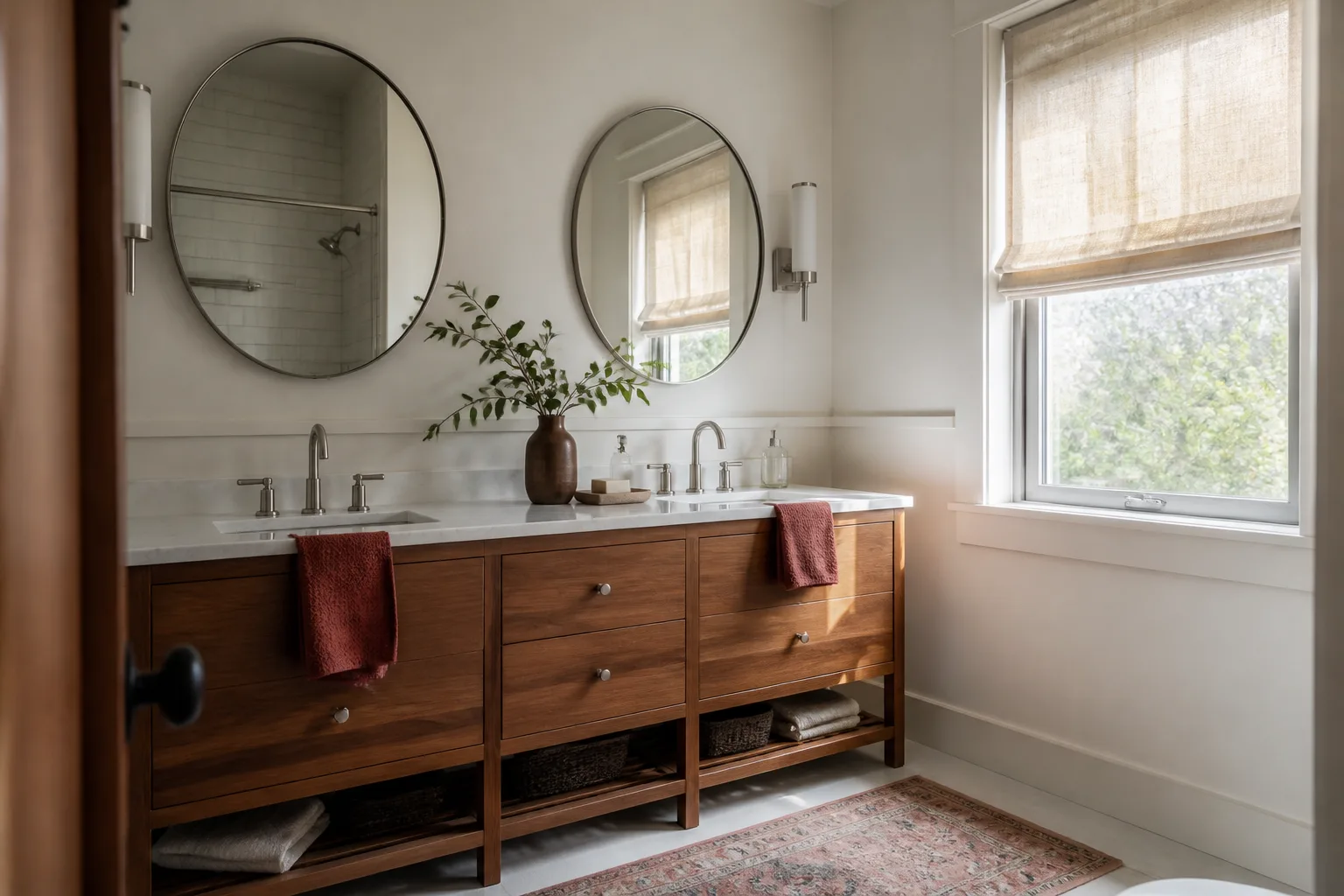
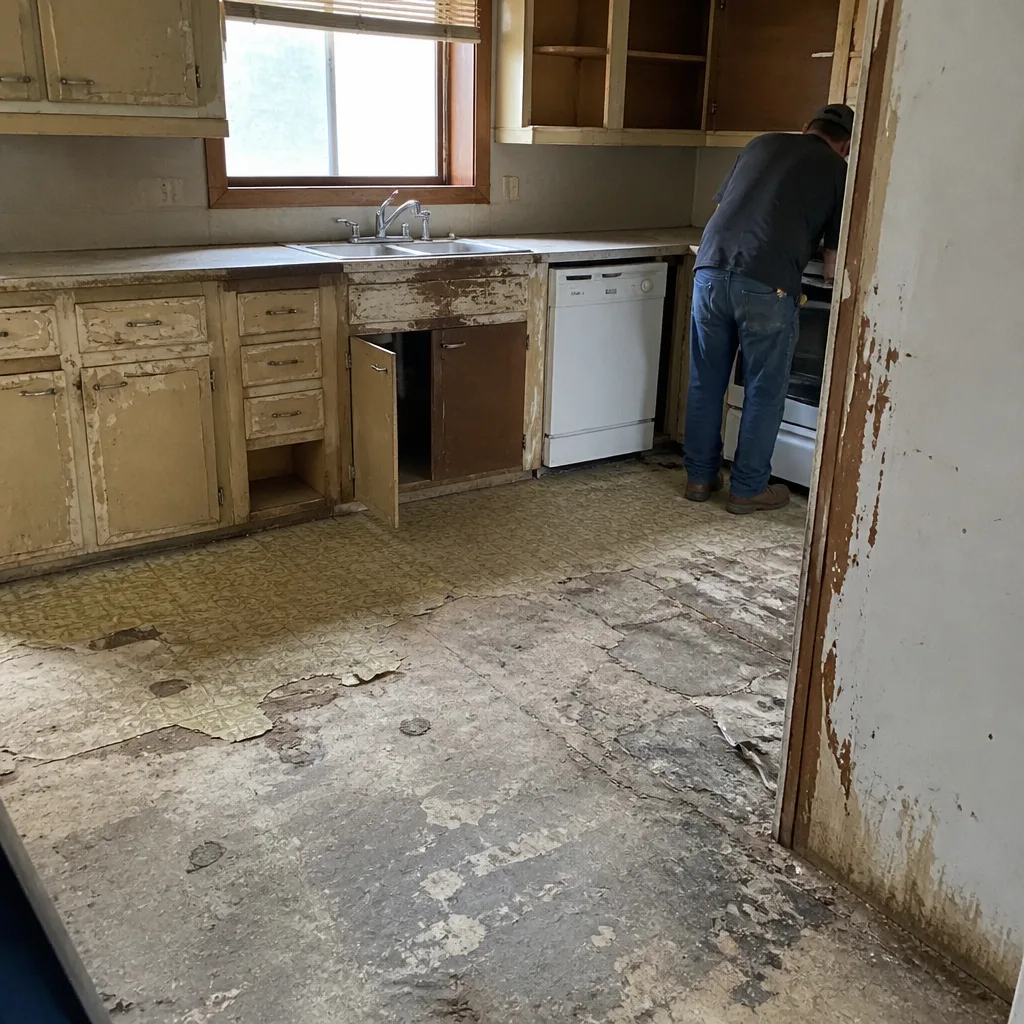
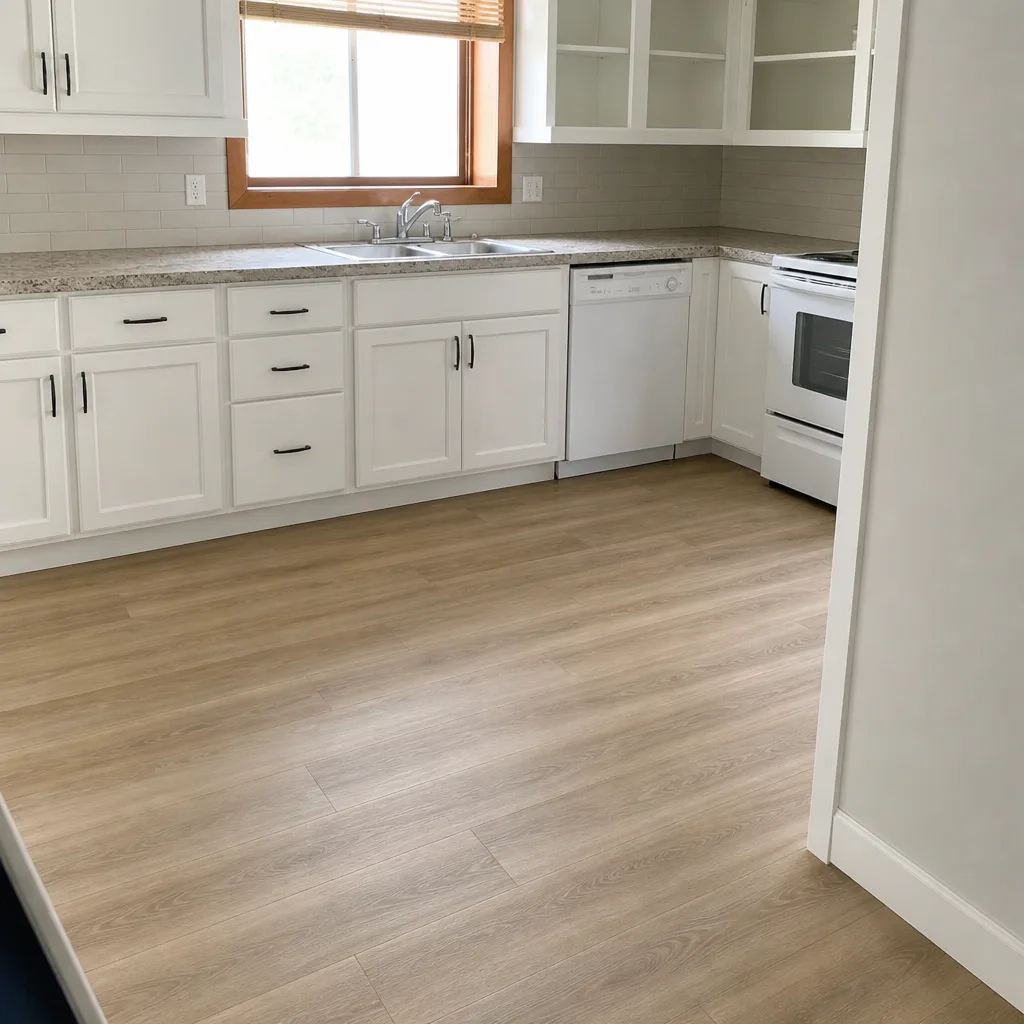
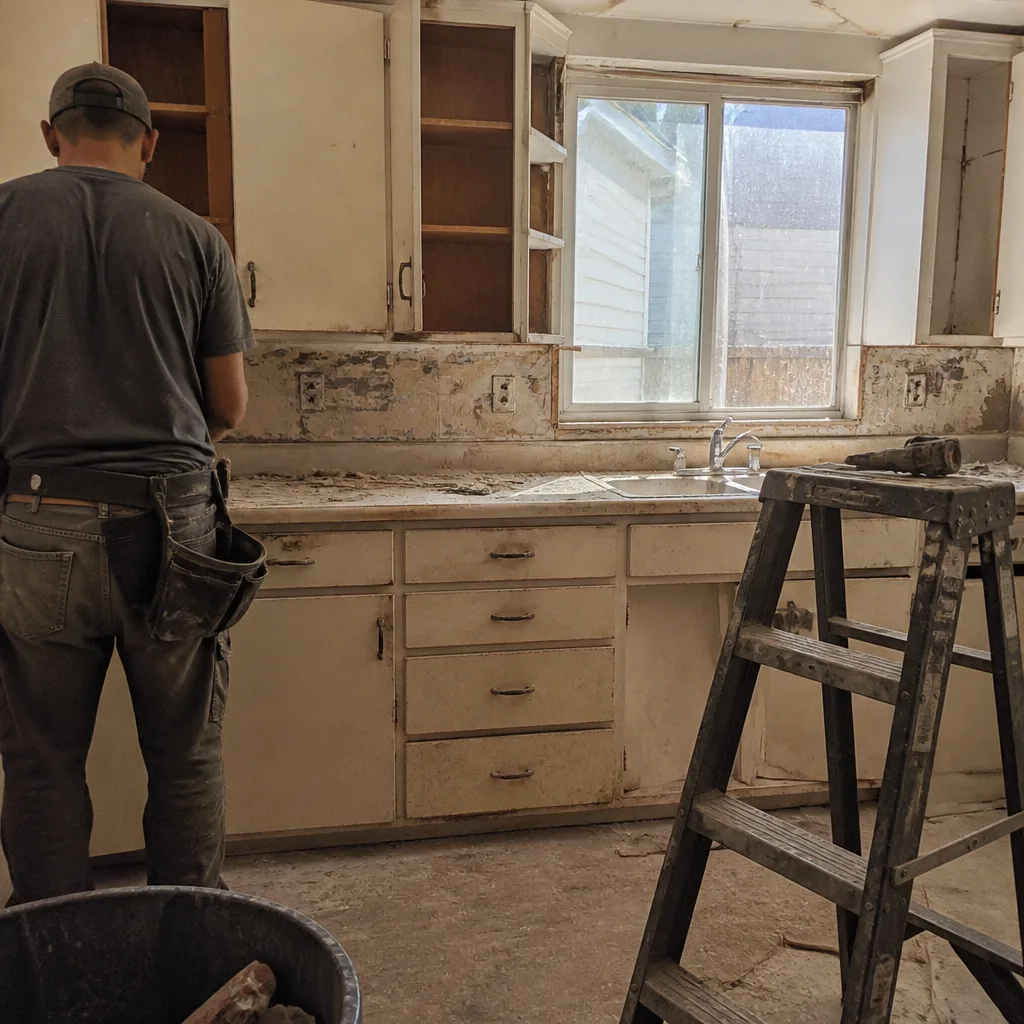
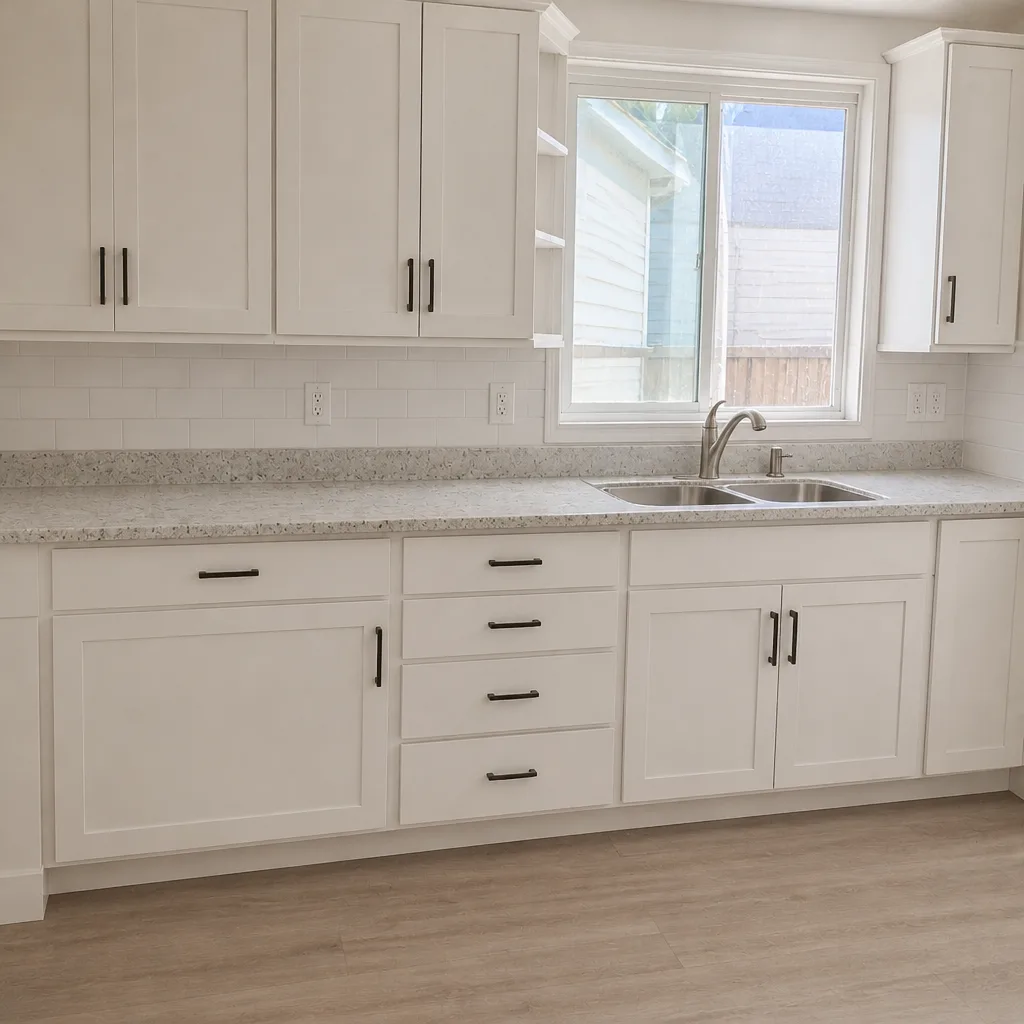
For kitchens, the number swings on layout, cabinet line, and countertop material. A straightforward kitchen remodeling in Santa Clarita often lands somewhere in the $18,000 to $65,000 range depending on those choices. Moving a wall, relocating plumbing, or upgrading to a full Cambria quartz island pushes you toward the top of that band; keeping the footprint and refreshing cabinets and counters keeps you near the bottom.
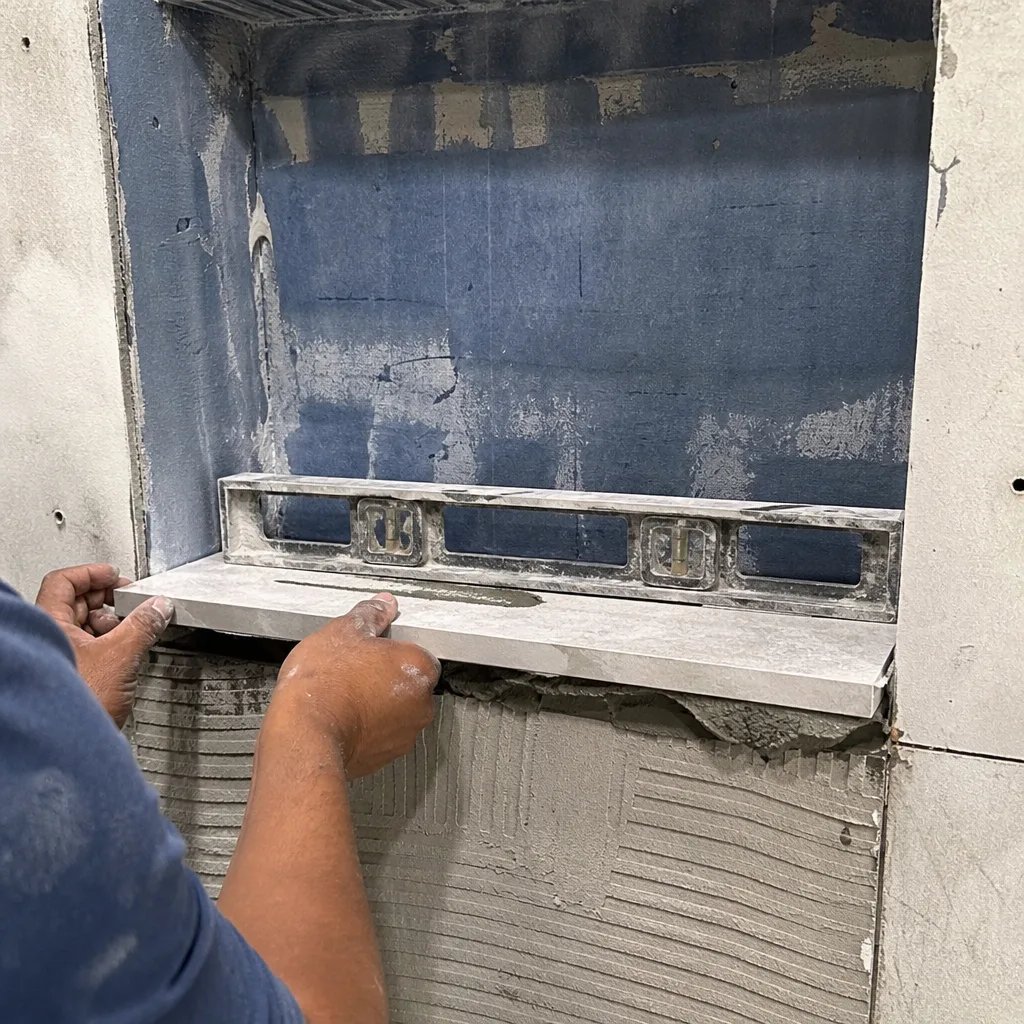
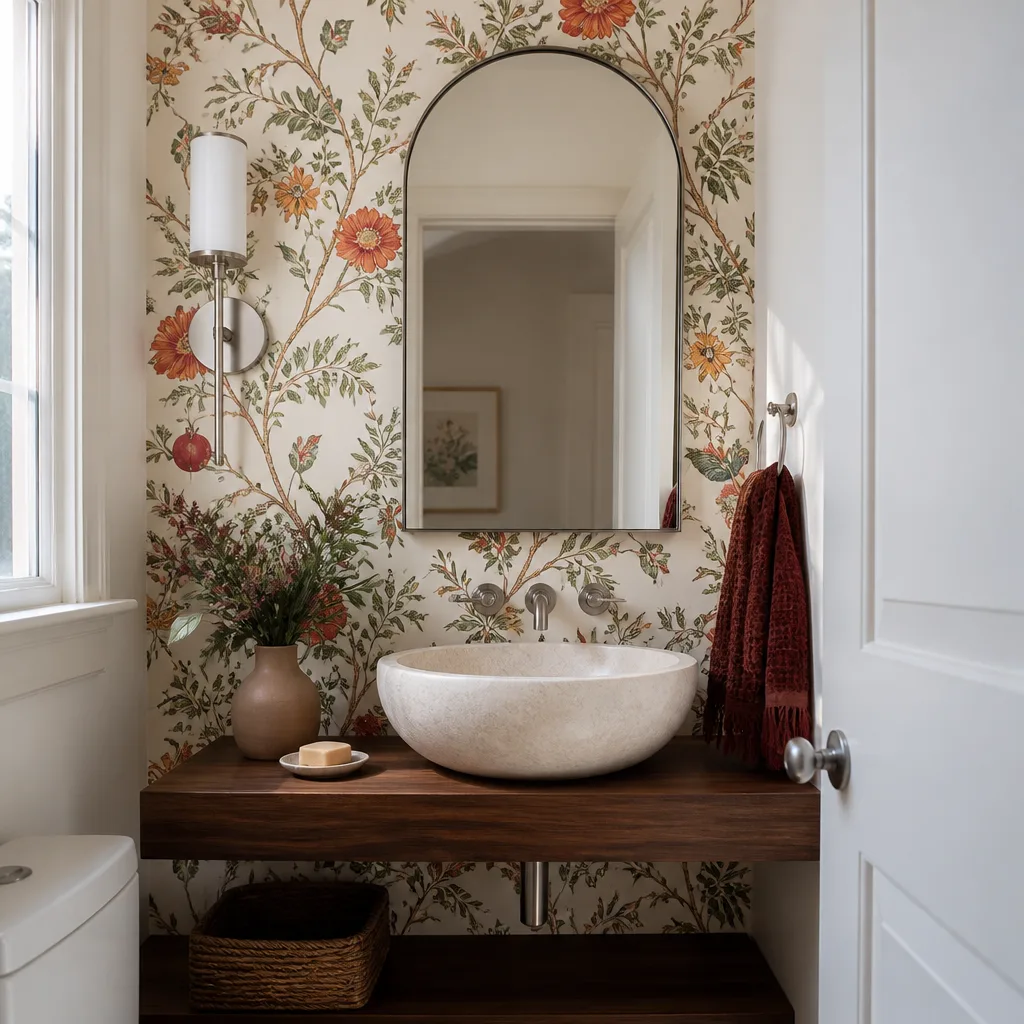
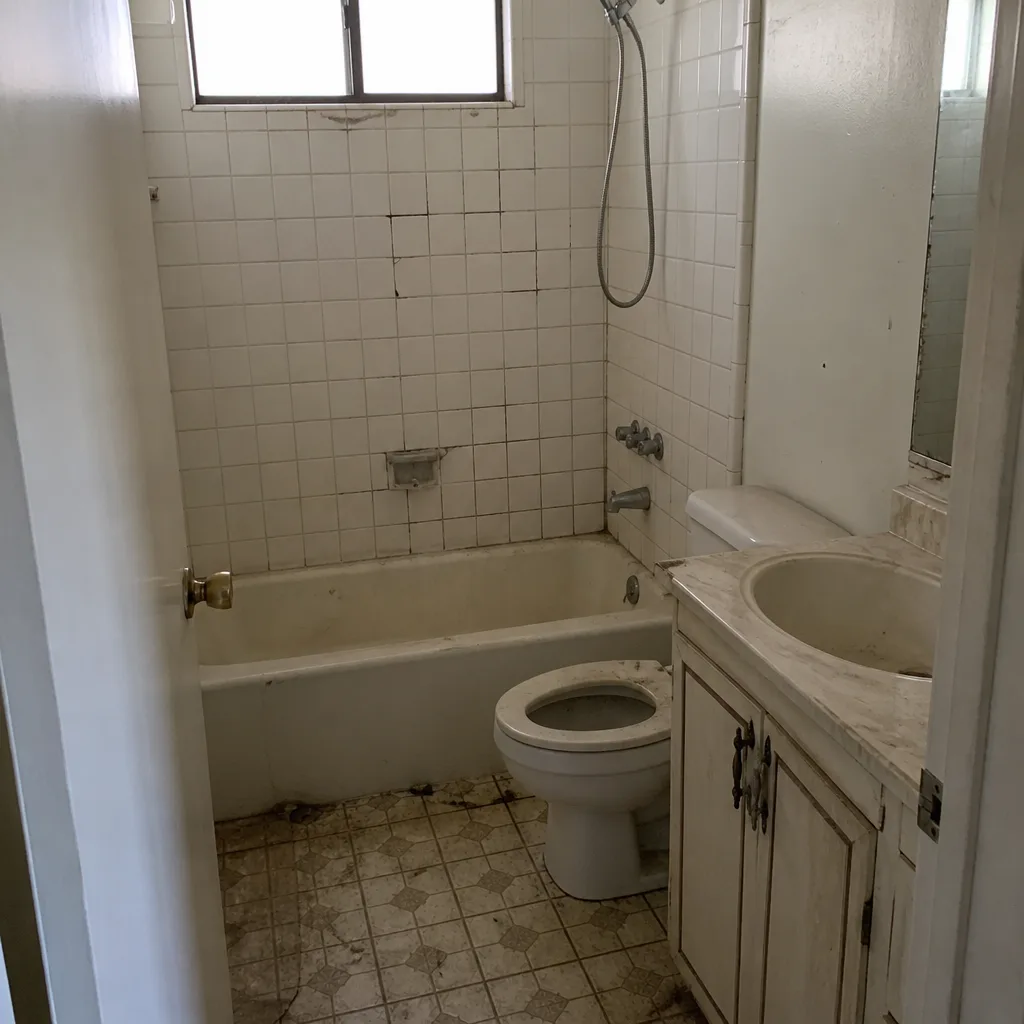
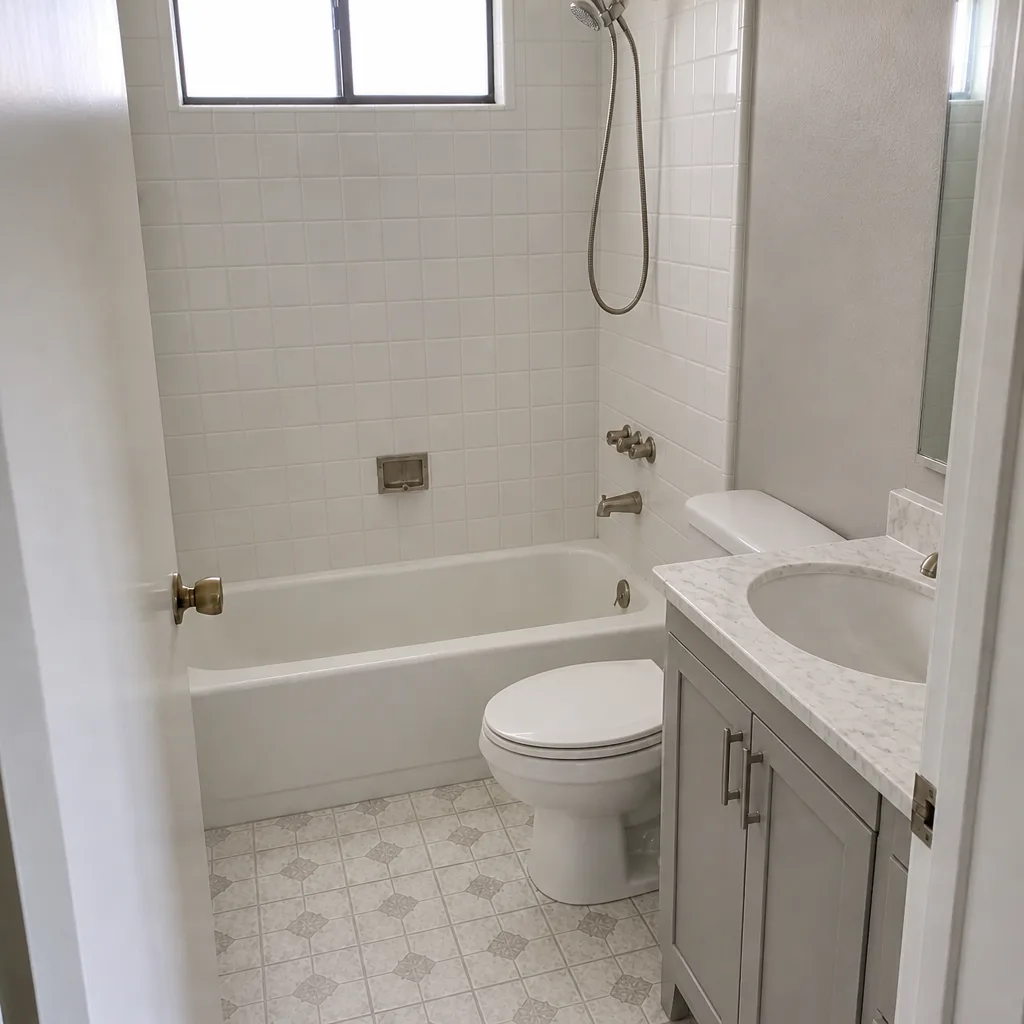
Bathrooms follow the same logic. A hall bath refresh with a new Kohler or Moen fixture set and tile runs meaningfully less than a primary suite that gets relocated drains and a walk-in shower. Below that, the substrate does the quiet work: the cement board layer behind your tile is what keeps moisture out of the wall, and a cheap substrate is why some showers fail in a year. We install it properly because that’s what the guarantee is standing on.
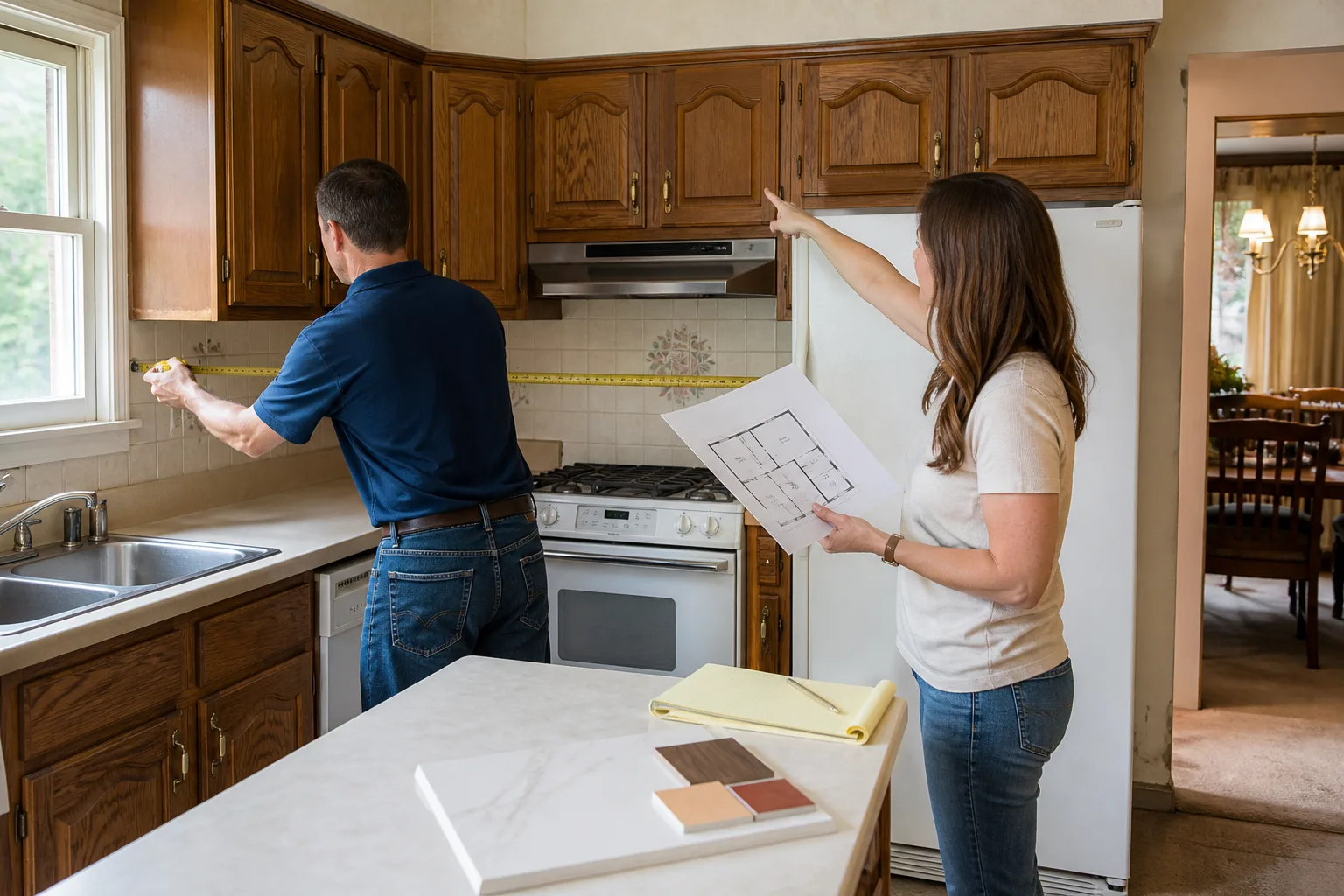
For either project, get the full walkthrough in writing – the bathroom remodeling in Santa Clarita page lays out how a quoted job moves from first measurement to final inspection.
See the difference
 Before
 After
 Before
 After
 Before
 After
Common Mistakes to Avoid
- Getting a city permit without checking the HOA. About 60% of Santa Clarita homes are in an association, and CC&Rs can stop work a permit won’t. Read your governing documents before you draw anything.
- Waiting for HOA sign-off to start the city permit. The two approvals run in parallel. Stacking them end to end doubles your wait.
- Assuming a flat-lot budget on a hillside property. Grading, soils reports, and retaining walls add scope in Canyon Country and Stevenson Ranch that flat-lot quotes never mention.
- Forgetting the fire department review. Additions near open space can need Los Angeles County Fire Department sign-off even when the permit is a city permit. Confirm by address.
- Accepting a verbal estimate. A verbal number is not a price, it’s a starting point someone else can change at the door. Always get it written before work starts.
- Choosing cheap tile substrate to save a little. The layer behind your tile is what protects the whole bathroom. Cutting it is the most common reason showers fail early.
- Skipping the written guarantee. Even great work needs a promise attached. If the guarantee isn’t on paper before the job starts, it doesn’t exist.
When to Call a Professional
Call a licensed contractor when a project touches structure, permits, or anything behind the wall. That includes any wall you want to move, any addition or ADU, any grading on a sloped lot, and any project that requires a city or fire department permit. It also covers the projects people underestimate: relocating a gas line, altering a load-bearing wall, or re-plumbing a bathroom. Those need a trained professional and a permit, not a weekend and a video. If you’re dealing with hillside grading, a project on a pad lot, or a plan that involves both HOA review and city review at once, the front-end planning is where the money and time are saved. Penhallow Remodeling Santa Clarita offers free estimates in Santa Clarita – call (866) 383-6693 to schedule yours. You’ll get a written price and a written guarantee before any work starts.
Frequently Asked Questions
Yes, in most cases. Roughly 60% of Santa Clarita homes are inside a homeowners association, and the HOA’s CC&R architectural review is a separate approval from the City of Santa Clarita building permit. You need both cleared before work starts. Call (866) 383-6693 and we can help you map both timelines for your address – the estimate is free.
Plan review commonly runs 4 to 10 weeks at the City of Santa Clarita, depending on scope. A simple bathroom remodel can clear faster, while an addition or ADU with grading and fire review takes longer. Total permit-to-final-inspection timelines run from a few weeks for a bathroom to six to ten months for an ADU. Call for an exact projection for your project.
Sometimes yes. If your Santa Clarita property sits near open space, hillside areas, or the wildland-urban interface, your addition may need Los Angeles County Fire Department review for access and fire-resistant construction, even when the building permit is a city permit. Check your specific address on the city permit portal, or call us and we’ll help you confirm.
Because sloped and pad lots require grading plans, soils reports, and often retaining walls that flat lots don’t. Moving soil on a hillside needs engineering review and its own permits. Those steps add both cost and time to an addition or ADU. Get a geotechnical opinion early so the number in your written price reflects the real slope conditions.
A properly written price shouldn’t move unless you approve a change in writing. The Kingswell Guarantee requires a written price before any work starts, so the number on day one is the number on the invoice for the agreed scope. If a legitimate change comes up, it gets priced and agreed in writing first. Call (866) 383-6693 for a free written estimate.
It’s a written guarantee that if the work fails inside the guarantee period, we come back and fix it at no charge, with the free return visit included. It’s included on every job in writing before work starts. That’s one reason the price and the guarantee are both on paper up front. Call for details on your specific project.
The Bottom Line
Construction in Santa Clarita rewards homeowners who map the checkpoints before the first tool comes out. Remember the big four: HOA review and city permits are two separate approvals that run in parallel, hillside and pad lots in Canyon Country and Stevenson Ranch add grading scope, the fire department has jurisdiction over certain addresses, and timelines are longer than statewide averages once local review speeds are factored in. Get your price and your guarantee in writing before work starts, and you’ll never be surprised mid-project. Start with a free estimate from a company that answers the phone and shows up in the window. Call (866) 383-6693 to schedule yours. Read more about our general contractor services in Santa Clarita or start from the Penhallow Remodeling Santa Clarita home page.
Written by the team at Penhallow Remodeling Santa Clarita.