Last updated November 18, 2026
Free written scope consultation - allowances, timeline, and change-order rules on paper before a single trade is scheduled
The Complete Bathroom Remodeling Guide for Santa Clarita Homeowners
Santa Clarita’s water hardness runs among the highest in Los Angeles County, above 400 mg/L in some service areas, and it will quietly destroy the wrong grout, etch the wrong fixture finish, and void certain manufacturer warranties within two years if nobody tells you before you pick materials. Most bathroom remodeling guides you’ll find online were written for a national audience that has never seen what our water does to a shower pan. This one is written for this zip code. You’ll learn how to scope the job in writing before you get bids, which material specifications actually survive here, when a Santa Clarita bathroom remodel triggers a permit, and how to spot allowance-based bids that finish 25% over the number you signed.
Quick Answer
A bathroom remodel in Santa Clarita typically costs $12,000 to $28,000 for a full gut renovation of a standard hall or primary bath, and runs $30,000 to $55,000 or more when you move plumbing, expand the footprint, or reconfigure a shower in an older Valencia or Newhall tract home. The biggest cost and timeline variables here are local water hardness (which dictates your grout and fixture specs), permit requirements tied to the age of your home’s plumbing, and HOA finish restrictions in master-planned communities. Get the price and the guarantee in writing before demo day, and you’ll avoid the two things that blow up most bathroom budgets: undiscovered substrate damage and allowance creep.
Styles & brands we work with
- Kitchen remodeling
- Bathroom remodeling
- Home additions & ADU
- Roofing
- Windows & doors
- Driveway & pavers
- Fence
Table of Contents
- How to Scope a Bathroom Remodel in Writing Before You Get Bids
- Santa Clarita Water Hardness and What It Does to Your Materials
- Permit Requirements for Bathroom Remodels in Santa Clarita
- The Substrate Conversation Most Contractors Skip
- Written Price vs. Allowance Traps: Why ‘Bids’ Finish 25% Over
- How Long a Bathroom Remodel Actually Takes in Santa Clarita
- HOA Finish Restrictions in Santa Clarita Master-Planned Communities
- Materials and Brands That Hold Up Here
How to Scope a Bathroom Remodel in Writing Before You Get Bids
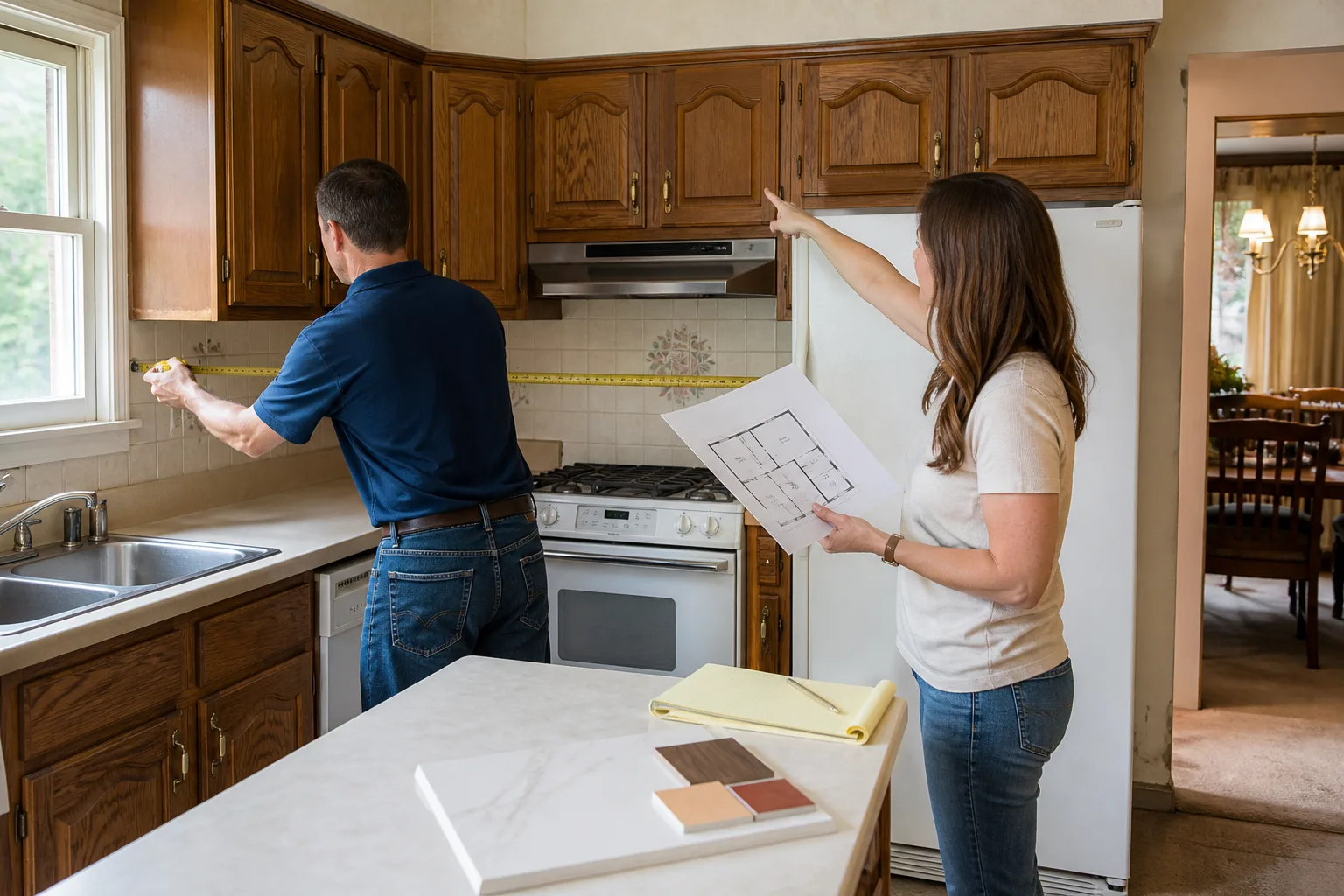
Scope creep is the reason two contractors can quote the same bathroom and land $9,000 apart. One bid includes a new exhaust fan, the other doesn’t. One prices a curbless shower, the other assumes a standard curb. Neither is dishonest; the bids simply describe different jobs. The fix is to write the scope yourself before anyone walks through the door.
Build a room-by-room line item list, and make sure every bidder prices against the same document:
- Demolition and haul-away. Specify what’s removed: tile, drywall, tub, vanity, toilet, and whether the dumpster fee is included.
- Plumbing rough-in. State whether fixtures stay in their current locations or move. Moving a drain line in a slab-on-grade home is a different job than moving it in a raised foundation.
- Electrical. List every outlet, switch, sconce, exhaust fan, and whether a GFCI is added. Bathroom circuits require GFCI protection, and that’s a code item, not an upgrade.
- Substrate and waterproofing. Name the method: cement board, foam board, or a liquid-applied membrane, and where it goes.
- Tile and setting materials. Square footage, tile type, grout type, and whether the shower floor and walls are priced separately.
- Fixtures and cabinetry. Brand and model, or a clearly stated allowance with the exact dollar figure and what happens if you exceed it.
- Paint, trim, and final cleanup. Easy to omit, expensive to add later.
Once you have that document, every bidder is pricing the same scope, and the numbers become comparable. This is the same principle behind the General Contractor in Santa Clarita approach: say the price before the work starts, and hold the number on day one to the number on the invoice. If a contractor won’t itemize in writing, that’s your answer about how the project will go.
Santa Clarita Water Hardness and What It Does to Your Materials
Here’s the part national remodeling guides never mention. Santa Clarita’s water is hard, and in some service areas it tests above 400 mg/L, which puts it among the hardest water in Los Angeles County. That number isn’t trivia. It changes which grout, tile, and fixture finishes you should put in a bathroom that’s expected to last fifteen years.
What hard water does, specifically:
- Cementitious grout fails early. Standard portland cement grout in a shower absorbs mineral-rich water, and the efflorescence (the white chalky bloom) and hairline cracking show up within two to three years. In our experience across Santa Clarita, epoxy grout or a high-performance urethane grout is the practical choice for any wet area.
- Polished chrome and some brushed finishes etch. Water spots that sit on chrome leave mineral deposits that pit the surface if they aren’t wiped down. Brushed nickel and certain PVD finishes resist this better. Kohler and Moen both publish finish-specific care guidance; ask about it before you buy.
- Glass shower doors spot and cloud. Uncoated glass in a hard-water home needs a squeegee after every shower. Factory-applied hydrophobic coatings help, but they aren’t a permanent barrier.
- Natural stone is higher maintenance. Marble and travertine in a Santa Clarita shower need annual sealing and still etch. Porcelain that mimics stone gives you the look without the chemistry problem.
None of this means a beautiful bathroom is off the table. It means the material spec should be chosen for the water that will actually run through it. If you want a bathroom that survives twenty years of Santa Clarita water without a re-grout, that decision happens at material selection, not after the first failure.
Permit Requirements for Bathroom Remodels in Santa Clarita
Permit rules confuse a lot of homeowners because the answer depends on what you’re changing, not how big the project feels. A cosmetic refresh and a plumbing reconfiguration are treated very differently, and getting this wrong can cost you at resale.
When you generally do not need a permit for a Santa Clarita bathroom remodel:
- Replacing a vanity, toilet, or light fixture in the same location with the same connections.
- Retiling existing walls and floors where no substrate or framing changes.
- Cosmetic work: paint, trim, mirrors, and cabinetry that isn’t load-bearing or relocating plumbing.
When a Santa Clarita bathroom remodel typically does trigger a permit:
- Moving or adding plumbing supply or drain lines (a relocated toilet, a new shower valve, an added sink).
- Reconfiguring a shower footprint or converting a tub to a shower, because the drain relocation and waterproofing are inspected items.
- Any structural change: removing or adding a wall, widening a doorway, or altering framing.
- Adding or relocating electrical circuits, including a new exhaust fan on a new circuit.
The resale angle matters more than the inspection fee. An unpermitted bathroom remodel in Santa Clarita can surface during a buyer’s inspection, show up in a title search, or block a loan. You can end up paying to open the walls you just closed so an inspector can see the work, or negotiating the price down because a buyer won’t touch an unpermitted shower. Pull the permit and pass the inspection; it’s the cheapest insurance in the project.
The Substrate Conversation Most Contractors Skip
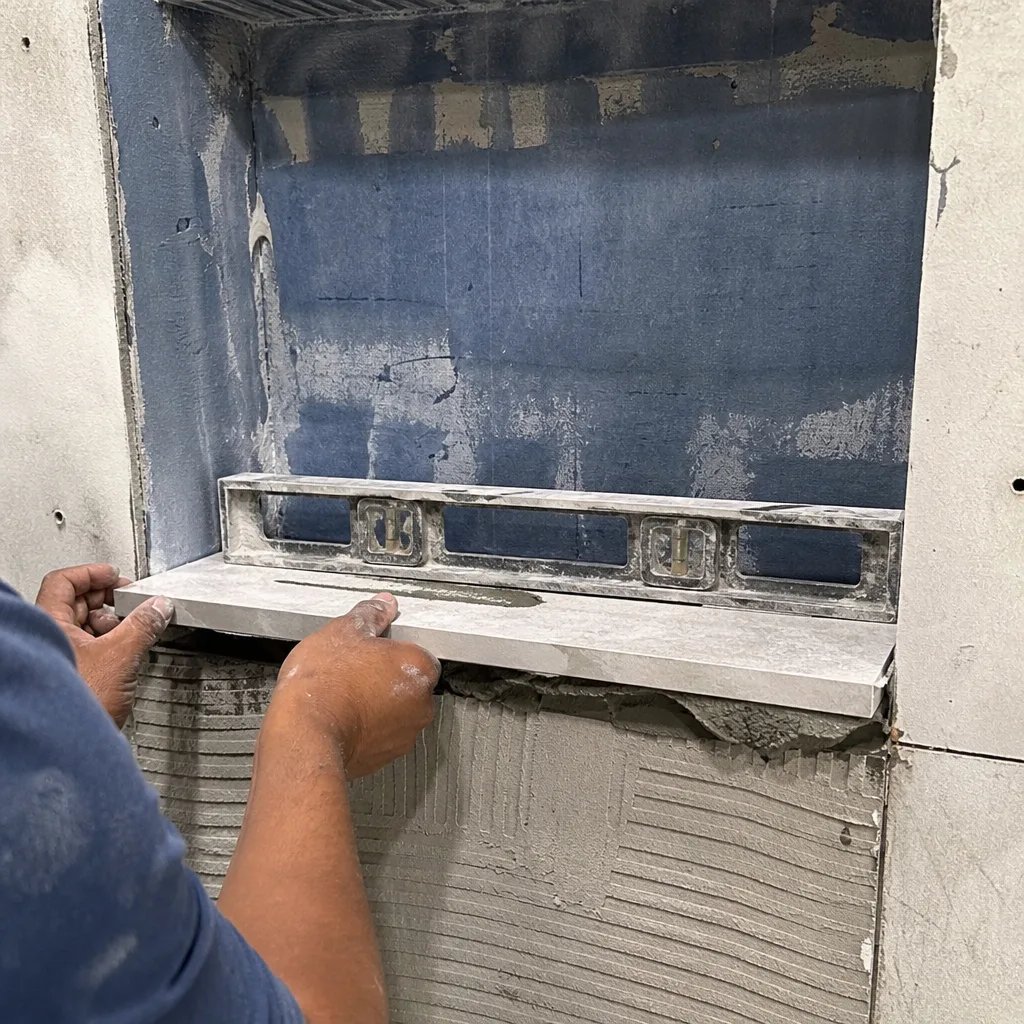
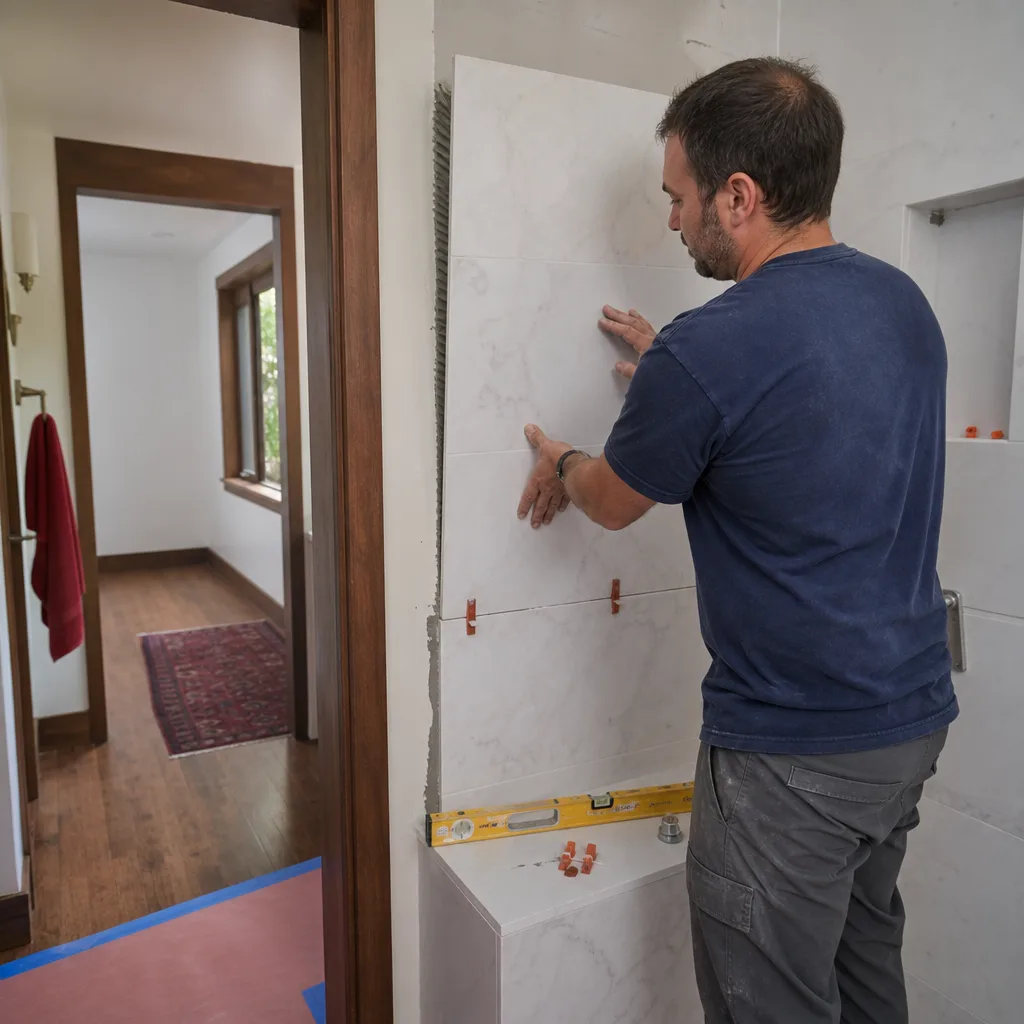
Substrate is the trade word for the layer underneath your tile. In a bathroom it’s the difference between a shower that lasts twenty years and one that leaks into the ceiling below in three. It’s also the line item most bids don’t mention, which is exactly why budgets blow up on demo day.
In Santa Clarita’s older tract homes, especially the mid-century and 1970s builds in Newhall and parts of Saugus, we regularly find two things behind the tile: greenboard drywall where cement board should be, and mastic (an organic adhesive) rather than thinset mortar. Greenboard isn’t waterproof, and mastic re-emulsifies when it gets wet. Both fail. When a shower has been leaking slowly for years, the framing behind it can be soft, and that’s a repair nobody priced.
Here’s how to ask the question before demo starts:
- Ask what substrate the bid specifies behind the tile, by name, in the wet areas and on the floor.
- Ask whether the bid includes a waterproofing membrane over the substrate, and which one.
- Ask what happens to the price if the framing behind the tile turns out to be damaged. A good answer is a written rate per linear foot for framing repair, stated up front, not a surprise change order after demo.
- Ask how the shower pan is built and inspected. A pre-sloped pan with a proper liner or a bonded membrane is the standard; a flat pan with a drain dropped through it is a leak waiting to happen.
Cement board and a waterproofing membrane (the moisture-resistant layers behind your tile) are the baseline. A written price should name them. If your bid doesn’t, you’ve found the gap that will cost you later.
Written Price vs. Allowance Traps: Why ‘Bids’ Finish 25% Over
An allowance is a placeholder number in a bid: “Tile allowance: $1,800.” It looks like a price. It isn’t one. It’s a guess at what you might spend, and the moment you pick a tile you actually like, the true cost lands on top of the bid. Across bathroom projects in Santa Clarita, we routinely see allowance-based bids finish 20% to 30% over the stated number, and the homeowner is the one holding the difference.
A fixed written price should include, at minimum:
- Named materials with model numbers for fixtures, cabinetry, and tile, or a stated allowance with the exact overage rate spelled out in writing.
- Labor for the full scope, including substrate, waterproofing, and the framing repair rate if hidden damage turns up.
- Permit fees and inspection costs, stated as included or excluded.
- Dumpster and haul-away, which is easy to leave out and annoying to find on the invoice.
- A written guarantee, with the term and what it covers, in the contract.
This is why Penhallow Remodeling hands every homeowner a written price before any work starts. Not a range, not a verbal ballpark: a written number you can hold us to. And it’s paired with the 365-Day Done Right Promise: if the work fails inside the guarantee period, we come back and fix it at no charge. Both are in writing on every project. If you’re still choosing a contractor, the kitchen remodeling in Santa Clarita page covers the same pricing standard applied to kitchens, and it’s worth a read if you’re planning more than one room.
How Long a Bathroom Remodel Actually Takes in Santa Clarita
A straightforward hall bath in Santa Clarita usually takes three to five weeks from demo to final walkthrough. A primary bath with moved plumbing, a converted shower, and new cabinetry runs six to ten weeks. Those windows are real; they assume materials are ordered and on site before demo, and that no hidden damage turns up behind the tile.
The timeline breaks down roughly like this:
- Demo and haul-away: 1 to 3 days. Longer if the tile was set on wire lath and mortar bed, which is common in older homes.
- Rough-in (plumbing and electrical): 2 to 4 days, plus the inspection window if a permit is pulled.
- Substrate and waterproofing: 1 to 2 days, plus cure time for membranes.
- Tile: 3 to 6 days, longer for a mosaic or a complex pattern.
- Cabinetry, countertop, and fixtures: 3 to 5 days. Countertop fabrication alone can take a week, which is why it should be ordered before demo.
- Paint, trim, and punch list: 2 to 3 days.
The single biggest timeline killer is ordering materials after demo. A vanity that arrives five weeks late holds the whole room. A written schedule should show when selections are due, and it should include a defined arrival window for each crew. If your contractor can’t tell you who’s coming and when, ask why.
HOA Finish Restrictions in Santa Clarita Master-Planned Communities
If your home sits in one of Santa Clarita’s master-planned communities, the HOA can have a say in your remodel, and exterior-visible choices often have rules. This catches people in Stevenson Ranch, Valencia, and parts of Canyon Country, where architectural review is common. Bathrooms are interior, so the rules are lighter than they’d be for a roof or a fence, but they aren’t zero.
What HOAs commonly restrict:
- Window and door replacements in a bathroom that face the street, where the visible glass or frame color has to match a community palette.
- Exterior venting for a new exhaust fan, if the vent terminates on a street-facing wall or changes the exterior appearance.
- Skylight additions or roof penetrations, which usually require architectural review approval.
- Construction hours and noise windows, which affect scheduling and can stretch a timeline.
Before demo, read your CC&Rs (the recorded community rules) for architectural review language, and submit any required application early. A little paperwork up front keeps a good bathroom remodel from getting stopped mid-project. It also keeps your written schedule honest, since HOA review windows need to be built in.
Materials and Brands That Hold Up Here
Material selection in Santa Clarita is really a spec question, and the right answer depends on where the material lives. In a wet area, hardness resistance and waterproofing matter most. In a vanity, it’s about the surface and how it holds up to daily use.
What we specify and why:
- Cabinetry: KraftMaid and Wellborn both make solid mid-line bath cabinetry with finish options that hold up in a humid room. A wood-look or thermofoil finish resists moisture better than a painted finish that can chip at the edges.
- Countertops: Cambria quartz, Silestone, and Caesarstone are all non-porous engineered surfaces, so hard water spots wipe clean without etching. Cambria carries its own lifetime warranty alongside ours, so you’re protected on two layers.
- Fixtures: Kohler, Moen, Toto, Grohe, Delta, and Blanco all publish finish-specific care guidance; ask about the finish before you commit, because not every finish handles hard water the same way.
- Tile: Porcelain over natural stone in the shower. Porcelain is dense enough that hard water deposits clean off, and it doesn’t need annual sealing.
- Grout: Epoxy or high-performance urethane in every wet area. Standard cement grout will fail early here. This is the single most consequential material choice in a Santa Clarita bathroom.
Each of these products sits behind a written guarantee. Materials sourced from known trade brands are part of that standard: the products behind the promise are as solid as the promise itself. If you’re planning a whole home remodel around the bathroom, the Penhallow Remodeling Santa Clarita home page lays out how the standards apply across a project.
Common Mistakes to Avoid
- Choosing grout last. Cement grout in a Santa Clarita shower fails within a couple of years. Choose epoxy or urethane before you pick tile, not after.
- Ordering materials after demo. A late vanity or countertop holds the whole room. Order before demo, and confirm lead times in writing.
- Skipping the permit to save the fee. An unpermitted bathroom remodel can surface at inspection or resale in Santa Clarita and cost far more than the permit ever did.
- Assuming your substrate is fine. Greenboard and mastic behind older tile in Newhall and Saugus tract homes fail. Ask about substrate by name before demo.
- Comparing allowance bids to fixed bids. They aren’t the same number. A $16,000 allowance bid can finish at $20,000 once selections land. Compare written prices that name the materials.
- Ignoring HOA architectural review. In Stevenson Ranch and Valencia, exterior-visible changes often need approval. Submit the application before the schedule is set, not after.
- Not asking about the repair rate for hidden damage. Framing behind a leaking shower can be soft. A written per-foot repair rate keeps the final invoice honest.
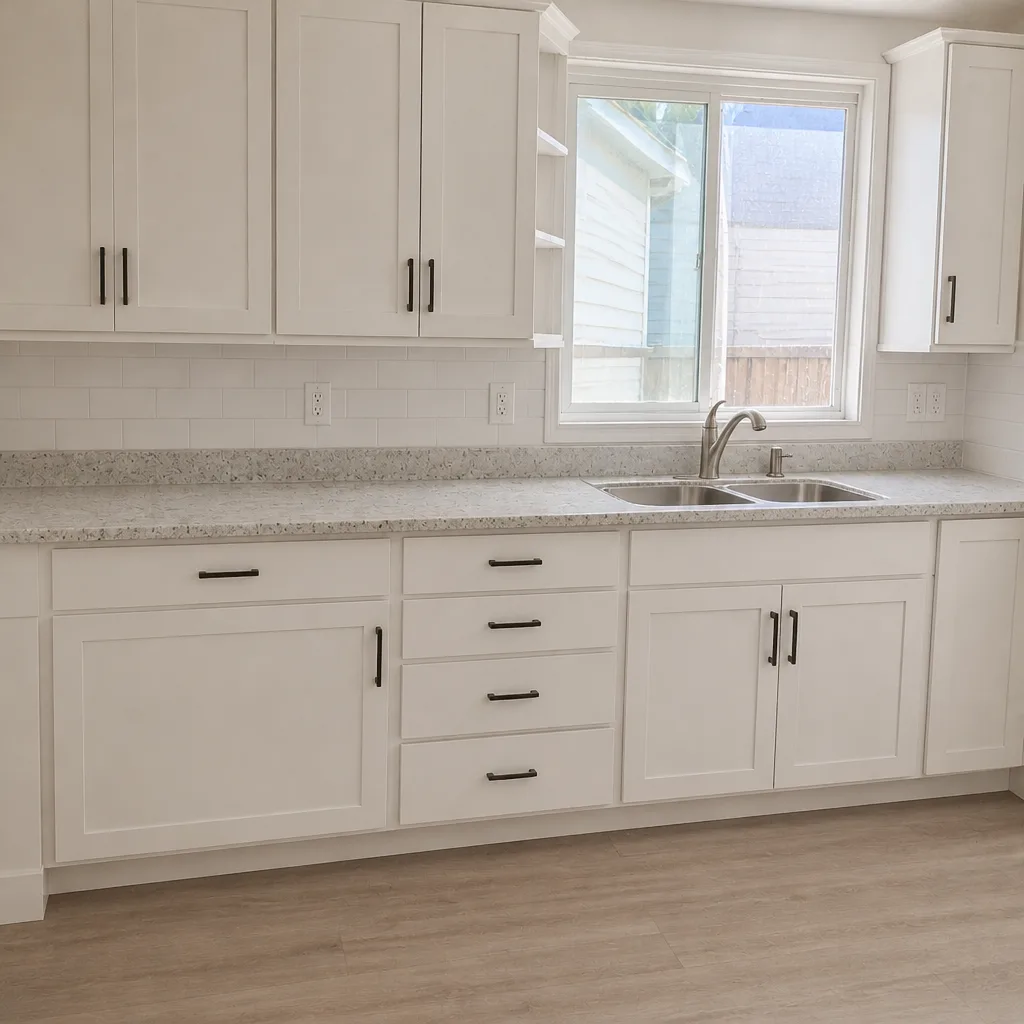
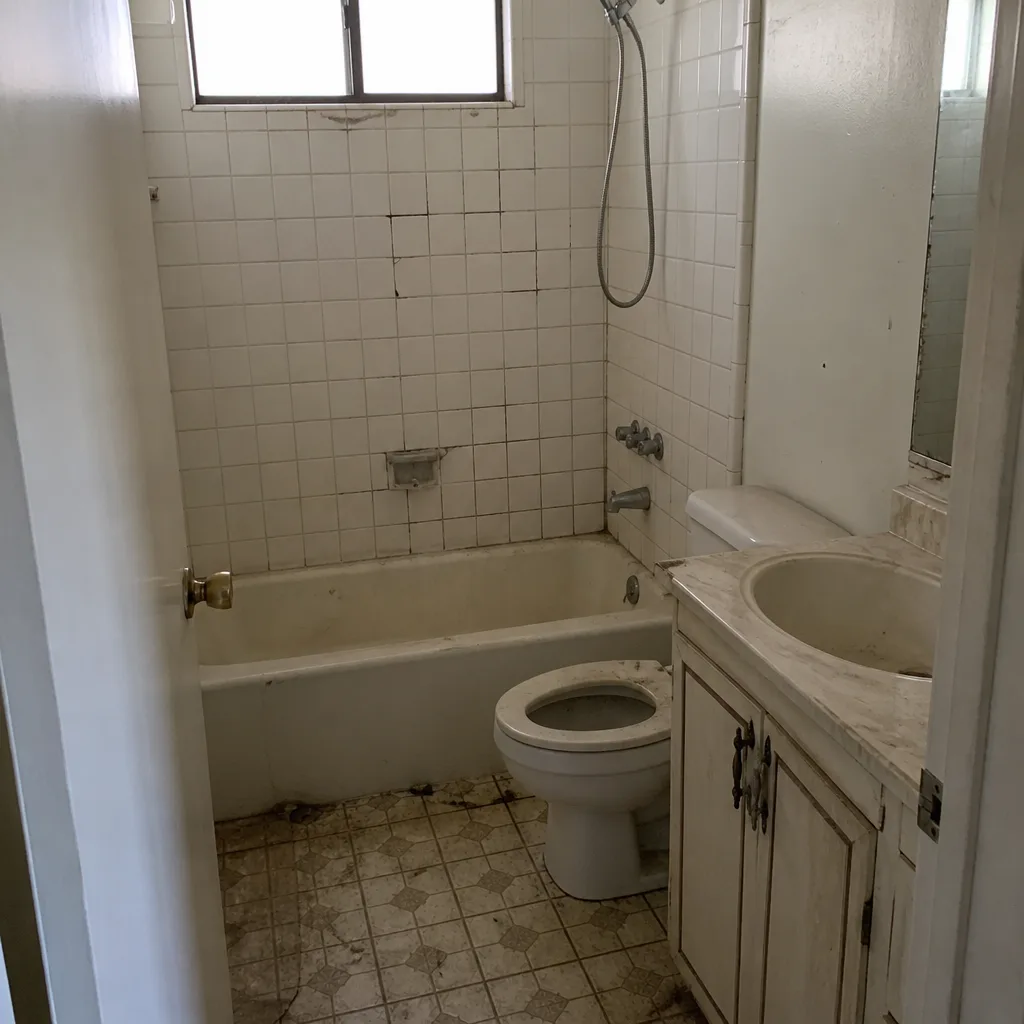
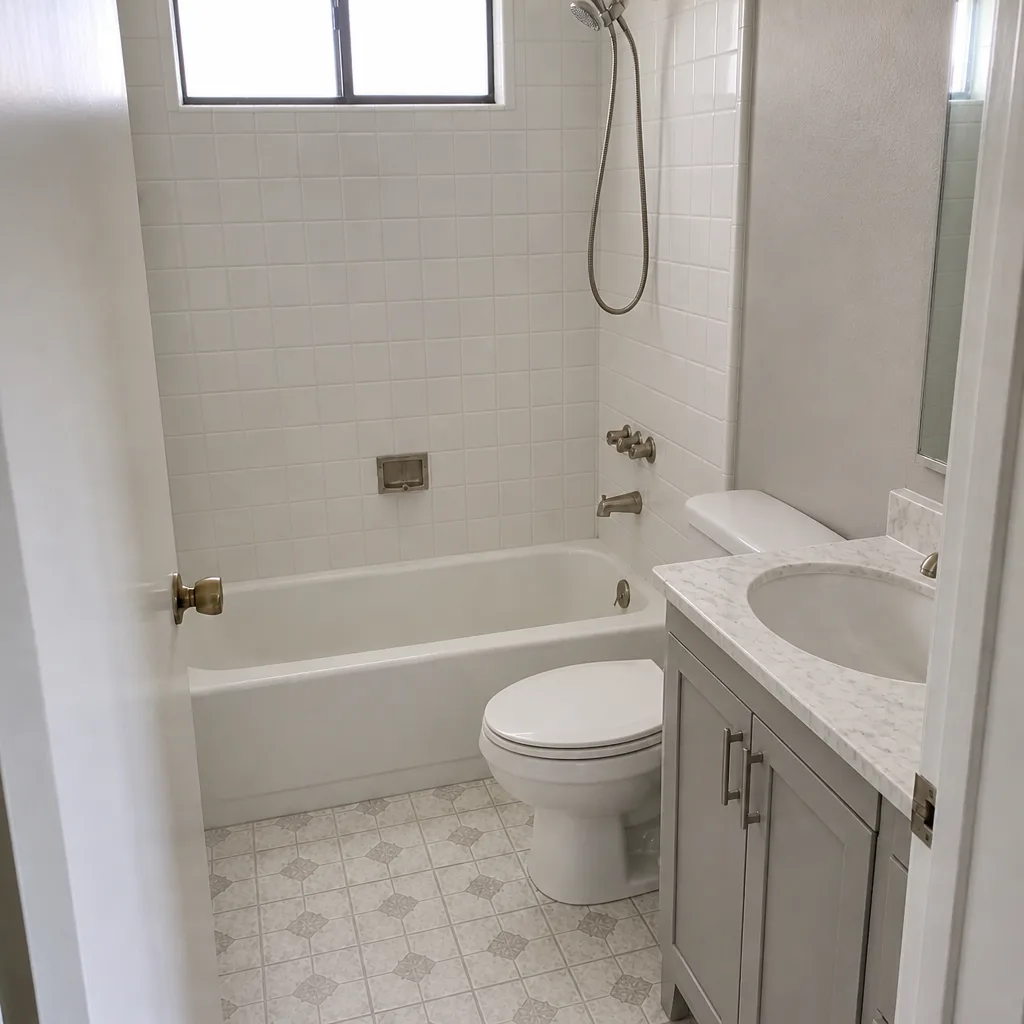
See the difference
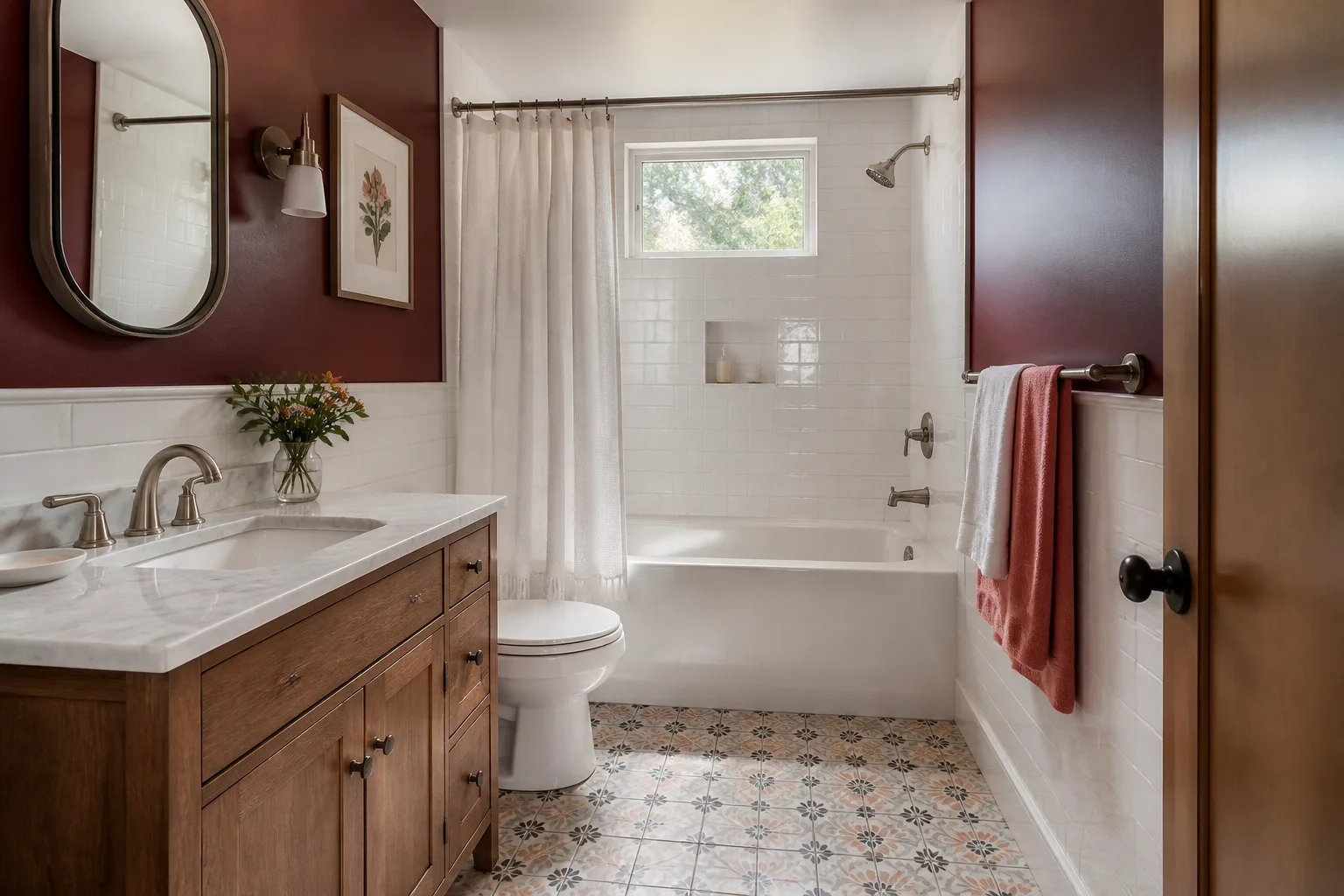
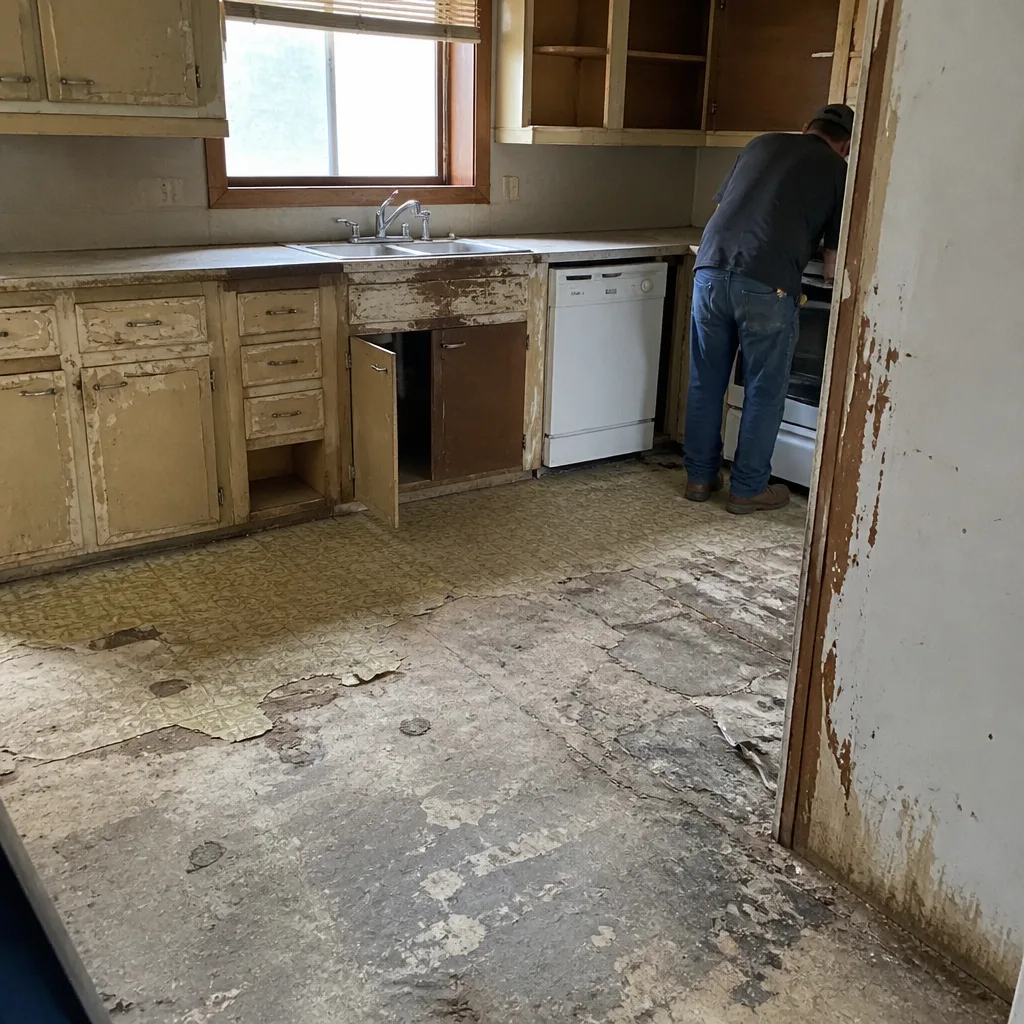 Before
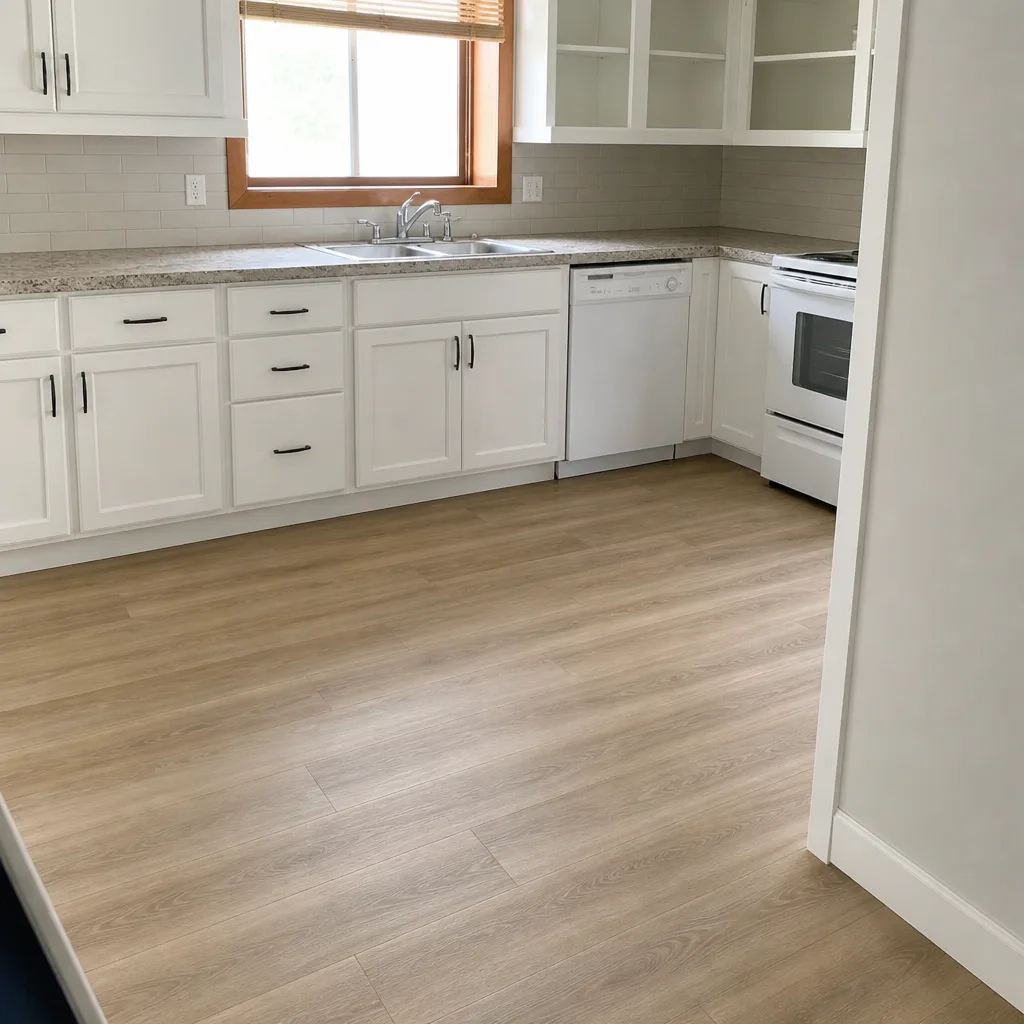 After
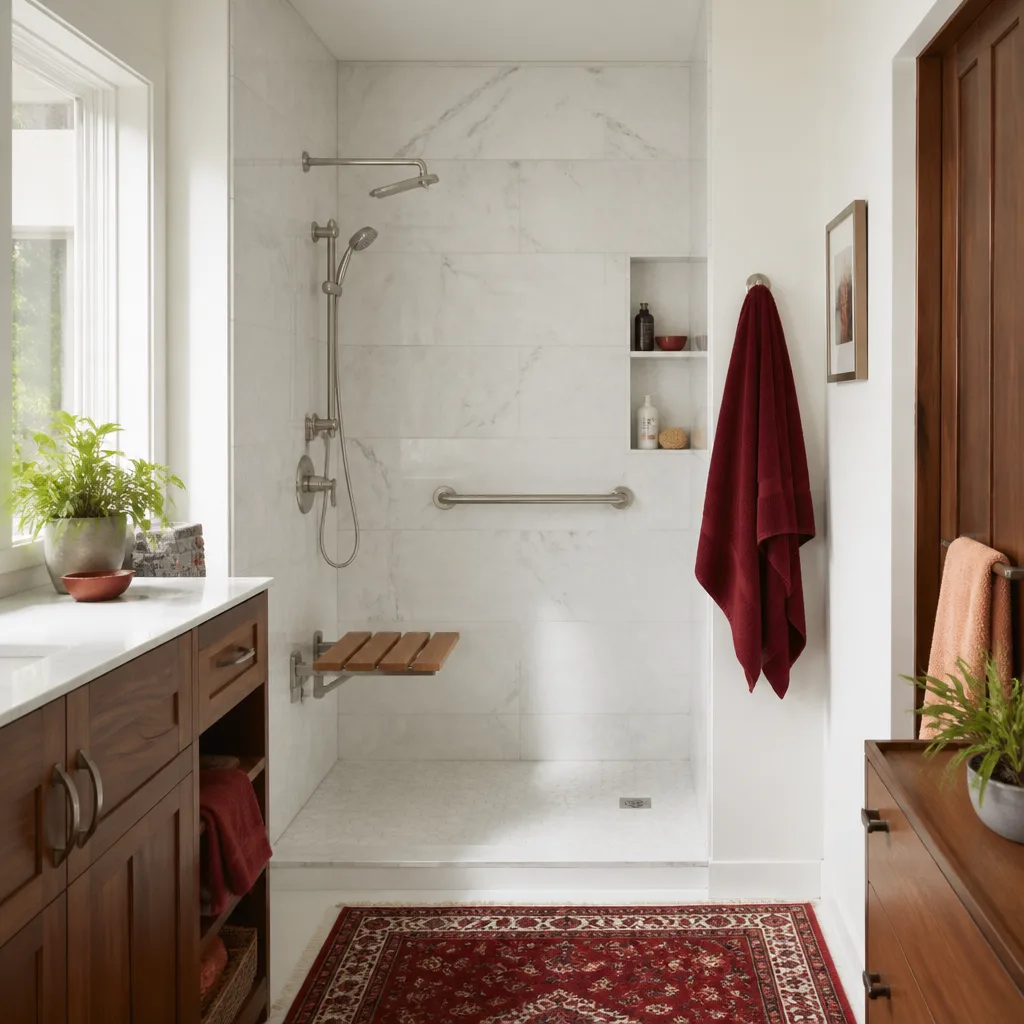
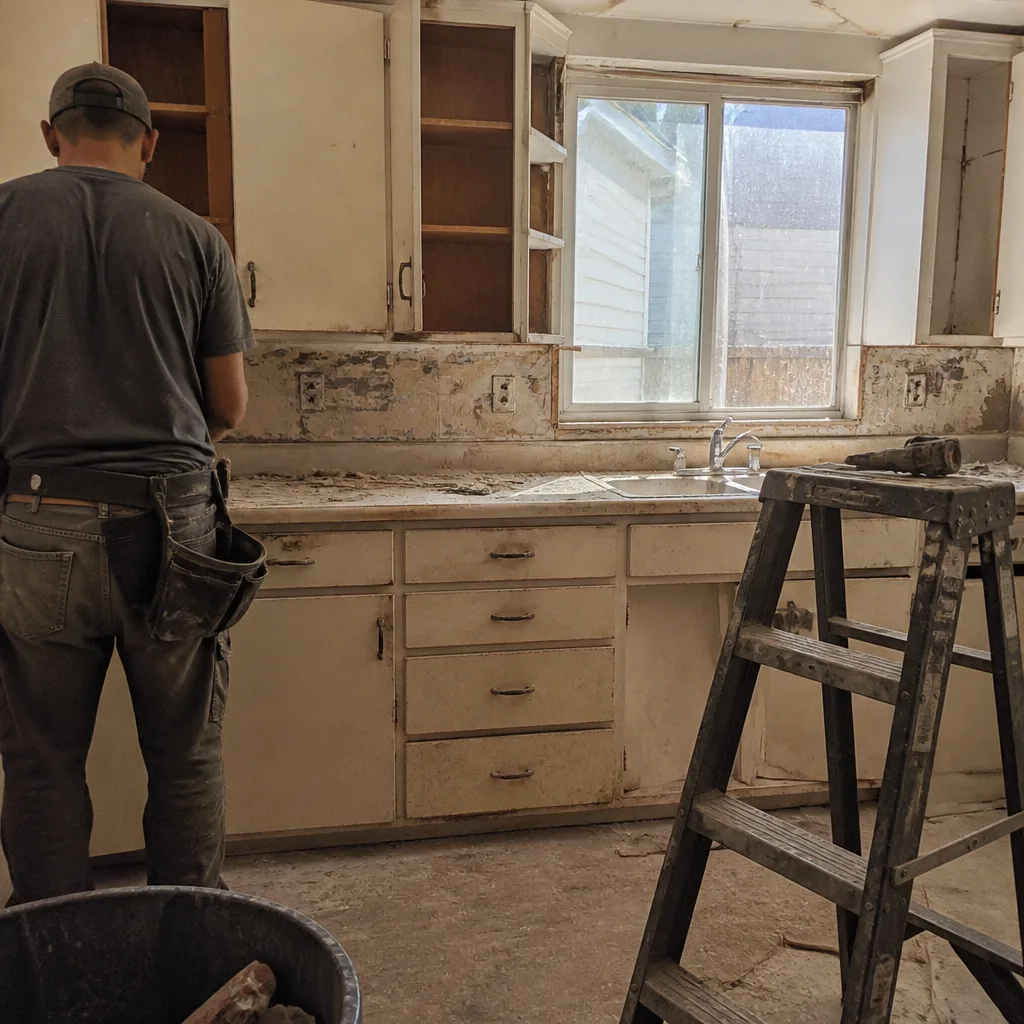 Before
 After
 Before
 After
When to Call a Professional
Call a professional when the work involves moving plumbing or electrical, reconfiguring a shower, or repairing framing behind a wall. Those are permit and inspection items, and they’re also where a weekend DIY project can turn into water damage in the room below. Call a professional when a shower has been leaking slowly: rot behind the tile is common and doesn’t announce itself. Call one when you’re in a community with architectural review, and when you want a fixed price instead of an allowance you’ll exceed.
Penhallow Remodeling Santa Clarita offers free estimates in Santa Clarita. Our technicians have up to 22 years of experience, they arrive background-checked and in uniform, and a live person answers the phone any hour of the day. You get a written price before any work starts, and a written guarantee on every job. Call (866) 383-6693 to schedule your free estimate.
Frequently Asked Questions
A full bathroom remodel in Santa Clarita typically costs $12,000 to $28,000 for a standard hall or primary bath, and $30,000 to $55,000 or more when you move plumbing, enlarge the footprint, or reconfigure a shower. Material selection, the condition of the substrate behind your tile, and whether a permit is required are the three factors that move the number most. Call (866) 383-6693 for a written, itemized price for your specific bathroom; estimates are free.
You need a permit when the project moves plumbing or electrical, reconfigures a shower, or changes structural framing. Purely cosmetic work like retiling existing walls, replacing a vanity in place, or painting generally does not require one. When in doubt, call the city and ask; pulling the permit is cheaper than discovering an unpermitted remodel during a sale. Call (866) 383-6693 and we’ll walk you through what your specific project triggers.
Yes. Santa Clarita’s water runs among the highest in Los Angeles County, above 400 mg/L in some areas, and that dissolves standard cement grout and etches some fixture finishes within a couple of years. The practical fix is epoxy or high-performance urethane grout in wet areas, engineered quartz countertops, and tile that doesn’t need sealing. Call (866) 383-6693 for a free estimate that specifies materials for the water your bathroom actually runs.
It shouldn’t. Penhallow Remodeling gives every homeowner a written price before any work starts, so the number on day one is the number on the invoice. The one honest exception is hidden damage behind the tile, and a good written quote states the repair rate up front so there’s no surprise. If a bid you’re holding uses allowances instead of a fixed number, expect it to land 20% to 30% higher. Call (866) 383-6693 for a fixed written price.
A hall bath usually takes three to five weeks, and a primary bath with moved plumbing runs six to ten. The biggest schedule risk is ordering materials after demo, so selections should be locked and orders placed before the first wall comes down. A written schedule should also include a defined arrival window for each crew. Call (866) 383-6693 to schedule your free estimate and get a real timeline for your project.
In older Santa Clarita tract homes, it’s often greenboard drywall and mastic adhesive instead of cement board and thinset mortar, and both fail when they get wet. The substrate is the moisture-resistant layer behind your tile; if it’s wrong, the shower leaks and the framing softens. Ask any contractor to name the substrate and waterproofing in writing before demo starts. Call (866) 383-6693 for a free estimate that includes that conversation up front.
The Bottom Line
A great bathroom remodel in Santa Clarita comes down to three local decisions and one written document. The decisions: pick grout and fixtures for hard water, confirm whether your specific project needs a permit, and check your HOA rules before the schedule is set. The document is the scope and the price, itemized in writing, with the guarantee attached. Do those four things and you’ll avoid the two failure modes that ruin bathroom budgets: substrate damage nobody priced and allowance creep nobody saw coming. You’ll also know who’s walking into your home, what they’ll do, and what it costs before a single tile comes up.
Penhallow Remodeling Santa Clarita offers free estimates in Santa Clarita. Our technicians have up to 22 years of experience, we’re part of the Kingswell family of companies, and every job comes with a written price up front and the 365-Day Done Right Promise in writing. Call (866) 383-6693 to schedule your free estimate, or read more about bathroom remodeling in Santa Clarita first. Either way, you’ll have the number before the work starts.
Written by the team at Penhallow Remodeling Santa Clarita.