Last updated November 18, 2026



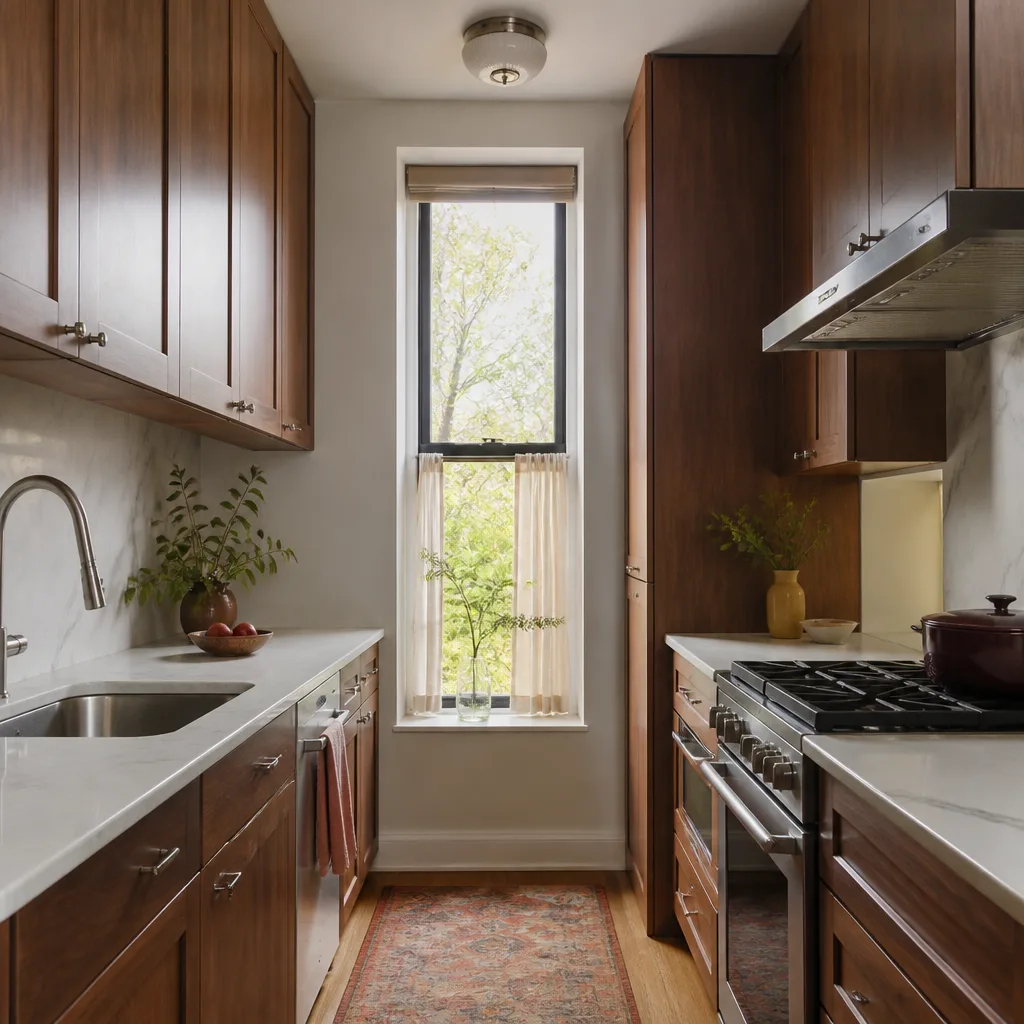
Free written scope consultation - allowances, timeline, and change-order rules on paper before a single trade is scheduled
Home Remodeling Warning Signs Every Homeowner Should Know
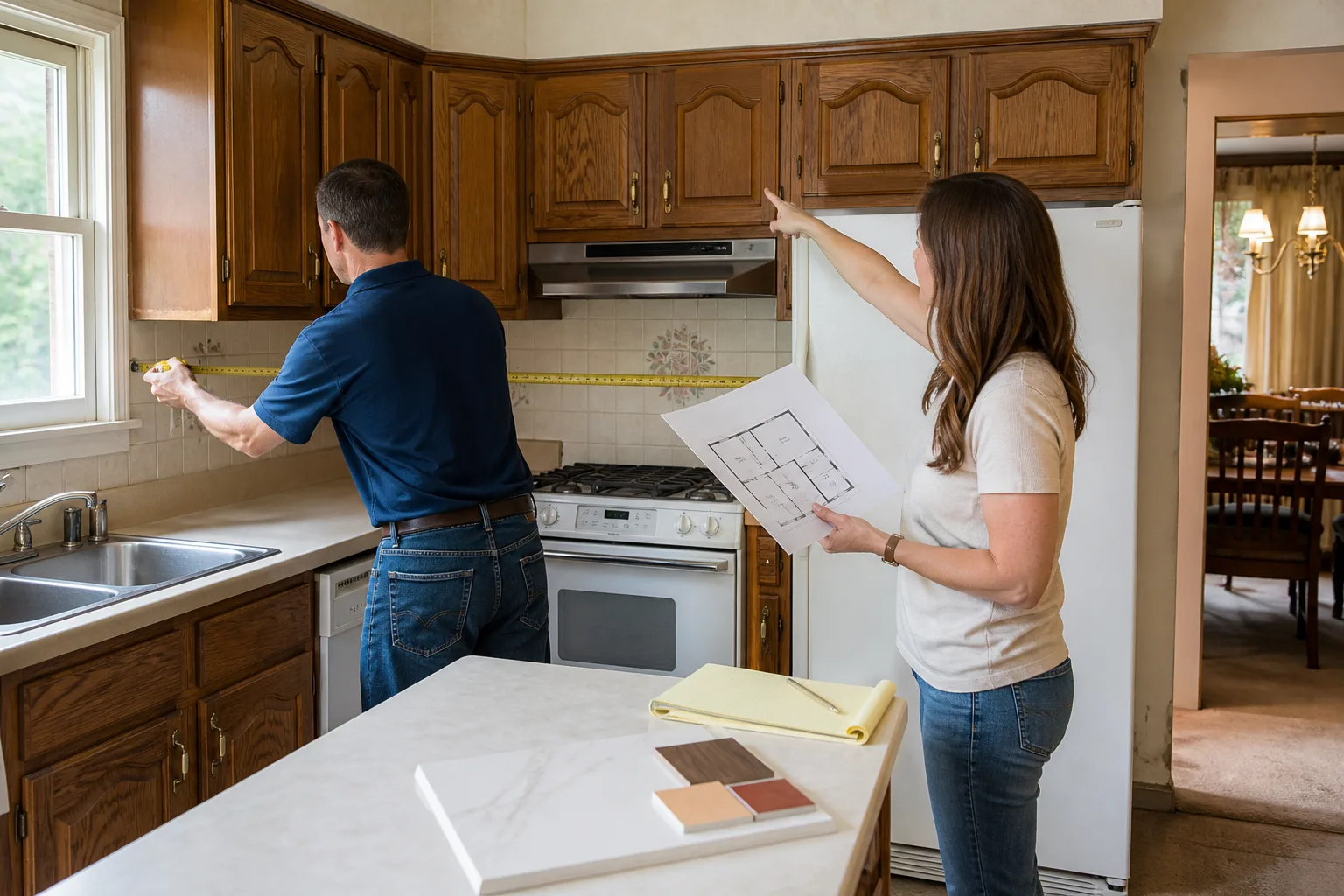
By the time a remodel is visibly wrong – cracked tile, uneven cabinets, a shower that leaks into the hallway – the actual mistake was made weeks earlier, in a conversation where nothing was written down. We’ve walked into plenty of Santa Clarita homes to price a fix for someone else’s work, and the damage almost always traces back to the first 72 hours: a verbal number, a vague start date, a handshake where a document should have been. The dramatic failures get the attention. The quiet paperwork failures cause them. This guide covers the process red flags that predict a project going sideways, the mid-job signals that confirm it, and the exact questions to ask before you sign anything in Santa Clarita.
Quick Answer
The biggest home remodeling warning signs are procedural, not visual: a contractor who won’t put the price in writing, won’t define a start date and arrival window, avoids pulling permits, and has no written change-order process. Those four behaviors in the first week reliably predict cost overruns, stalled schedules, and disputes later. Workmanship problems you can see are usually the second symptom, not the first.
Styles & brands we work with
- Kitchen remodeling
- Bathroom remodeling
- Home additions & ADU
- Roofing
- Windows & doors
- Driveway & pavers
- Fence
Table of Contents
- The Four Red Flags That Appear Before Any Work Starts
- What a Scope-of-Work Document Should Contain
- Mid-Project Warning Signs: Absences, Wrong Materials, Early Cash Draws
- Why Permit Reluctance Is a Deal-Breaker
- Unlicensed Contractors in Santa Clarita and Unincorporated LA County
- Three Questions That Expose a Contractor’s Real Process
- The Paper Trail: What Written Agreements Actually Protect You
- Common Mistakes to Avoid
- When to Call a Professional
- Frequently Asked Questions
The Four Red Flags That Appear Before Any Work Starts
Most homeowners evaluate a contractor on price and personality. The better filter is process. These four behaviors show up in the first conversation or the first week, and each one tells you exactly how a dispute will be handled six months from now.
- Verbal-only pricing. A number spoken at the kitchen table and never written down is not a price. It’s an opening position. Ask for a written, line-item number and watch what happens. Contractors who run a real process hand it over without friction. Contractors who don’t will stall, promise to “get it to you,” or explain that writing it up takes time.
- No written change-order process. Every remodel hits a surprise – a rotted subfloor under the tile, a wall that isn’t where the drawings said. That’s normal. What matters is whether the contractor has a form and a signature for it, or whether the new cost arrives verbally on a Friday afternoon. Verbal change orders are where a $32,000 kitchen becomes a $47,000 kitchen.
- Vague start dates. “Sometime in the next few weeks” is not a schedule. A real commitment looks like a specific start date plus a defined arrival window on the first morning. The Kingswell Way puts it plainly: say the price before the work, show up in the window we gave you, leave the place cleaner than we found it.
- Reluctance to pull permits. A contractor who suggests skipping the permit to “save time” is telling you they’d rather manage risk on your behalf than follow a process. That instinct doesn’t improve once the walls are open.
None of these are workmanship complaints. They’re agreement complaints, and they’re the ones that matter in week one. If you’re already comparing bids and want a baseline for what a written, line-item estimate should look like, our General Contractor in Santa Clarita page walks through the process step by step.
What a Scope-of-Work Document Should Contain
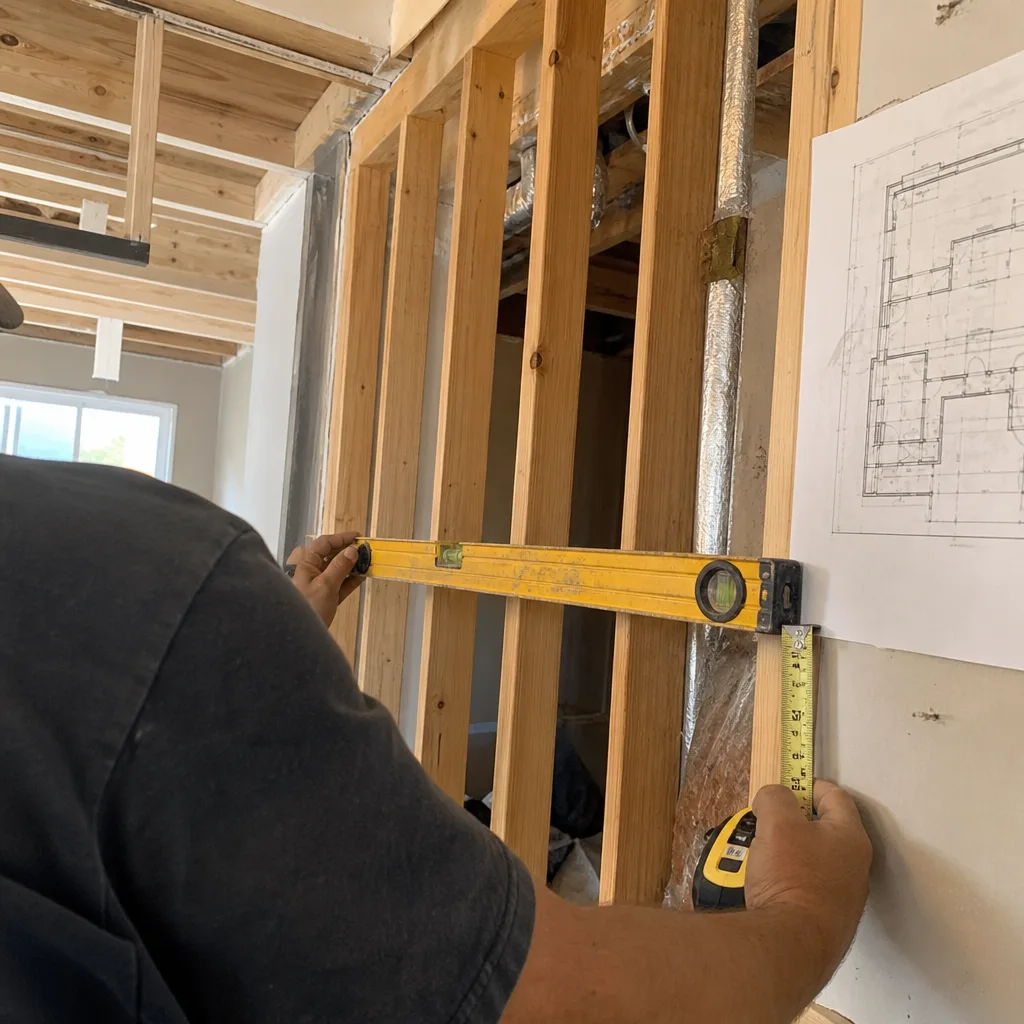
The scope of work is the document that decides who pays when something is unclear. Its absence, or its thinness, is a preview of how every disagreement will be settled: with whoever argues harder. A usable scope of work in Santa Clarita should name specifics, not categories.
- Room-by-room line items – not “bathroom remodel, $24,000” but demolition, rough plumbing, cement board substrate (the moisture-resistant layer behind your tile), tile setting, fixture install, and paint as separate lines with separate prices.
- Named materials and model numbers – the exact cabinet line, the exact countertop slab or brand, the fixture model. “Quartz countertops” is a category. Cambria or Silestone with a color name is a commitment.
- Explicit exclusions – what’s not included. This sounds like a downside; it’s a protection. A contractor who won’t write exclusions is one who intends to bill for them separately.
- Subcontractor plan – who pulls the electrical permit, who does the drywall, whether those trades are vetted. Ask the question directly.
- Change-order procedure – the form, the signature requirement, and the rule that no added work starts before it’s signed.
- Payment schedule tied to completed phases – draws released on milestones, never on promises.
If the scope of work is one page with three bullet points, you’ve learned something useful before signing. The dispute you’ll have in month three is already set up in that document. A written scope, a written price, and a written guarantee are the three layers that keep a project stable, and that’s the standard our Kitchen Remodeling in Santa Clarita projects run on from the first walkthrough.
Mid-Project Warning Signs: Absences, Wrong Materials, Early Cash Draws
Once work starts, the warning signs shift from paperwork to pattern. A single absence is life – someone’s truck breaks down. A pattern of absences with no explanation is a signal. Three specific ones come up often in our experience across Santa Clarita remodels.
Unexplained crew absences. If you don’t hear from your contact person by 9 a.m. when the crew was supposed to be there and no message arrives, that’s a communication breakdown, not a scheduling one. Contractors running a real operation give you a number and a person. Ours is answered by a live person 24/7, not a voicemail prompt, because questions don’t wait for office hours.
Materials arriving that don’t match approved selections. A cabinet in the wrong door style, a countertop in a color two shades off your approval list, tile from a different lot. Sometimes this is a supply issue; sometimes it’s a substitution made to protect a margin. Either way, it should never reach installation without a phone call and a signed change order. If it does, you’ve just learned how the rest of the project will go. This is exactly why the layer of brands matters – when a Cambria quartz countertop with its own manufacturer warranty is specified, a substitution is easy to spot and easy to refuse.
Large cash draws ahead of completed phases. The pattern: an early request for 40% up front or a cash draw “to keep materials moving” before any phase is finished. Legitimate contracts tie payments to completed milestones. If the payment schedule and the progress have drifted apart, stop and get the schedule in writing before releasing the next draw. No cash, no check, nothing released on a promise. This is one of the clearest mid-project signals you’ll get, and one of the most expensive to ignore.
Why Permit Reluctance Is a Deal-Breaker
Permits aren’t bureaucratic friction – they’re the one part of a remodel where an independent inspector looks at the work before the drywall goes up. In Santa Clarita and the surrounding Los Angeles County areas, that independent check is worth real money when you sell. Unpermitted work has to be disclosed in a sale and often has to be torn open for inspection later, sometimes years after the contractor is gone.
When a contractor pushes back on permits, listen to the reason. Legitimate reasons exist – a permit timeline that needs adjusting. But the phrases “we don’t need one for this” and “it’ll just slow us down” are not legitimate reasons in any jurisdiction we’ve worked in. A permit also puts a paper trail in place that includes the contractor’s license and insurance on record. That paper trail is a guarantee of its own, independent of anything the contractor tells you.
Ask directly: “Will you pull the permit, and will you send me the inspection sign-off when it’s done?” A contractor who runs a real process answers yes without hesitation. A contractor who avoids the question has told you what you needed to know. If you want to see what the permit process looks like on a real project, our Bathroom Remodeling in Santa Clarita page covers it in detail.
Unlicensed Contractors in Santa Clarita and Unincorporated LA County
Santa Clarita has a specific risk profile that homeowners elsewhere don’t share. The city itself has a clear permit and inspection process through the Santa Clarita building department. But large stretches around it – the unincorporated LA County areas of the Santa Clarita Valley including parts of Canyon Country, Saugus, and Castaic – fall under Los Angeles County jurisdiction where code enforcement is stretched thinner and unlicensed operators find it easier to work.
The tell is how they respond to a simple request. Ask for a license number and proof of insurance before signing. Unlicensed contractors will deflect, promise to send it, or tell you it’s “not required for a job this size.” None of that is true. Ask to see the written price and the scope in the same request. If both the credential and the paperwork show up promptly, that’s the pattern of someone running a real business.
One more piece of California-specific context: the state licensing board maintains a public lookup you can check yourself in about two minutes. It’s the fastest, most reliable screen available, and it costs nothing. Use it before you sign anything, whether the contractor seems reputable or not.
Three Questions That Expose a Contractor’s Real Process
You can skip most of the sales conversation. Ask these three questions before signing anything, and listen for how the answer is shaped – not just what it contains.
- “Can I have the price and the scope of work in writing before we schedule the start?” A real process hands it over. A vague process answers with “sure, I’ll get it to you” and never does. A written price is the single most important document in the entire project, and it protects you against the most common overrun: the verbal number that changed at the door. Penhallow hands every homeowner a written price before work starts, and the number on day one is the number on the invoice.
- “What’s your change-order process, and can I see the form?” The answer should include a form, a signature, and a rule that no added work starts until it’s signed. If the answer is “we just figure it out as we go,” you’ve just seen the whole rest of the project.
- “What’s the guarantee, in writing, and how long does it last?” Every Penhallow project carries the 365-Day Done Right Promise, backed in writing on the project, plus a free return visit if a repair fails. If the contractor can’t hand you a written guarantee that names the duration and what happens when something fails, you’ve learned how the post-project conversation will go. Ask what happens if the repair fails six weeks later. The answer tells you whether “guarantee” means anything.
Those three questions take about five minutes and answer the question most homeowners can’t get a straight answer to: is this person running a process, or improvising? The sales pitch can be excellent and the process can still be empty. Ask the questions.
The Paper Trail: What Written Agreements Actually Protect You
Three documents protect a homeowner through a remodel, and all three should exist before a single cabinet is pulled or tile is set.
- A written price. Not a range, not a verbal ballpark. A line-item number you can hold the contractor to. This is the anchor; everything else builds on it.
- A written scope with change-order process. Room-by-room, materials named, exclusions stated, change orders in writing before work starts on them.
- A written guarantee. The promise, in writing, with a duration and what happens if the work fails inside that period. This one is what you’ll care about a year from now when the shower valve drips or the cabinet door warps.
Those three documents are the difference between a project you can point to and a project where the argument decides. Our team operates under the Kingswell standard that requires all three on every project, plus a defined arrival window on the first morning and a clean job site at the end of every day. If a contractor can’t produce the paperwork on request, you’ve already seen how the project will go.
Common Mistakes to Avoid
- Accepting a verbal estimate because the contractor seemed trustworthy. The feeling may be something you can trust, but the number isn’t. Ask for the written price, every time, on every project.
- Not checking the contractor’s license and insurance on the state board. The lookup takes about two minutes and takes the guesswork out of the first meeting. In unincorporated areas of Santa Clarita, it’s the most reliable screen available.
- Skipping the permit because the contractor says it’ll “slow things down.” A permit means an independent inspection of the work. That inspection is a guarantee of its own and a requirement when you sell.
- Releasing a large cash draw before a phase is complete. Contractors who need 40% up front on day one need it for a reason. Tie every draw to a completed phase, in writing.
- Accepting materials that don’t match approved selections without a signed change order. Substitution is common and sometimes necessary. Sometimes it’s a margin play. Either way, it goes through the paperwork.
- Not asking what happens if a repair fails six weeks later. The guarantee conversation happens before you sign, not after something breaks. Get the duration and what’s covered in writing.
- Hiring on price alone. The lowest bid on a kitchen in Santa Clarita is usually the one that adds change orders later. Compare the written scope and the guarantee, not just the bottom line.
When to Call a Professional
Some decisions are yours to make. Others are the point at which a licensed contractor needs to be involved. Call a professional when you’re planning a kitchen, bathroom, or whole-home remodel and want a written price before anything is ordered; when you suspect an earlier remodel wasn’t permitted and you need it looked at before a sale; when a mid-project relationship has stalled and you need a second written scope to compare against what you were given; or when a repair has failed inside its guarantee period and the original contractor won’t return. Electrical, plumbing, and structural work belong in this category too, always. Penhallow Remodeling Santa Clarita offers free estimates in Santa Clarita – call (866) 383-6693 and a live person answers, day or night.
Frequently Asked Questions
Bathroom remodels in Santa Clarita typically run $18,000 – $45,000 depending on size, fixture line, and whether the rough plumbing moves; kitchen remodels typically run $35,000 – $85,000 depending on layout, cabinet line, and countertop material. A written, line-item quote will tell you where your specific number lands. Call (866) 383-6693 for a free estimate – the written price comes before any work starts.
Not without your written signature on a change order. Surprises inside the walls – a rotted subfloor, an unmarked drain line – can change the scope, but the process should be one form and one signature before the added work starts. A contractor who can’t show you the change-order process in writing has told you how the invoice will look. Call (866) 383-6693 and we’ll walk you through ours.
Yes, and we send you the inspection sign-off when it’s complete. Permits are pulled on every project that requires one under Santa Clarita or Los Angeles County code, and the inspection is part of the paper trail you’ll want at resale. Ask any contractor this question directly, then ask to see the form. Call (866) 383-6693 for a free estimate on a permitted project.
A bathroom in Santa Clarita typically takes 3 to 5 weeks on site; a kitchen usually runs 5 to 8 weeks depending on cabinet lead time, which is the biggest variable. You get a defined arrival window on the first morning and a written schedule at signing – not a verbal range. Call (866) 383-6693 for a free estimate and a written timeline with it.
If the work fails inside the guarantee period, we come back and fix it at no charge, and that’s backed in writing on every project. That includes a free return visit if a repair fails – no service call fee, no re-inspection fee. The guarantee is in writing on the project along with the price, and it’s what you’ll care about a year from now. Call (866) 383-6693 for a free estimate.
Ask for the license number and proof of insurance before signing, and check the state licensing board lookup yourself – it takes about two minutes. In the unincorporated LA County areas of the Santa Clarita Valley, where code enforcement is lighter, an unlicensed operator will often deflect or promise to send the credential later. The written price and the scope of work are the second test; ask for both in the same conversation. Call (866) 383-6693 for a free estimate from a licensed, insured team.
The Bottom Line
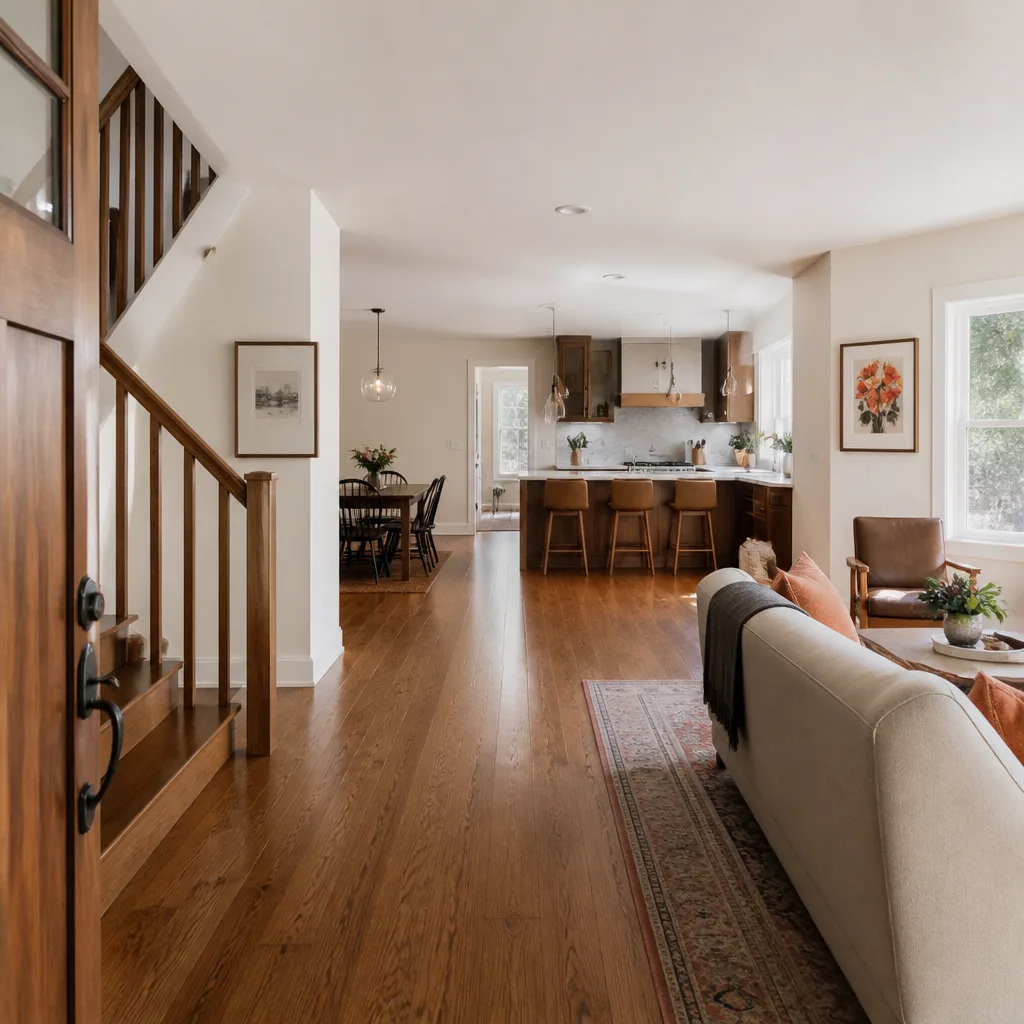
The warning signs that ruin a remodel aren’t the cracked tile you see at the end. They’re the verbal number, the missing scope document, the vague start date, the permit dodge, and the early cash draw – all in the first week, all before a wall opens. Fix those at the agreement stage and the project holds. Written price, written scope, written guarantee: three documents that keep the rest of the project steady. For Santa Clarita homeowners planning a kitchen, bathroom, or whole-home remodel, the process starts with a free estimate and a written number. Learn more on our Penhallow Remodeling Santa Clarita home page, or call (866) 383-6693 and a live person answers.
Written by the team at Penhallow Remodeling Santa Clarita.
See the difference
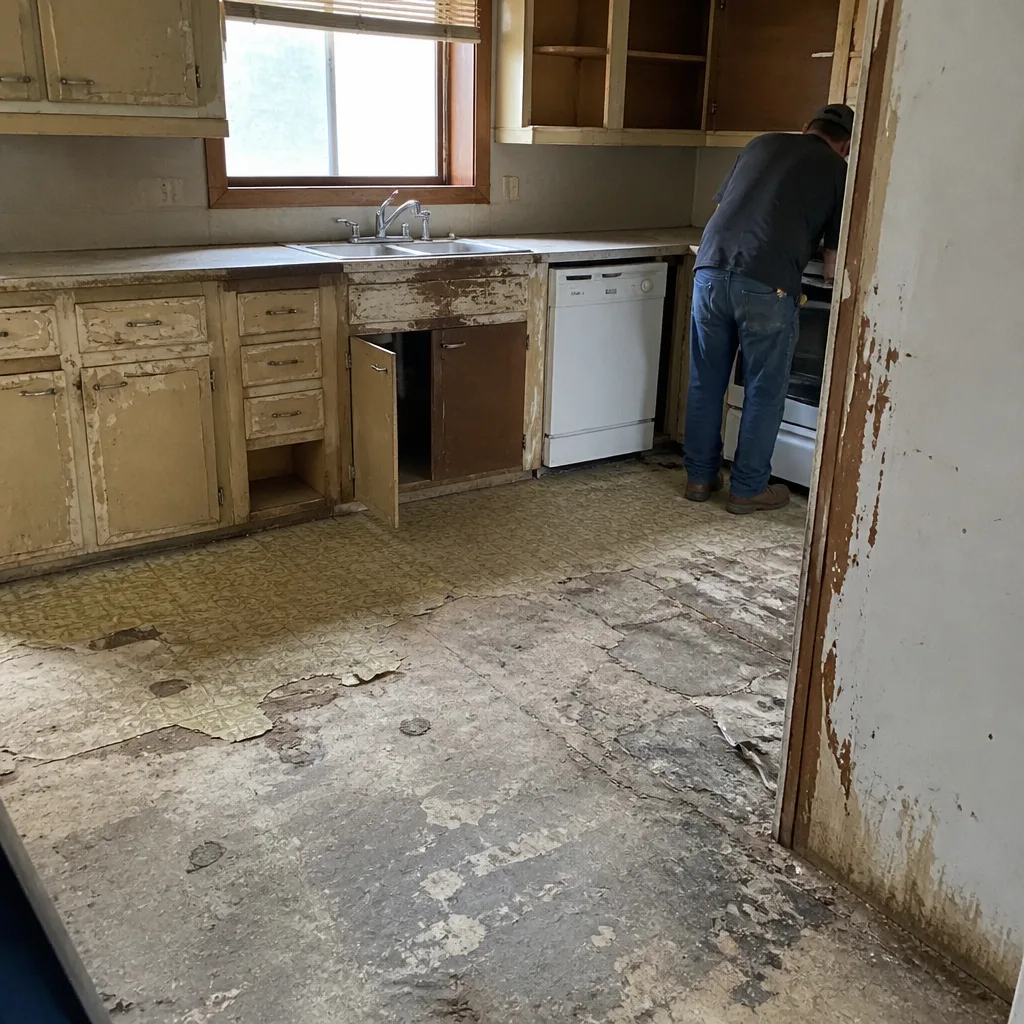 Before
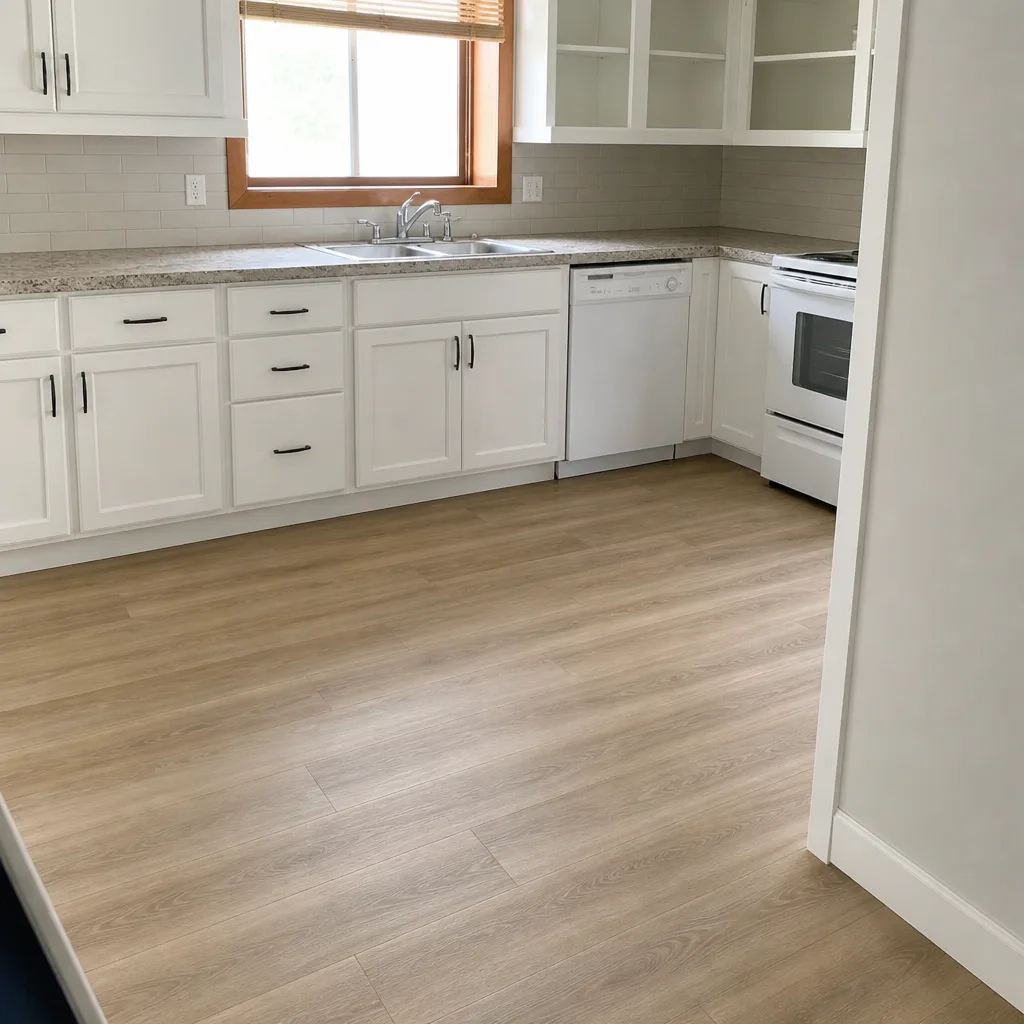 After
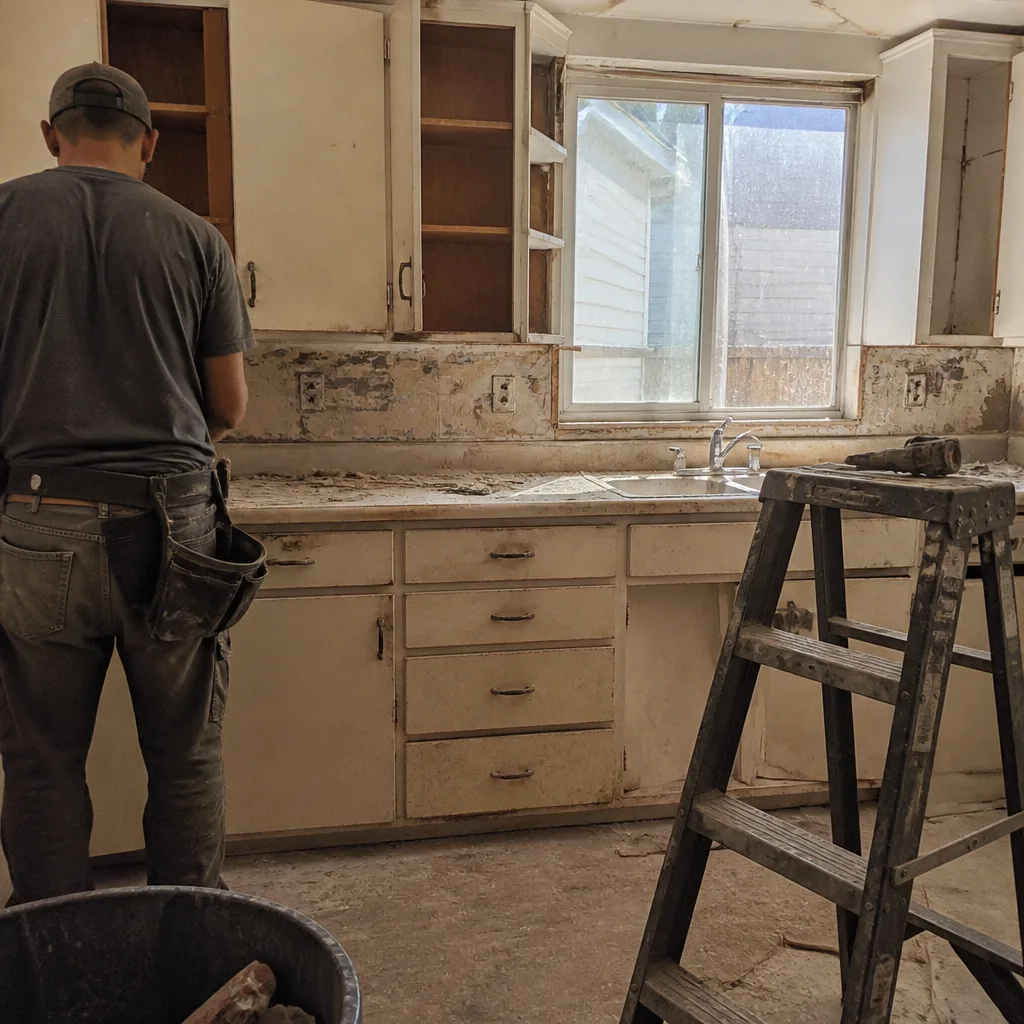 Before
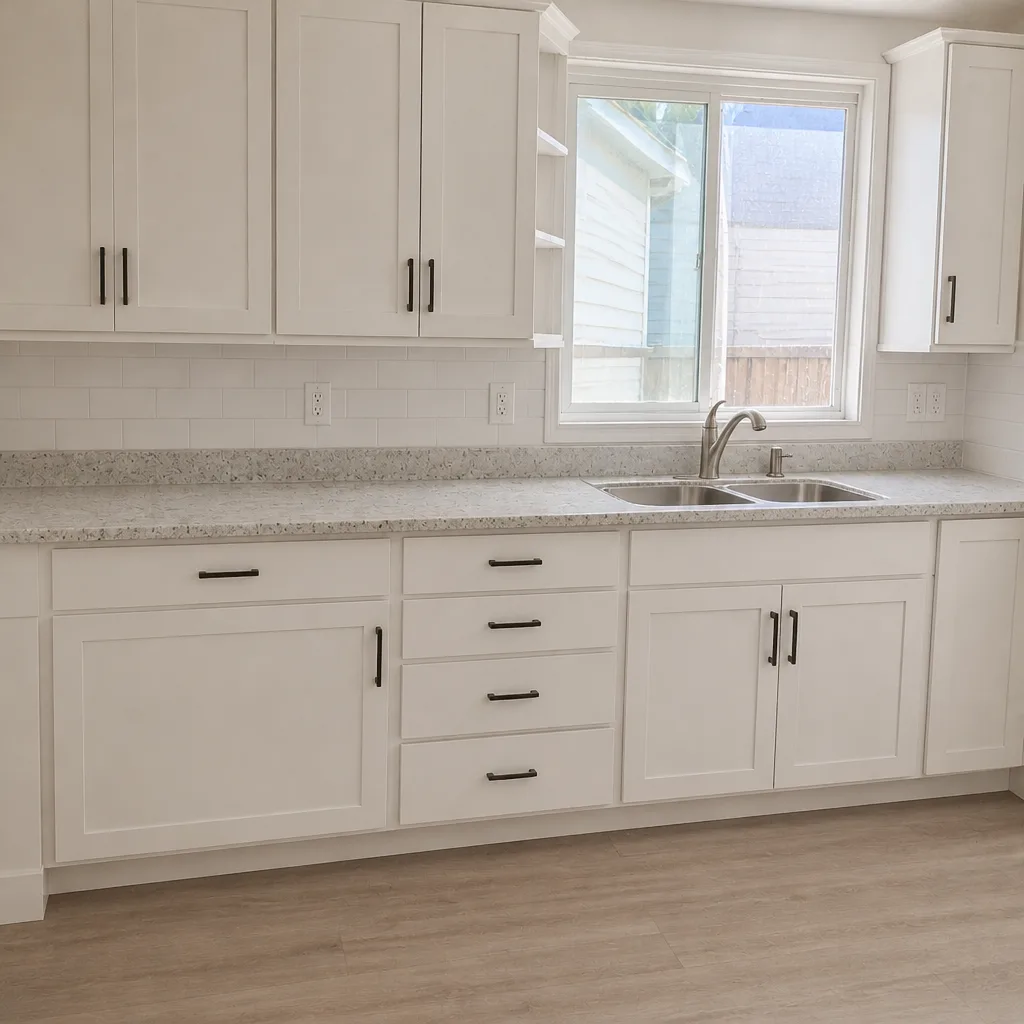 After
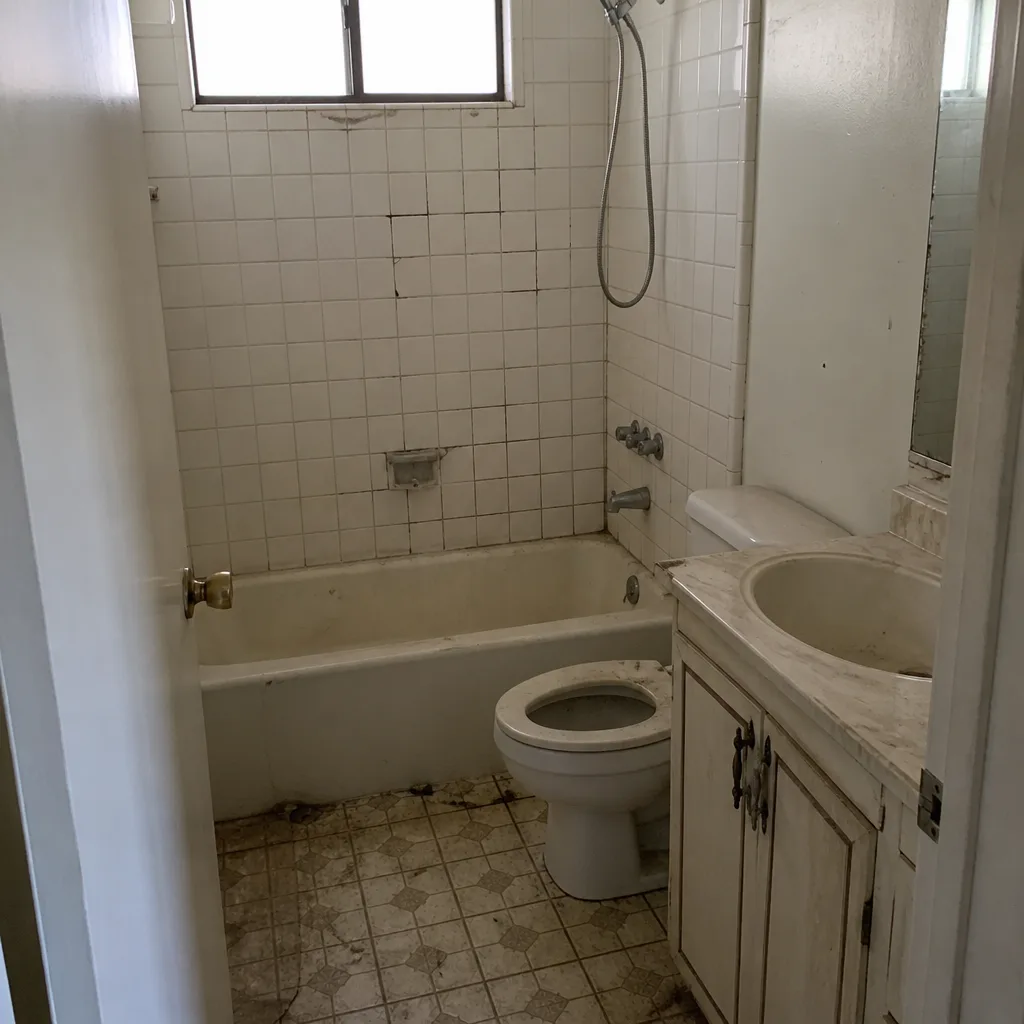 Before
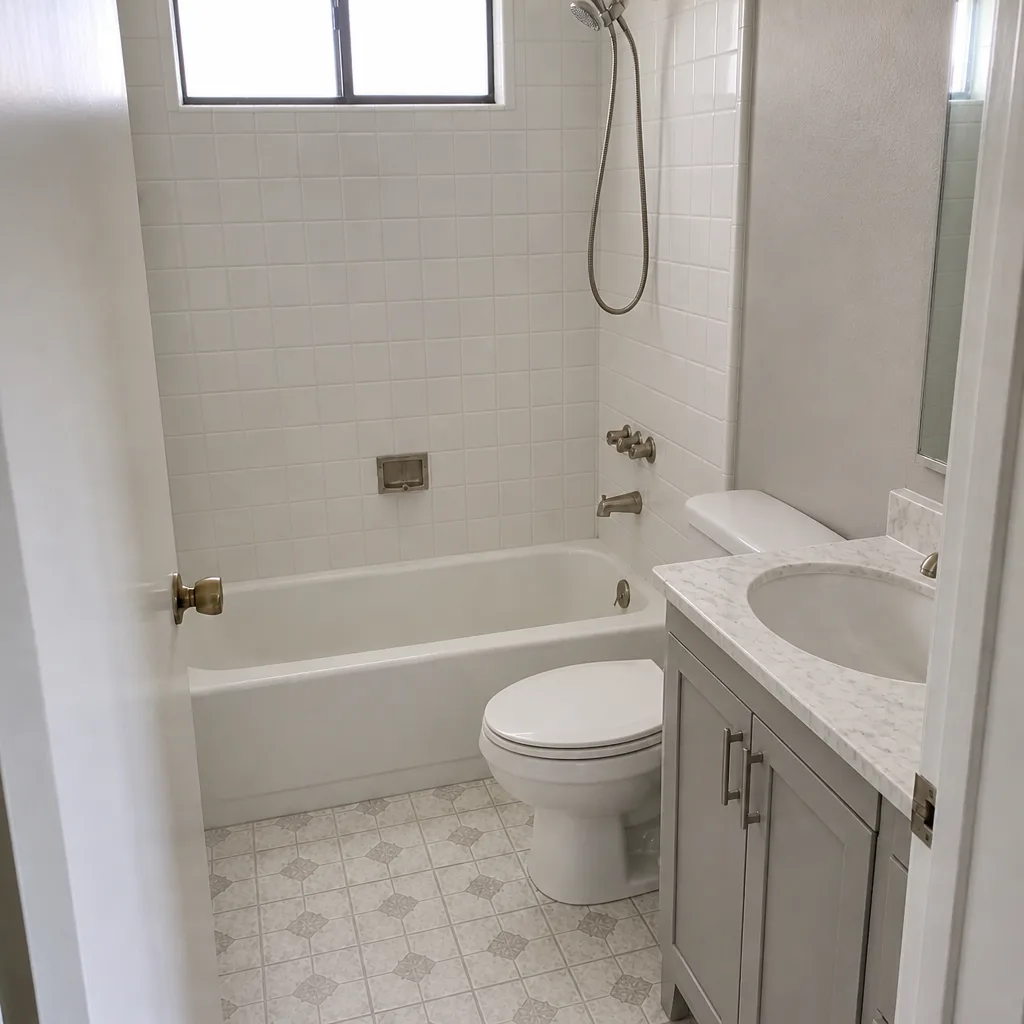 After