Last updated November 18, 2026



Free written scope consultation - allowances, timeline, and change-order rules on paper before a single trade is scheduled
Kitchen Remodeling Warning Signs Every Homeowner Should Know
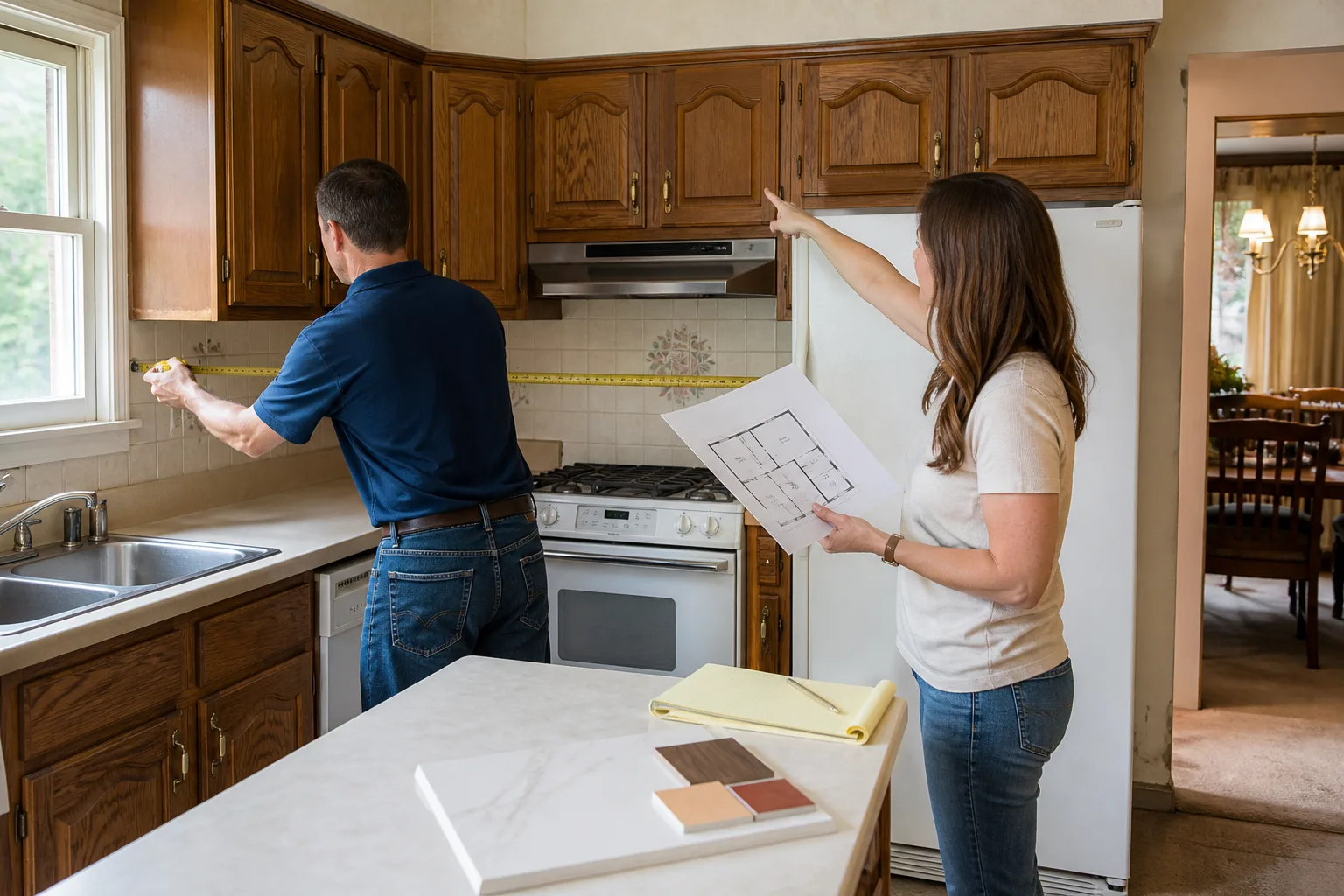
The contractor who seems perfectly nice but “doesn’t really do written contracts” is showing you exactly how the dispute will go when the countertop color is wrong or the job runs three weeks over. That’s the thing most homeowners miss: the warning signs almost never look like warnings. They look like friendliness, flexibility, a great verbal ballpark. In our experience across Santa Clarita kitchens, the problems that surface in week six were visible in the first conversation – as process gaps dressed up as communication quirks. This guide decodes the five pre-contract signals, the mid-project red flags any homeowner can spot, and what a real written guarantee should actually say.
Quick Answer
The clearest signs of a bad kitchen remodeling contractor are a verbal-only estimate, a request for more than 10% upfront before a permit is pulled, no mention of permits at all, no license number on the paperwork, and pressure to sign the same day. Those five signals predict job problems because they reveal how the contractor runs every phase of the work – not just how they talk.
Styles & brands we work with
- Kitchen remodeling
- Bathroom remodeling
- Home additions & ADU
- Roofing
- Windows & doors
- Driveway & pavers
- Fence
Table of Contents
- The Five Pre-Contract Warning Signs
- Permits and Paperwork: What Santa Clarita Requires
- Mid-Project Red Flags You Can See Without Construction Knowledge
- The Subcontractor Disclosure Problem
- Change Order Red Flags: Written vs. Verbal
- The Final Payment Trap
- Common Mistakes to Avoid
- Frequently Asked Questions
The Five Pre-Contract Warning Signs
Before a single cabinet is ordered, a contractor’s paperwork tells you how they’ll handle the moments that go wrong. Every remodel has those moments. The question is whether they’re resolved in writing or in conversation.
- A verbal-only estimate. A number spoken at the kitchen table is not a price. It’s an opening position. A written price you can hold someone to is different from an estimate range – it names line items, cabinet line, countertop material, and what happens when something unexpected turns up behind the drywall.
- More than 10% upfront before the permit is pulled. A reasonable deposit secures materials and a start date. A contractor asking for 40% before any permit exists is using your money to fund a different job. That’s a cash-flow warning, and it usually gets worse, not better.
- No mention of a permit. If permits never come up in the conversation, ask directly. Kitchen work that moves plumbing, gas, or electrical needs one, and a contractor who dodges the subject is telling you the inspection will never happen.
- No license number on the paperwork. California requires a contractor’s license number on contracts, advertisements, and bids. A bid without one is either sloppy or hiding something. Both are problems.
- Pressure to decide the same day. Real contractors have a schedule that can wait 48 hours for your decision. “This price is only good today” is a sales tactic, not a construction reality.
If two or more of these show up in one conversation, that’s your answer. Call Penhallow Remodeling Santa Clarita home for a second written quote before you sign anything.
Permits and Paperwork: What Santa Clarita Requires
Santa Clarita’s building department reviews kitchen remodels that touch structural walls, plumbing relocations, gas line changes, and electrical circuits. That review isn’t bureaucracy – it’s the paper trail that protects your resale. A kitchen with unpermitted work becomes a disclosure problem when you sell, and buyers in Santa Clarita ask about it directly.
What to expect when permits are handled properly:
- A permit pulled in the property owner’s name with the contractor listed, before demolition begins.
- Inspection milestones at rough framing, rough electrical and plumbing, and final sign-off.
- A written schedule that names the inspection windows, not just the construction days.
- Copies of the permit and the final inspection card handed to you at closeout.
The Santa Clarita Valley’s soil and seismic conditions mean structural changes get a closer look than in many parts of the country. A wall removal that looks cosmetic on paper may need an engineer’s stamp. A contractor who waves that off as “not necessary” is skipping a step that protects the house – and the resale value. Our General Contractor in Santa Clarita page walks through how we handle the permit process end to end.
Mid-Project Red Flags You Can See Without Construction Knowledge
You don’t need to know how a cabinet box is built to catch sequencing problems. You just need to know the right order. Here’s what to watch for once demo starts.
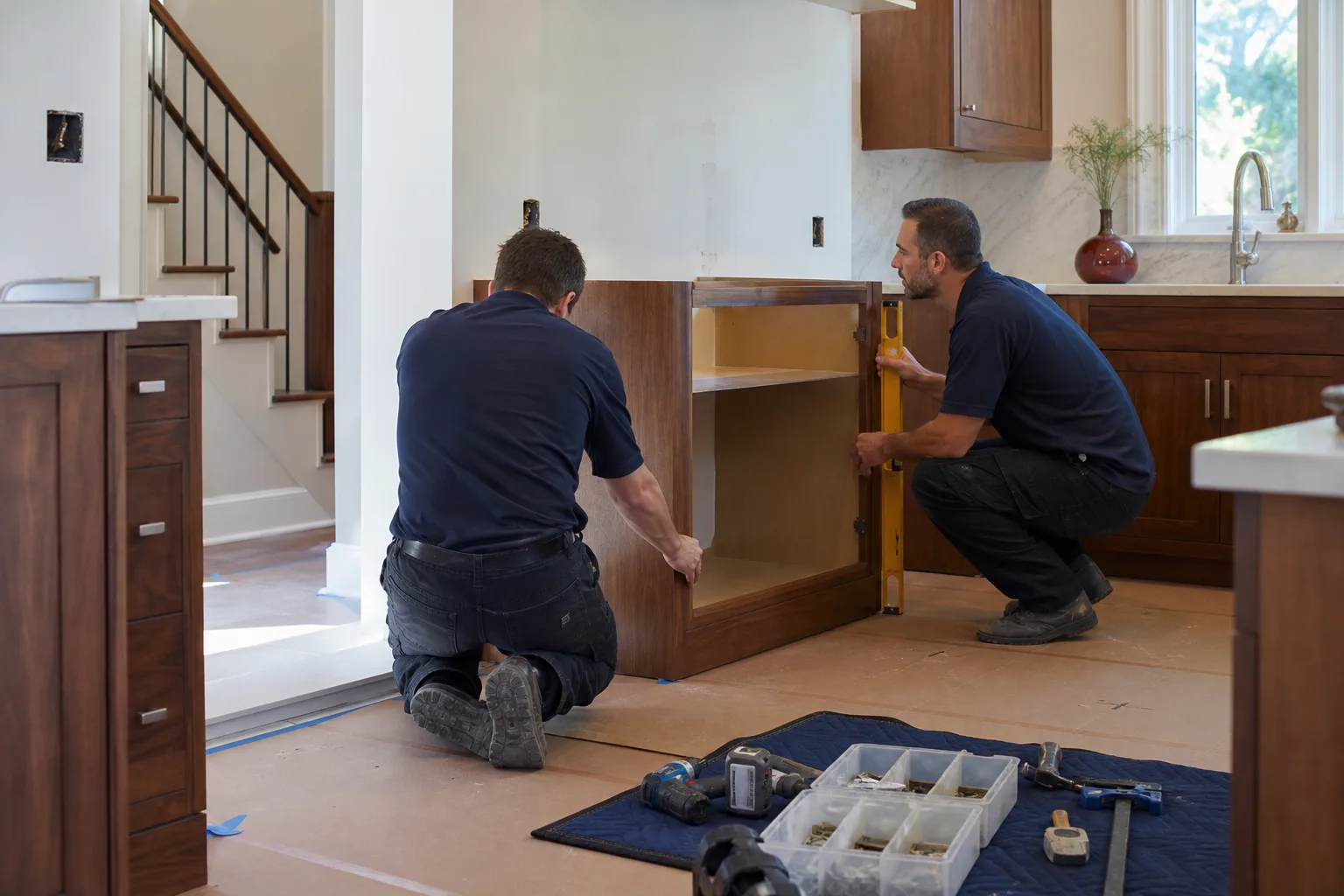
- Cabinets installed before countertop dimensions are confirmed. Countertops are templated from the actual installed cabinets, not the other way around. If the countertop fabricator hasn’t been out to measure, cabinets going in is a warning that the countertop will be cut wrong or delayed.
- Appliance openings framed before the appliances are on-site. Refrigerators, ranges, and dishwashers vary by inches. Framing to a spec sheet instead of the physical unit leaves gaps behind the range or a fridge that doesn’t sit flush. Good contractors confirm the appliance model before framing.
- Grout joints that vary in width across the same run. Uneven grout lines mean tile was laid without spacers or a level base. It’s the most visible sign of rushed work, and it doesn’t fix itself with a second coat of sealer.
- No protection on the floors or doorways. If the crew walks on your hardwood in dusty boots and doesn’t mask the hallway, they don’t have a job-site protocol. That tells you how the last week will look.
- Communication goes quiet during the inspection phase. A contractor who stops texting during rough-in is either waiting on a sub or waiting on an inspector. Either one is fine – not telling you is not.
Real estate professionals and inspectors in Santa Clarita flag the same issues we do. Our Kitchen Remodeling in Santa Clarita page shows what a properly sequenced job looks like from demo to closeout.
The Subcontractor Disclosure Problem
You have a right to know who is working in your home. A general contractor who can’t name their electrician or plumber when you ask is a coordination risk. That’s not a personality flaw – it means your job depends on people the GC hasn’t vetted, scheduled, or locked into a written scope.
Ask any contractor these three questions before signing:
- Who is pulling the electrical permit, and are they licensed for it?
- Which plumber will be on-site, and when are they scheduled?
- Does the written scope name each trade, or just the total?
A legitimate answer is specific. A vague answer – “we work with a few guys” – is the sound of your kitchen waiting on someone the GC can’t reliably reach either. On our jobs, every trade is background-checked, arrives in uniform, and is named in the written scope. That’s part of why we walk homeowners through the Bathroom Remodeling in Santa Clarita process the same way we do kitchens – the disclosure standard doesn’t change by room.
Change Order Red Flags: Written vs. Verbal
Every kitchen remodel has at least one change. You see the slab and pick a different one. You add a pot filler. A wall opens up and reveals galvanized plumbing that needs replacing. That’s normal. What separates a legitimate change order from a red flag is whether it’s in writing, with a price, before the work proceeds.
- Legitimate change order: a written page naming the new scope, the new price, and any schedule impact. You sign it before the crew touches anything.
- Red flag: verbal additions to the invoice after the fact. “We had to add $1,800 for the plumbing,” with no paperwork, is a price you never agreed to and can’t dispute.
- Escalating scope creep: small verbal changes every week that add up to a number you didn’t approve. If you don’t have a running written tally, that number is decided by the contractor.
Our no-hassle upfront pricing means the number on day one is the number on the invoice, because every change gets priced and signed before it happens. It’s the one way we’ve found to make change orders calm instead of confrontational. The materials come from brands like KraftMaid, Cambria, and Kohler – so the product piece is settled before the process even starts.
The Final Payment Trap
Never pay the full balance before a final walkthrough. A walkthrough with a punch list in hand – the written list of what’s still unfinished or wrong – is the last quality check you get. Once the check clears, the leverage is gone.
What a written guarantee should actually say, versus the vague version:
- Vague: “We stand behind our work.” That’s a sentence, not a commitment. It means nothing when something cracks in month seven.
- Written: a named guarantee, a specific length, what it covers, what it doesn’t, and exactly what happens if you call with a problem inside the window.
- Written: a free return visit if the repair fails – no service call, no re-inspection fee.
Our 365-Day Done Right Promise is written into every project. If the work fails inside the year, we come back and fix it at no charge. The number on the contract and the number on the invoice match, and the guarantee is a document, not a handshake. Call (866) 383-6693 for a free estimate and you’ll see the written version before you decide anything.
Common Mistakes to Avoid
- Choosing the lowest bid without comparing line items. A bid that skips cabinet line, countertop material, and permit fees isn’t lower. It’s incomplete, and the missing pieces get added later.
- Assuming verbal flexibility is a good sign. A contractor willing to “figure it out as we go” is telling you there’s no plan. In a Santa Clarita kitchen with plumbing and gas, that flexibility is where your costs go wrong.
- Paying a large deposit to hold a start date. Legitimate contractors run on reasonable deposits and pulled permits. Anything over 10% before permit is a financial warning, not a scheduling courtesy.
- Skipping the punch list walkthrough. Homeowners eager to be done sign off before cabinets are level and the countertop seam is tight. The punch list is where you catch what you’ll stare at for the next fifteen years.
- Accepting a guarantee with no end date. “We’ll make it right” has no clock. Ask for the length, the coverage, and the process in writing before you sign.
- Letting appliance models stay undecided past framing. The range and fridge have to be on-site or confirmed before opening are cut. A contractor who says it doesn’t matter hasn’t measured one.
- Not asking who’s on-site before demo. If the GC can’t name their plumber and electrician, your schedule is a guess. Ask before the dumpster arrives.
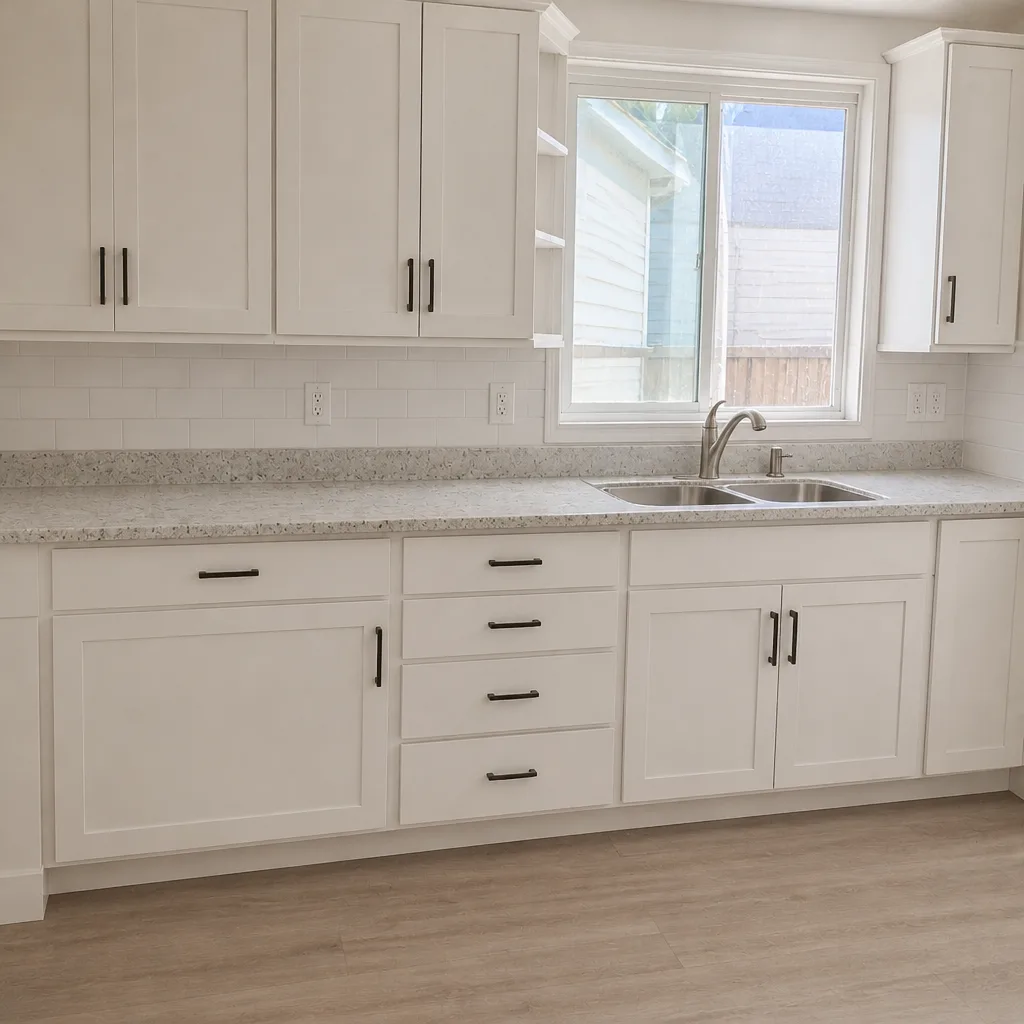
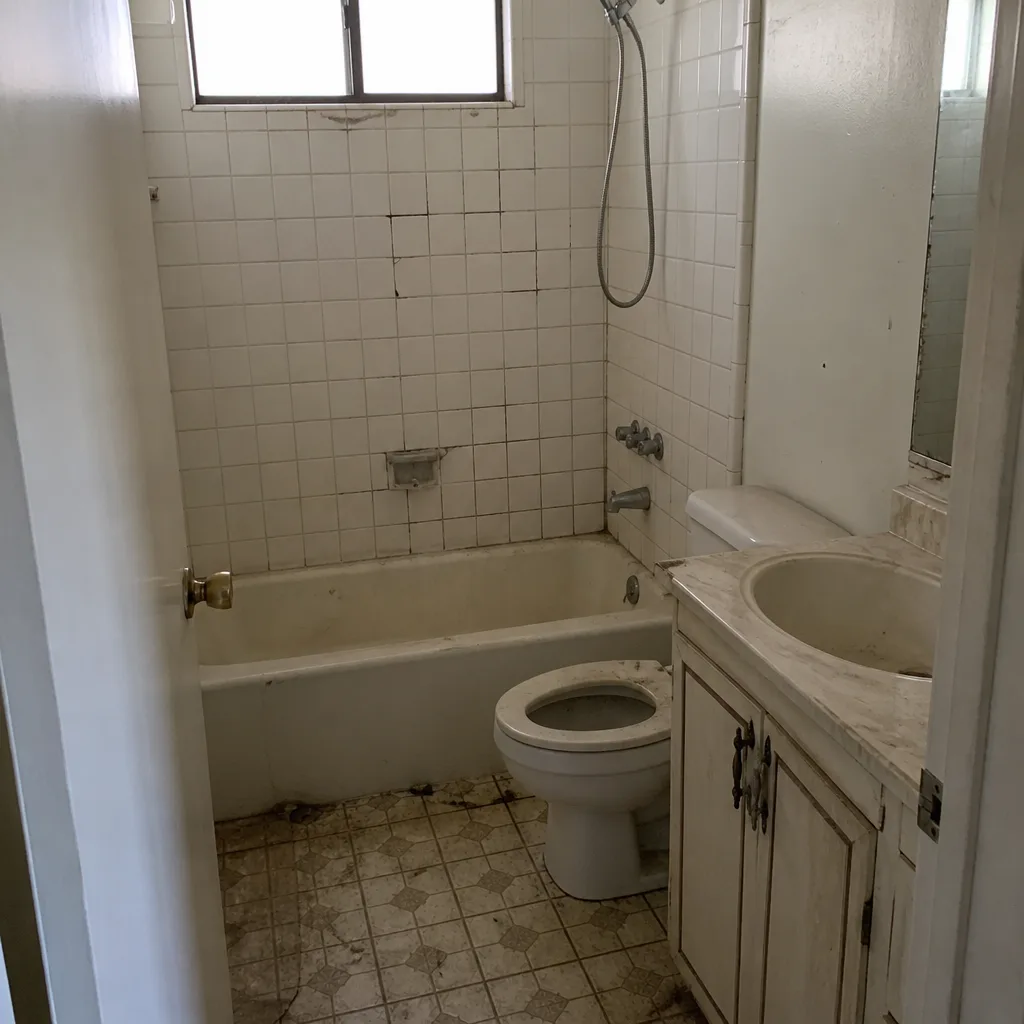
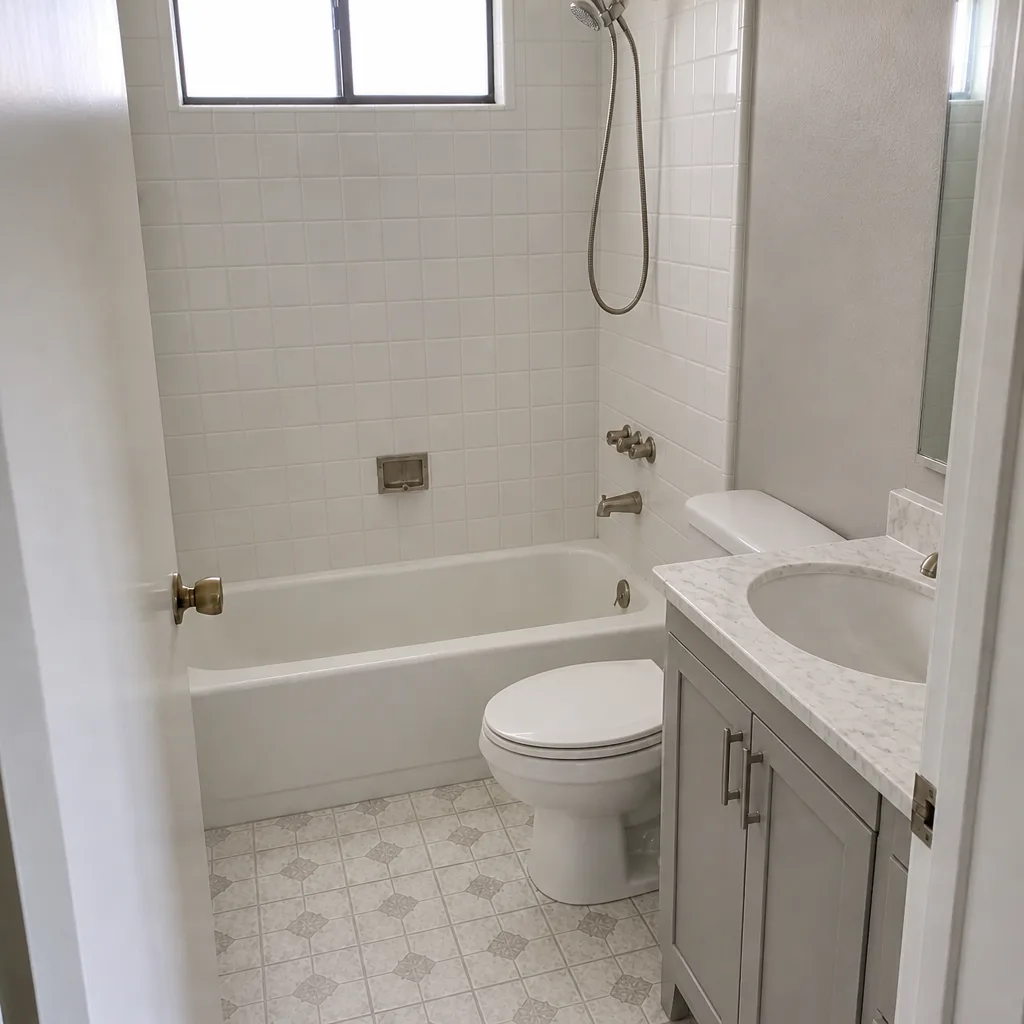
See the difference
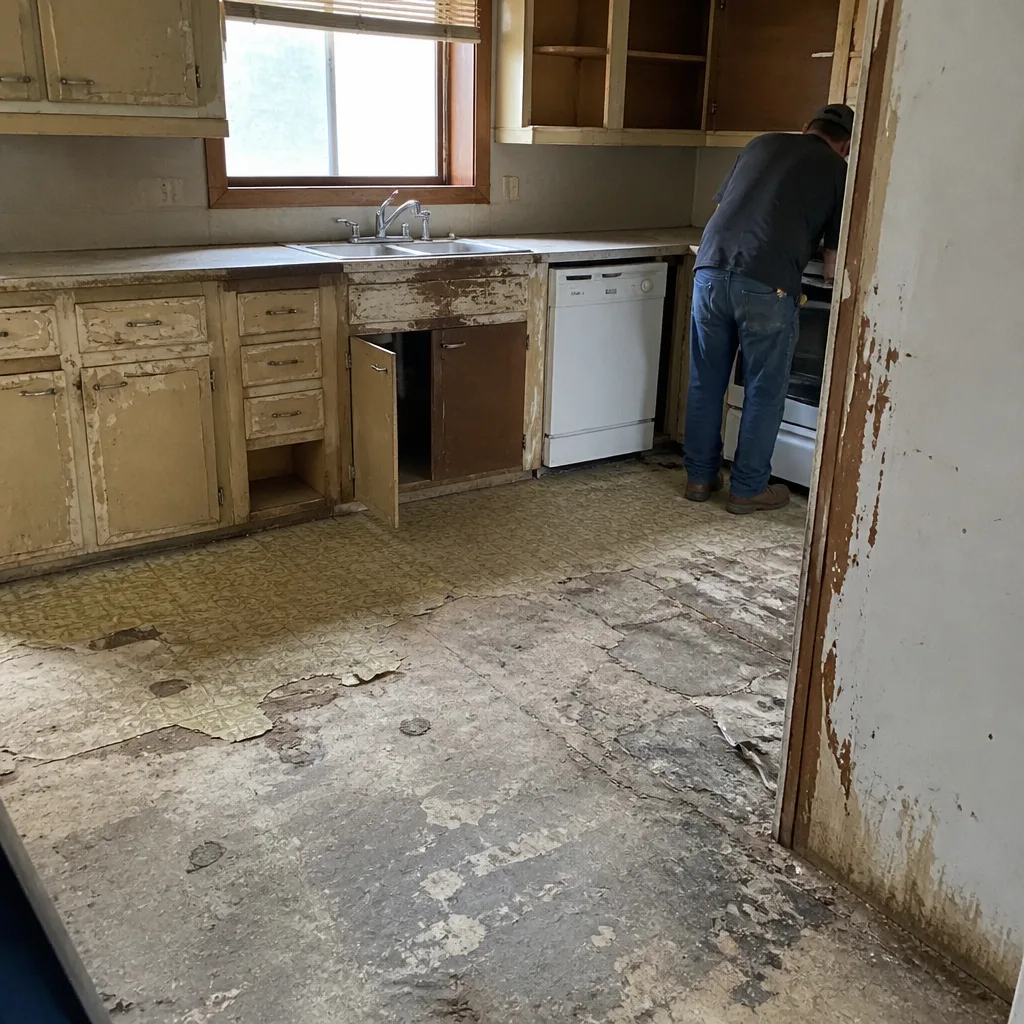 Before
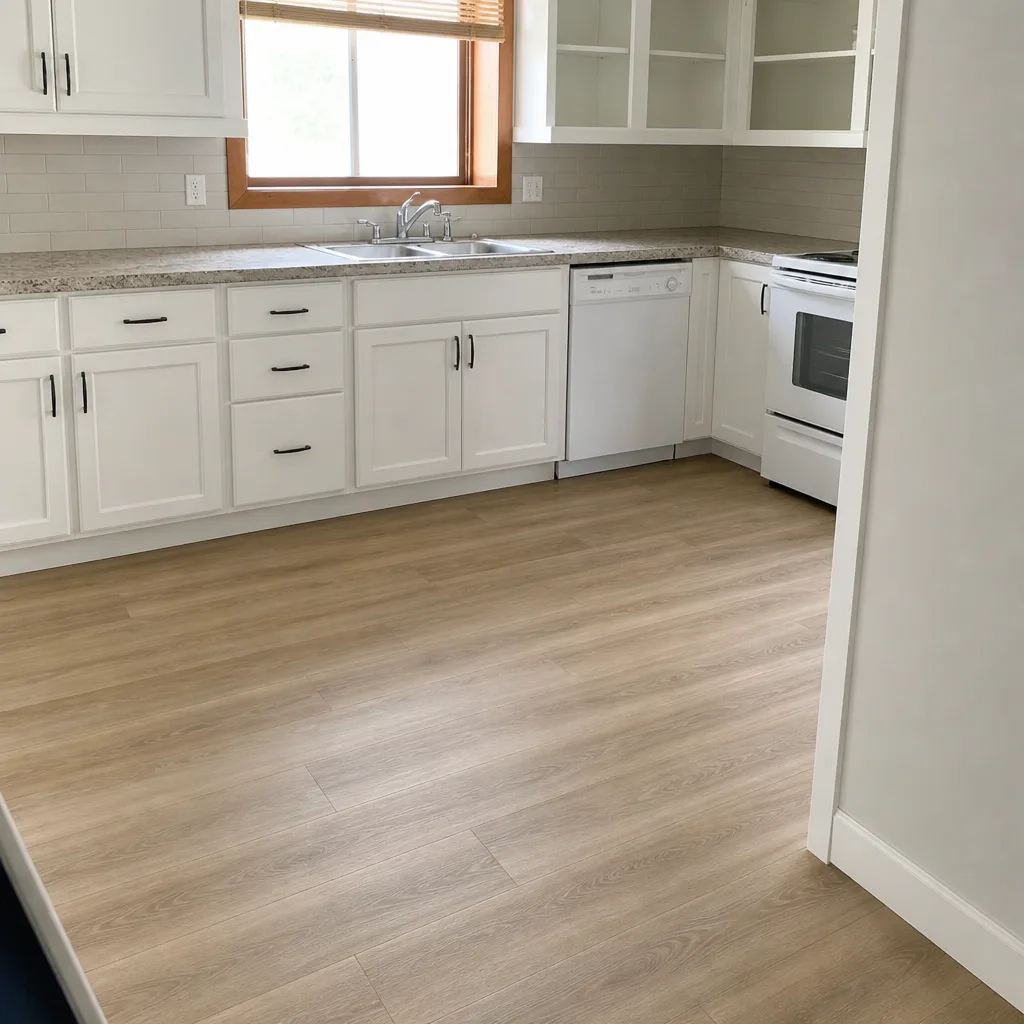 After
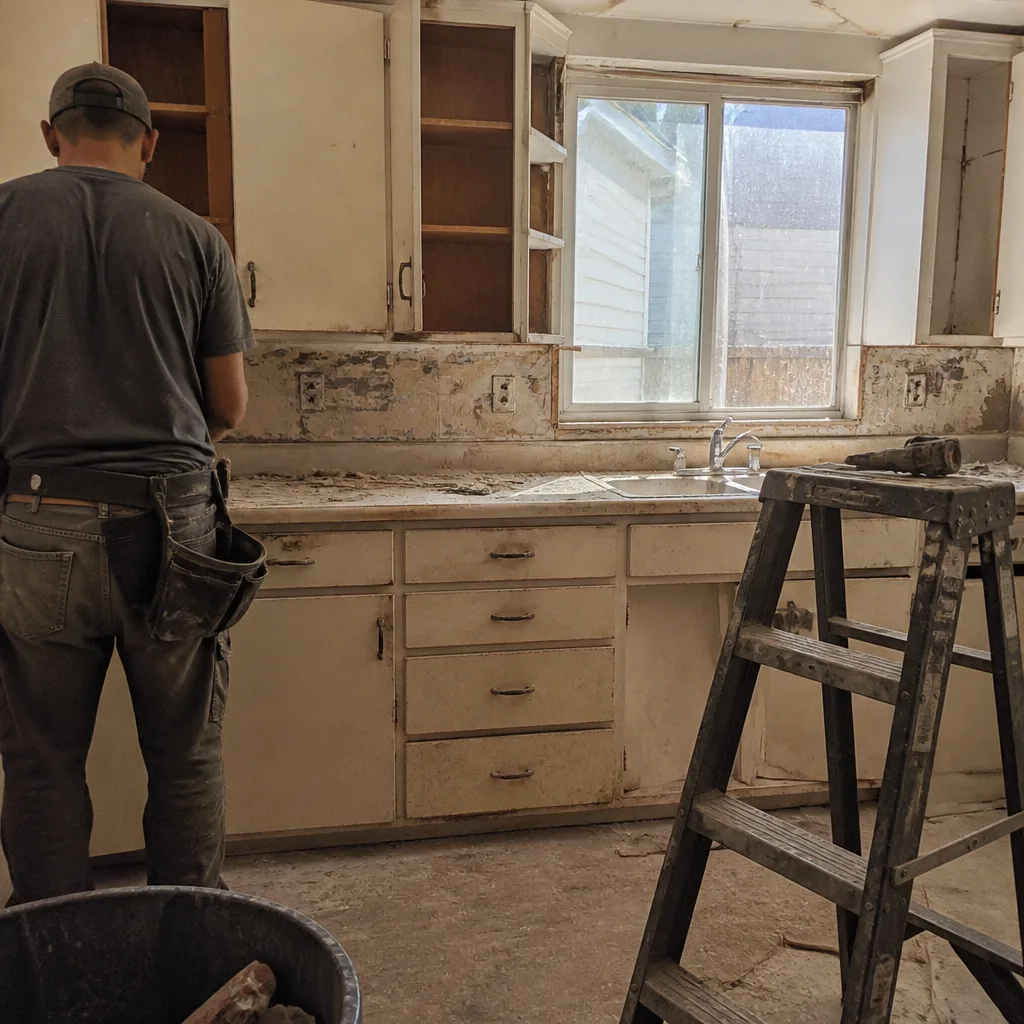 Before
 After
 Before
 After
When to Call a Professional
Call a professional before you sign a contract, not after the cabinets come out. If any of the five pre-contract signals show up, get a second written quote before you commit. If your current contractor has stopped putting numbers in writing, added amounts verbally after work began, or can’t tell you who is pulling the permit, step back and get an independent review. If you’re mid-project and a change appeared on the invoice that you never signed, that’s the moment to ask for a written scope and a corrected bill. Penhallow Remodeling Santa Clarita offers free estimates in Santa Clarita – call (866) 383-6693, and a real person answers. We’ll look at your job, put the price in writing, and tell you honestly whether the warning signs you’re seeing are serious.
Frequently Asked Questions
Verbal-only estimates, a deposit above 10% before the permit is pulled, no mention of permits, no license number on the paperwork, and same-day pressure to sign. Any one of these is worth a second quote. Two or more in the same conversation is your answer.
A reasonable deposit secures materials and a start date, and the rest should follow milestone payments tied to completed work. If a contractor asks for more than 10% before the permit exists, walk. Call (866) 383-6693 for a written quote with a clear payment schedule.
Yes, if the work moves plumbing, gas, or electrical, or touches a structural wall. Santa Clarita’s building department inspects at rough-in and final stages. A contractor who skips the permit is creating a resale problem, not saving you money.
Ask who is doing each trade by name, confirm the license that covers it, and check that the written scope lists each trade separately. A GC who can’t name them is a coordination risk, not a well-connected one.
A named guarantee, a specific length, what it covers, what happens if you call with a problem, and whether the return visit is free. “We stand behind our work” is not a warranty. Ours is the 365-Day Done Right Promise, written on every project. Call (866) 383-6693 to see the document itself.
No. A legitimate change order names the new scope and price in writing, and you sign before work proceeds. Verbal additions after the fact are how a price you never agreed to ends up on your invoice. Ask for every change in writing, every time.
The Bottom Line
Kitchen remodel warning signs are process problems wearing polite faces. A verbal estimate, a deposit before the permit, a subcontractor nobody can name, a change order added after the fact, a full payment before the walkthrough – each one tells you how the job will run when something goes sideways, which it will. The fix is simple: written price, written schedule, written guarantee, before demo. In Santa Clarita, a kitchen typically runs $18,000 – $55,000 depending on layout, cabinet line, and countertop material, so the paperwork matters as much as the product. Call (866) 383-6693 for a free estimate and get the written version first.
Written by the team at Penhallow Remodeling Santa Clarita.