Last updated November 18, 2026

Free written scope consultation - allowances, timeline, and change-order rules on paper before a single trade is scheduled
DIY vs Professional General Contractor: What’s Safe to Do Yourself
Here’s the counterintuitive part: in California, you can legally remodel your own kitchen, wire your own outlets, and frame your own addition on the home you live in. The state contractor’s license law exempts owner-occupants from the licensing requirement. But “legally allowed to swing the hammer” and “allowed to skip the permit” are two entirely different questions, and mixing them up is how unpermitted work ends up on a seller’s disclosure form and stalls a sale. In Santa Clarita, where a lot of housing went up fast in the 1980s and 1990s and a lot of it has since been flipped, we’ve walked into more than a few homes where the previous owner’s weekend project became the next owner’s problem. This guide draws the DIY line by category – what the law requires, what your insurance will cover, and what hidden liability follows the house – not by how confident you feel with a nail gun.
Quick Answer
You can safely and legally handle cosmetic and non-structural work yourself in California: painting, swapping a faucet or light fixture, patching drywall, installing a shelf, replacing a toilet or vanity top, laying tile over a sound substrate, and minor landscaping. You should hire a licensed professional for anything that touches structure, load paths, electrical panels or new circuits, gas lines, plumbing rough-in behind walls, waterproofing in wet areas, and any work that requires a building permit – because in Santa Clarita, unpermitted structural or electrical work can void insurance coverage and must be disclosed at resale.
Styles & brands we work with
- Kitchen remodeling
- Bathroom remodeling
- Home additions & ADU
- Roofing
- Windows & doors
- Driveway & pavers
- Fence
Table of Contents
- The Legal Line: What California Actually Requires
- Your Insurance Policy Is the Second Rulebook
- The “Looks Easy, Hides Problems” Category
- Permits, Disclosure, and Resale in Santa Clarita
- Honest Cost Comparison: DIY vs. a Written Professional Bid
- Category-by-Category: Green, Yellow, and Red DIY Zones
- Santa Clarita Climate and Why It Changes the Answer
- Common Mistakes to Avoid
The Legal Line: What California Actually Requires
California’s Business and Professions Code requires a licensed contractor for any construction work valued at $500 or more in labor and materials combined – but there’s a well-known owner-builder exemption. If you own the home and live in it, you can perform work on it yourself without holding a contractor’s license. That exemption covers a surprising amount of ground. You can legally frame a wall, run a new circuit under a permit, or tile a shower in your own primary residence.
What the exemption does not do is exempt you from the building code, the permit process, or the inspections that come with it. It also doesn’t apply to rental property you own but don’t occupy, and it doesn’t let you hire unlicensed helpers to do the work for you. Once you pay a helper to do construction labor on your house, you’ve stepped outside the owner-builder exemption. That’s the trap many Santa Clarita homeowners don’t see coming.
There are also categories where a license is required by statute regardless of who does the work:
- Any work performed on a property you don’t live in (rentals, second homes, flip properties)
- Any work that requires a licensed trade sign-off – gas line connections, electrical service changes, and certain structural engineering
- Any project where you hire anyone else to perform construction labor valued over the small-handyman threshold
If you need a general contractor in Santa Clarita to review a project scope, that review itself is free – and it’s cheaper than discovering you crossed a legal line after demo day.
Your Insurance Policy Is the Second Rulebook
Even where DIY is legal, your homeowner’s policy may not cover the result. This is the piece almost nobody talks about, and it’s the one that matters most when something goes wrong at 2 a.m.
Standard California homeowner policies contain exclusions and conditions that activate when work is done without a permit or below code. The three that matter most for DIY-ers:
- Ordinance or law exclusion. If a covered loss reveals code-deficient work – say, a fire that starts in an unpermitted electrical junction – the policy may pay to repair the fire damage but not to bring the substandard wiring up to code. In older Santa Clarita homes, that delta can run into the tens of thousands.
- Faulty workmanship exclusion. Damage caused by your own workmanship is generally excluded. If your DIY shower pan leaks and rots the subfloor below, expect an argument with the adjuster about whether the leak was a sudden event or a workmanship failure.
- Failure to maintain / concealed defect. Water intrusion you didn’t know about because you never pull a permit and never have it inspected can be treated differently than a sudden pipe burst. Insurers look hard at this one.
The practical answer: before you start anything structural, electrical, or plumbing behind a wall, call your insurance agent and ask one question – “If this goes wrong, is it covered?” If the answer is anything other than a clear yes, get a written professional bid instead. The bid is free; the exclusion clause is not.
The “Looks Easy, Hides Problems” Category
Some work is physically simple but requires knowing what’s behind the wall – and that’s the stuff that turns a weekend project into a five-figure repair. We see this constantly in Santa Clarita: work that looked clean on the surface, but hid the real problem until water or a load path exposed it.
Three examples, all genuinely simple to do with your hands and genuinely hard to do right without knowing the building:
- Removing what looks like a non-structural wall. Load paths don’t announce themselves. A wall that looks interior can carry a header above or brace a foundation. What happens on the front end is easy. What happens when the ceiling sags 18 months later is the expensive part.
- Replacing drywall in a bathroom. The substrate matters more than the membrane. Standard drywall behind tile in a shower is a future mold problem. Cement board substrate (the moisture-resistant layer behind your tile) is the correct base – and knowing where the vapor barrier goes is not intuitive.
- Adding a wall penetration for a vent or duct. Fire blocking – the framing that stops fire from traveling through a wall cavity – lives in the framing you’re about to cut. Removing it silently creates a code violation that’s invisible until a fire inspection.
None of these are skills. They’re knowledge, and the knowledge is what you’re paying a professional for. In our experience, the phone calls we get where the homeowner says “I thought I was just taking out a wall” are the most expensive ones to fix.
Permits, Disclosure, and Resale in Santa Clarita
This is where the DIY line becomes a resale problem. California’s transfer disclosure statement (the TDS most sellers know) requires you to disclose known material defects and unpermitted work. A permit search at resale is routine now. Title companies pull permit history as part of the transaction, and Santa Clarita’s building department maintains a searchable record of every permit that was and wasn’t pulled.
Unpermitted work surfaces in three specific ways during a sale:
- During the buyer’s inspection, when a trained inspector spots the signs: missing permit stickers on the panel, non-standard framing, tile over drywall in a wet area.
- During the appraisal, when the appraiser’s data differs from the assessor’s record.
- During the title and permit search, when a paper trail exists for the home but the improvement isn’t on it.
What happens next is a negotiation you don’t want to lose. The buyer’s agent asks for evidence of permits, you can’t produce it, and now the buyer wants a price reduction, an escrow holdback, or a retroactive permit – which in Santa Clarita means a building inspector opening the walls. We’ve seen a $4,000 bathroom vanity install turn into a $14,000 remediation because the work wasn’t permitted. The permit cost would have been a few hundred dollars.
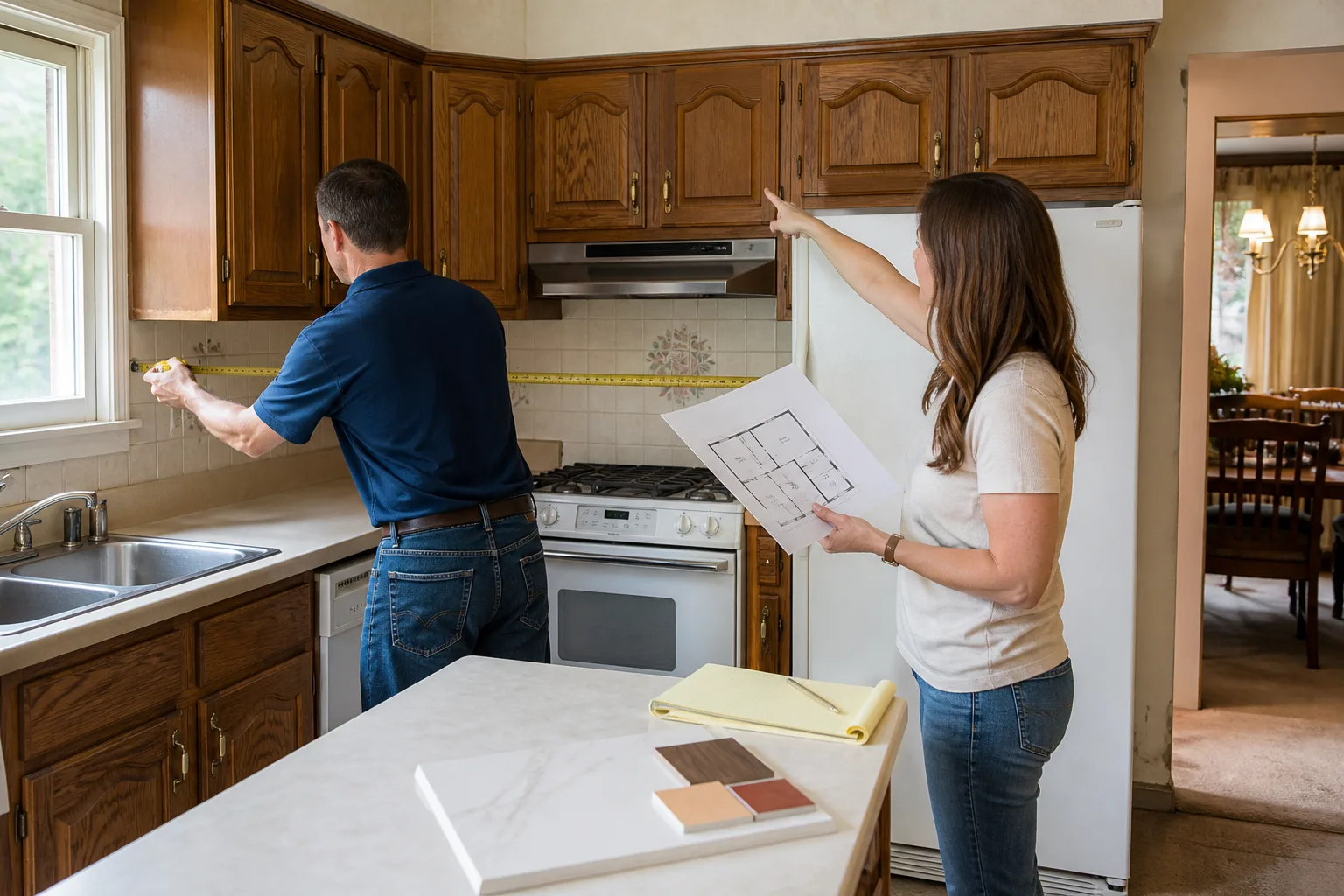
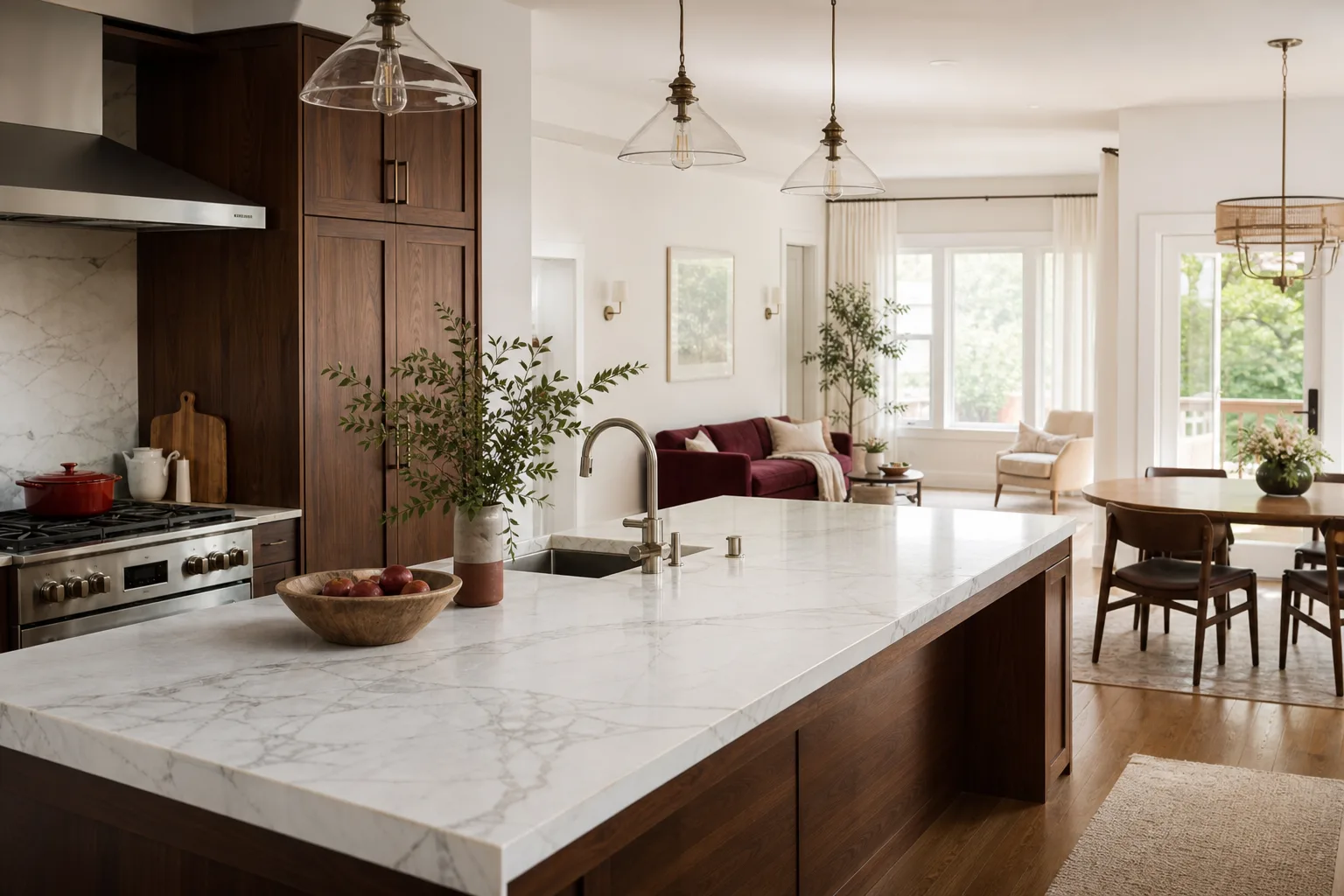
One honest note for homeowners considering a larger project: on the kitchen remodeling in Santa Clarita side, permits and inspections are always part of the written bid. On the DIY side, they’re the step most often skipped – and the one the next buyer’s inspector will look for first.
Honest Cost Comparison: DIY vs. a Written Professional Bid
DIY doesn’t mean free. Here’s the arithmetic homeowners miss – three real Santa Clarita project profiles, comparing actual numbers you’d see on a written bid against the honest DIY cost.
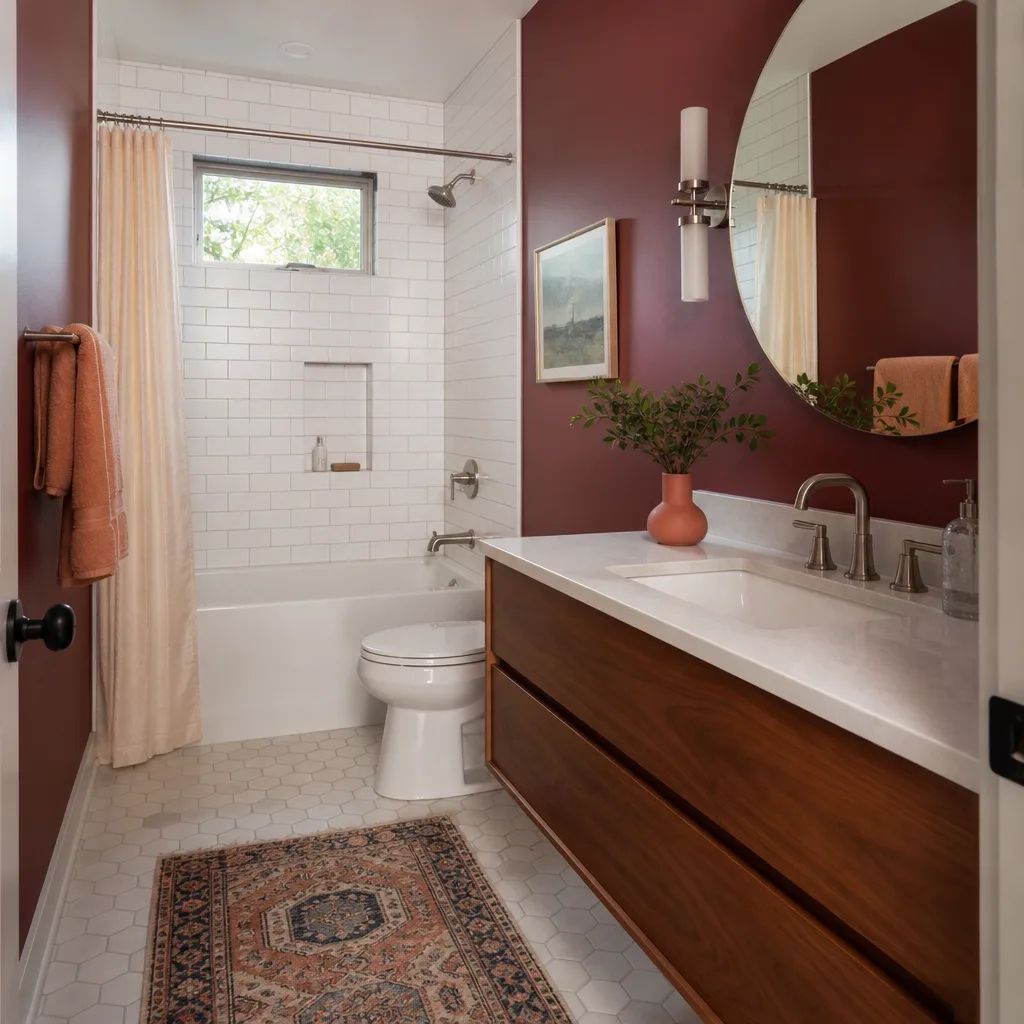
Project 1: Bathroom vanity and faucet replacement (Newhall, 1970s ranch)
- DIY: $340 material, plus $0 permit (not required for a like-for-like swap), 6-8 hours of your weekend. Genuinely doable.
- Professional: $650-$1,100 installed for a mid-tier vanity with a Kohler or Moen faucet, including old-vanity haul-off and shutoff-valve inspection.
- Verdict: DIY is a fair call here – this sits in the green zone.
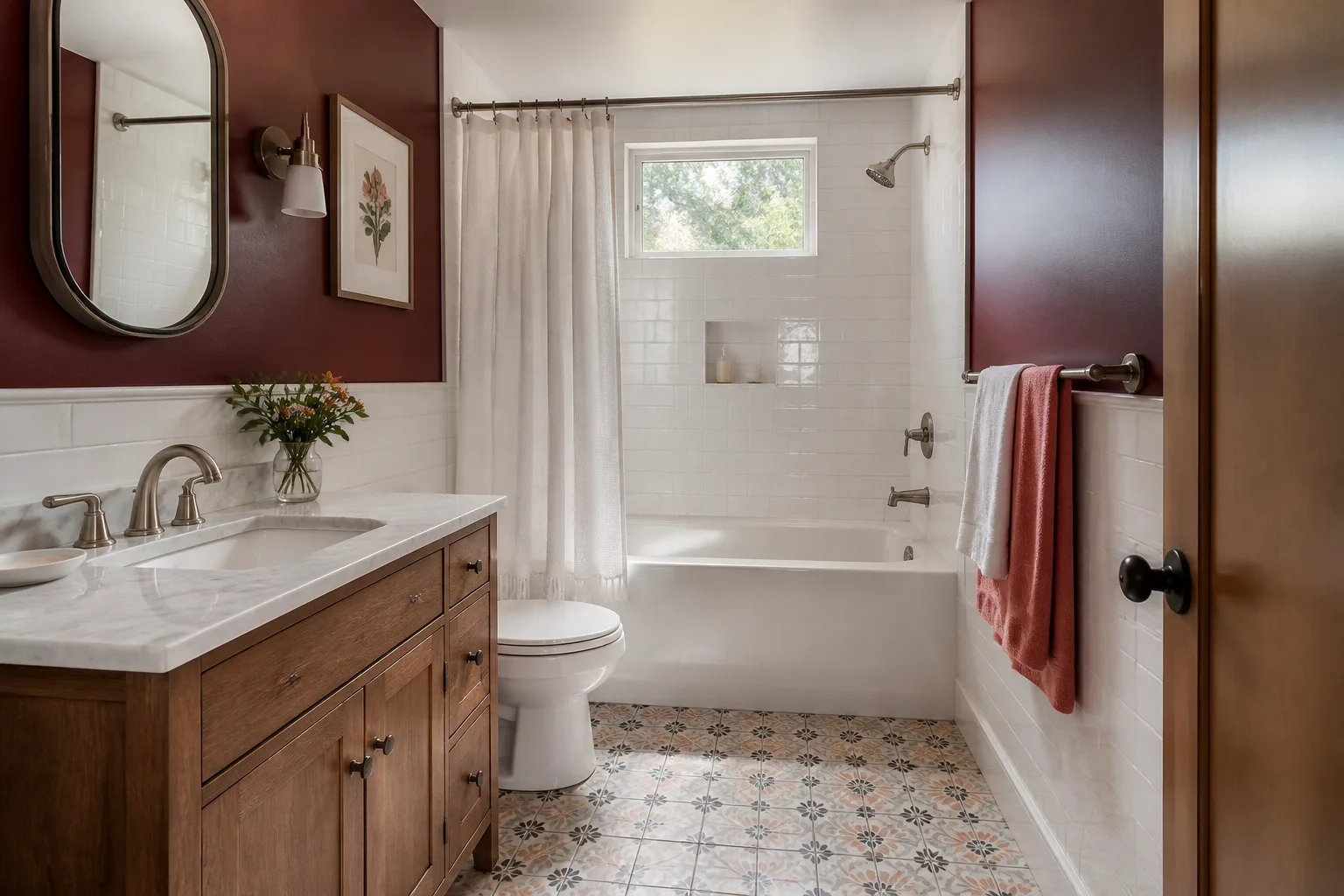
Project 2: Shower tile and waterproofing (Canyon Country, 1990s two-story)
- DIY: $1,200-$1,800 material, $0 in your labor, plus permit if the pan is rebuilt (yes, required). Most DIY failures here are the pan and the vapor barrier – typical redo cost after a leak reaches the framing: $6,000-$12,000.
- Professional: $8,500-$18,000 for a full shower rebuild in Santa Clarita, including permit, inspection, cement board substrate, waterproofing membrane, and a written price before work starts.
- Verdict: Red zone. The math only works if it goes right, and the failure cost dwarfs the savings.
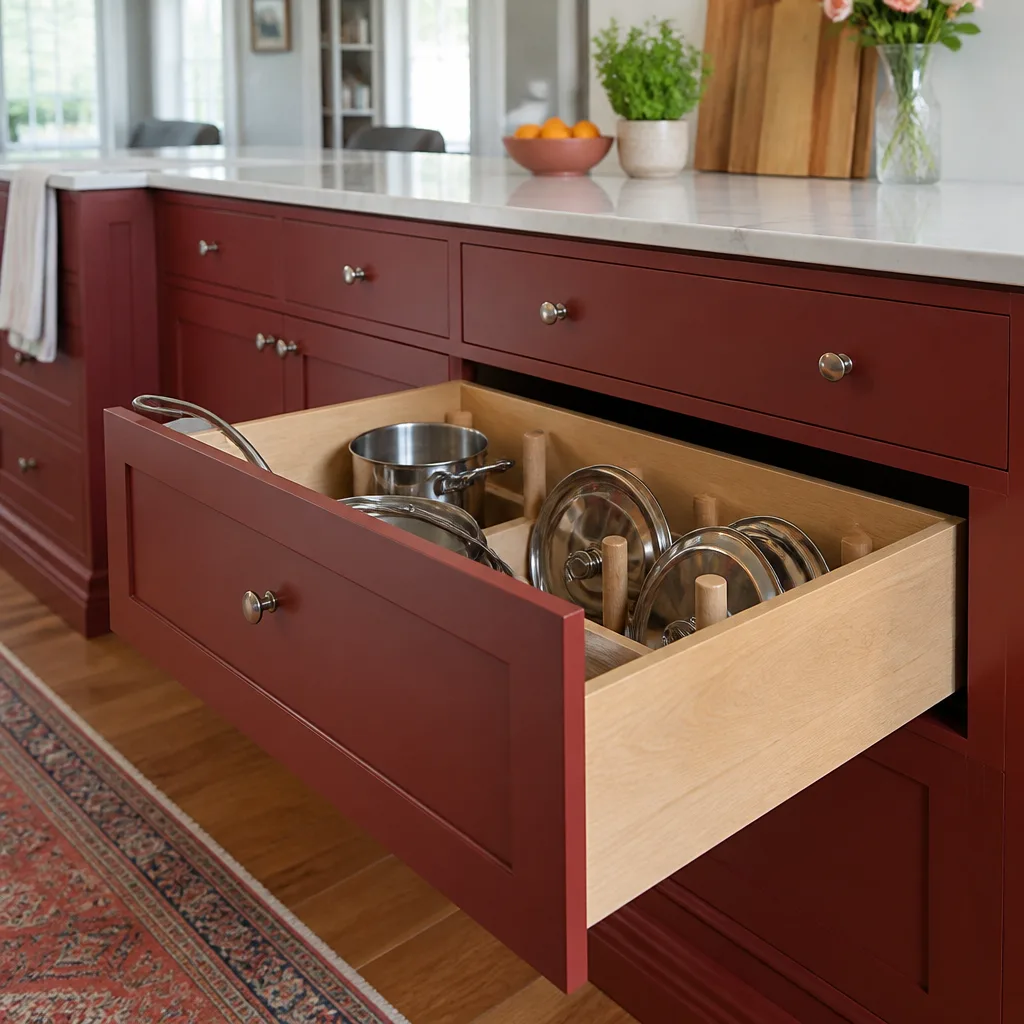
Project 3: Kitchen refresh – cabinets and counters (Saugus, mid-century single-story)
- DIY: $9,000-$20,000 material (a KraftMaid or Wellborn cabinet line, plus Cambria quartz or Silestone countertops at the current Santa Clarita rate of $65-$110 per square foot installed-equivalent), six to twelve weekends, permits for electrical and plumbing, and a very likely re-plumb if the old shutoffs fail mid-project.
- Professional: $18,000-$55,000 depending on layout, cabinet line, and countertop material – the price on our written bid covers demolition, materials, permits, inspection, and the finish work.
- Verdict: Yellow to red. Proceed only if you’ve done rough electrical, plumbing, and cabinet install before, and you’ve priced the risk of redo at market rate.
The honest comparison isn’t labor saved against labor paid. It’s labor saved against labor saved plus permit cost plus risk of redo plus disclosure cost at resale. Run all four numbers before you start. When the arithmetic supports hiring out, the bathroom remodeling in Santa Clarita team can put the number in writing before any tool comes out of the truck.
Category-by-Category: Green, Yellow, and Red DIY Zones
Here’s the shorthand we use with Santa Clarita homeowners who ask us where the line actually sits. It isn’t about confidence. It’s about what happens if it fails.
Green zone – safe for a careful homeowner
- Interior and exterior painting (with proper lead-safe practices on pre-1978 homes)
- Swapping a faucet, showerhead, toilet, or light fixture on an existing, correctly wired circuit
- Patching drywall, installing shelves, hanging cabinetry where the wall is already framed and load-verified
- Laying tile over an existing, sound substrate in a dry area
- Landscaping, fencing, and low-voltage garden lighting in Santa Clarita’s front-yard zones
Yellow zone – possible, but check the permit first
- Replacing a vanity or sink where the drain and supply lines stay in place
- Refinishing or rebuilding cabinet boxes (cosmetic only – not the layout)
- Adding an exterior outlet if the panel has capacity and you’re comfortable with a permitted circuit – most homeowners aren’t, and that’s fine
- Installing a dishwasher or garbage disposal replacement (permit usually not required, but the shutoff needs to be verified)
Red zone – hire a licensed professional
- Any structural change – removing walls, opening up a load-bearing span, adding a beam
- Electrical panel work, new circuits, and anything behind a wall
- Gas line work of any kind
- Waterproofing in a wet area, including shower pans and floor tile over new construction
- Roof repairs at pitch, and any addition or new footprint
The safest single test: if the work requires a permit in Santa Clarita, plan for it to be inspected. If you’re not sure it requires a permit, a quick call to the city’s building department settles it in five minutes. The one we trust for Santa Clarita home work on the professional side will review a printed scope and give you a written number before committing to anything.
Santa Clarita Climate and Why It Changes the Answer
Santa Clarita’s climate – hot, dry summers, wet winters, big temperature swings in the canyons – changes which DIY mistakes bite hardest. Three local patterns that matter:
- Thermal expansion on exterior surfaces. Saugus and Canyon Country patios, walkways, and stucco see 40-plus degree swings across a day. DIY tile over a slab that hasn’t been properly prepped will crack within a season or two. Not the tile’s fault – the substrate.
- Seismic movement. Santa Clarita sits in a seismically active region. Load-bearing walls aren’t just about gravity here; they’re about lateral bracing. This is the single biggest reason we don’t recommend removing an interior wall without a licensed engineer’s review.
- Winter water intrusion. Valencia and Stevenson Ranch get real rain in January and February. Improperly waterproofed showers, poorly flashed windows, and DIY roof patches tend to fail in the wet season, not the dry one – which means the failure often goes undetected until the next dry season’s inspection.
None of this is meant to scare anyone off painting a fence. It’s to say: in this climate, the work that fails hardest is the work done without knowing what the structure can take. That’s the line.
Common Mistakes to Avoid
- Skipping the permit on cosmetic-looking work. If you’re replacing a shower pan, moving a light, or changing a footprint, there’s a permit. Skipping it because the change “looks cosmetic” is the most common mistake we see on Santa Clarita resale inspections.
- Hiring an unlicensed helper to “help you out.” The owner-builder exemption doesn’t cover hired labor. Once you pay someone to do construction work on your house over the handyman threshold, you’re outside the exemption – and the liability is still yours.
- Removing an interior wall without a structural review. In Santa Clarita, the risky ones are often the walls that look like easy demo. Load paths and lateral bracing aren’t visible – get an engineer’s opinion before the sledgehammer comes out.
- Laying tile over drywall behind a shower. Standard drywall in a wet area is a mold and rot problem in waiting. Cement board substrate is the correct base; the substrate matters more than the tile.
- Assuming the insurance will cover it. Standard California policies exclude unpermitted and faulty-workmanship damage. Call your agent before you start, not after the water heater leaks into your DIY subfloor.
- Ignoring the fire blocking in a wall cavity. Cutting through a wall to add a vent or outlet often removes fire blocking – a code violation that fails an inspection and creates a real safety problem.
- Trusting a handshake bid instead of a written number. This cuts both ways. Even if you’re 90% sure you’ll DIY, get a written professional bid to price the alternative. A verbal range that changes at the door is a worse baseline than no bid at all.
See the difference
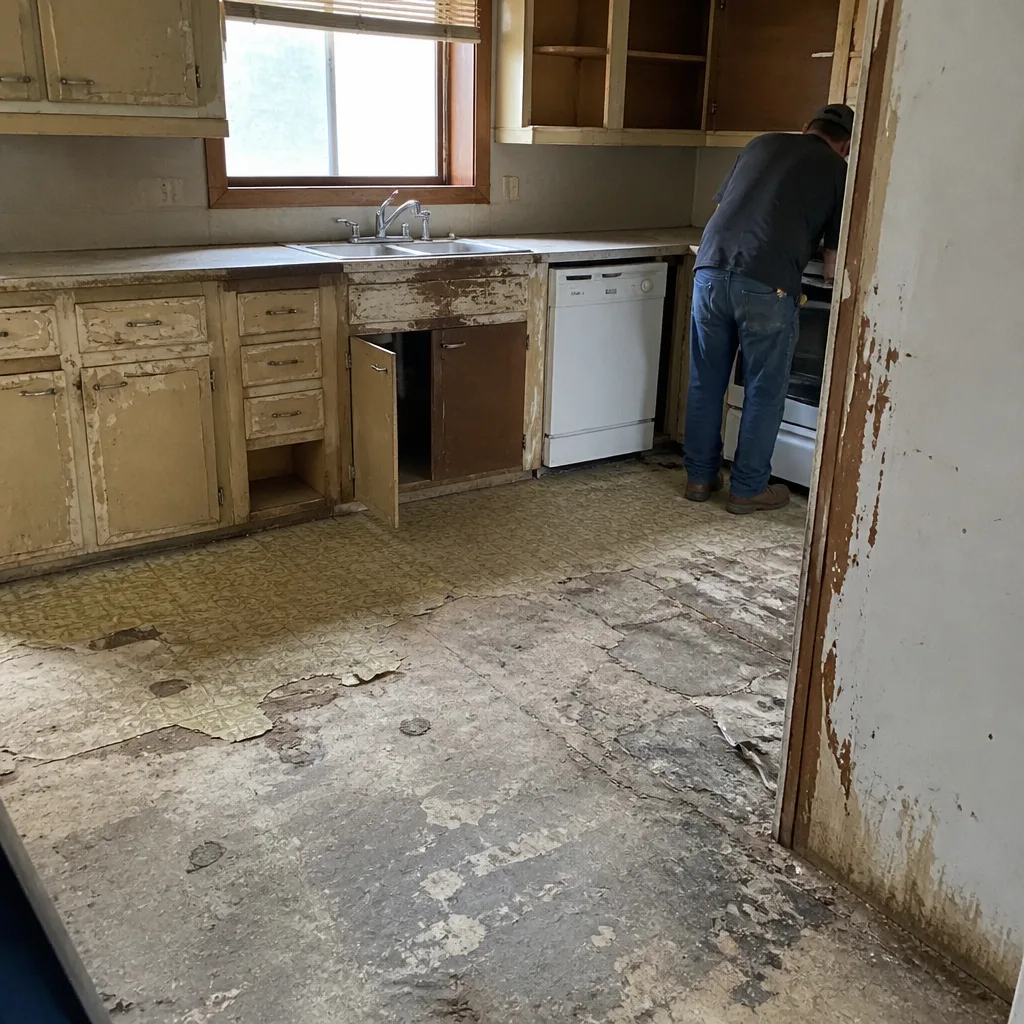 Before
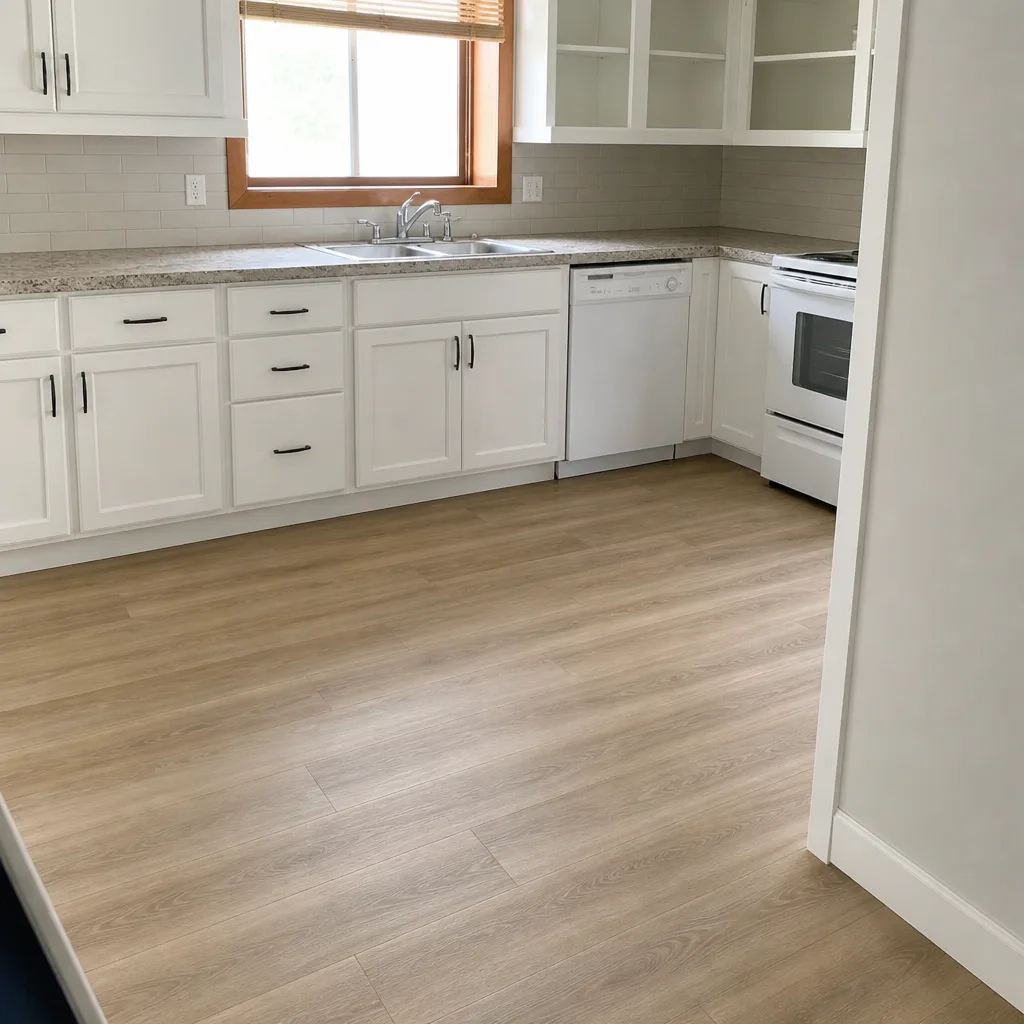 After
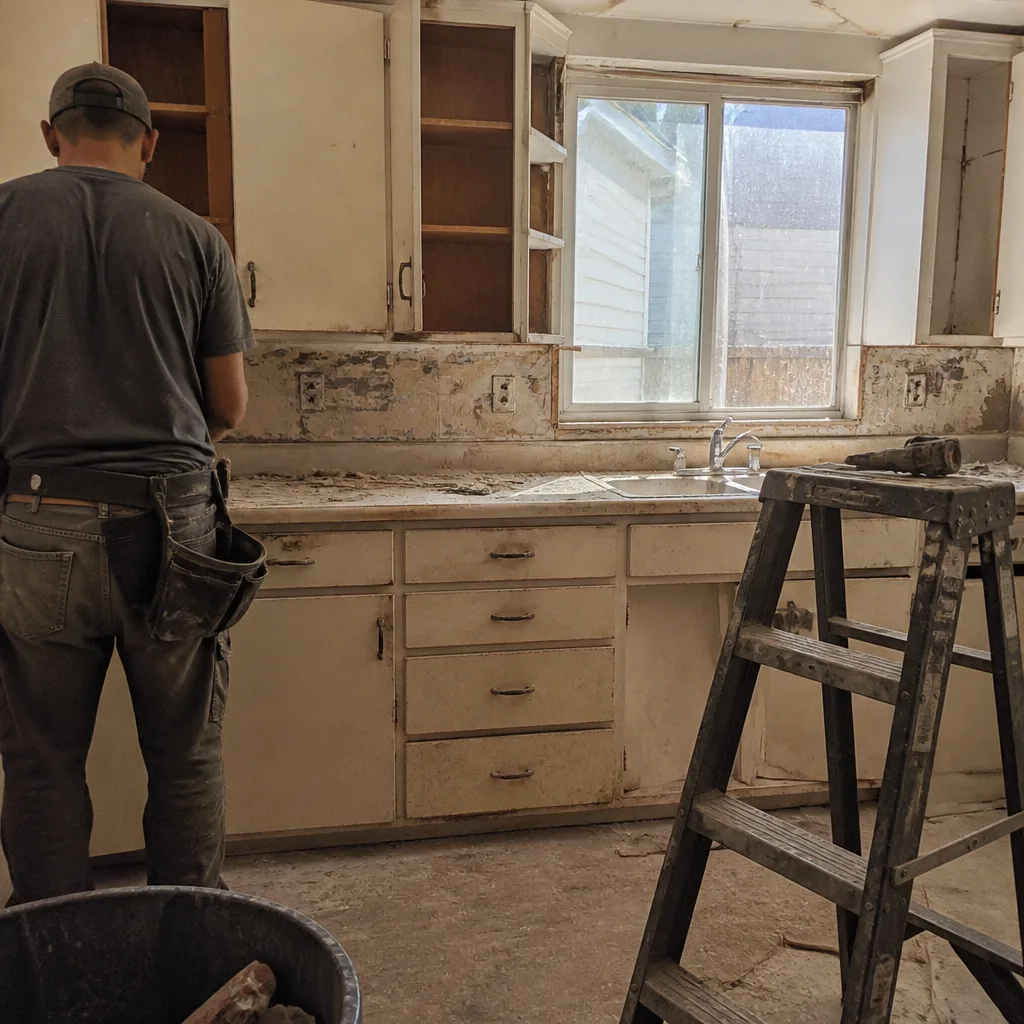 Before
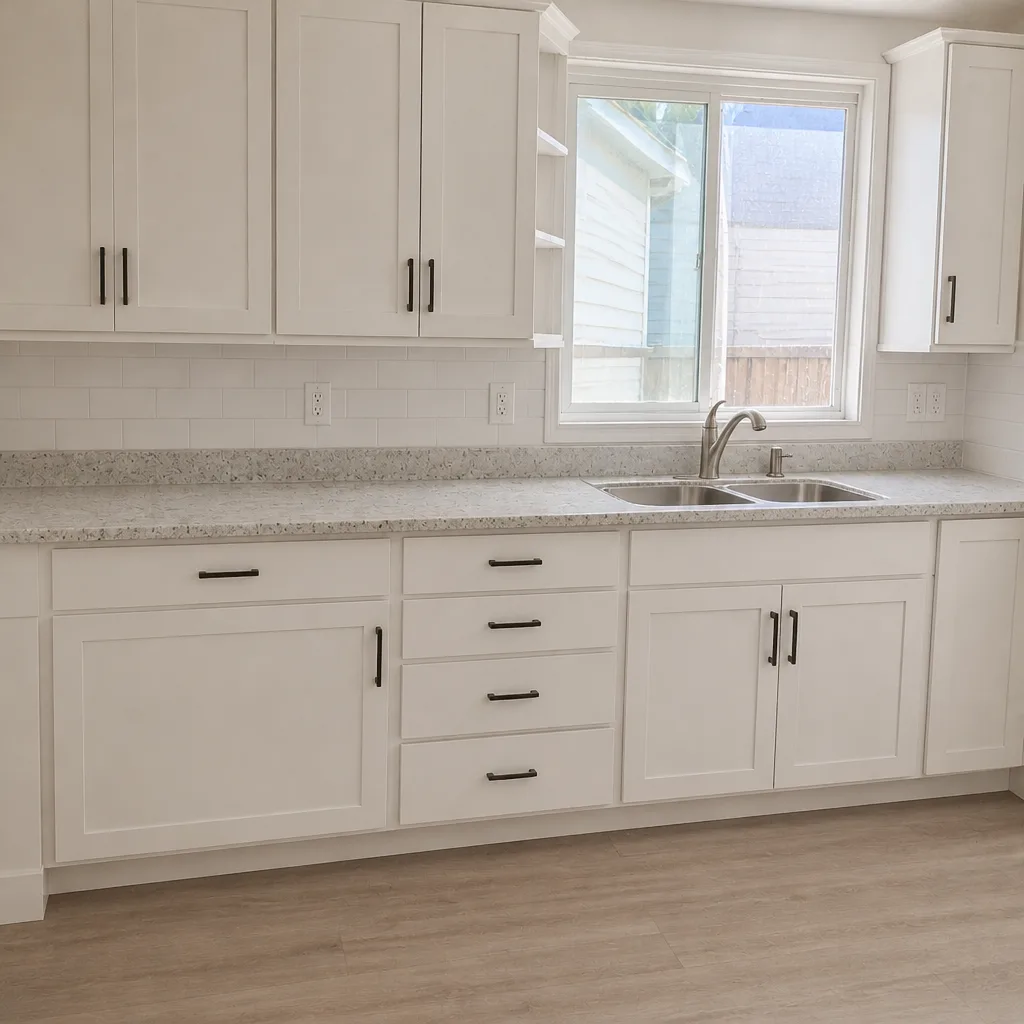 After
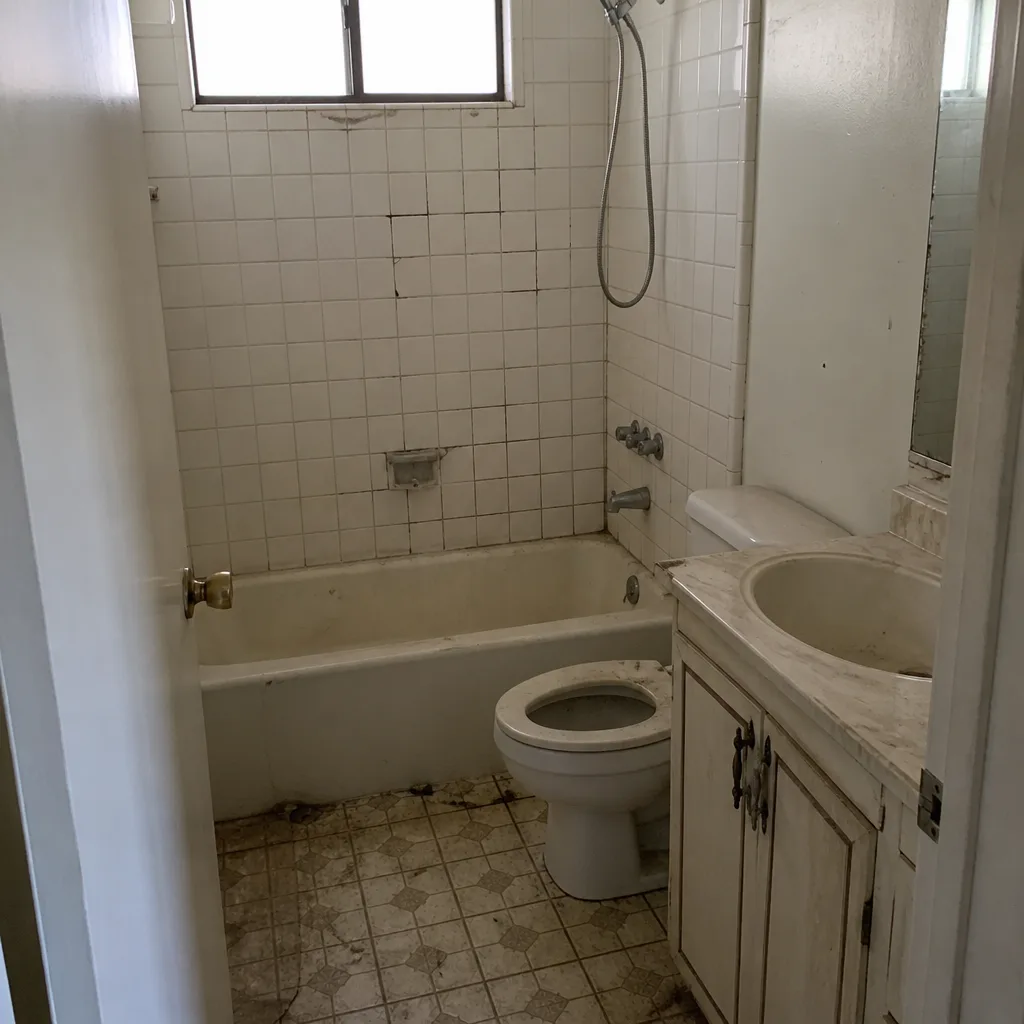 Before
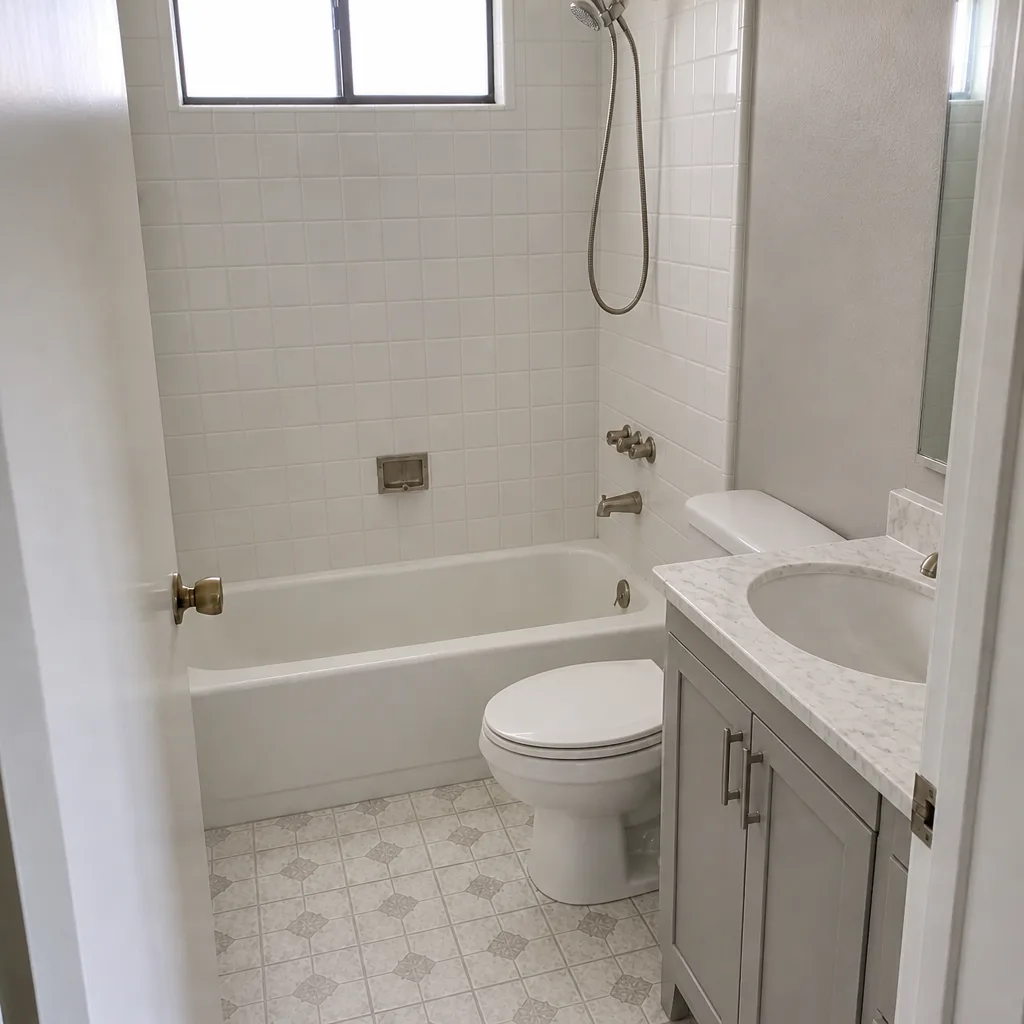 After
When to Call a Professional
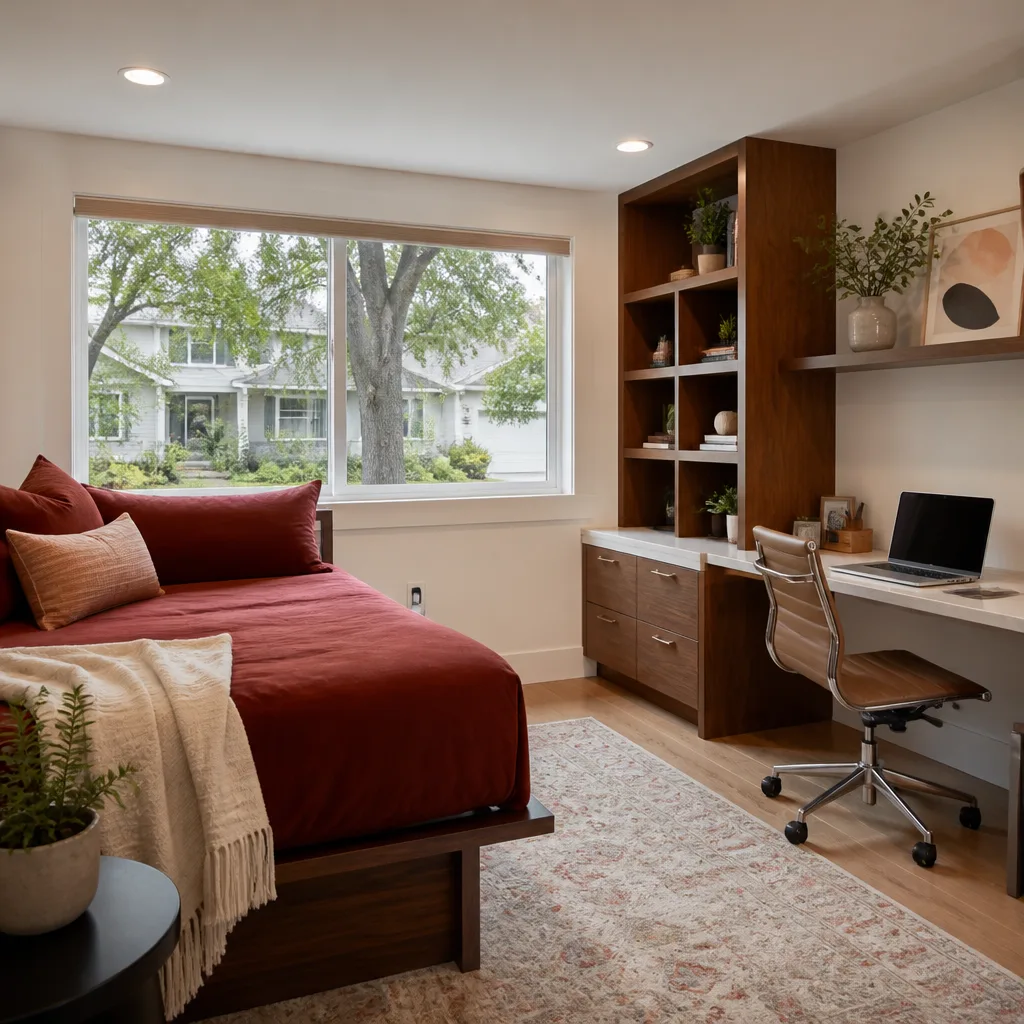
Call a licensed professional the moment a project touches structure, electricity behind a wall, gas, plumbing rough-in, waterproofing in a wet area, or anything that requires a building permit in Santa Clarita. Call sooner if the house is pre-1980 and the work could disturb lead paint or asbestos, or if you’re planning to sell in the next five years – unpermitted DIY work is a resale problem, and it’s cheaper to do it right than to retroactively permit it. The three diagnostic questions before any project: does the work require a permit, does the work require knowing what’s behind the wall, and is the failure cost greater than the bid? If the answer to any two is yes, hire out.
Penhallow Remodeling Santa Clarita offers free estimates in Santa Clarita – call (866) 383-6693. Every project gets a written price before any work starts, a defined arrival window, background-checked uniformed technicians, and our 365-Day Done Right Promise in writing. If the work fails inside the year, we come back and fix it at no charge.
Frequently Asked Questions
You can perform nearly any construction work on the home you own and occupy without holding a contractor’s license, including under a permit for structural, electrical, or plumbing work, as long as you pull the required permits and pass inspection. You cannot extend that exemption to rental property or to hired labor. If you pay someone else to do construction work on your home, the licensing requirement applies to them. Call (866) 383-6693 for a free second opinion on your scope – estimates are free.
Yes, for anything beyond a like-for-like fixture swap. If you’re rebuilding a shower pan, relocating plumbing or electrical, or changing the layout, Santa Clarita requires a permit and inspection. Cosmetic swaps like a new vanity top or faucet typically don’t require one. When in doubt, call the city’s building department – a five-minute call beats a five-figure remediation. Call (866) 383-6693 for a free written bid on any permitted bathroom scope.
Yes. California’s transfer disclosure statement requires you to disclose known unpermitted work, and title and permit searches routinely surface the gap between what the assessor’s record shows and what was actually built. Buyers and their agents negotiate price reductions, escrow holdbacks, or retroactive permitting costs – and retroactive permitting often means opening walls. Call (866) 383-6693 for a free estimate if you’re trying to price doing it right the first time.
Often not, and the exclusions are specific. Standard California policies exclude damage caused by your own faulty workmanship and typically exclude the cost of bringing unpermitted or code-deficient work up to current code after a covered loss. If structural or electrical work was done without a permit, expect the adjuster to consider that. Call your insurance agent before you start, and call (866) 383-6693 for a free written bid on the alternative.
Only if the DIY goes right the first time and you’ve already done the work. A kitchen remodel in Santa Clarita typically runs $18,000-$55,000 on a written professional bid, depending on layout, cabinet line, and countertop material. DIY material cost lands around $9,000-$20,000 for a mid-tier KraftMaid or Wellborn cabinet line with Silestone counters – before permits, re-plumbing, or any redo. Add the risk of redo at market rate, and DIY often costs more. Call (866) 383-6693 for an exact written number – estimates are free.
The two biggest are structural and insurance, and they overlap. Removing what looks like a non-structural wall can compromise a load path or lateral bracing – especially in a seismically active area like Santa Clarita – and standard homeowner policies exclude the resulting repair. The second is the disclosure problem at resale. Neither shows up until after the work is done. Call (866) 383-6693 for a free written estimate and a scope review before you start.
The Bottom Line
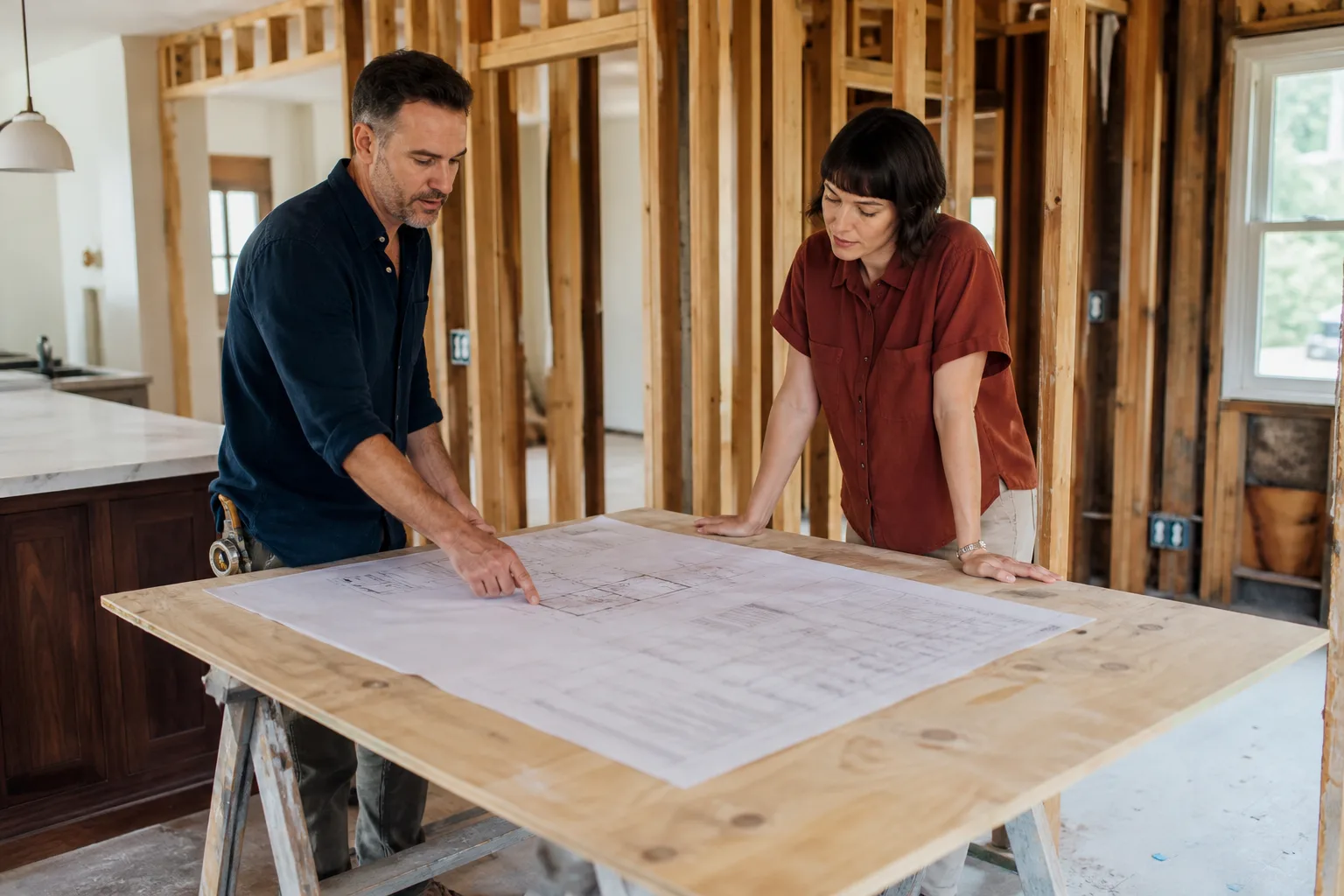
The DIY line isn’t a skill line. It’s a legal, insurance, and liability line – and it’s drawn by category, not by confidence. Painting, swapping a faucet, patching drywall, and laying tile on a sound substrate are green-zone projects that save real money. Anything that touches structure, electrical behind a wall, gas, plumbing rough-in, wet-area waterproofing, or a permit is not. In Santa Clarita, the climate, the seismic reality, and the resale disclosure rules all push the line in the same direction: do the easy work yourself, get a licensed professional for the rest, and always get the price in writing first. That’s the whole guide in three sentences.
Ready to price the professional side of any project? Call (866) 383-6693 for a free estimate from Penhallow Remodeling Santa Clarita. Every job gets a written price before work starts, a real arrival window, and the 365-Day Done Right Promise – if it’s not done right, we make it right. A live person answers the phone, day or night.
Written by the team at Penhallow Remodeling Santa Clarita.