Last updated November 18, 2026

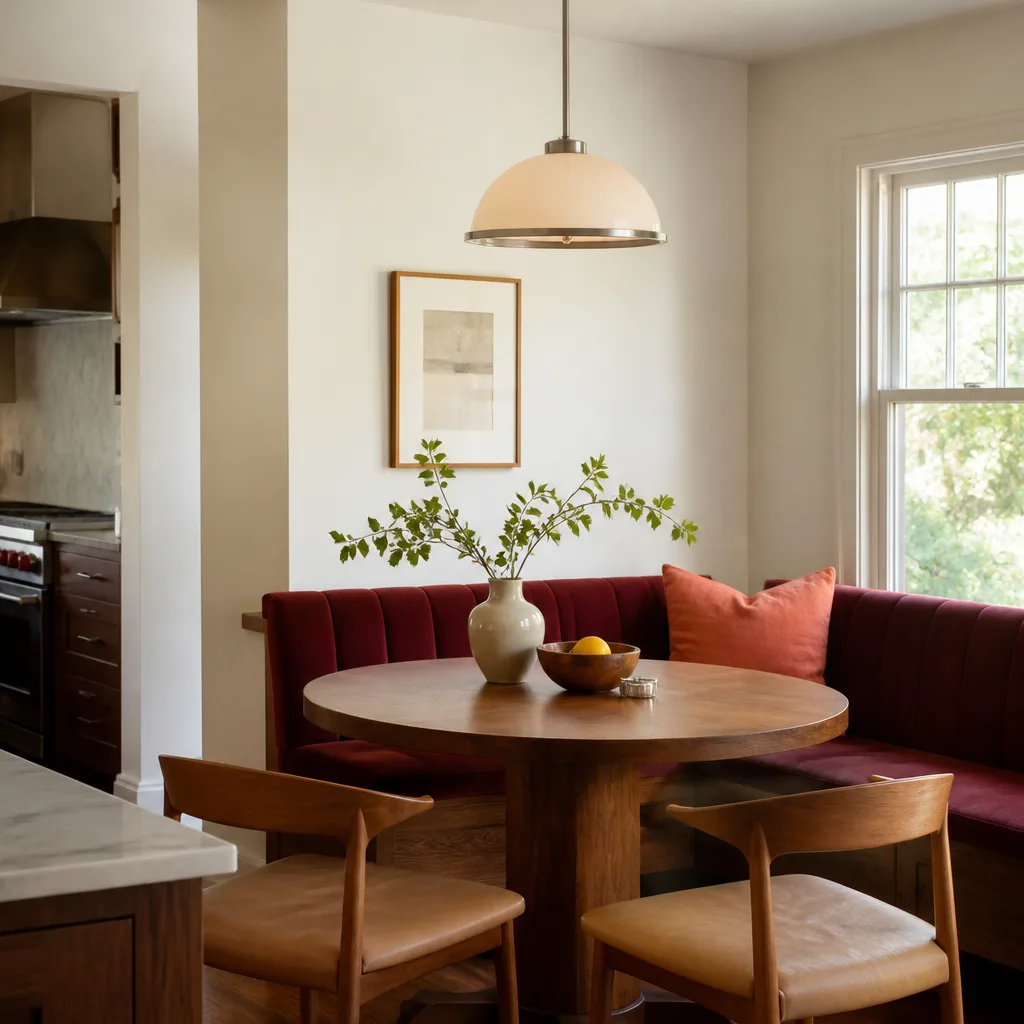
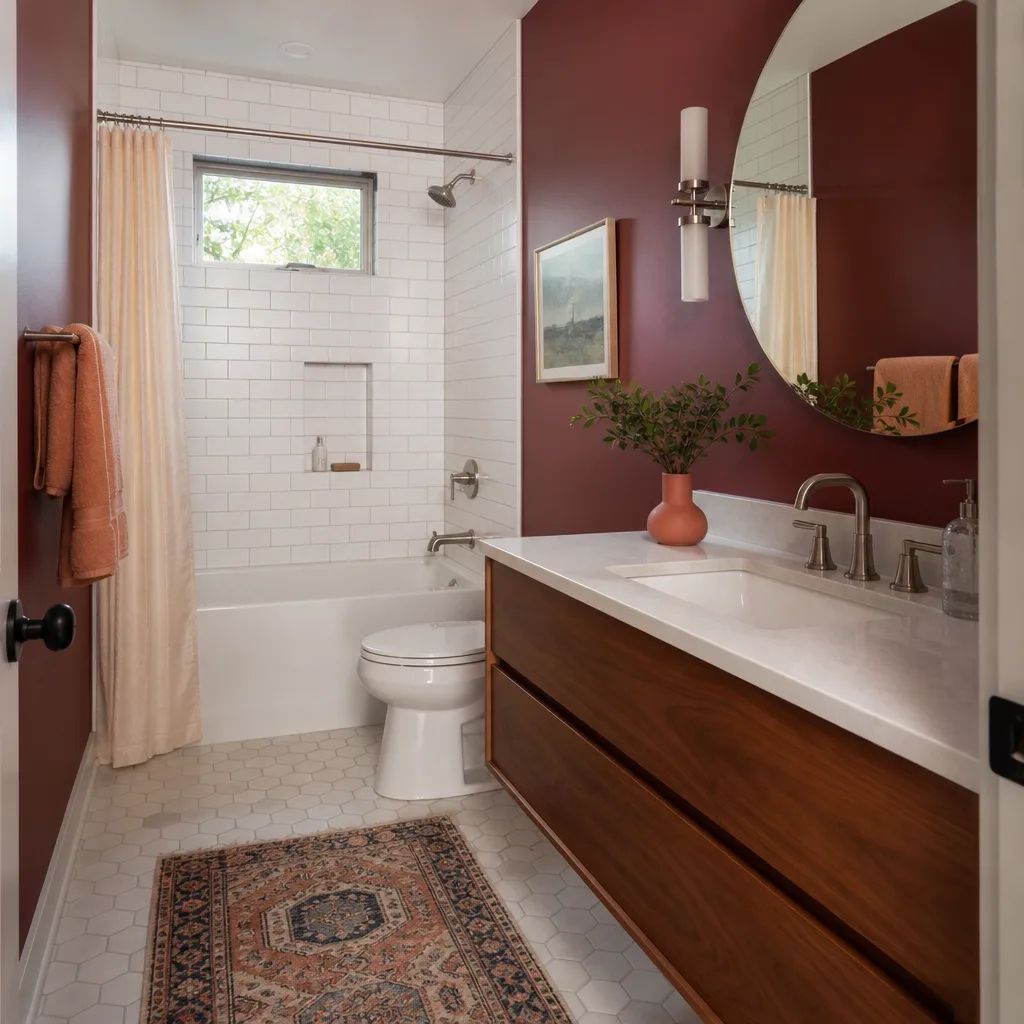

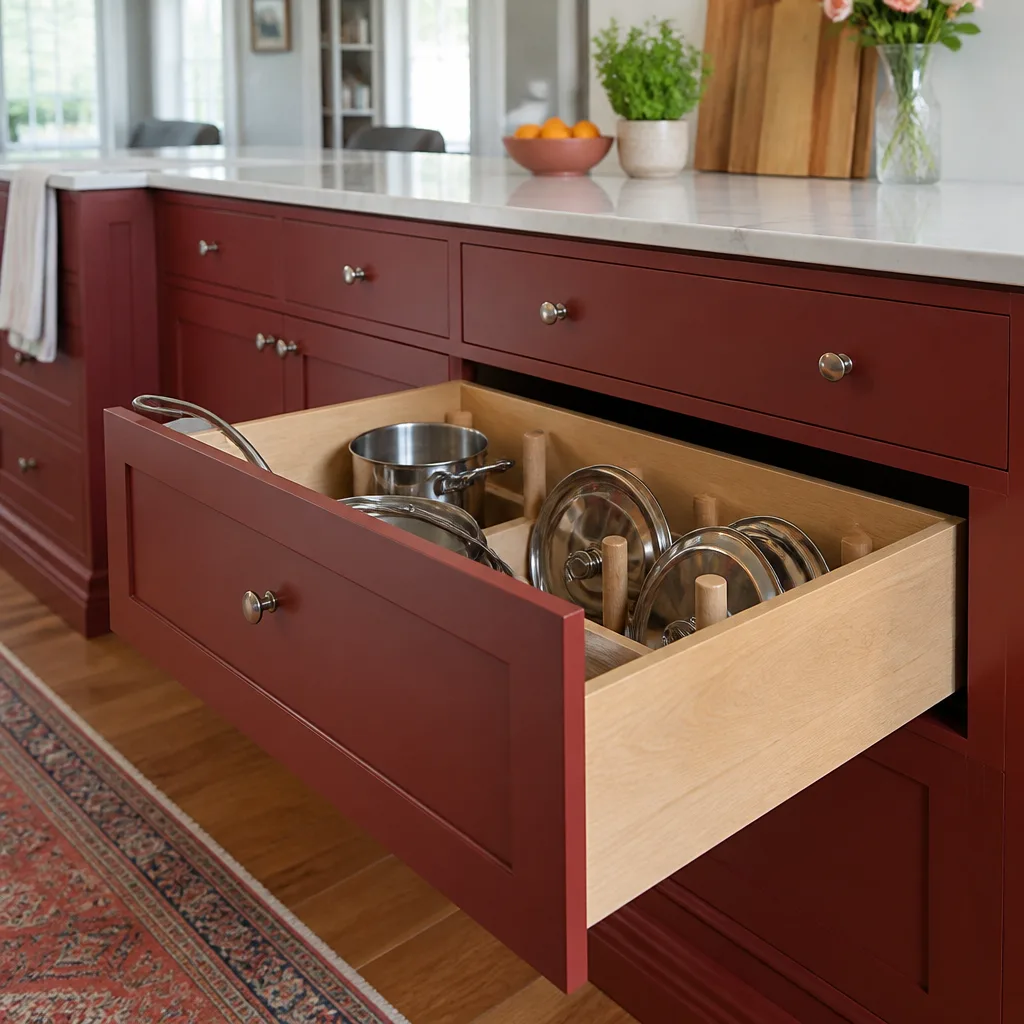
Free written scope consultation - allowances, timeline, and change-order rules on paper before a single trade is scheduled
Seasonal Construction Care for Santa Clarita: Year-Round Homeowner’s Guide
Painting exterior stucco in August in Santa Clarita is one of the most common contractor mistakes locals pay for. Paint applied above 90°F dries too fast to bond correctly, and by the following spring, it’s already chalking. The right months for that job are October or March. Santa Clarita doesn’t run on four textbook seasons. It runs on a heat season, a fire-wind season, a brief wet season, and a mild shoulder that’s the only comfortable stretch for certain exterior work. This guide lays out that calendar, month by month, so you can plan maintenance and remodels around temperature, humidity, and material cure times instead of around whoever happens to be available.
Quick Answer
In Santa Clarita, exterior painting, stucco repair, and roof work belong in the October – November or March – April shoulders, when temperatures sit between 60°F and 85°F and paint and sealants can cure properly. The September – October window before Santa Ana winds is when you inspect and harden the building envelope against embers. December through February is when you document drainage problems, not fix them. And interior remodels are best scheduled in late fall or winter, when permit offices are less congested.
Styles & brands we work with
- Kitchen remodeling
- Bathroom remodeling
- Home additions & ADU
- Roofing
- Windows & doors
- Driveway & pavers
- Fence
Table of Contents
- The Santa Clarita Construction Calendar
- Pre-Santa Ana Season: The Building Envelope Checklist
- Why the Wet Season Is for Finding Drainage Failures, Not Fixing Them
- What Summer Heat Does to Caulk, Sealants, and Deck Coatings
- Timing Your Remodel Around Permit Office Workload
- Interior Remodel Timing: Kitchens and Bathrooms
- The Shoulder Season: The Only Comfortable Stretch for Exterior Work
The Santa Clarita Construction Calendar
Most homeowners plan projects around when they have the money or when a contractor can start. In Santa Clarita, that’s backwards. The valley’s climate dictates what materials will do once they’re installed, and getting the month wrong shortens the life of the work. Here’s how the year actually breaks down for construction and maintenance.
- January – February (wet season): Rain totals are modest, but the storms that do arrive come hard and fast. Roofs, gutters, and drainage get tested. This is inspection and documentation season, not repair season.
- March – April (spring shoulder): Temperatures settle into the 60s and 70s. Paint bonds well, stucco patching cures evenly, and concrete pours finish without flash-drying. The best exterior window of the year alongside fall.
- May – June (warming): Still workable for exterior projects if you start early in the day. By late June, afternoon heat pushes past the safe range for most coatings.
- July – September (heat season): Afternoon temperatures routinely climb past 95°F to 100°F in Newhall, Saugus, and Valencia. Paint, caulk, and sealants cure too fast here. Interior work with the AC running is the sensible choice.
- October – November (fall shoulder): The other prime exterior window. Temps cool, humidity rises slightly, and coatings cure at the right rate.
- September – October (fire-wind season): Santa Ana winds arrive from the interior. This overlaps with the fall shoulder, so envelope hardening checks happen alongside any exterior painting.
The point isn’t that you can’t do work outside these windows. It’s that the same job done in the wrong month costs more later. We’ve seen stucco painted in July in Santa Clarita that looked fine in August and was flaking by the next February.
Pre-Santa Ana Season: The Building Envelope Checklist
Santa Clarita sits in a high fire-hazard zone, and the Santa Ana winds that push through the valley each fall turn dry brush into a genuine risk. CAL FIRE research on ember intrusion is specific: most homes lost to wildfire aren’t ignited by the flame front, they’re ignited by embers that find their way through vents, gaps, and attic openings. The building envelope is where you fight that, and the window to check it is September through October, before the strongest winds arrive.
Walk your house with this list in hand:
- Attic and foundation vents: Check that every vent opening is covered with 1/8-inch or smaller metal mesh. Embers larger than that can pass through standard screens and ignite attic insulation.
- Roof-to-wall junctions: Look for gaps where the fascia meets the wall, and where the roof covering meets the siding. These are common ember entry points on tract homes in Canyon Country and Saugus.
- Eaves and soffits: Inspect the underside for open joints, cracked caulk, and gaps around penetrations. Soffit vents without baffles or mesh are a documented ember pathway.
- Gutters: Clear dry leaves and debris. A gutter packed with dry material becomes a horizontal wick that carries fire along the roofline.
- Chimney and dryer vents: Confirm spark arrestors and vent covers are intact and sealed at the wall.
- Decks and attachments: Check where wood decks meet the house for gaps. Embers collect in these corners.
- First five feet around the foundation: Remove anything combustible within five feet of the wall, including wood mulch, stored lumber, and dry vegetation.
These are inspection items, not weekend DIY demolition. If you find gaps at the roof-to-wall junction or suspect attic vent deficiencies, that’s envelope work for a trained professional. A contractor who pulls permits and knows local fire code is the right call, and it’s the kind of thing a general contractor in Santa Clarita should be able to assess during a free estimate.
Why the Wet Season Is for Finding Drainage Failures, Not Fixing Them
Santa Clarita gets most of its rain between December and February, and the storms come in short, intense bursts. A season might deliver 12 to 18 inches total, but a single storm can drop two inches in a day. That’s enough to expose every drainage weakness in your yard and roof in a single afternoon.
The instinct is to call someone to fix the problem while the rain is falling. Don’t. Wet-season repair is expensive, rushed, and often temporary. What you want to do in the wet season is document.
- Photograph standing water in your yard, driveway, and around the foundation. Note the time and date, and how long the water takes to drain.
- Video the water path from the gutter downspouts to wherever it goes. You’re looking for pooling against the foundation, runoff toward a neighbor, or water that bypasses the drains entirely.
- Check the attic during a storm. Water stains on the underside of roof sheathing and rafters are the earliest sign of roof failure, and they show up within hours of a leak starting.
- Note any doors or windows that stick during or after rain. Swelling at these points indicates water getting into the framing or the substrate behind the trim.
- Photograph any cracks in stucco, driveway, or foundation and check whether they’re wider when wet than when dry.
That documentation becomes a spring contractor conversation. Rather than describing a vague “water problem,” you show a contractor the video of the downspout dumping against the corner of the house, and they know exactly what to quote. We’ve seen homeowners save thousands because they waited three months and gave a contractor real information instead of a panicked call during the storm.
What Summer Heat Does to Caulk, Sealants, and Deck Coatings
Santa Clarita’s summer heat doesn’t just make you uncomfortable; it attacks specific materials at specific failure points. The most expensive repairs we quote in fall are almost always the result of a summer failure that nobody checked in April. Knowing what fails first lets you check the right things.
- Caulk around windows and doors: Latex and silicone caulk cure faster than the substrate can expand. In direct sun, 100°F surface temperatures bake the caulk before it forms a proper bond, and it pulls away by the first cool night. Cracked caulk becomes a water channel into the wall cavity.
- Deck coatings and stains: Deck boards and the coating on them expand at different rates under heat. Coatings applied above 90°F can fail within a single season, and once the coating cracks, the wood beneath it takes UV damage directly.
- HVAC sealants and duct connections: Mastic and foil tape on duct connections in the attic are exposed to 130°F or higher in summer. Standard foil tape adhesive loses grip at those temperatures, and the tape peels back, leaking cold air into the attic and running up your bill.
- Exterior paint on stucco and siding: As the opening example shows, high-heat paint dries too fast to bond. James Hardie siding, properly installed with the manufacturer’s paint finish, handles heat better than field-painted surfaces because the finish is factory-applied.
- Roof sealant at flashing: Roofing cement and flashing sealant are the thinnest layer at the most vulnerable point. A hot summer softens them, and a wet winter works them loose.
An April check of these five items, before the heat arrives, is the single cheapest maintenance move a Santa Clarita homeowner can make. It’s a matter of walking the perimeter with a flashlight and a screwdriver, pressing on the caulk line, and looking at the attic tape.
Timing Your Remodel Around Permit Office Workload
Every renovation in Santa Clarita, including kitchen and bathroom remodels, requires permits. The permit office processes applications in cycles, and the cycle matters as much as the construction itself. Spring is the busiest application season because that’s when most homeowners plan summer projects. Filing in February or March can put you in line behind a rush, and plan check that would normally clear in a few weeks can take 10 or more.
The practical strategy:
- File in late fall or winter. November through January is the slowest permit season in the valley. A clear plan set submitted in December typically clears plan check faster than the same plan submitted in April.
- Submit complete drawings the first time. The single biggest cause of plan check delay is an incomplete submittal. If your drawings are missing structural calculations for a load-bearing wall change or lack a clear scope, you’re back in the queue.
- Confirm the inspection schedule before construction starts. A remodel that clears plan check in February can be scheduled for a spring start with inspections already calendared.
- Don’t assume the contractor handles permits. Ask. Our written price before any work starts includes the permit pull on projects that require one, and that commitment appears on the contract, not just in conversation.
The result of timing this right is that your project starts when the weather supports it, not when the paperwork finally clears. That’s a real scheduling advantage for a kitchen or bathroom remodel in Santa Clarita.
Interior Remodel Timing: Kitchens and Bathrooms
Interior work is less weather-dependent than exterior, but it isn’t immune to the Santa Clarita calendar. Summer is the best time to be inside a house that’s under construction, because the AC runs through the whole project and keeps the crew comfortable and the materials stable. Cabinets, countertops, and tile all install better under controlled indoor conditions than in an unconditioned garage.
Here’s what drives the number on an interior remodel in Santa Clarita, using real ranges:
- Kitchen remodels: $18,000 – $55,000 depending on layout, cabinet line, and countertop material. A mid-range project with KraftMaid or Wellborn cabinetry and a Silestone countertop sits roughly in the middle of that band. A Cambria or Caesarstone countertop with a full layout change pushes toward the upper end.
- Bathroom remodels: $9,000 – $28,000 depending on tile, fixture package, and whether the layout moves. A fixture package from Kohler, Moen, Toto, or American Standard is where homeowners get the most enduring value.
- Whole-home remodels: $60,000 and up. These require the full permit cycle and the longest lead time for materials.
Plan an interior remodel for the heat season, when the crew is working inside anyway and the exterior of the house isn’t in use. Schedule a bathroom remodeling in Santa Clarita for late summer or fall and you’ll hit the shoulder season for any exterior touchup (new exterior door, window replacement, or siding repair) once the bathroom is done. If the project includes a kitchen, that same window works the same way.
The Shoulder Season: The Only Comfortable Stretch for Exterior Work
March through April and October through November are the two stretches when Santa Clarita’s temperatures, humidity, and wind patterns line up with what exterior materials need. Paint bonds. Caulk cures. Stucco patches dry at the right rate. Concrete doesn’t flash dry in the sun. These are the months to schedule anything that lives on the outside of the house.
What belongs in the shoulder season:
- Exterior painting of stucco, siding, and trim
- Stucco patching and repair
- Roof replacement or significant roof repair
- Exterior siding projects with James Hardie board
- Deck resurfacing and coating
- Window and exterior door replacement
- Driveway and hardscape work, where pour temperature matters
What doesn’t belong: exterior paint in August, deck coatings in July, or any coating application over 90°F surface temperature. A crew that schedules these in summer is either working too fast to do it right or hoping you won’t notice the failure until the guarantee is irrelevant. Our 365-Day Done Right Promise exists because we’ve seen what a rushed summer exterior job does when the first cool weather hits it: the material fails, and the phone call comes. If it’s not done right, we make it right, backed in writing on every project.
Common Mistakes to Avoid
- Painting stucco in July or August. Surface temperatures on a south-facing wall hit 120°F on a 95°F day. The paint skins before it bonds, and the failure shows by winter. Wait for October or March.
- Waiting for the first storm to check drainage. By then it’s too wet to diagnose properly and too late to schedule a spring repair on your timeline. Document during the rain and quote after the ground dries.
- Skipping the September fire-season envelope check. CAL FIRE research is clear that ember intrusion through vents and gaps is the primary cause of home loss. A few hours of inspection in September is the cheapest insurance you can buy in Santa Clarita.
- Filing permits in April. Spring is the busiest cycle, and plan check can run 10 or more weeks. November through January is a fraction of the wait.
- Assuming duct tape is fine in the attic. Standard foil tape peels off in Santa Clarita summer attic heat. Duct connections should be sealed with mastic or a high-temperature-rated tape.
- Treating “free estimate” as a verbal promise. A range isn’t a price. The number you need is in writing before any work starts, and it should be the same number on the invoice.
- Letting a repair fail twice before calling someone. The free return visit if a repair fails is a real standard in a written guarantee. If a contractor won’t put it in writing, that tells you something.
See the difference
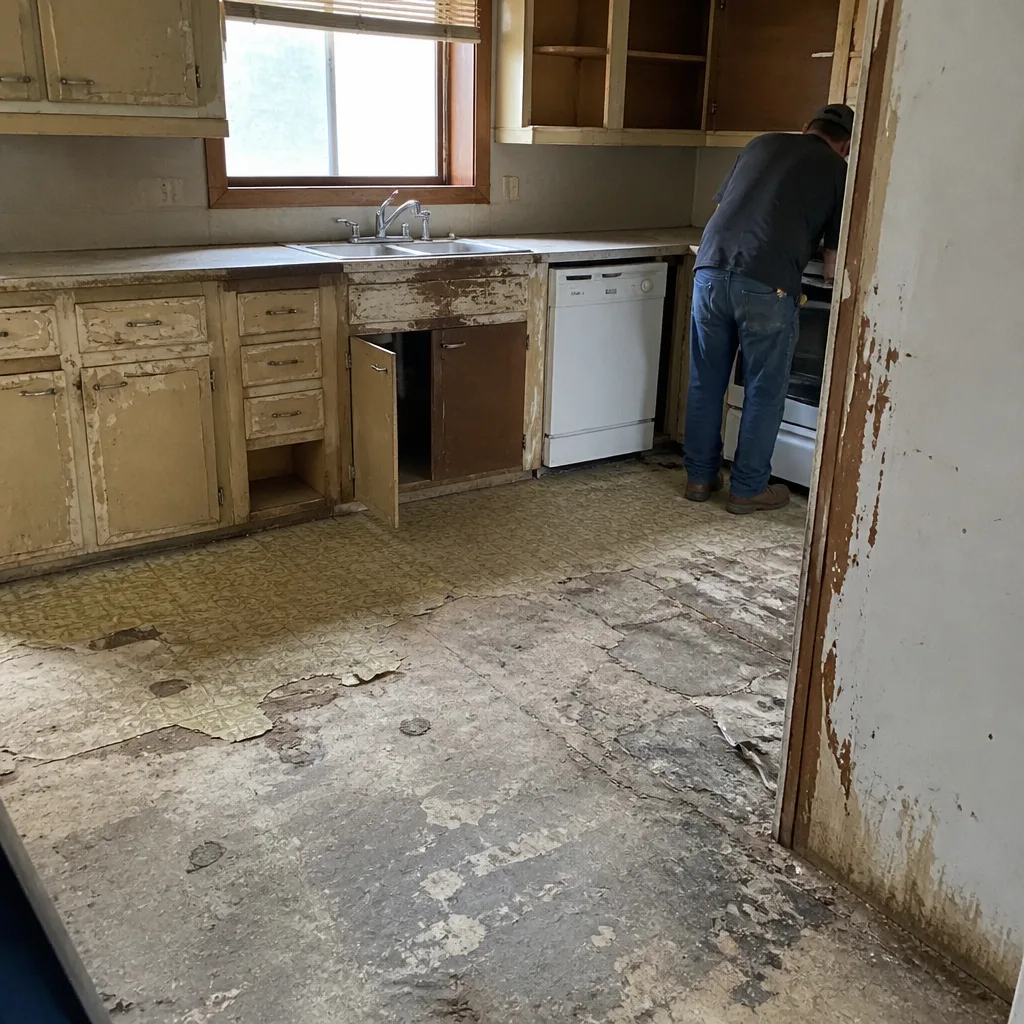 Before
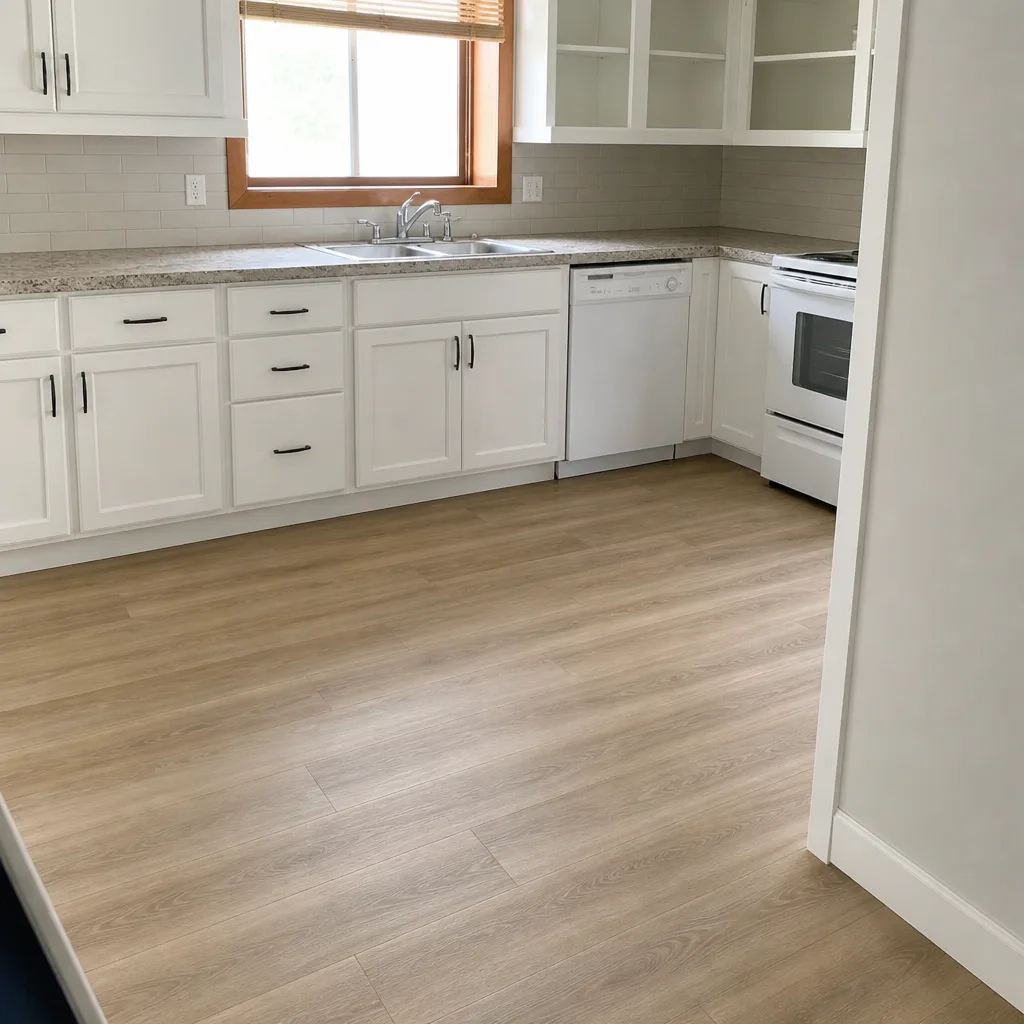 After
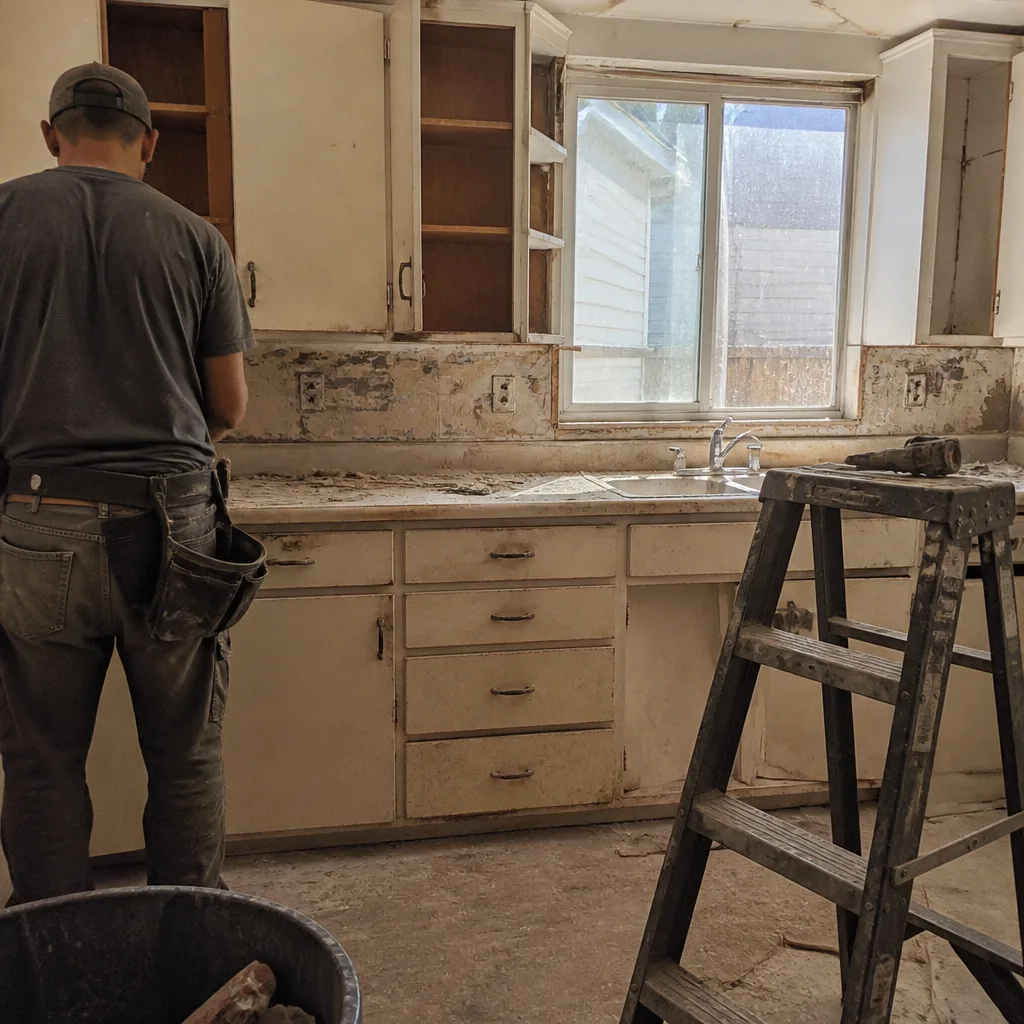 Before
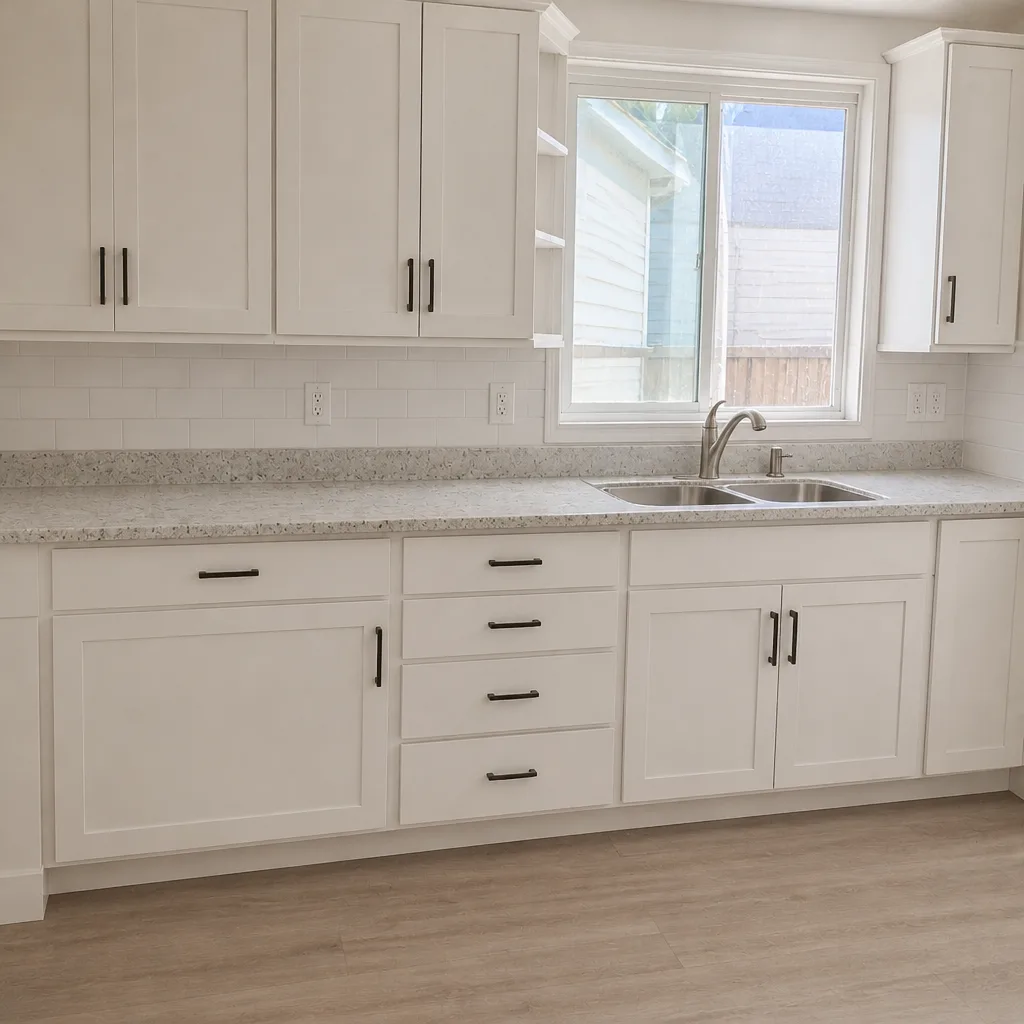 After
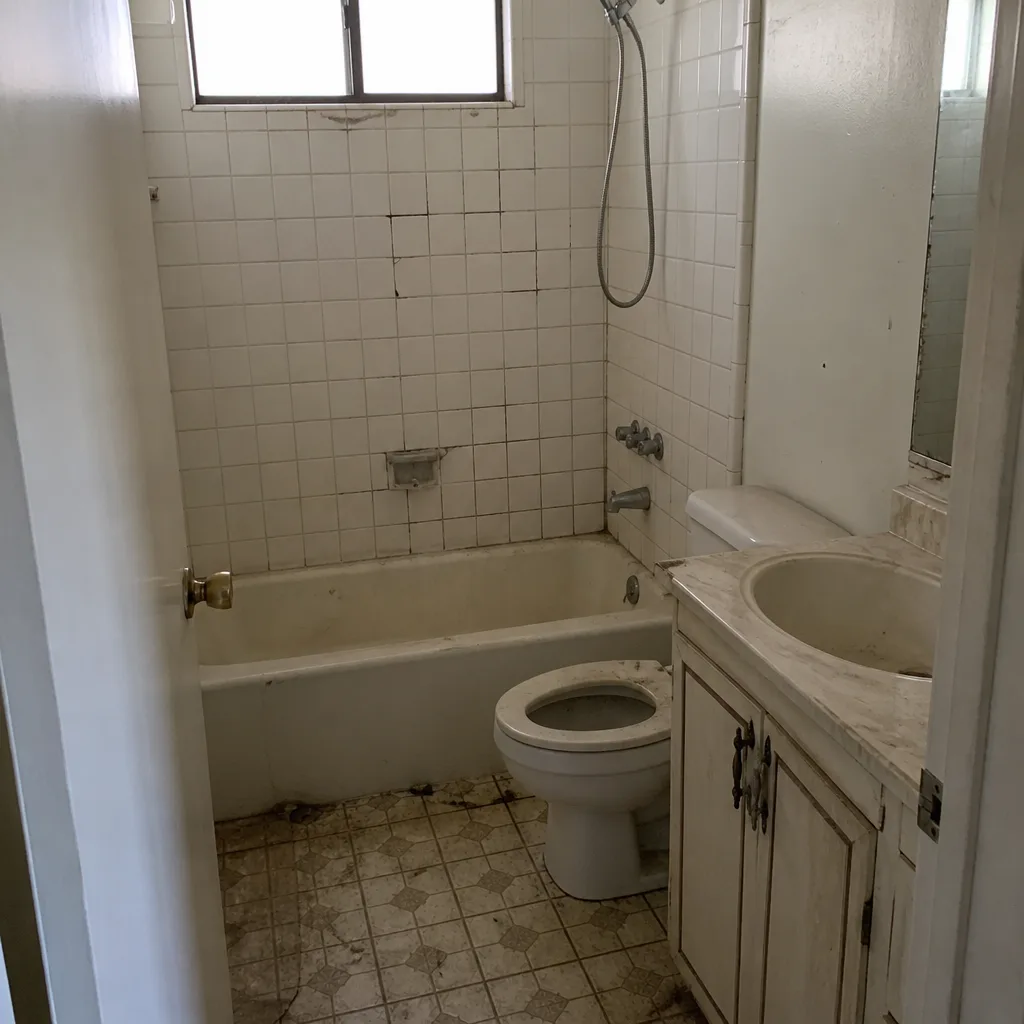 Before
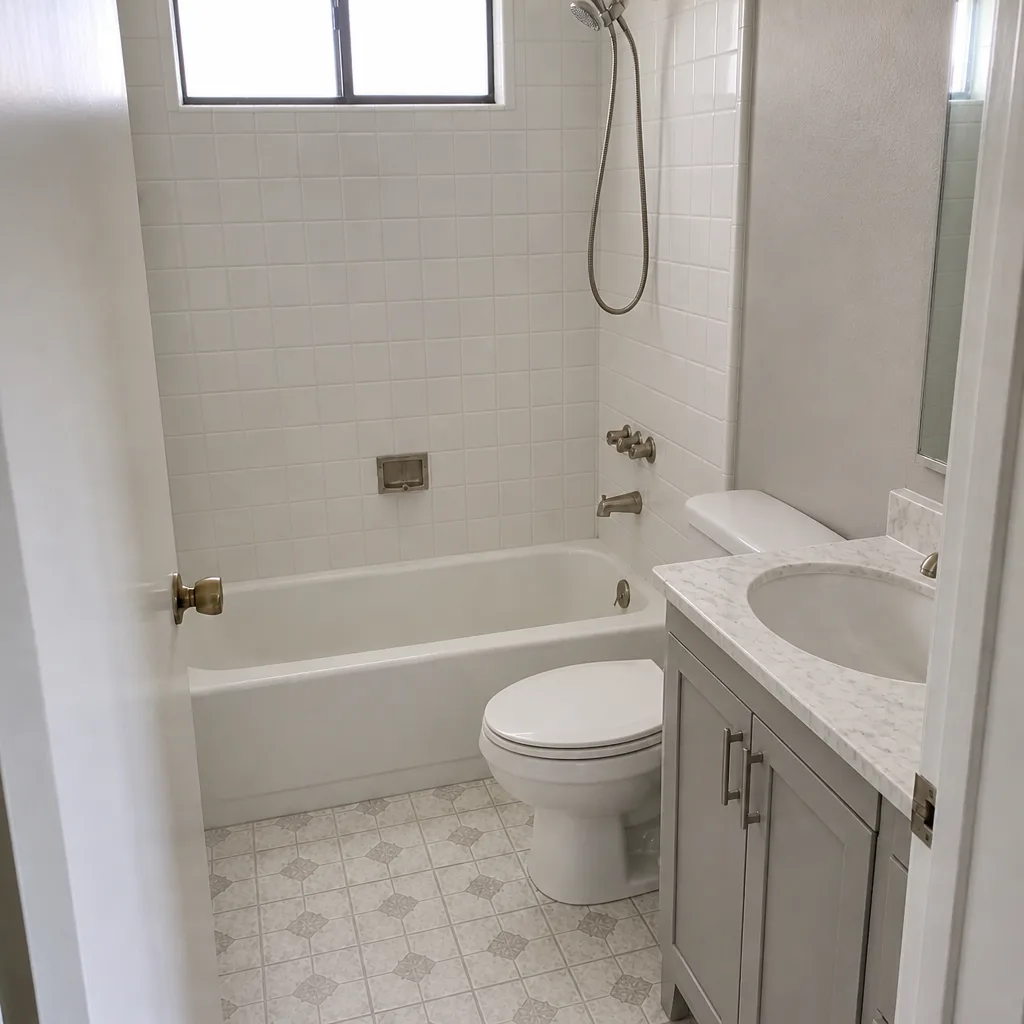 After
When to Call a Professional
Some of this list a homeowner can handle: photographing drainage, walking the perimeter with the fire-season checklist, noting caulk cracks. The rest is professional work. Call a licensed contractor for anything involving the building envelope above one story, attic vent and mesh work, roof repair, stucco patching, siding replacement, or any interior remodel that requires a permit. And call before the work fails, not after. A stucco crack that’s quarter-inch wide in October becomes a two-foot section of delaminated finish by spring. Penhallow Remodeling Santa Clarita offers free estimates in Santa Clarita. Call (866) 383-6693 to schedule a walkthrough. Background-checked, uniformed technicians arrive in the window we give you, and a real person answers the phone at any hour.
Frequently Asked Questions
October or March. Temperatures in those months sit in the 60s and 70s, humidity is in the right range, and paint bonds and cures at the correct rate. Painting above 90°F surface temperature causes the paint to skin too fast to bond, and the failure shows up by the following spring.
Yes, because the rain comes in short, intense storms rather than steady drizzle. A single storm can drop two inches in a day, and that’s enough to expose roof leaks, foundation pooling, and downspout problems across the whole property. Document what you see in December through February and schedule repairs in spring. Call (866) 383-6693 for a free estimate once the ground dries.
Peak Santa Ana wind season runs September through November, though winds can arrive earlier. Check your attic and foundation vents for 1/8-inch mesh, inspect roof-to-wall junctions for gaps, clear dry debris from gutters, and confirm soffit vents are covered. Ember intrusion through these openings is the leading cause of home loss in wildfires, according to CAL FIRE research.
A typical kitchen remodel runs 8 to 14 weeks from permit approval to completion, depending on cabinet lead times and whether walls are moved. The permit cycle adds more if you file in the spring rush; file in late fall or winter for the fastest plan check. Pricing ranges from $18,000 to $55,000 based on layout, cabinet line, and countertop. Call (866) 383-6693 for an exact written quote, and estimates are free.
Visual inspection you can do yourself: walk the perimeter, photograph gaps, note vent mesh condition. Any actual work on vents, soffits, or roof-to-wall junctions should go to a licensed contractor. Those are envelope penetrations where the fix either seals the entry point correctly or creates a new one. Call (866) 383-6693 to have a trained plumber, electrician, roofer, or contractor assess what you found.
Not on our projects. Every homeowner gets a written price before any work starts, and the number on day one is the number on the invoice. If we discover something behind the wall that genuinely changes the scope, we stop and put the change in writing for your approval before proceeding; there are no surprise change orders after demo day.
The Bottom Line
Santa Clarita’s climate has opinions about when materials get installed, and the homeowners who plan around those opinions spend less on repairs and get longer life out of every finish. Paint in the spring and fall shoulders, not summer. Inspect the envelope before Santa Ana winds in September. Document drainage during the wet season and repair it in spring. Time your kitchen or bathroom remodel to hit the slow permit cycle. The full 365-Day Done Right Promise, the written price before work starts, and the written guarantee on every project are the standards we bring to all of it, in every month of the year. Call (866) 383-6693 for a free estimate and a written price before a single cabinet is pulled or a single tile is set.
Written by the team at Penhallow Remodeling Santa Clarita.