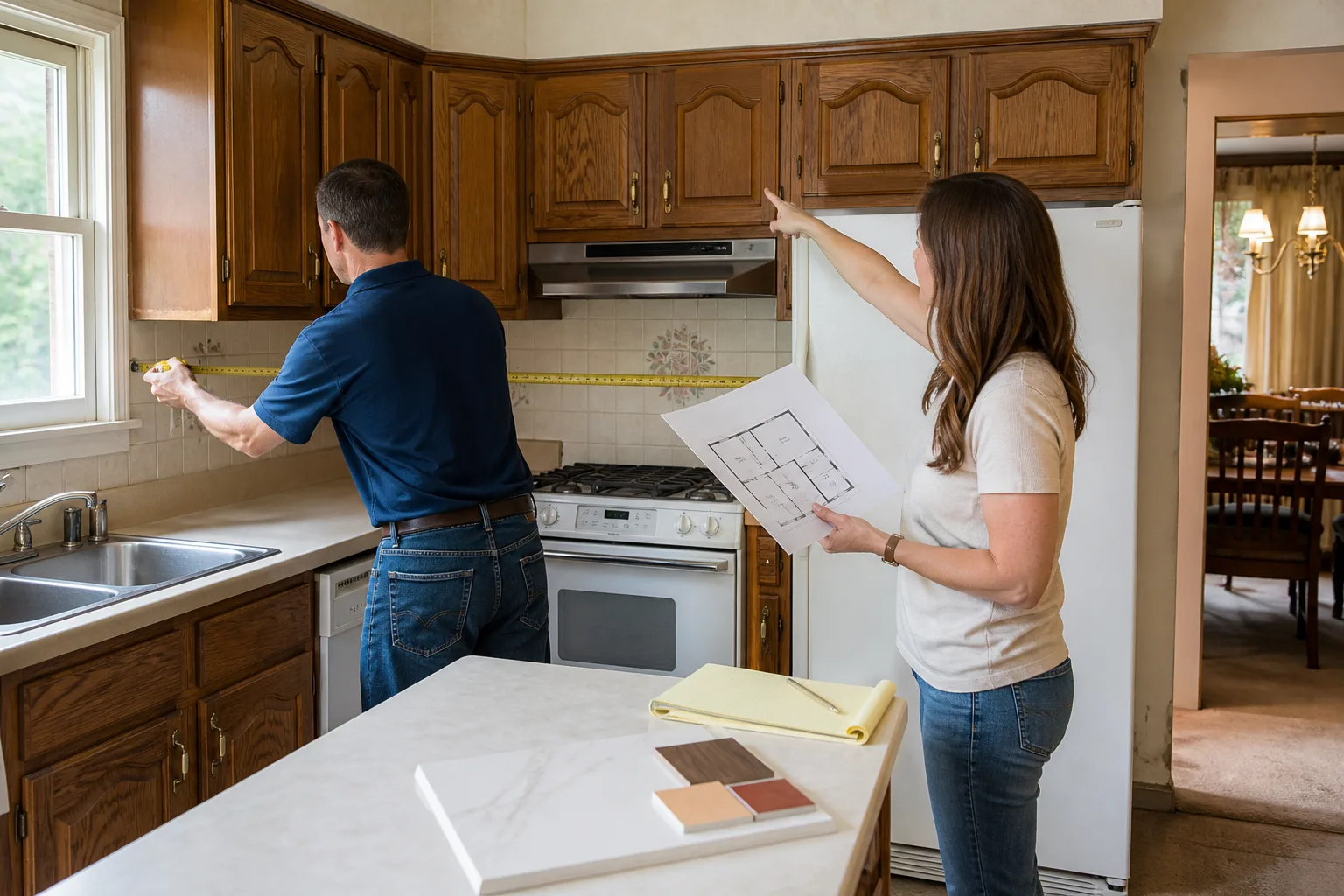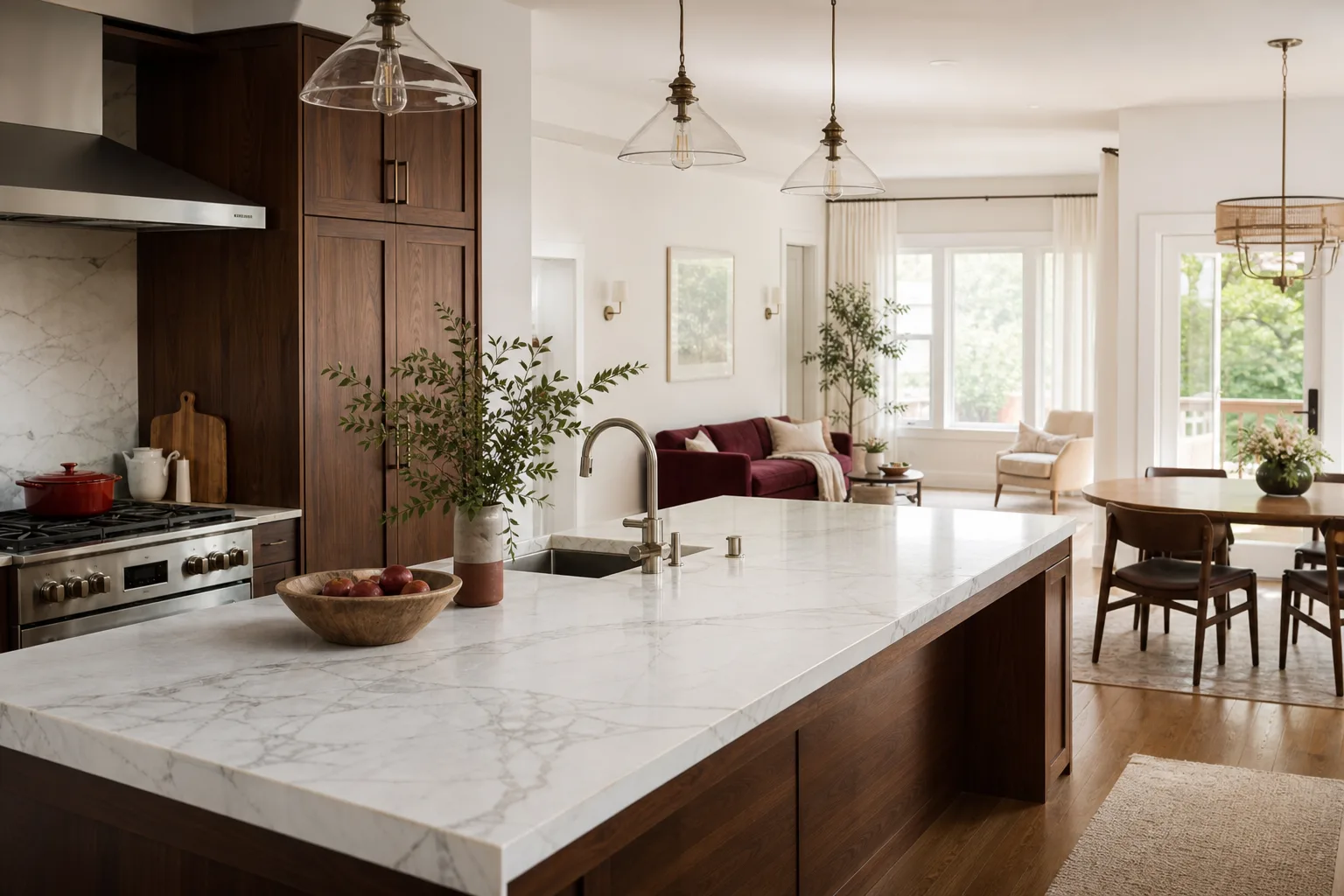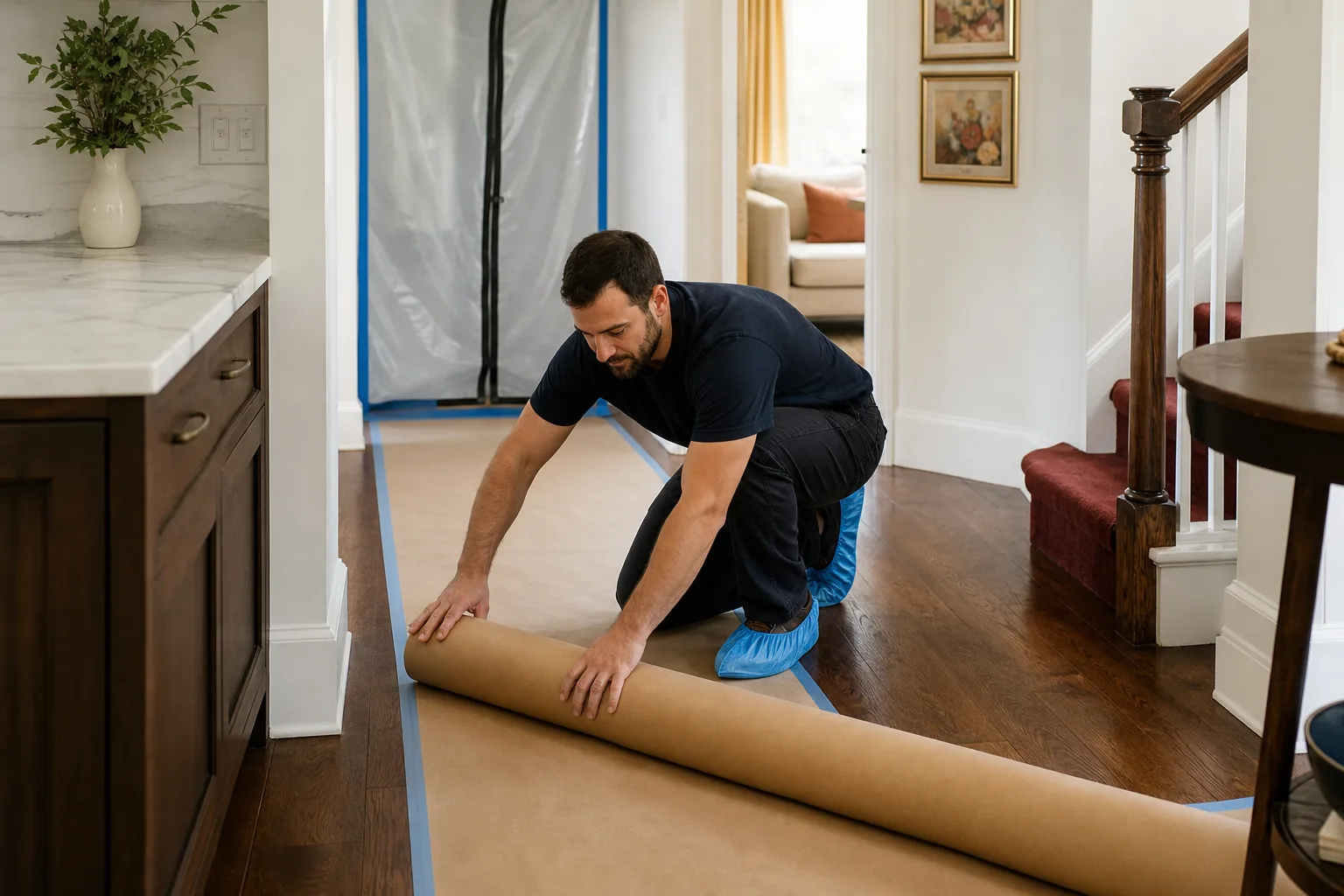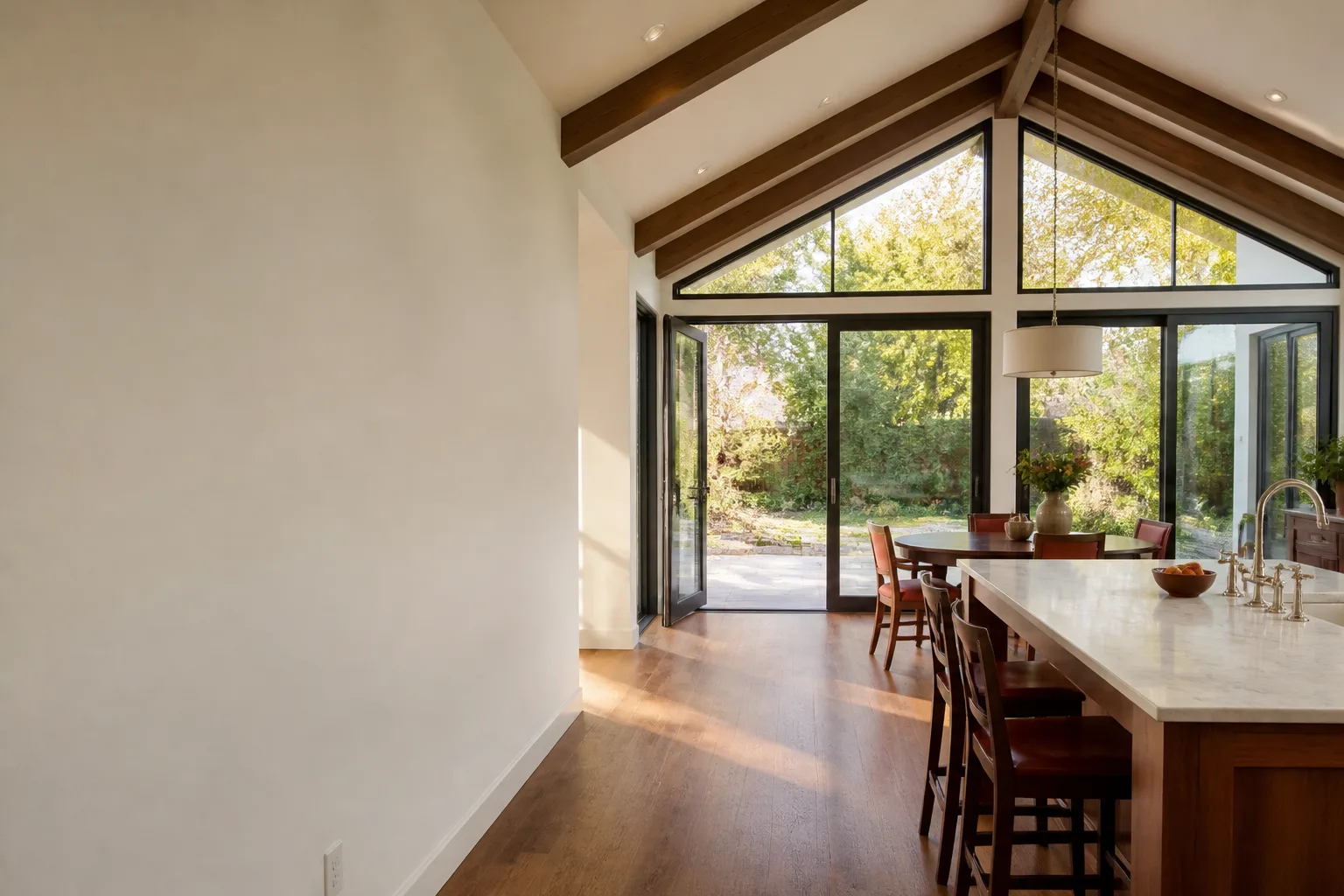
Free written scope consultation - allowances, timeline, and change-order rules on paper before a single trade is scheduled
Styles & brands we work with
- Kitchen remodeling
- Bathroom remodeling
- Home additions & ADU
- Roofing
- Windows & doors
- Driveway & pavers
- Fence
See the difference
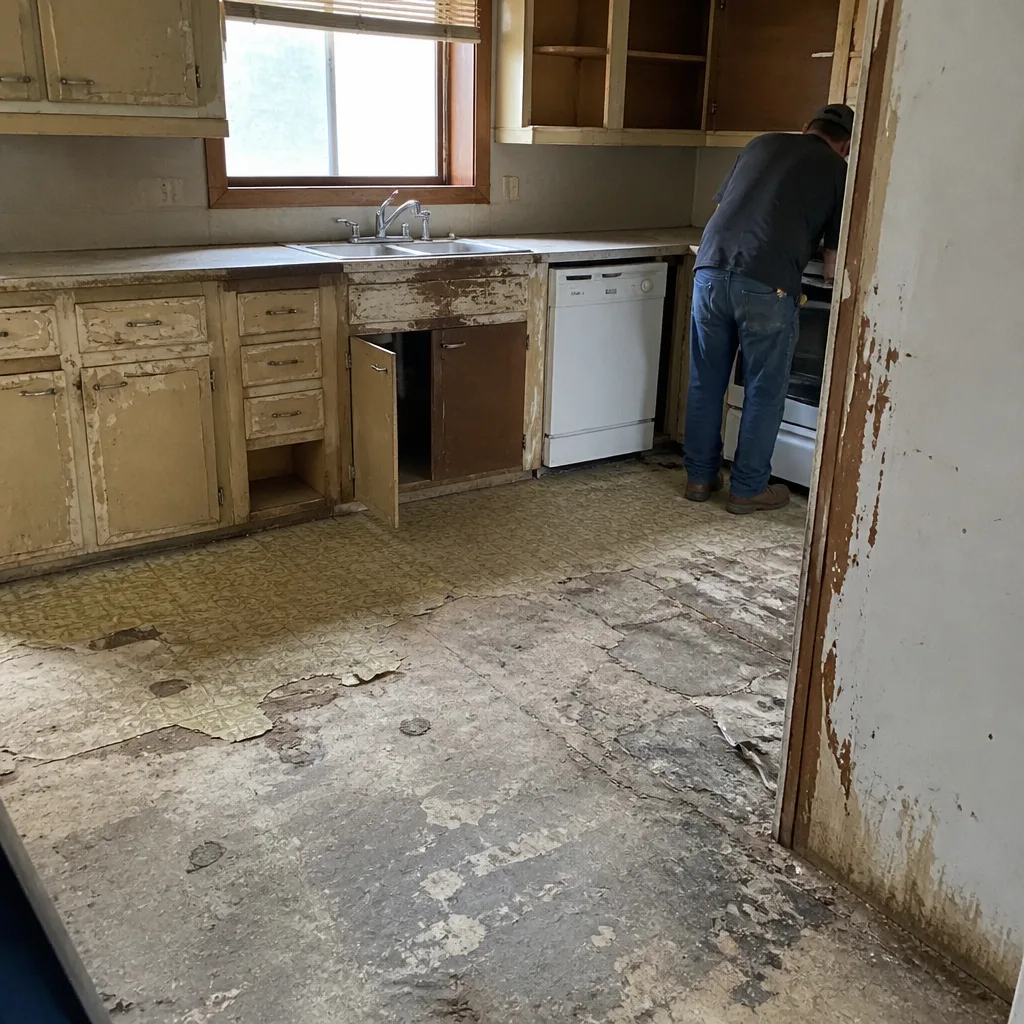 Before
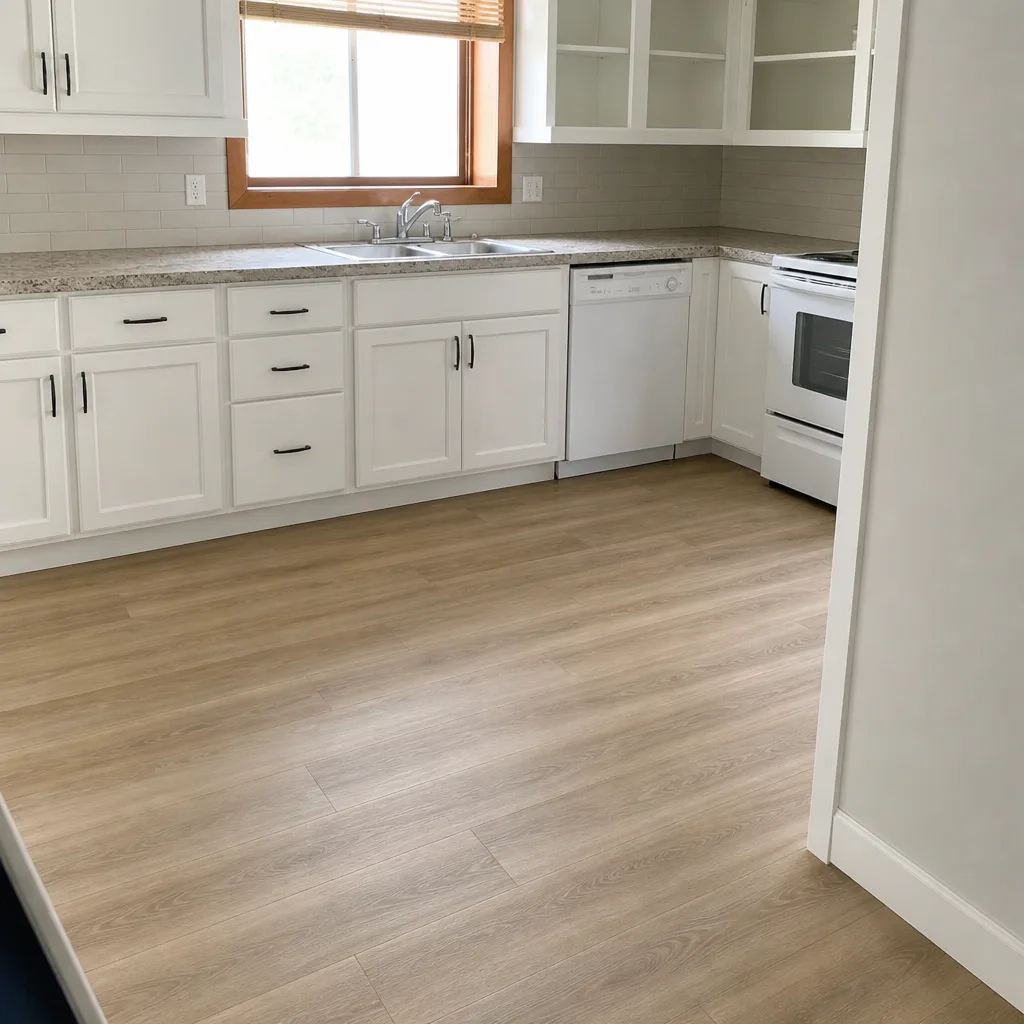 After
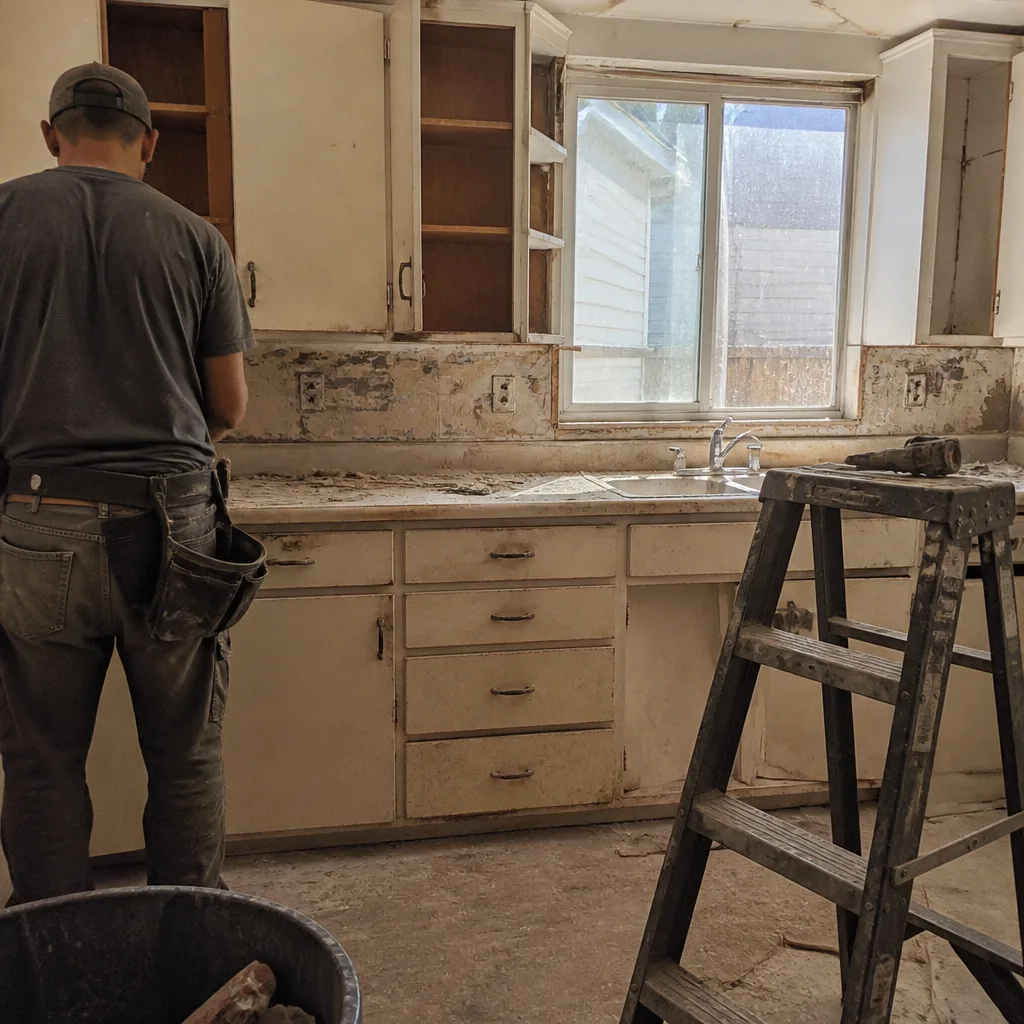 Before
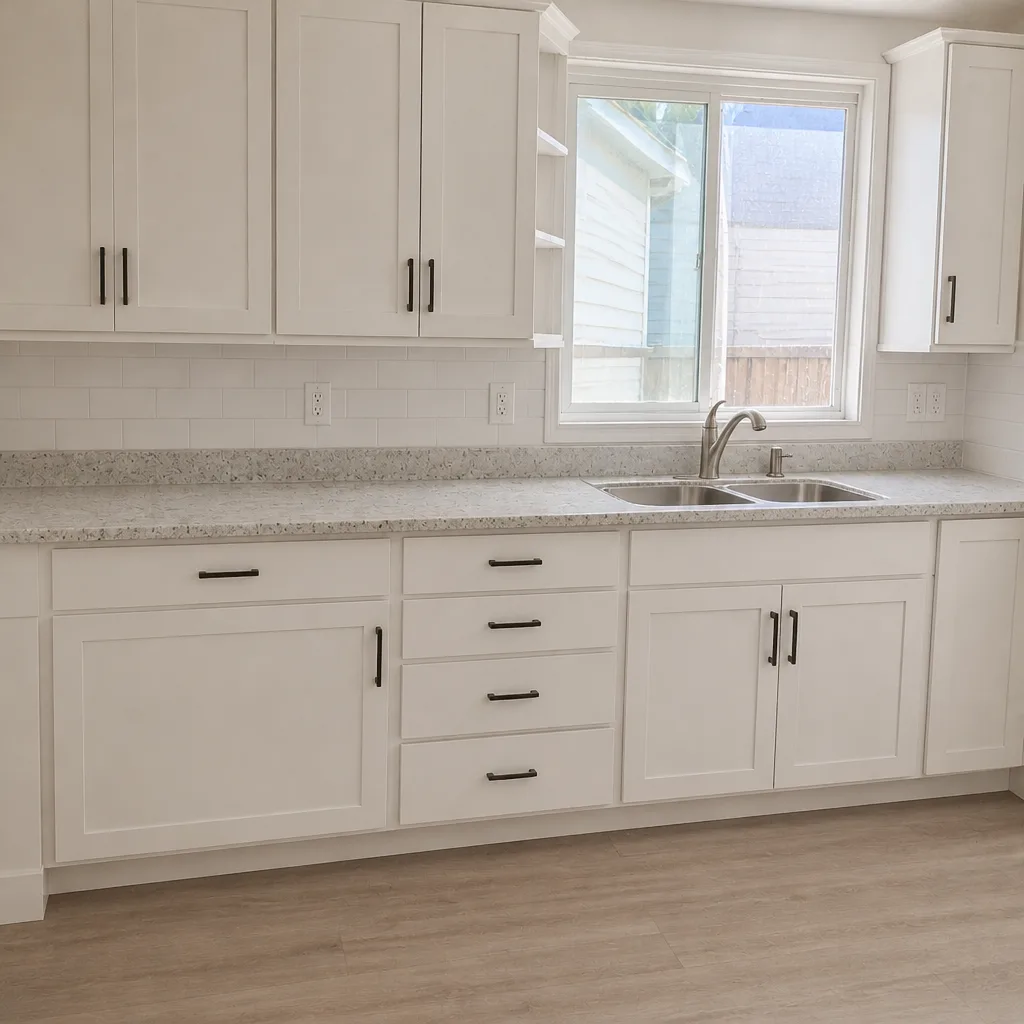 After
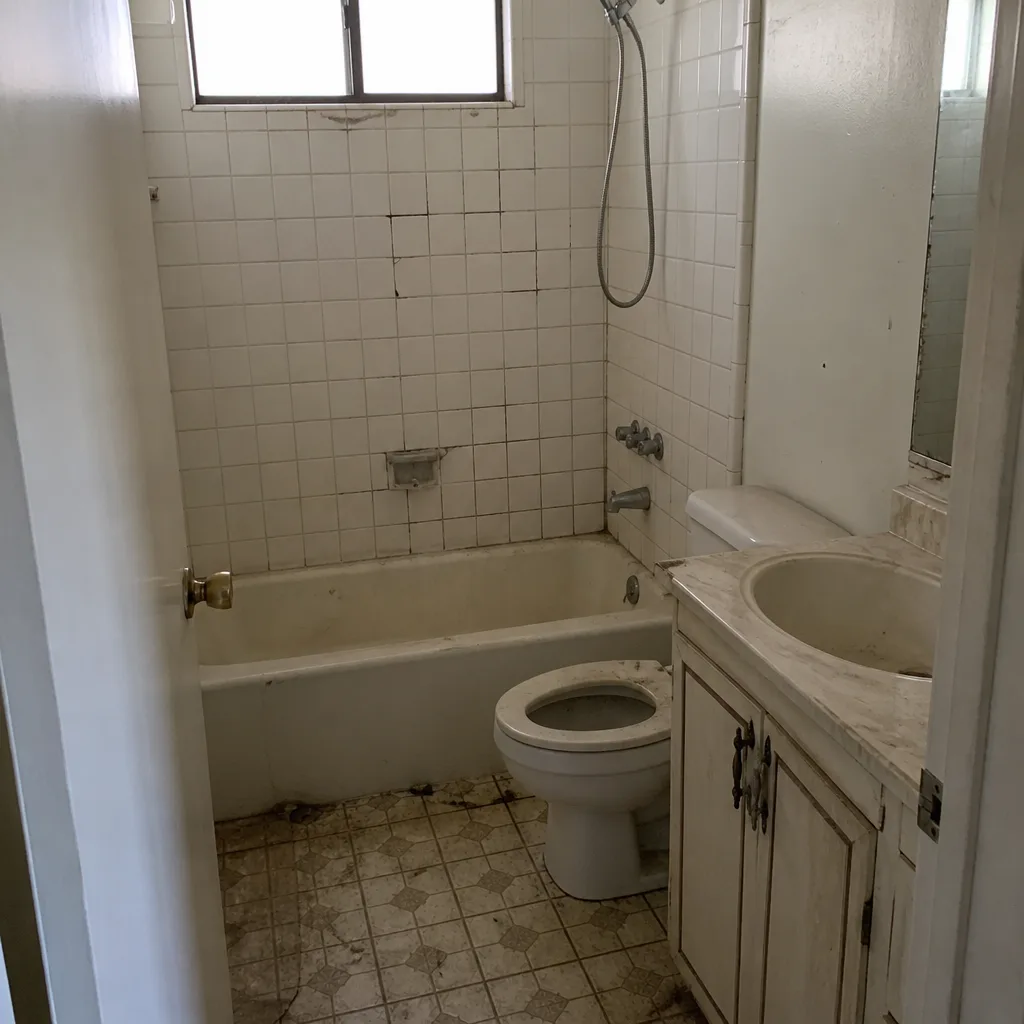 Before
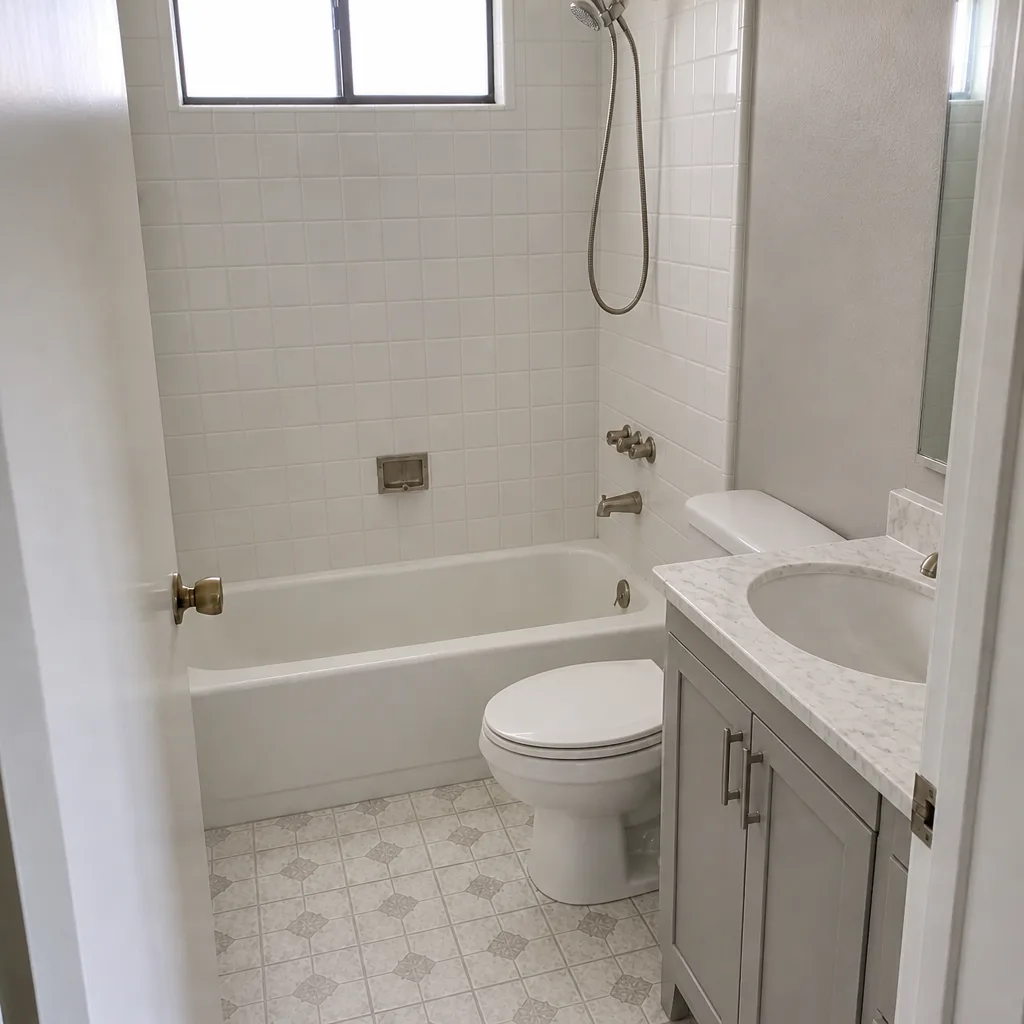 After
How to Choose a General Contractor in Santa Clarita, CA: Check the HOA Background First
The single most important question to ask a general contractor in Santa Clarita is not about license or references. It’s this: “Have you pulled a permit and passed architectural review in my specific community?” Most of Santa Clarita is master-planned, which means your project runs through two layers of approval – the City of Santa Clarita and your HOA – and each association (Valencia, Stevenson Ranch, Saugus) has its own submittal format, approved materials list, and review timeline. A contractor who hasn’t navigated your association’s process before will learn on your job, and you’ll pay for that education in restart fees and lost weeks. If you want a straight answer on your address, call (866) 383-6693.
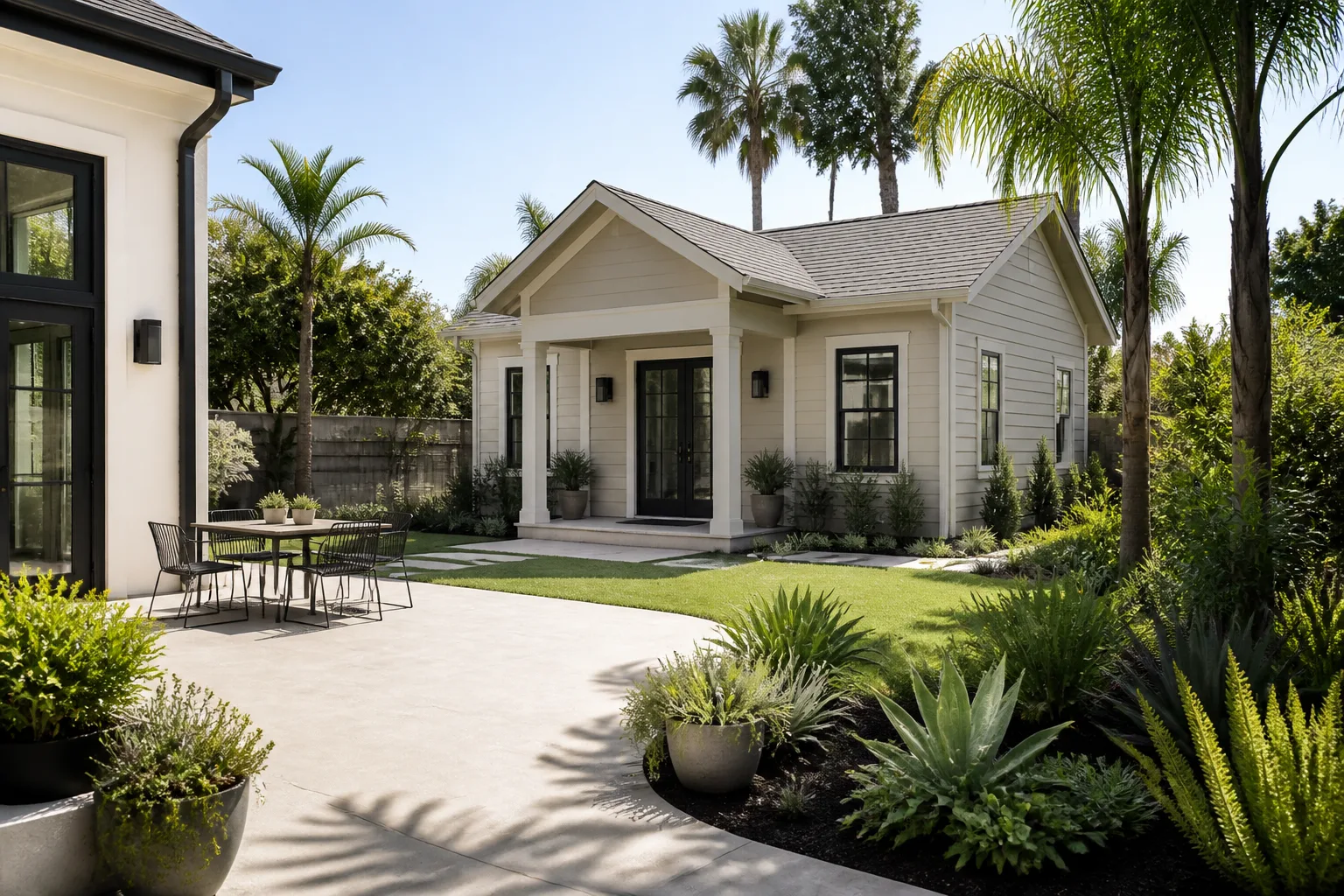
The Santa Clarita Contractor Vetting Checklist
License, insurance, references – you’ve heard all of it. Here’s what actually separates contractors in this valley.
- CSLB license lookup, done live. Pull the license number yourself at cslb.ca.gov and confirm it’s active, in the right classification, and carries current workers’ comp. Don’t accept a photo of a card.
- HOA community experience. Ask for a completed project in the same association as your home – street name, project type, approximate date. “We’ve worked all over Santa Clarita” is not an answer. A completed submittal in Valencia is not the same document as one in Stevenson Ranch.
- Hillside grading familiarity. Santa Clarita’s hillside and greenbelt rules kick in on sloped lots, and any addition over 500 square feet on a slope needs an engineering letter before the city will take the application. Ask what that process looks like. A contractor who pauses and then describes it accurately has done it.
- A written price before demo, not after. The number you’re quoted should be the number on the invoice. Verbal ballparks are how bids balloon after the walls open.
- Guarantee in writing. Not “we stand behind our work” – a document that states what’s covered, for how long, and what happens if it fails. Penhallow Remodeling Santa Clarita backs every project with a 365-Day Done Right Promise: if something fails within that window, we return and fix it at no charge.
- Who’s actually on site. Ask whether the crew is background-checked and arrives in uniform. You’re letting people into your house for weeks.
Three Red Flags That Are Specific to This Market
A bid with no HOA submittal line item. Architectural review costs money – drawing sets, application fees, sometimes a second submittal. If that’s not a visible line item on the estimate, it’s either an oversight that becomes a change order, or the contractor hasn’t priced the process at all.
A contractor who can’t name the city’s permit portal. Santa Clarita handles most residential permits online through its own portal. Someone who does this work regularly knows the portal, roughly how long a plan check takes, and which submittals get bounced most often. Vague answers here mean you’re the first one.
Any price given verbally with no written document behind it. This is the one that burns homeowners most often. A verbal number is not a bid. It’s a conversation.
There’s a fourth issue that only comes up on older homes. Anything built before 1994 in Canyon Country or Saugus – that’s the pre-Northridge cohort – may need cripple-wall bracing as a condition of a room addition permit. Cripple walls are the short framed walls between your foundation and your first floor, and bracing them is seismic work. A contractor who doesn’t flag that in the proposal is either unfamiliar with the code path or planning to raise it after you’ve signed. Good contractors put the retrofit line in the bid so there are no surprises at inspection.
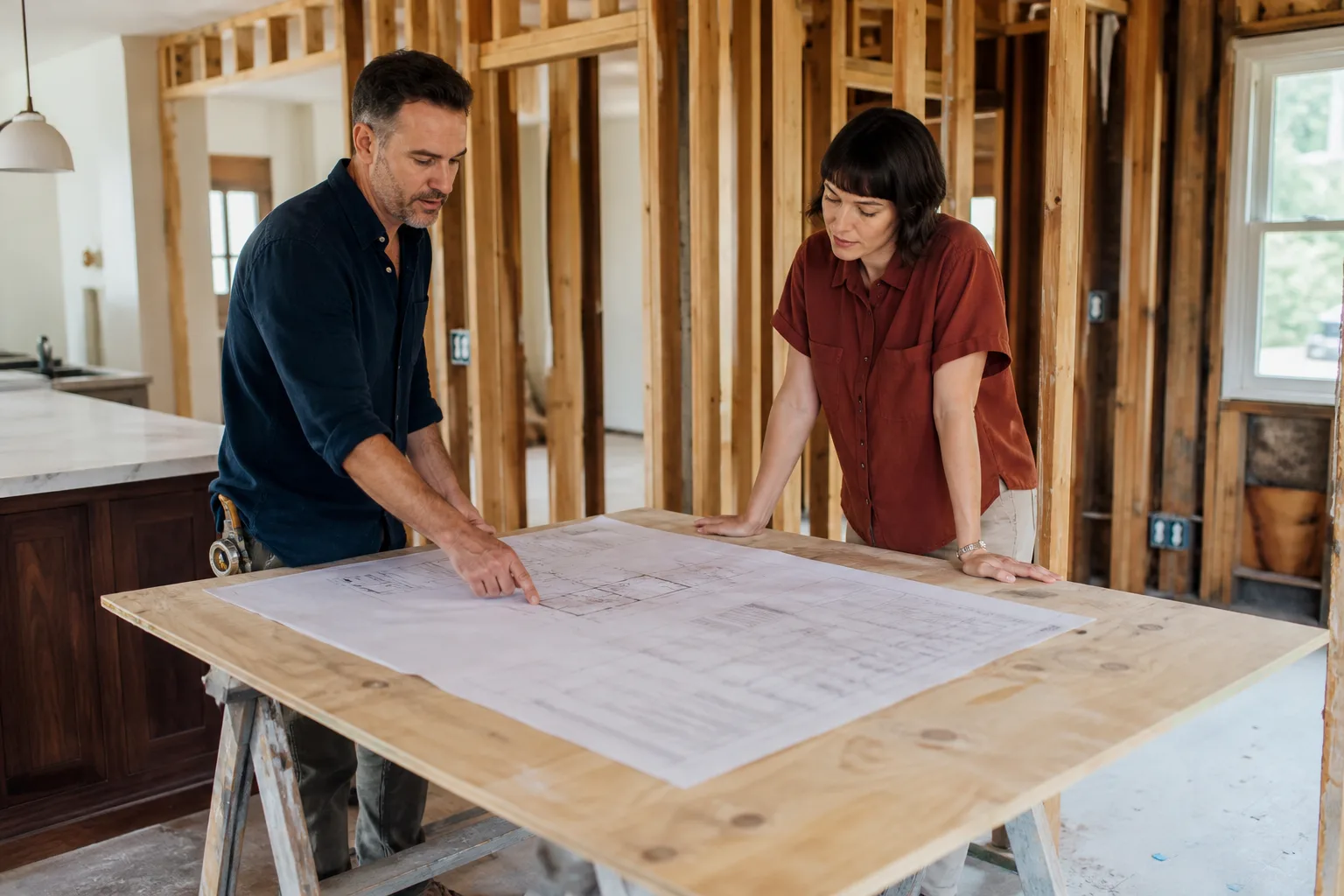
What to Ask in the Interview (and What a Good Answer Sounds Like)
Three questions do most of the work.
“Show me your last written estimate.” A good answer: out comes a real document with line items, materials, and a total. A bad answer: “I’ll get you something after I see the space.” That’s how change orders start.
“What’s your process when the HOA rejects the first submittal?” A good answer describes the revision cycle, who handles the resubmittal, roughly how long a rejection adds, and who eats the resubmittal fee. A bad answer is silence, or “that doesn’t really happen.” It happens often.
“Who specifically will be on my job site, and are they background-checked?” A good answer names the roles, confirms background checks, and describes how the same team shows up across the project. A bad answer is “my guys” with no further detail.
One more thing that separates contractors in practice: whether you can reach a human. When the HOA inspector has a question at 7 a.m., or the permit office calls back over the lunch hour, a voicemail that sits until tomorrow stalls your job by a day or more. A live person answers our line around the clock, so those calls don’t wait. Our technicians bring up to 22 years of experience, and every job gets the same written price, defined arrival window, and written guarantee before work starts – the Kingswell standard, operating since 2004, and every location independently owned and operated.
Common Santa Clarita Scenarios
The Valencia kitchen remodel on a 1990s tract home. Original polybutylene supply lines show up more often than homeowners expect in 1980s and 1990s Valencia and Stevenson Ranch builds, and they can fail catastrophically during a repipe if handled wrong. If your kitchen remodel is touching the wall where those lines run, the plumbing question has to be answered in the estimate, not discovered on demo day. A typical kitchen remodel here runs $14,000-$45,000 depending on layout, cabinet line, and countertop material – a small kitchen remodel lands at $9,000-$20,000. We install KraftMaid and Wellborn cabinetry and Cambria quartz counters, each of which carries its own manufacturer warranty alongside our written guarantee.
The Stevenson Ranch room addition. Sloped lot, HOA architectural review, city hillside rules, and possibly a pre-1994 seismic item underneath all of it. Home additions run $45,000-$130,000 here depending on size and engineering. Ask any contractor to walk you through the review sequence for this specific association before you sign.
The Saugus ADU conversion. ADU construction in the older tract neighborhoods often means an existing garage or bonus space with older framing and original plumbing. Budget $90,000-$220,000 for a full ADU, or $30,000-$80,000 for a garage conversion, and make sure the proposal accounts for the HOA submittal and any seismic upgrades triggered by the permit.
The fire-hardened rebuild. Santa Clarita has burned more than once – Northridge in 1994, Stevenson Ranch in 1997 – and wildfire risk from Santa Ana winds still shapes the work. Class A roofing and ember-resistant vents come up often on rebuilds and reroofs; roof replacement here runs $8,000-$20,000, and metal roofing $15,000-$40,000. Ask whether the proposal reflects the fire-resistant materials your association approves, because not every brand and profile makes the approved list.
FAQs
Most Santa Clarita general contractors price by project rather than by hour, and the ranges depend on scope, materials, and HOA requirements. A bathroom remodel here typically runs $9,000-$28,000, a kitchen remodel $14,000-$45,000, and a home addition $45,000-$130,000. HOA submittal fees and hillside engineering can add cost on top. Call (866) 383-6693 for a written price on your specific project – estimates are free.
Yes, for nearly any exterior change and many interior ones, because most Santa Clarita neighborhoods are governed by an HOA with a formal architectural review process. Each association has its own submittal format, approved materials list, and review timeline. Get the approval before demo. Starting without it can mean stopping mid-project to resubmit.
A written estimate should include line-item scope, specific materials and brands, the HOA submittal cost as its own line, permit responsibility, a stated arrival window, and the guarantee terms. If HOA submittal or engineering isn’t listed, ask why. Call (866) 383-6693 if you’d like to see what ours looks like – no pressure.
Go to cslb.ca.gov and look up the license number yourself. Confirm the license is active, in the correct classification for your project, and carries workers’ compensation coverage. Do the lookup before you sign anything. A contractor who resists giving you the number is telling you something.
If you’d rather have it looked at, Penhallow Remodeling Santa Clarita offers a no-pressure assessment in Santa Clarita – call (866) 383-6693 for a written price before any work starts, and a written guarantee to go with it. Our technicians have up to 22 years of experience, and a live person answers the line around the clock. Find out more about our work at Penhallow Remodeling Santa Clarita.
Written by the team at Penhallow Remodeling Santa Clarita, serving Santa Clarita, CA.