Last updated November 18, 2026




Free written scope consultation - allowances, timeline, and change-order rules on paper before a single trade is scheduled
Construction Emergency Preparedness Guide for Santa Clarita Homes
After the 1994 Northridge earthquake, thousands of Santa Clarita homeowners discovered that their homes had sustained structural damage that wasn’t visible from the street – and that their contractor’s verbal repair estimate was legally unenforceable the moment a bigger job came along. The emergency construction problem isn’t usually the damage itself. It’s the paperwork vacuum that follows: no photos, no permit history, no written scope, no proof of what the house looked like before. This guide covers what your home’s built environment needs to survive wildfire, earthquake, and extreme heat in the Santa Clarita Valley, how to walk your own house in the first 48 hours, and what to demand in writing before anyone touches a beam.
Quick Answer
Construction emergency preparedness in Santa Clarita means three things done before an event: documenting your home’s condition and permit history so insurance and scoping move fast, hardening the building envelope against wildfire embers and heat, and knowing the 10-point structural walk to perform after an earthquake or wind event so you can tell “monitor it” from “don’t re-enter.” After damage occurs, the second job is verifying that any contractor you hire is state-licensed and that you have a written price and written guarantee before work starts – verbal estimates vanish the moment a bigger job comes along.
Styles & brands we work with
- Kitchen remodeling
- Bathroom remodeling
- Home additions & ADU
- Roofing
- Windows & doors
- Driveway & pavers
- Fence
Table of Contents
- The Three Risks That Define Santa Clarita Construction Emergencies
- The Home Documentation You Should Create This Month
- The 10-Point Structural Walk After an Earthquake or Wind Event
- What a Yellow or Red Tag Actually Means for Your Home
- Verifying a Contractor When You’re Stressed and Your Roof Is Open
- Fire Hardening That Doubles as Standard Remodel Scope
- What to Do in the First 48 Hours After Structural Damage
- Heat, Plumbing, and the Systems That Fail Quietly
The Three Risks That Define Santa Clarita Construction Emergencies
Santa Clarita sits in a valley where three distinct hazards overlap, and each one stresses a different part of your house. Treating them as one generic “emergency” category is how homeowners end up underprepared for all three.
Wildfire and embers. The Santa Clarita Valley’s wildland-urban interface runs through canyons and foothill neighborhoods where wind-driven embers, not the flame front, ignite most homes. Embers travel well ahead of a fire and find the weakest point in the envelope: attic vents, eave gaps, the gap behind a wood fence attached to the house. Fire hardening is a roofing-and-envelope problem, which means it’s also remodel scope.
Earthquake. The San Andreas and the surrounding fault system make shaking a real design condition here, not a hypothetical. The damage that matters most after a moderate event is rarely the dramatic collapse – it’s the cracked stucco over a shear wall, the chimney pulled away from the framing, the foundation bolt that sheared. None of it is visible from the curb.
Extreme heat and seasonal swing. Santa Clarita regularly sees summer temperatures well into triple digits and dry, windy fall days. That cycle expands and contracts roof membranes, dries out wood framing, and stresses plumbing and HVAC. Heat damage accumulates silently until a wind event or a small quake turns a hairline crack into a leak.
Naming these three risks specifically is what makes a preparedness plan useful. A house hardened for embers, bolted for shaking, and documented for claims is a house that recovers faster than the one next door.
The Home Documentation You Should Create This Month
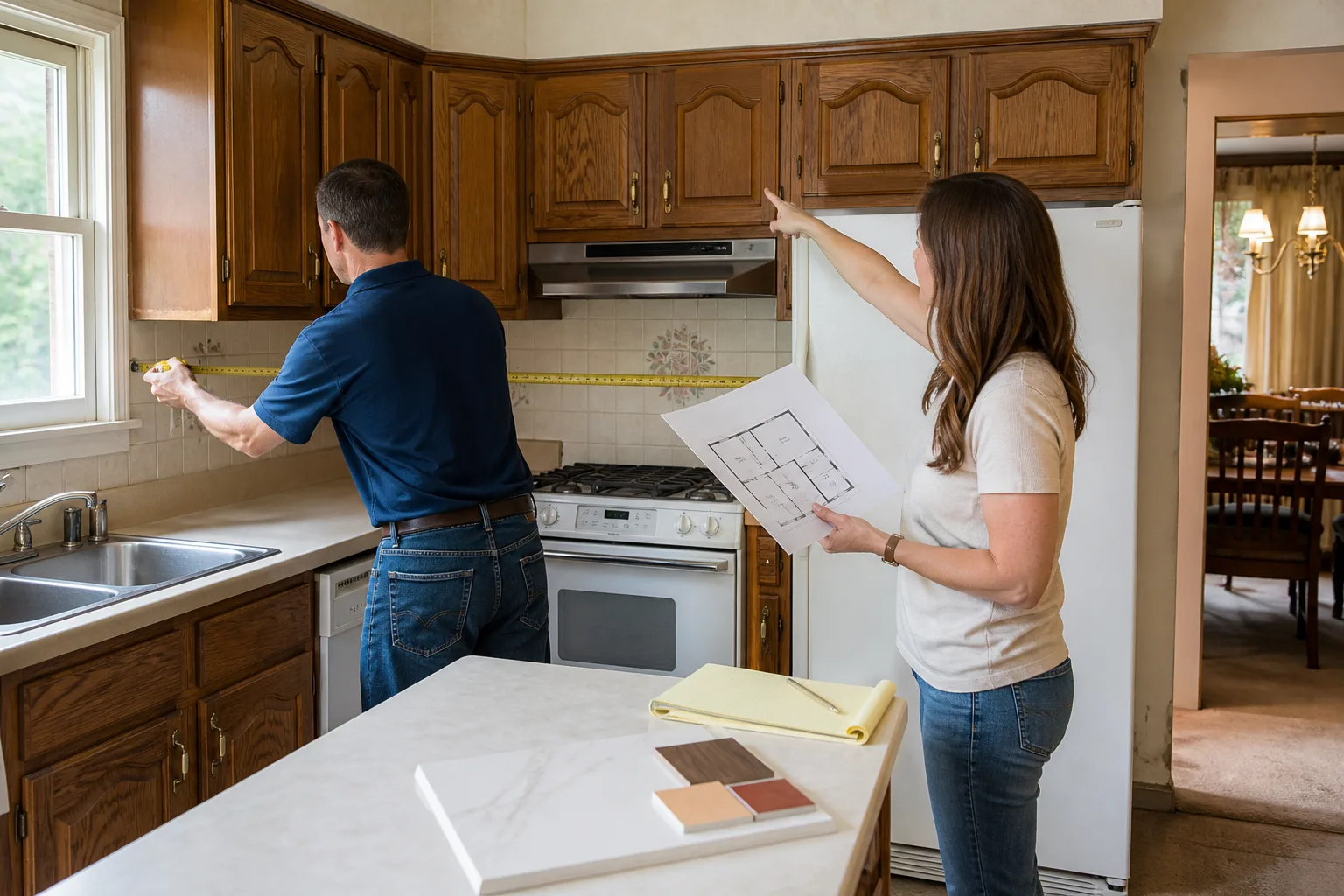
The single highest-value thing you can do before an emergency costs almost nothing and takes a Saturday: build a home file. In our experience working with Santa Clarita homeowners, the families who recover fastest from a fire or quake are the ones who can hand an adjuster photos, a permit history, and a floor plan on day one.
- Photo inventory. Walk every room and photograph walls, ceilings, floors, and mechanical equipment. Then photograph the exterior from all four sides, the roof from ground level, and the attic and crawlspace if you can access them safely. Date the files.
- Permit history. Pull your permit records from the city or county. This tells an adjuster what was legally built and when, and it tells a contractor what’s behind the drywall before demo day.
- Structural drawings, if you have them. Original plans are gold after an earthquake. If you don’t have them, note what you do know: foundation type, roof framing, any additions.
- Appliance and material records. Model numbers and install dates for the water heater, HVAC, and any recent roof or siding work. Roofing products like Atlas and Tamko shingles carry their own manufacturer warranties, and those documents speed a claim.
- A written contact list. Your insurer’s claims line, your mortgage servicer, and a contractor you already trust. Not a name you find in a panic.
Keep a digital copy off-site and a printed copy in a fire-resistant box. This file is also the foundation of a real Penhallow Remodeling Santa Clarita home project conversation – when we scope a repair or remodel, a documented home means fewer surprises and a tighter written price.
The 10-Point Structural Walk After an Earthquake or Wind Event
You can do a lot of useful assessment yourself in the first hour – safely, from outside and from interior rooms you can enter without forcing anything. The goal isn’t to diagnose. It’s to sort your house into “monitor it” and “don’t re-enter until inspected.”
- The foundation perimeter. From outside, look for new cracks in the stem wall, gaps where the sill plate meets the foundation, and displaced anchor bolts.
- Chimney. Any separation from the house, cracked brick, or a chimney that looks out of plumb is a red flag. Don’t use the fireplace until it’s inspected.
- Stucco and exterior walls. Look for diagonal cracks, especially at corners of doors and windows – that pattern often signals shear stress.
- Roof line. From the street, check for sagging, displaced tiles or shingles, and gaps at the ridge. A Boral or clay tile roof can shed pieces after shaking.
- Attic (only if you can enter safely). Look for cracked or split rafters, separated ridge boards, and daylight where there shouldn’t be.
- Interior wall and ceiling cracks. Hairline cracks in drywall are common and usually cosmetic. Cracks wider than a quarter inch, or cracks that pass through a doorway corner, deserve a professional look.
- Doors and windows. If interior doors suddenly stick or won’t latch, the framing may have racked. Note which ones.
- Gas and water lines. Smell gas, hear hissing, or see water where it shouldn’t be? Leave and call from outside. Don’t hunt for the source.
- Water heater and furnace. Check that the water heater is still strapped and upright, and that the flue connections are intact.
- Anything that looks newly out of level. A floor that slopes where it didn’t before is a stop signal. So is a wall that’s visibly bowed.
Rule of thumb: anything that’s cosmetic and stable gets monitored with photos over the next two weeks. Anything structural, anything involving gas, and anything that changes the way the house feels underfoot means don’t re-enter until a licensed inspector has looked at it.
What a Yellow or Red Tag Actually Means for Your Home
After a declared disaster, city building officials perform rapid safety assessments and post a placard on the structure. The color carries legal weight, and a lot of homeowners misread it.
Green or “inspected” means the structure was assessed and no restrictions were placed. Yellow, or “restricted use,” means the building can be occupied but with limits noted on the placard – often certain rooms, a portion of the structure, or specific systems are off-limits until repaired and re-inspected. Red, or “unsafe,” means no occupancy. Entry is restricted to emergency personnel and, in practice, to contractors doing authorized stabilization or repair work.
What this does to your insurance claim matters. The placard is documentation, and insurers treat a red or yellow tag as strong evidence of a covered loss. Photograph the placard, note the date, and keep it in your file. The timeline for re-inspection runs through the city’s building department, not your contractor – which is why a written scope that matches the inspection findings saves weeks. If the tag requires structural repair, that repair falls squarely in general contractor territory, and you can read more about how that scoping works on our General Contractor in Santa Clarita page.
The legal point homeowners miss: a yellow or red tag is an occupancy restriction, not a repair order. Nobody is going to fine you for not fixing it next week. What you must not do is occupy restricted space or let an unlicensed crew “clear” the tag without going through the city’s process.
Verifying a Contractor When You’re Stressed and Your Roof Is Open
Emergencies bring out both the best and the worst of the trades. After any large event in the Santa Clarita Valley, out-of-state and unlicensed crews arrive within days, offering to tarp a roof or “get you back in by Friday” for cash. Some are honest. Many are not, and the paperwork they leave behind won’t survive a second look.
Here’s how to verify credentials when you’re not in a state to think clearly:
- Check the license number on the CSLB website. California requires a license for any job over $500 in labor and materials. Verify the number and the classification before anyone starts. An out-of-state license doesn’t transfer.
- Ask for a certificate of insurance naming you. General liability and workers’ comp. If a worker gets hurt on your property and there’s no coverage, that becomes your problem.
- Demand a written price before work starts. Not a range, not a verbal ballpark – a written number you can hold them to. This is the core of The Kingswell Way: say the price before the work.
- Demand a written guarantee. What’s covered, for how long, and exactly what happens if it fails. A repair that cracks again in six weeks with no written promise is a repair you paid for twice.
- Get the arrival window in writing. A real arrival window, not “sometime Tuesday.”
This is the standard we hold ourselves to. Penhallow Remodeling gives a written price before any work starts and backs every project with the 365-Day Done Right Promise – if it’s not done right, we make it right, in writing. Our technicians are background-checked and arrive in uniform, so you know who’s walking into your home. When the stress is high, the paperwork is what protects you. For a clearer picture of how written scoping works on a real project, see our Kitchen Remodeling in Santa Clarita page, where the same upfront-price standard applies.
Fire Hardening That Doubles as Standard Remodel Scope
The best fire hardening isn’t a separate emergency project. It’s the same work you’d do on a remodel, done with fire in mind. In Santa Clarita’s wildland-urban interface, this is where preparedness and standard construction overlap.
- Class A roofing. Fire-rated assemblies with a Class A rating are the baseline. When a roof is due for replacement, choosing a Class A product from a recognized manufacturer like Atlas or Tamko is both a code-ready decision and a hardening decision. The underlayment and eave detailing matter as much as the shingle.
- Ember-resistant vents. Attic and foundation vents that block ember entry are one of the highest-return upgrades on a home near the interface. Embers get into attics through vents more often than fire gets through walls.
- Defensible space. Clearing combustible material and vegetation within the first several feet of the structure, and maintaining it, is required in many areas and simply smart everywhere. The exact clearance requirements come from your local fire authority – check them for your parcel.
- Fence and deck attachments. A wood fence attached directly to the house is a wick. So is a wood deck. Replacing the first few feet of fence with a non-combustible section and using fire-rated detailing at the attachment point breaks the path.
- Eave and soffit detailing. Enclosed eaves with non-combustible soffit material close off a classic ember trap.
If you’re planning a Bathroom Remodeling in Santa Clarita project or a larger remodel, ask your contractor to scope fire hardening into the same job. Doing it once, with one written price, is far cheaper than doing it in a panic.
What to Do in the First 48 Hours After Structural Damage
The first two days set the tone for everything that follows. The instinct is to start cleaning up. Don’t – document first, then stabilize, then repair.
- Make sure everyone is safe and out of the structure if there’s any doubt. Then photograph everything before you move a single item. Wide shots, close-ups, and the placard if one was posted.
- Call your insurer the same day and open a claim. Get a claim number and the name of the adjuster. Keep every receipt for emergency expenses.
- Stop the water and gas if you smell or hear a leak. Call from outside. Don’t investigate.
- Get emergency stabilization in writing. Tarping, board-up, and temporary shoring are real costs. Get a written price before anyone starts, and make sure the contractor is licensed and insured.
- Don’t sign anything you don’t understand. Assignment-of-benefits contracts, “we’ll handle your claim” agreements, and blanket authorizations are the ones that cause the most grief.
- Start your written scope. Once the immediate danger passes, the repair needs a written scope with line items, a price, and a guarantee. That’s the difference between a repair that holds and one that fails in the next wet season.
For homeowners in neighborhoods like Canyon Country, Saugus, and Valencia, the window between the event and the arrival of opportunistic crews is short. The families who do well are the ones with a file already built and a contractor already vetted. Our Bathroom Remodeling in Santa Clarita team regularly rebuilds post-event damage where the original repair was done without a written scope – and the second repair usually costs more.
Heat, Plumbing, and the Systems That Fail Quietly
Santa Clarita’s heat does its damage slowly. The systems that fail quietly after a hot, dry summer are the ones homeowners forget to check.
- Water heater connections. Heat and thermal cycling stress the flexible connectors. A failed connector is a flooded garage. When you document, note the install date and check the connectors annually.
- HVAC condensate lines. Clogged condensate lines in a hot attic cause water damage that looks like a roof leak. Have the line cleared with each service.
- Roof membrane and flashing. Repeated expansion and contraction opens seals at flashings and penetrations. A post-wind-event roof inspection catches these before the first rain.
- Exterior caulking and paint. Sun-baked stucco and trim fail at joints first. Failing caulk lets water behind the envelope, and that shows up as interior damage weeks later.
- Foundation and soil movement. Santa Clarita’s expansive soils move with moisture swings. Note new cracks after dry spells, not just after quakes.
None of these require heroics. They require a walk-through twice a year and a contractor who provides a written price when something needs repair. We install fixtures from brands like Kohler and Moen specifically because those products carry their own manufacturer warranties alongside our written guarantee – layers of protection on the parts most likely to fail.
Common Mistakes to Avoid
- Relying on a verbal estimate after a disaster. A verbal number is legally unenforceable the moment a bigger job comes along. Demand a written price before work starts, every time.
- Signing an assignment-of-benefits contract in the first 48 hours. These hand your insurance claim to a third party and are the single most common source of post-disaster regret. Read anything that says “we’ll handle your claim” twice.
- Hiring before you verify the license. Emergency conditions bring out-of-state crews. Check the CSLB database and demand a certificate of insurance naming you before anyone starts.
- Skipping documentation because “the insurance company will handle it.” The adjuster needs your photos, your permit history, and your inventory. Without them, the claim takes weeks longer and often comes in lower.
- Treating a yellow tag as a repair deadline. It’s an occupancy restriction, not a construction deadline. Rushing a repair to “clear the tag” often means a repair without a written scope that fails later.
- Doing a fire-hardening one-off and calling it done. Defensible space needs annual maintenance. Vents and eaves need a check after every wind event.
- Letting heat damage go unaddressed until a storm exposes it. A cracked flashing in August is a ceiling stain in January. Repair on your schedule, not the weather’s.
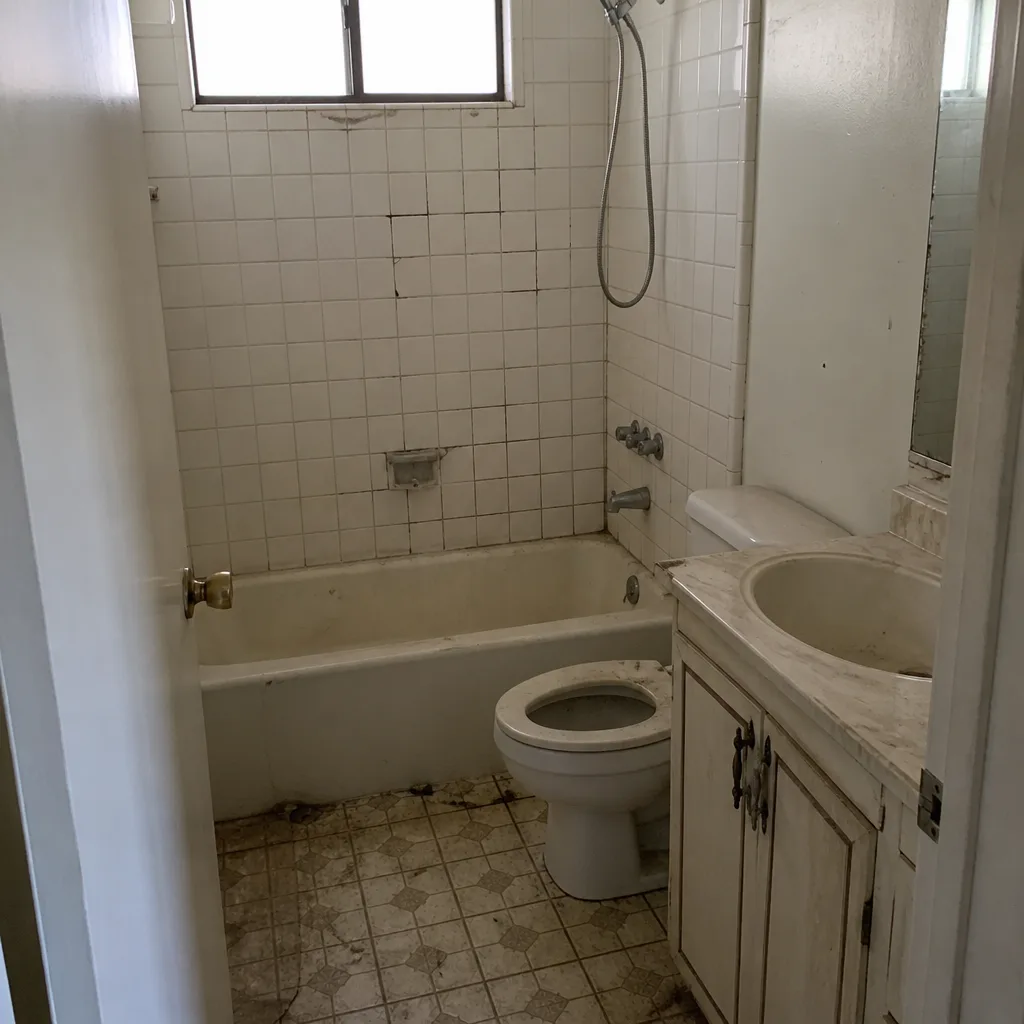
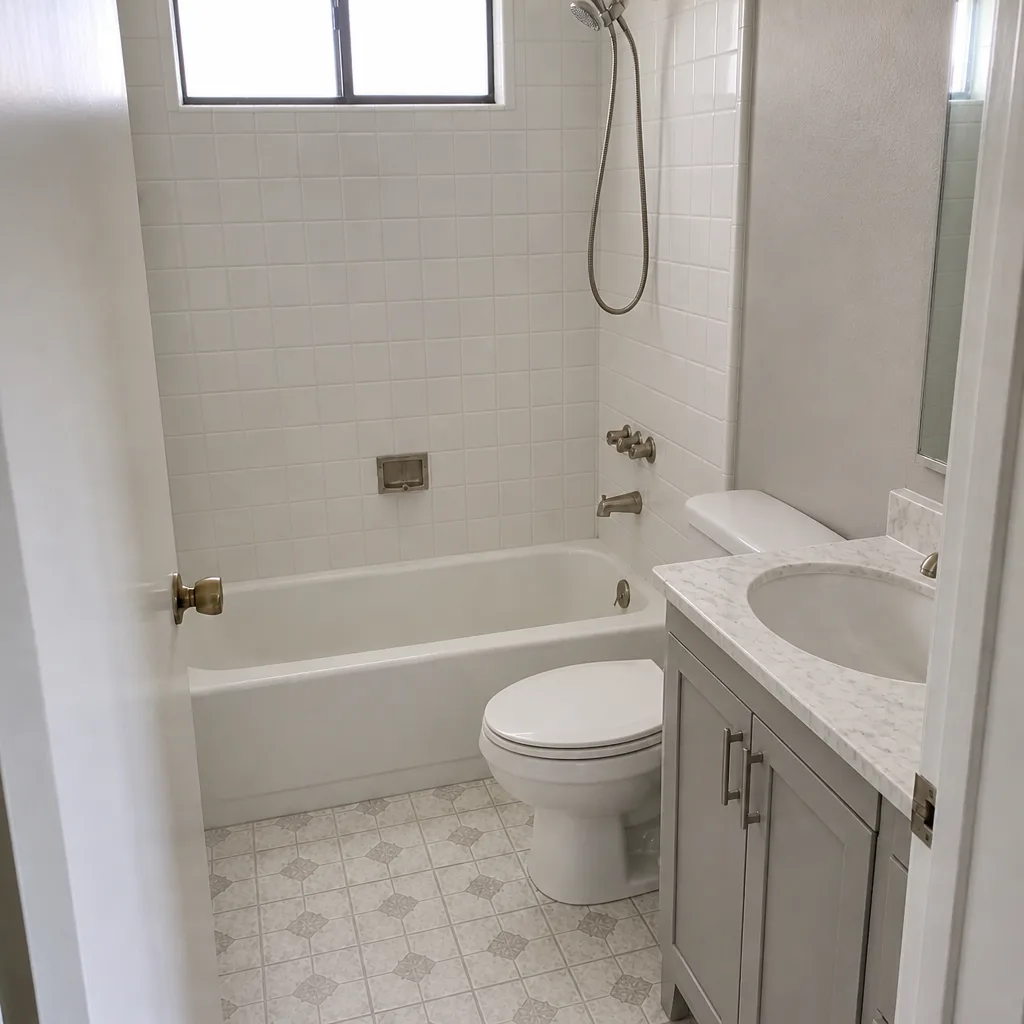
See the difference
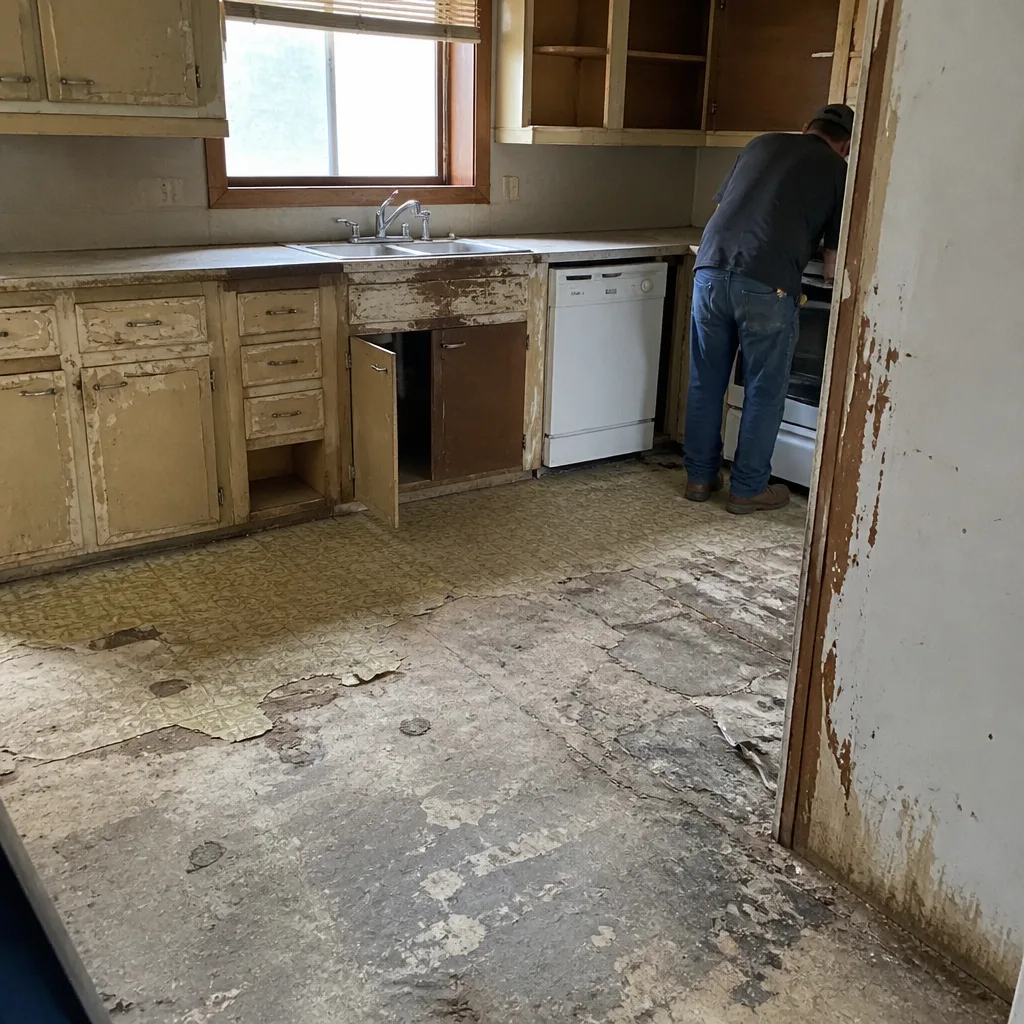 Before
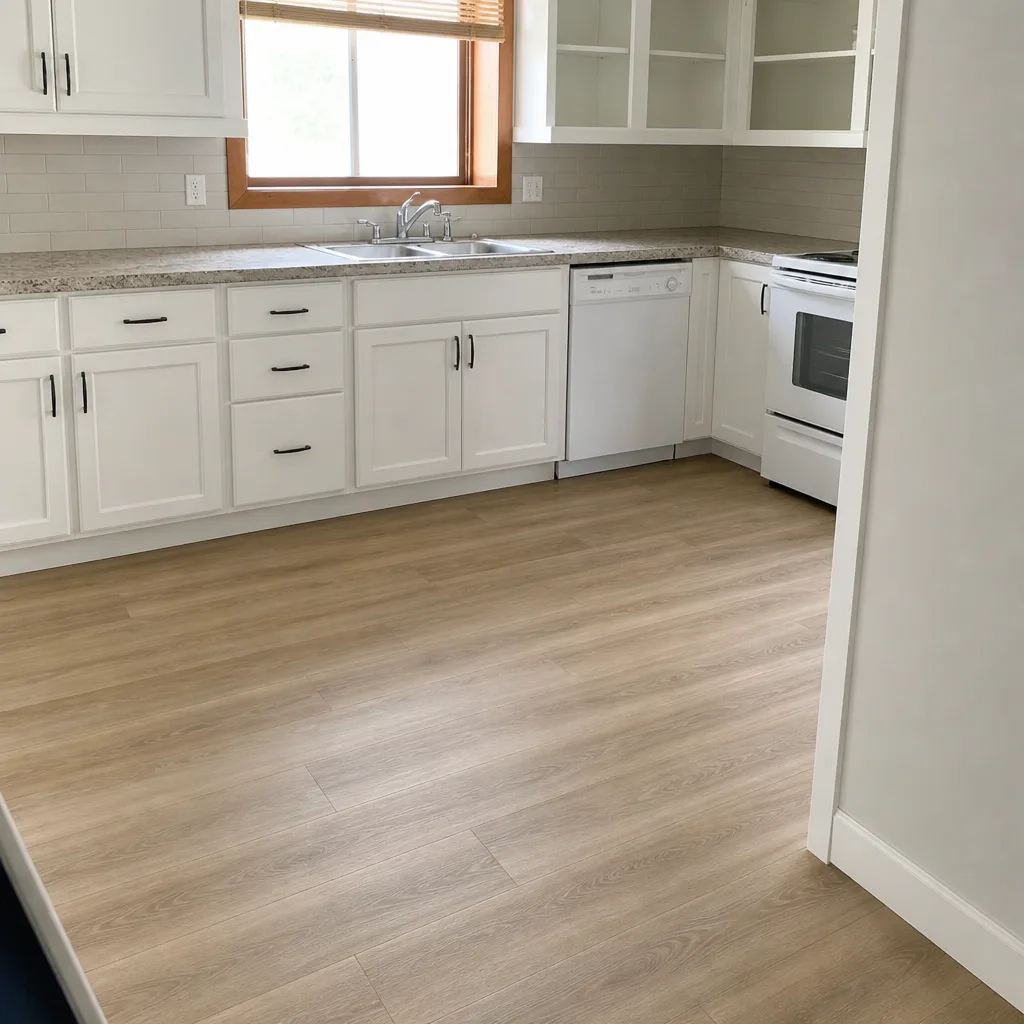 After
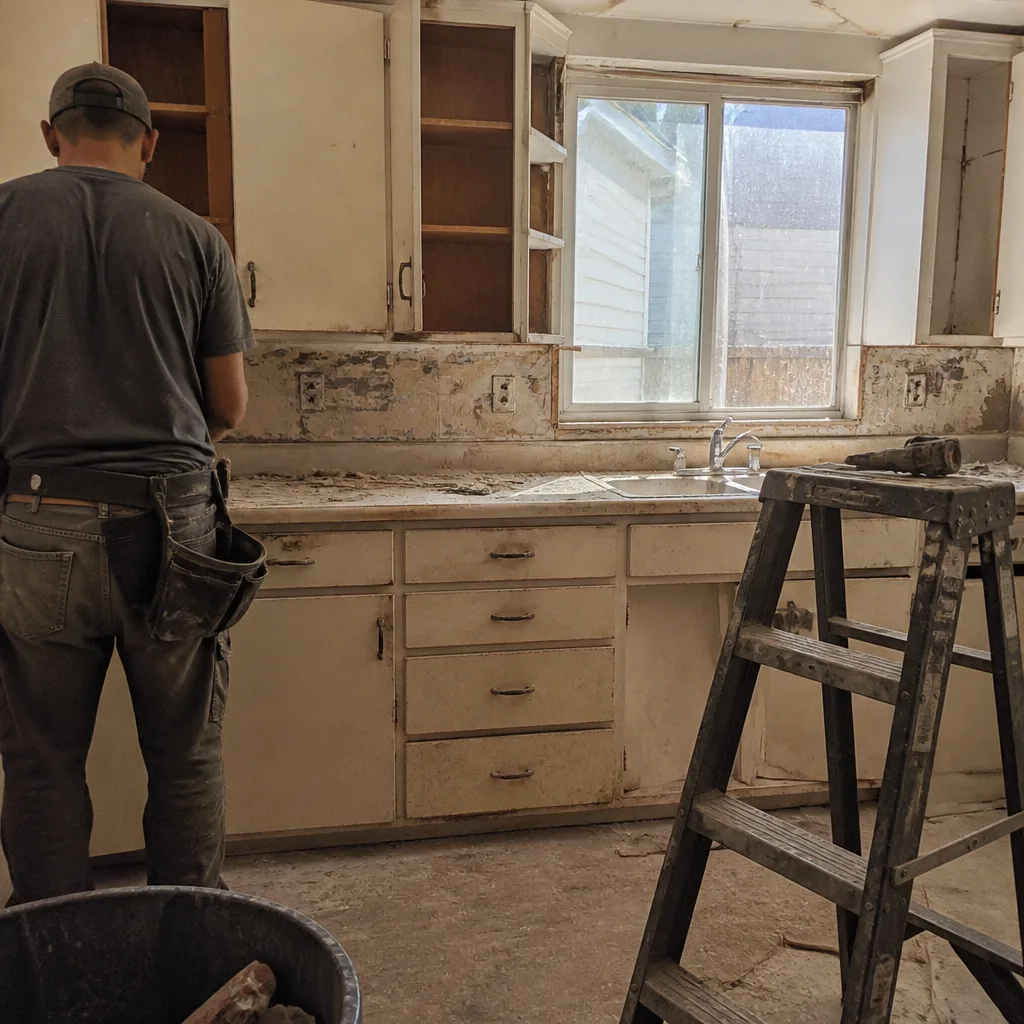 Before
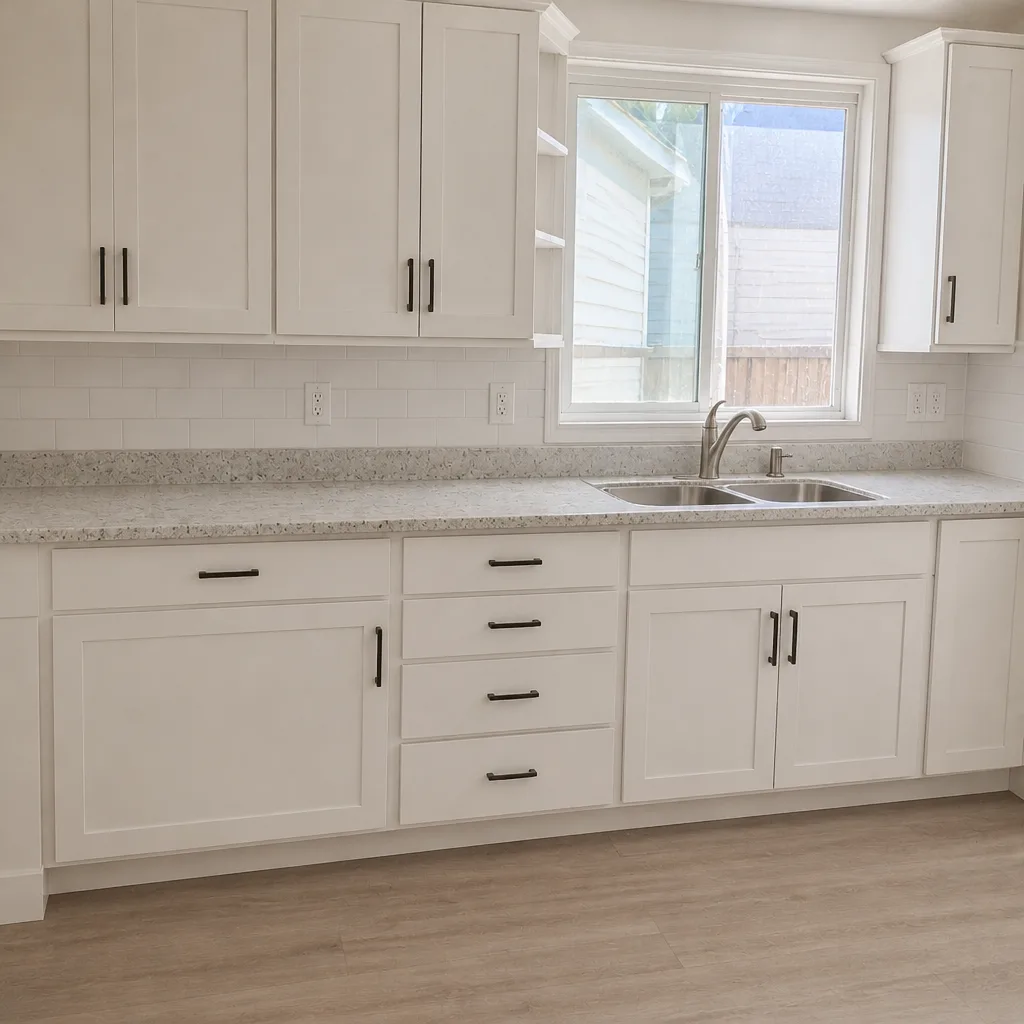 After
 Before
 After
When to Call a Professional
Some repairs wait. Some don’t. Call a licensed professional when you see any separation at the chimney, foundation, or roofline; when interior doors suddenly stop latching; when drywall cracks are wider than a quarter inch or run through door and window corners; when a gas or water line is damaged; when a rapid-assessment placard carries a yellow or red tag; or when a roof has been opened by wind and needs stabilization before rain. These are the situations where the difference between a written, guaranteed repair and a quick verbal one plays out over the next two years.
Penhallow Remodeling Santa Clarita offers free estimates in Santa Clarita – call (866) 383-6693. A live person answers, and you’ll get a written price before any work starts.
Frequently Asked Questions
Check for gas leaks and get everyone out if you smell or hear anything, then photograph everything before you clean up, and call your insurer the same day to open a claim. Don’t start repairs until you have a written scope and price from a licensed contractor. The photos and the claim number are the two things that make the rest of the process go faster.
If you see chimney separation, foundation cracks, a visibly bowed wall, a floor that slopes where it didn’t before, or any gas or water leak, don’t re-enter until a licensed inspector has looked at it. Hairline drywall cracks and doors that still latch are usually safe to monitor with photos over a couple of weeks. When in doubt, treat it as unsafe and call for an inspection. Call (866) 383-6693 for a free estimate if you’re not sure which category your damage falls into.
A yellow placard, or “restricted use” tag, means the building can be occupied but with limits – certain rooms or systems are off-limits until repaired and re-inspected. It’s an occupancy restriction, not a construction deadline. Photograph the placard and keep it with your insurance documentation, because insurers treat it as strong evidence of a covered loss.
Costs vary widely by scope: cosmetic drywall repair typically runs a few hundred to a few thousand dollars, while shear-wall repair, chimney rebuilding, or foundation bolting can run from the low five figures into the high five figures depending on the damage. What drives the number is the scope in writing – how many walls are opened, whether permits are pulled, and how much is hidden behind the drywall. A written scope with line items is the only way to know what you’re actually paying for; call (866) 383-6693 for a free estimate.
It shouldn’t. The Kingswell standard requires a written price before any work starts, so the number on day one is the number on the invoice. If a contractor discovers something unexpected after demo, the right move is a written change order that you approve before the work continues – not a surprise on the final bill. Never sign a verbal estimate on emergency work; call (866) 383-6693 to get a written price upfront.
Yes – structural repairs, roof replacements, and electrical or plumbing work generally require permits, even when the work is emergency-driven. A licensed general contractor pulls the permits and passes the inspections, and the permit history becomes part of your home’s documentation for future claims. Skipping the permit creates a problem at resale and can complicate the insurance claim; call (866) 383-6693 to discuss your project.
Start with ember-resistant attic and foundation vents, a Class A roof assembly when the roof is due for replacement, and defensible space clearance around the structure maintained to your local fire authority’s requirements. Then check the fence and deck attachments to the house – a wood fence touching the wall is a wick. These are all standard remodel scope items you can address in one project with one written price.
The Bottom Line
Construction emergency preparedness in Santa Clarita comes down to three things: document your home before anything happens, harden the building envelope against wildfire, earthquake, and heat, and demand written paperwork the moment damage occurs. The families who recover fastest are the ones with a documented home, a vetted contractor, and a written price and guarantee before anyone picks up a tool. The paperwork vacuum after a disaster is what costs people the most – not the damage itself. If you’re ready to build a written plan for repairs or a hardening remodel, Penhallow Remodeling Santa Clarita offers free written estimates with The Kingswell Way standard: say the price before the work, show up in the window we gave, and leave the place cleaner than we found it.
Contact
If this guide has you thinking about a repair, a hardening project, or a remodel that gets your home ready for the next event, call Penhallow Remodeling Santa Clarita at (866) 383-6693 for a free estimate. A live person answers, we’ll talk through what your home actually needs, and you’ll have a written price and a written guarantee in hand before any work starts. Reach out today.
Written by the team at Penhallow Remodeling Santa Clarita.