Last updated November 18, 2026

Free written scope consultation - allowances, timeline, and change-order rules on paper before a single trade is scheduled
DIY vs Professional Construction: The Santa Clarita Homeowner’s Decision Guide
Here’s the part almost nobody explains before you sign a permit application. In California, when you pull a permit as a homeowner and do the work yourself, you legally become the contractor for that job. That’s not a truism or a scare tactic: it’s written into the contractor licensing law (Title 7 of the California Business and Professions Code, starting at section 7000). It means the protections that exist between a homeowner and a licensed contractor – the ability to pursue someone for defective work – don’t apply to you, because you are the someone. This guide is about deciding which Santa Clarita projects to take on yourself and which to hand off, using permits, warranties, and real failure costs as the yardstick instead of how handy you feel on a Saturday.
Quick Answer
Some projects are safe and legal for a Santa Clarita homeowner to do personally: painting, trim and baseboard replacement, swapping out a light fixture on an existing circuit, garden and hardscape work that doesn’t touch a structure. But anything that involves structural changes, new electrical circuits or panel upgrades, gas lines, HVAC refrigerant work, or work that needs a permit by code should go to a licensed contractor – and in Santa Clarita, a mid-range bathroom remodel, done for real (materials, tools, permit, and a mistake budget), often costs nearly as much as hiring a pro while voiding your product warranties and saddling you with the disclosure burden if you ever sell. The decision isn’t really about skill level. It’s about legal exposure.
Styles & brands we work with
- Kitchen remodeling
- Bathroom remodeling
- Home additions & ADU
- Roofing
- Windows & doors
- Driveway & pavers
- Fence
Table of Contents
- The California Legal Line: What You Can Legal Do Yourself
- Permits, Inspections, and Why Santa Clarita Code Enforcement Cares
- How DIY Unpermitted Work Affects a California Home Sale
- Warranty Preservation: What Gets Voided by DIY Installation
- A Real Cost Comparison: Mid-Range Bathroom Remodel DIY vs. Professional
- Where DIY Actually Saves Money in Santa Clarita
- Common Mistakes to Avoid
- When to Call a Professional
The California Legal Line: What You Can Legally Do Yourself
California doesn’t prohibit homeowners from doing their own work on their own home. It prohibits unlicensed people from doing work for others, and it requires a licensed contractor (or a licensed electrician, plumber, or HVAC tech under one) for certain scopes even on your own property. That second point is the one that gets people in trouble, and it’s the one worth pinning down before you buy materials.
The clearest dividing line, in our experience with Santa Clarita homes, comes down to three categories:
- Electrical over 100 amps. A homeowner can, under California rules, replace a light switch or a receptacle on an existing circuit, but new circuits, subpanels, and any service upgrade above 100 amps require a licensed electrician. Santa Clarita’s older tracts have plenty of 100-amp panels that were fine in 1978 and are not fine with an EV charger, a heat pump, and an induction range. That’s a licensed-electrician job, no exceptions.
- Structural work. Load-bearing walls, headers, beams, foundations, and anything that changes the footprint or roofline. These require permits (which are technically available to a homeowner) but also engineering and, in practical terms, a licensed general contractor. Penhallow is a general contractor for kitchens, baths and whole-home remodels, and this is exactly the category we build for.
- HVAC refrigerant work. Handling refrigerants requires an EPA 608 certification by federal law, plus licensing at the state level. A Santa Clarita homeowner cannot legally recharge their own AC system or install a new line set.
Anything outside these categories and safe-over-time (paint, trim, tile if you’re confident, drywall, cabinets hung on existing walls, landscaping) is fair game for a careful DIYer. If you’re unsure which side of the line a project sits on, that uncertainty is itself the answer: ask a licensed contractor who can review the scope. Reach our team at Penhallow Remodeling Santa Clarita for a straight read on your project before you pull anything.
Permits, Inspections, and Why Santa Clarita Code Enforcement Cares
A permit isn’t a fee. It’s a record. When you pull one in Santa Clarita, you’re telling the city that a specific person is responsible for a specific scope of work, that the plans match the code, and that the work will be inspected at defined points. That record is what saves you later, and its absence is what burns you.
Here’s what surprises homeowners in the Santa Clarita Valley: the city’s code enforcement and the county’s fire inspectors actively look at unpermitted additions, patio covers, and converted garages during routine neighborhood checks and complaint responses. Areas like Canyon Country, Newhall, and Saugus have a mix of older homes where a converted garage or an added bath was done decades ago without any record. When that home sells, the buyer’s inspector finds it, and the questions start.
If you’re pulling a permit as the homeowner, the sequence looks like this:
- Submit plans (or a description of scope) to the City of Santa Clarita’s building division and pay the permit fee.
- Show the permit card to the inspector at the required stages – for a bathroom, that’s typically rough framing, rough electrical and plumbing, and final.
- Complete the work to code and pass the final inspection, at which point the permit is signed off.
- Keep the signed permit card with your home documents. It’s the only proof that the work was ever legal.
Doing this yourself is technically possible for a homeowner in California. But the scheduling burden – inspector arrival windows, required corrections, re-inspection fees if you fail – is the part that gets underestimated. That’s the reason our team pulls and manages permits on every project: a written price that includes the permit work and inspections, so the homeowner isn’t chasing a card through city offices while a bathroom sits half finished. You can see how that plays out for interior projects on our Bathroom Remodeling in Santa Clarita page.
How DIY Unpermitted Work Affects a California Home Sale
This is where the DIY math gets real. California’s transfer disclosure statement (TDS) requires a seller to disclose any known work done without permits, any known code violations, and any “significant defects” affecting the property. You can’t unknow what you know. If you did a bathroom remodel yourself without a permit, you must disclose that – and the buyer’s inspector, appraiser, or lender may flag it.
What actually happens when you sell a Santa Clarita home with unpermitted work, in broad strokes:
- Disclosure burden. You list the work and note that permits weren’t obtained. Buyers use this as negotiating leverage even if the work is fine.
- Buyer’s right to inspect. The buyer commissions a specialist inspection on the specific element (electrical panel, bathroom plumbing, room addition) and typically has the right to request corrections before close, per the purchase agreement. That request can be a repair allowance, a credit, or a full correction before escrow closes.
- Escrow holds. Lenders may require a signed permit record or a “retroactive permit” (a permit for already-completed work) as a condition of funding, particularly for FHA and VA loans. Retroactive permitting is a real process and a real expense: after-the-fact inspection, possible opening of walls, and code corrections all appear on that bill.
- Appraisal risk. Non-permitted additions often don’t count toward appraised square footage, which can lower the appraisal below the offer and stall the sale.
In all of these cases, the amount you saved doing it yourself is on the wrong side of the ledger. The $1,500 permit fee you skipped can cost four to ten thousand at the deal table – and if the work is defective, you have no contractor to pursue, because you became the contractor. Santa Clarita homeowners who’ve sold in the last few years tell us the permit record was worth more than the finishes. We agree.
Warranty Preservation: What Gets Voided by DIY Installation
This is the part almost every DIY guide skips. Manufacturers who make the products in your kitchen and bath attach warranties with conditions, and those conditions frequently require installation by a licensed professional or an approved installer. Read them before you buy, not after you’ve opened a box.
A few concrete examples:
- Tile and setting materials. Most grout and thinset manufacturers warrant their products against failure only when installed per the manufacturer’s published instructions. If a shower pan leaks because the slope was wrong, the fix could cost $6,000 or more to tear out and redo, and the manufacturer will point to installation, not their product, as the cause of failure.
- Countertops. Cambria, Silestone, and Caesarstone all require fabrication and installation by an approved fabricator to honor the warranty. You can’t buy a slab and install it yourself and get the protection those brands offer.
- Flooring. Engineered wood and LVP warranties usually require acclimation, substrate prep, and moisture testing to manufacturer spec, and they’ll void on improper prep. We install flooring over a substrate we’ve tested; a homeowner who skips the moisture test and installs over a damp slab – common in Santa Clarita’s newer builds with slab-on-grade foundations – voids the warranty on day one.
- Fixtures. We install Kohler and Moen fixtures for a reason: their finishes and cartridge warranties are real and long, but only when installed per the standard. An improper rough-in voids the cartridge warranty the moment you turn the water on.
Before you DIY a product, find the warranty PDF online and search it for “installation” and “approved installer.” If those words appear, that’s your answer. The product may be sold to you without restriction, but the warranty won’t be attached to your installation. On our Kitchen Remodeling in Santa Clarita page, we list the brands we install – KraftMaid, Wellborn, Cambria, Silestone, Caesarstone, Kohler, Moen, James Hardie, and more – because the brands and the guarantee work together.
A Real Cost Comparison: Mid-Range Bathroom Remodel DIY vs. Professional
Here’s the number that surprises DIY-first homeowners in Santa Clarita. For a mid-range hall bath – tub-to-shower conversion, new tile, new vanity, new toilet, new fixtures, same footprint – DIY looks like it saves you tens of thousands. It doesn’t. When you itemize the full bill, the savings shrink fast, and the risk column fills up.
Here’s a realistic side-by-side for a Santa Clarita mid-range bath, both paths:
DIY path (realistic, itemized):
- Materials (tile, thinset, grout, cement board, vanity, top, sink, faucet, toilet, shower trim, paint): $4,800 – $7,500
- Permit fee (homeowner-pulled): $350 – $700
- Tool rental and purchase (wet saw, tile saw, demolition, drywall, plumbing press): $400 – $900
- Mistake budget (the realistic 20% – cracked tile, wrong rough-in, re-drywall after a plumbing leak): $1,000 – $2,500
- Warranty void exposure on installed products: unknown, but typically the full cost of the wet-area assembly
- Re-do cost if the shower pan leaks after the fact: $4,000 – $8,000 (you are the contractor)
- Disclosure burden at sale: negotiation leverage against you, unknown dollar value
Professional written-price path:
- Mid-range bath remodel, Penhallow written price (materials, labor, permit, inspections, cleanup): $18,000 – $32,000 depending on tile, vanity line, and fixture package
- Mistakes: our bill
- Warranty: manufacturer warranties preserved + our 365-Day Done Right Promise in writing
- Sale disclosure: permit record in hand
On the surface, DIY saves money. Under the surface, the realistic DIY total on a bath like this runs $6,500 – $11,600 – before any mistakes – and you lose the warranty stack and the permit record. That’s before the shower pan leaks and you spend another $6,000. For Santa Clarita homeowners who’ve been through one failed DIY shower, the professional number stops looking expensive.
Want a written price to compare against your own DIY math? Call (866) 383-6693 for a free estimate. Every project comes with a written price before any work starts – the number you see on day one is the number on the invoice.
Where DIY Actually Saves Money in Santa Clarita
We’re not going to tell you every project needs a contractor. That’s not true, and any contractor who says it is selling, not advising. Here’s where DIY genuinely pays in Santa Clarita – the projects where you keep your savings, your permit record stays clean, and no warranty is at risk.
- Interior painting. Walls, ceilings, trim, doors. This is one of the best ROI projects for a homeowner’s own labor. Santa Clarita’s dry climate means paint lasts longer than in coastal areas, but the hard water and sun exposure on exterior surfaces do call for a real primer on stucco – which is still DIY-friendly with rented equipment.
- Baseboards, casings, trim carpentry. If you’re comfortable with a miter saw and coping joints, this is a satisfying, low-risk project. No permit, no warranty void, and mistakes are recoverable with a $30 board and a Saturday.
- Swapping light fixtures, fans, and switches on existing circuits. A fixture swap on an existing circuit (breaker off, verify with a tester) is legal for a homeowner. Adding a new circuit or running a wire through a wall is not – see the previous section.
- Landscaping and hardscape (non-structural). Planting, drip irrigation installation, sod, mulch, gravel paths, and container plantings. Santa Clarita’s hot summers and clay-heavy soils reward homeowners who learn the water schedule well. Anything that involves a retaining wall over 4 feet, gas lines, or a structural patio cover goes professional.
- Cabinet hardware and drawer organizers. Undersized projects with real satisfaction-per-hour ratios. A $200 hardware swap changes a kitchen’s appearance in an afternoon.
- Curb-appeal upgrades that don’t touch a wall. Door hardware, mailbox, address plaque, house numbers lit by an existing porch light, window washing, driveway resealing.
The boundary in every one of these cases is the same: no structural wall, no gas, no new electrical circuits, no HVAC refrigerant, no plumbing rough-in behind a wall. If a project crosses that line, it’s a professional’s job. When you’re not sure, ask. General Contractor in Santa Clarita is exactly the page for “is this project one I can do myself” questions, and the answer is usually one phone call away.
See the difference
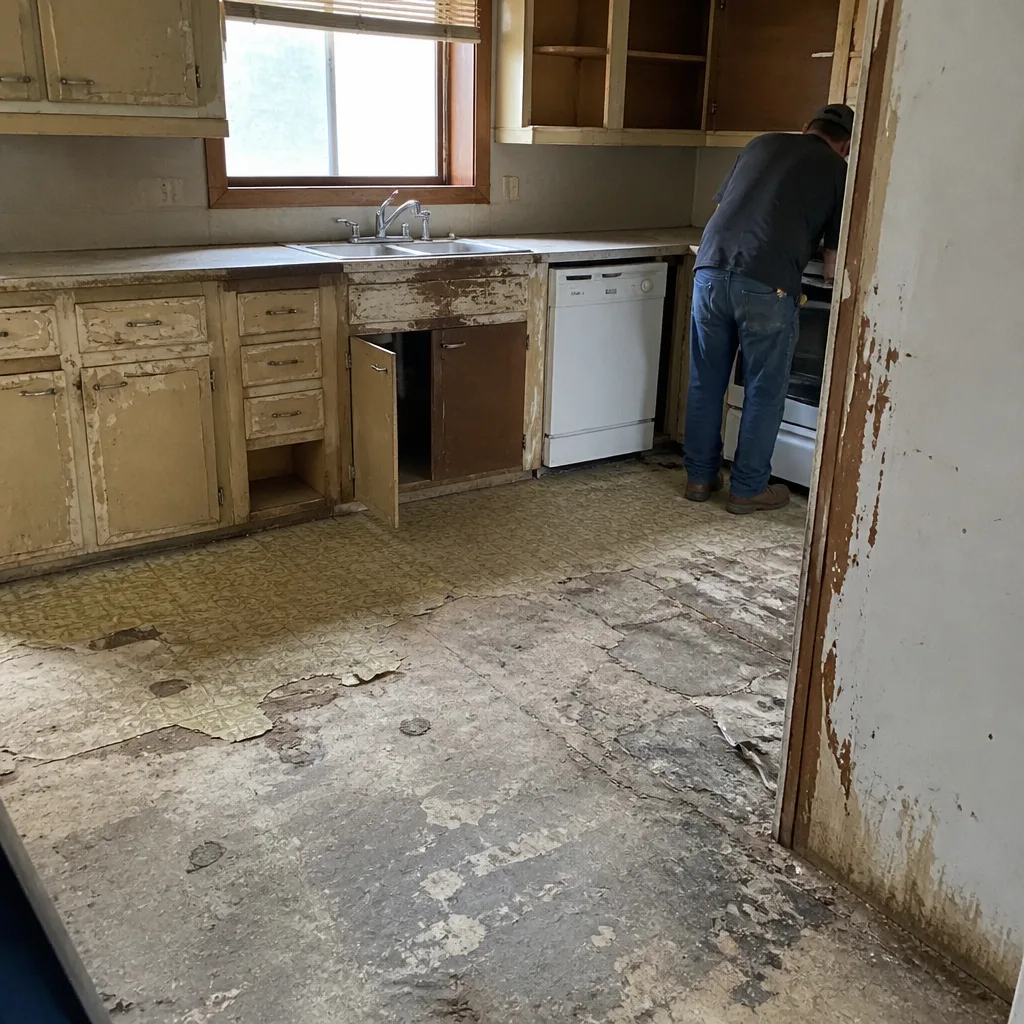 Before
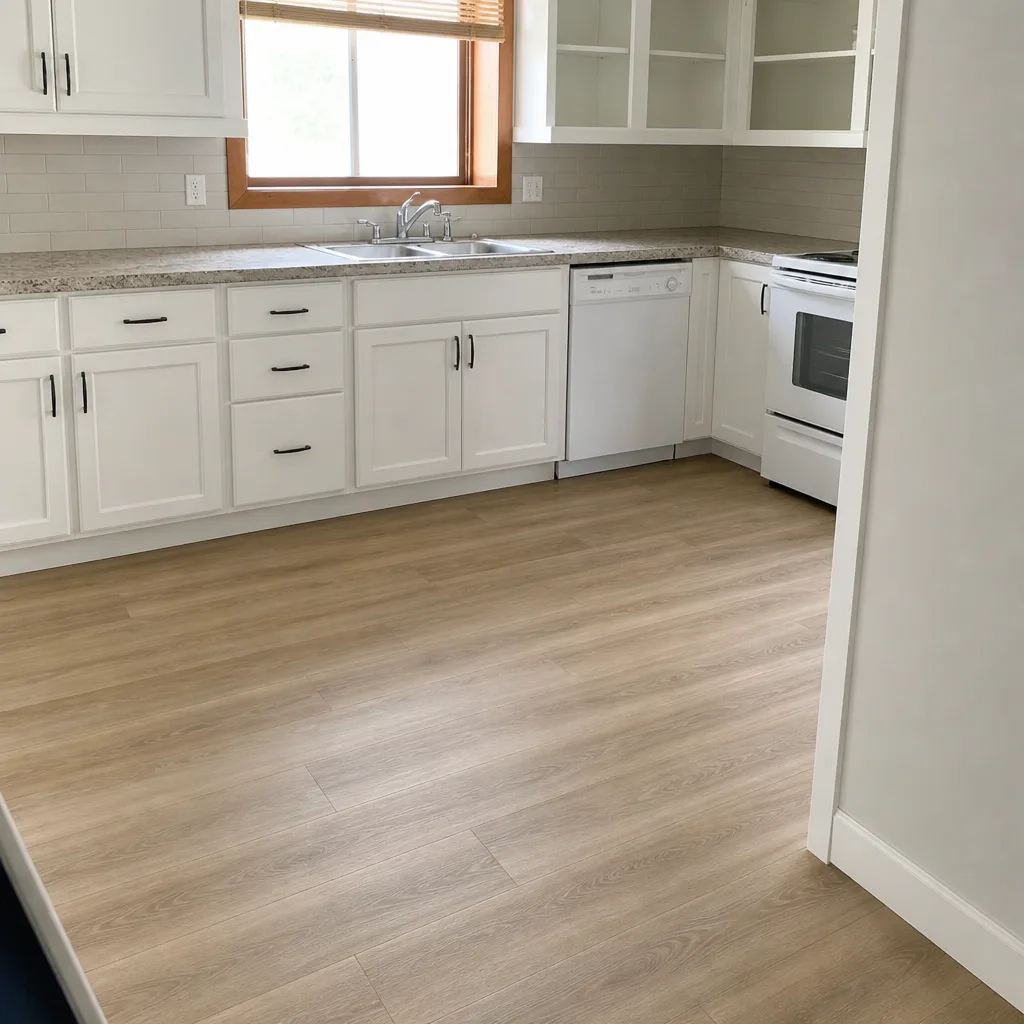 After
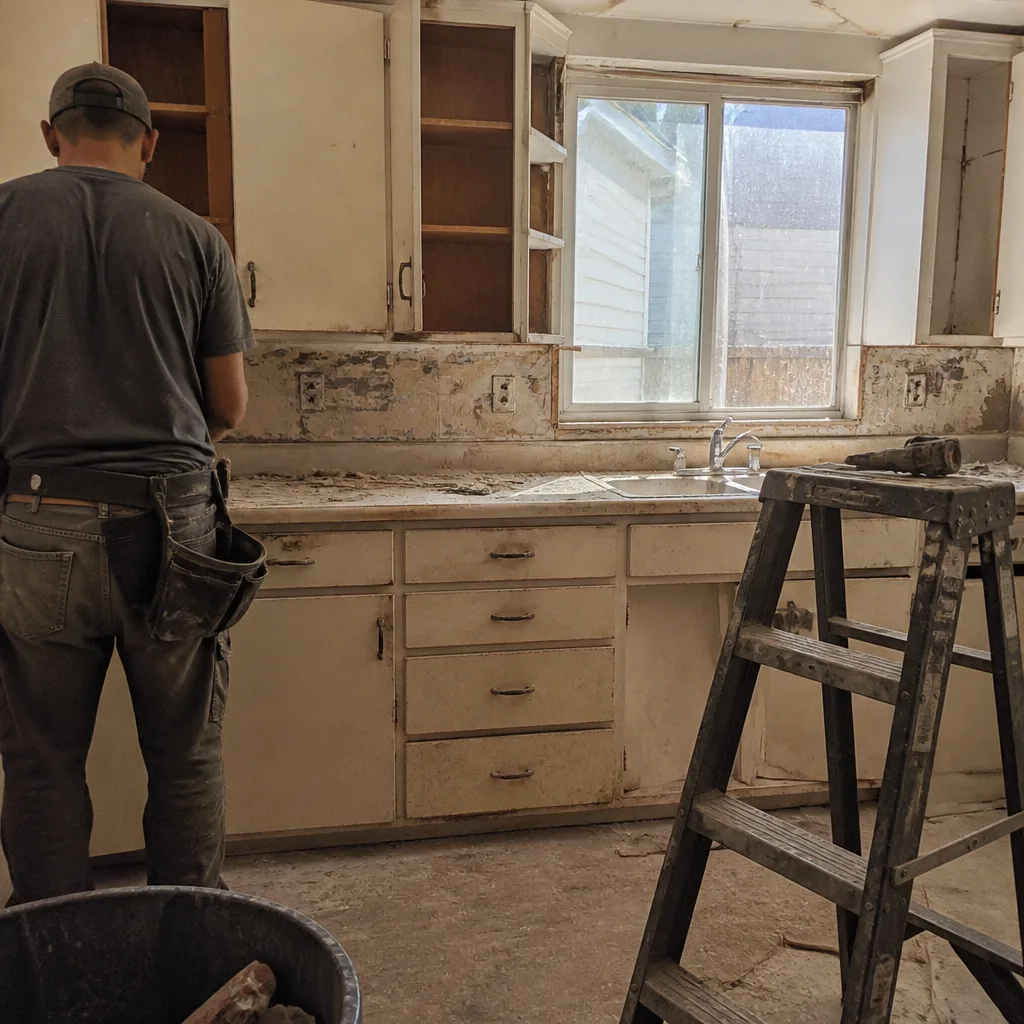 Before
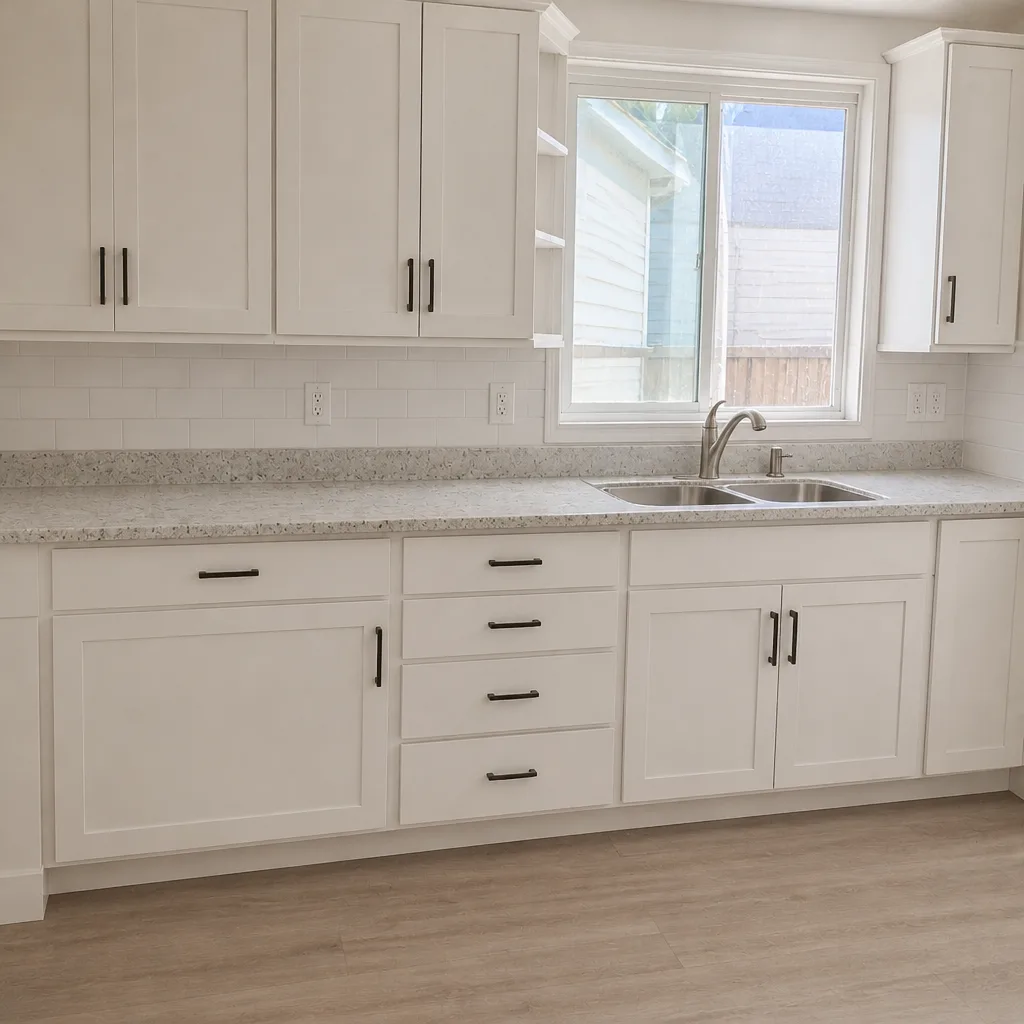 After
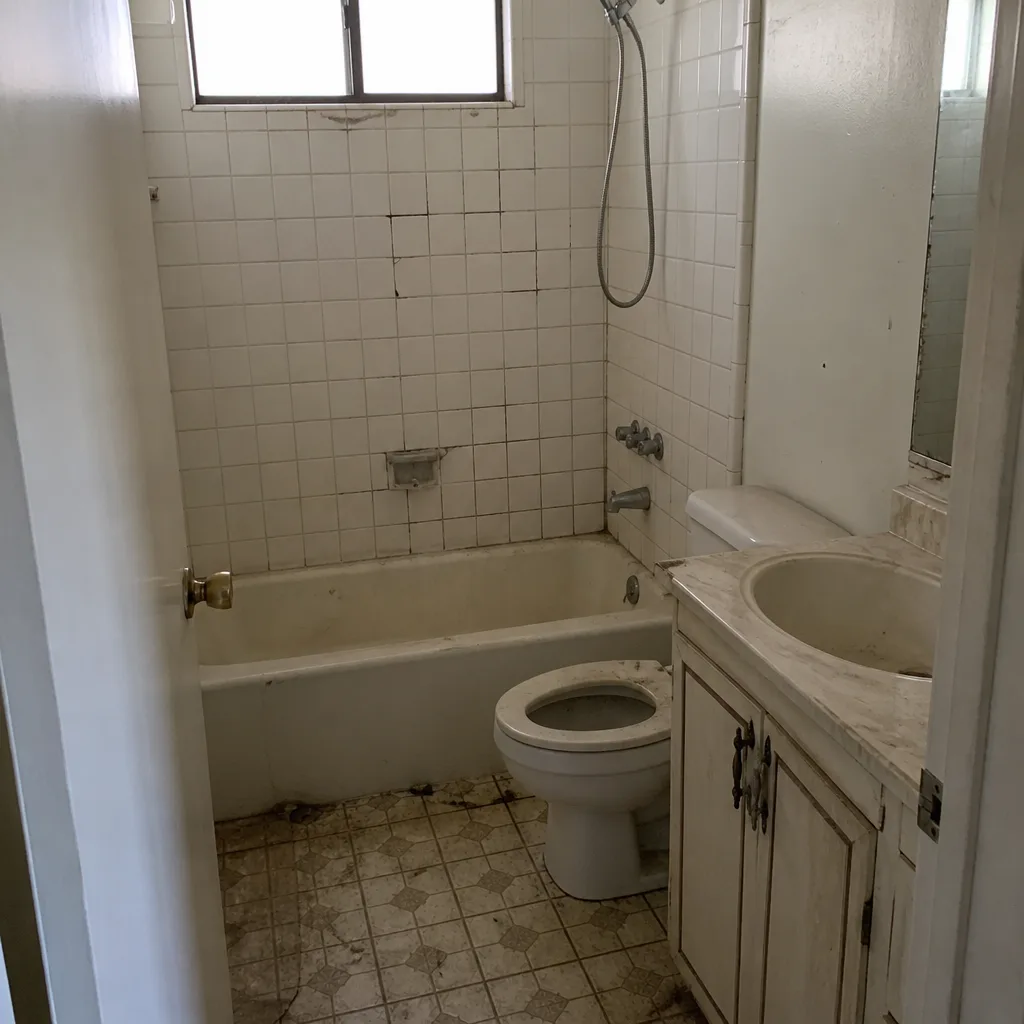 Before
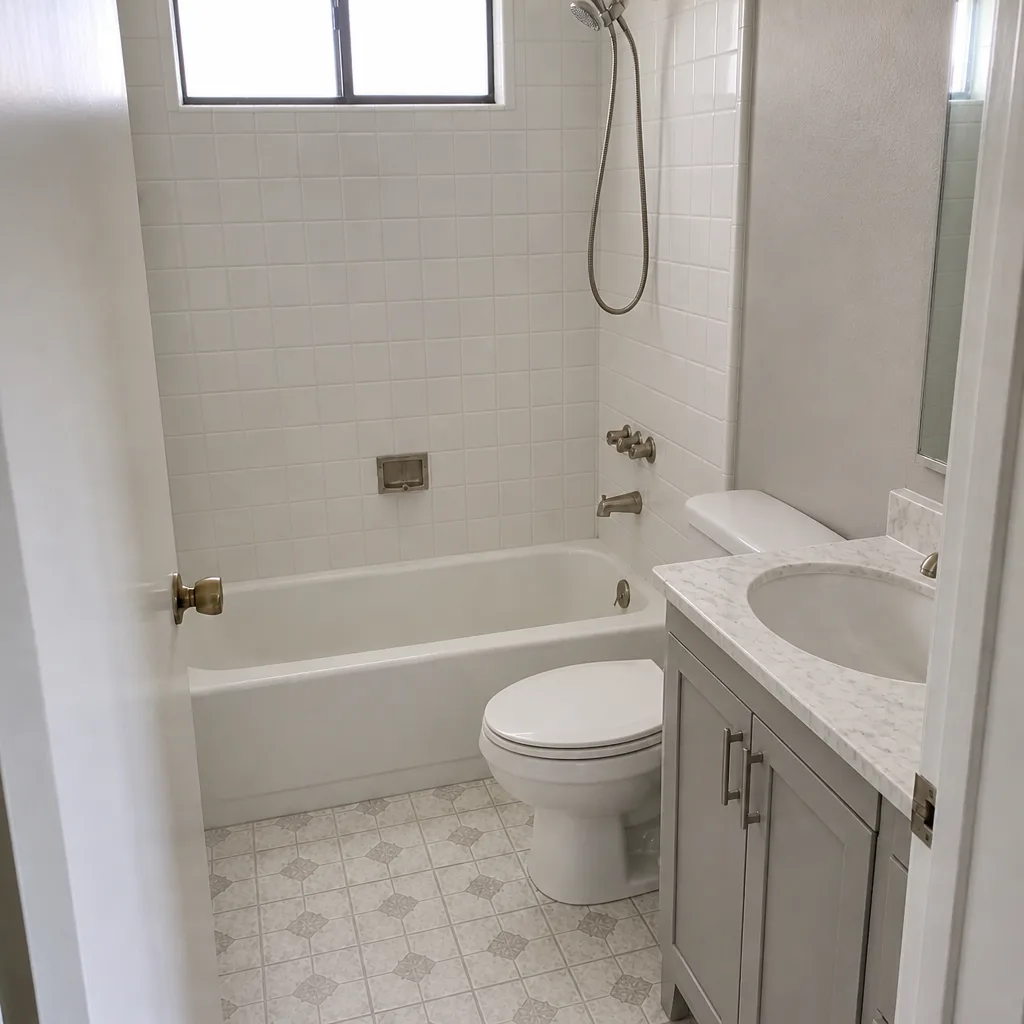 After
Common Mistakes to Avoid
- Pulling the permit yourself, then hiring an unlicensed person to do the work. This is the worst of both worlds. If you pulled the permit, you’re legally the contractor of record – the person you hired isn’t, and you have no recourse if the work fails inspection.
- Buying the tile or flooring before checking the warranty’s installation requirements. Many manufacturers void the warranty on a non-professional install, and once the product is set, that warranty is gone. Read the PDF before the purchase order.
- Assuming “it passed inspection” means “it’s warrantied.” Code compliance and manufacturer warranty are two separate systems. A tile shower can pass rough inspection and still fail the manufacturer’s waterproofing spec, which voids the tile warranty entirely.
- Skipping the moisture test on a slab floor – especially in newer Santa Clarita builds. Slab-on-grade construction is common in the Valencia, Saugus, and Canyon Country developments built from the 1980s on. Concrete wicks moisture, and installing LVP or engineered wood over a slab without a moisture test voids the flooring warranty and produces cupping within a year.
- Converting a garage or adding a bathroom without a permit to “save the fee.” This is the classic Santa Clarita Valley mistake – a lot of older homes have a converted garage that was never legalized. At sale, the buyer’s lender may require a retroactive permit or a credit, and the cost falls on you. The permit fee was the cheap part.
- Underestimating the “while we’re in there” costs. Once a wall is open, every shortcut you made five years ago shows up. A $300 DIY vanity install becomes a $2,000 plumbing sub-project when the shutoff doesn’t close. Budget 20% for the surprises – that’s not pessimism, it’s the number our team sees on projects we’re called in to fix.
- Doing electrical panel work above 100 amps yourself. This is the project that lands homeowners in trouble with their insurer and the city at the same time. Licensed electrician, every time. No exceptions for skill level.
When to Call a Professional
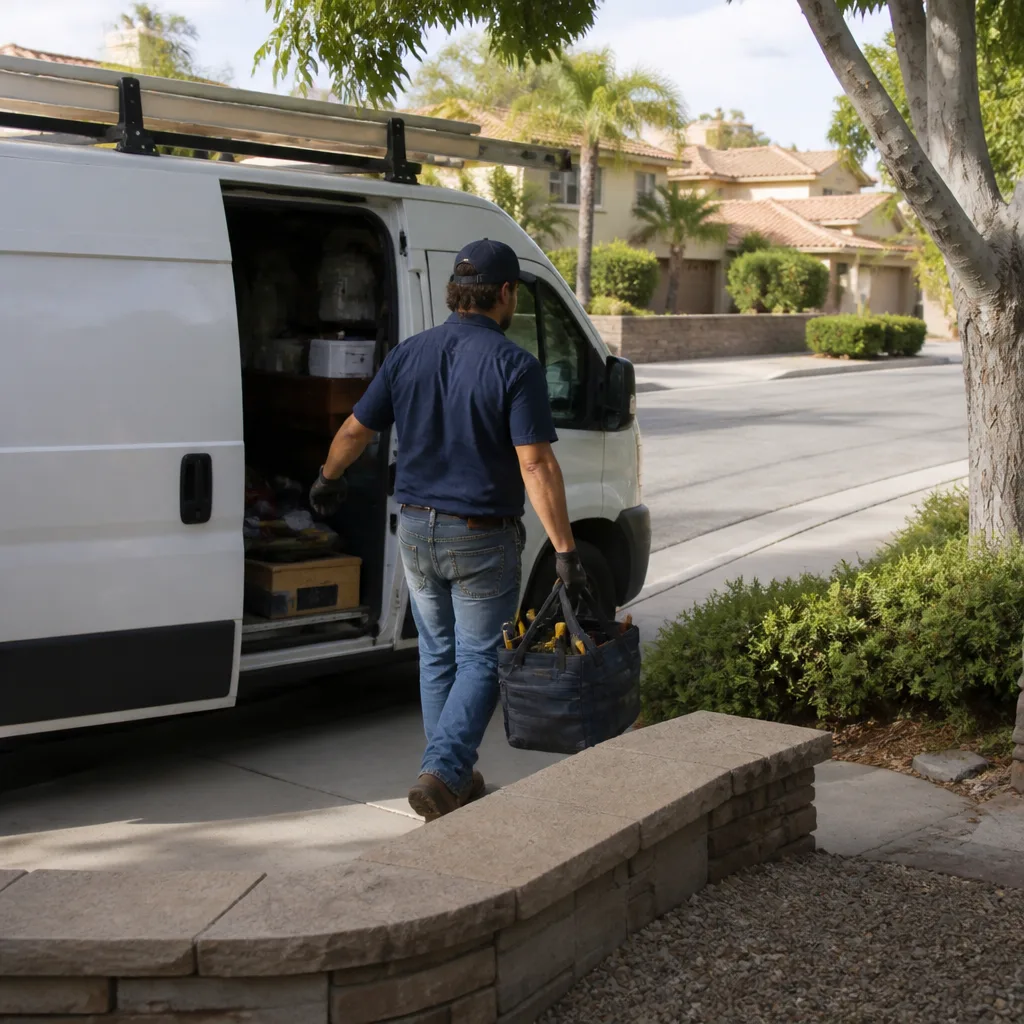
Call a licensed contractor – and specifically, call Penhallow – when the project involves any of the following: structural changes, electrical service upgrades above 100 amps, new circuits, gas lines, HVAC refrigerant work, plumbing behind a wall, any permitted work where the record matters for your home’s resale, and any project where the warranty on the products you’re installing requires professional installation. Call us also when the project is one you could do but seven weekends will turn into seven months – your time has a dollar value, and honesty about that is part of a real estimate.
Penhallow Remodeling Santa Clarita offers free estimates in Santa Clarita – call (866) 383-6693 and a real person answers, day or night. We’ll give you a written price before any work starts, background-checked uniformed technicians, and a written guarantee on every project. That’s the Kingswell standard: say the price before the work, show up in the window we gave, leave the place cleaner than we found it. Every Penhallow location is independently owned and operated as part of the Kingswell family of companies, and every job runs on the same written commitments, including the 365-Day Done Right Promise – if the work fails, we come back and fix it free.
Frequently Asked Questions
You can replace a light fixture, switch, or receptacle on an existing circuit, but any new circuit, subpanel, or service upgrade above 100 amps requires a licensed electrician in California. That includes the panel work many Santa Clarita homeowners want for EV chargers and heat pumps. It’s a licensed job, not a weekend one. Call (866) 383-6693 for a free estimate on electrical-adjacent work in a remodel – we’re a general contractor for kitchens, baths and whole-home remodels – and we’ll tell you plainly which parts need an electrician on the permit.
Not stop, but it complicates the sale and costs you leverage. California’s transfer disclosure statement requires you to disclose known unpermitted work, buyers get the right to request corrections, and FHA and VA lenders may require a retroactive permit before funding. In practice, we’ve seen Santa Clarita sellers spend more correcting the record than they ever saved skipping the permit. Call (866) 383-6693 for a licensed read on your project before the sale – estimates are free.
Tile, grout, thinset, countertops (Cambria, Silestone, Caesarstone all require approved fabricators), engineered flooring, and many fixtures – Kohler and Moen cartridge warranties among them – require professional installation per the manufacturer’s spec. The warranty PDF is the authority, not the product listing. When in doubt, price the professional install alongside your DIY plan. Call (866) 383-6693 for a written price comparison you can actually do math against.
A mid-range bath remodel in Santa Clarita typically runs $18,000 – $32,000 with a professional written-price contract, depending on tile, vanity line, and fixture package. A realistic DIY version – materials, tools, permit, and a real mistake budget – usually lands between $6,500 and $11,600 before any failures, and it comes with no permit record, no professional warranty, and you as the contractor for any defect. Call (866) 383-6693 for a free written estimate so you can compare the real numbers.
Yes. Any bathroom remodel that moves or replaces plumbing, adds or relocates electrical, or alters the structure requires a permit from the City of Santa Clarita’s building division. Cosmetic-only work (paint, hardware, replacing a vanity in the same spot) may not. The permit is also what preserves your resale record and keeps manufacturer warranties intact for wet-area products. Call (866) 383-6693 – we pull permits and pass inspections as part of the written price.
Yes, but the savings are concentrated in specific scope: interior paint, trim carpentry, fixture swaps on existing circuits, landscaping, hardware, and curb-appeal upgrades. The savings disappear the moment you cross into structural, gas, electrical-over-100A, HVAC refrigerant, or plumbing-behind-a-wall territory. Anything that needs a permit for resale or a warranty for the products should go to a licensed contractor. Call (866) 383-6693 for a straight read on where your project sits – the estimate is free and we’ll tell you which parts you can safely do yourself.
The Bottom Line
The DIY-vs-hire decision in Santa Clarita is not a test of your skill. It’s a calculation about permits, warranties, and what failure actually costs in California’s liability environment. Do the projects that leave no permit trail and void no warranty: painting, trim, hardware, landscaping, and fixture swaps on existing circuits. For anything structural, electrical above 100 amps, gas, HVAC, or plumbing behind a wall, the licensed path is cheaper in the long run – and the day you sign a permit application as the homeowner, you’ve legally become the contractor for that job. That’s the line worth knowing before you pick up a tool. Every project we build comes with a written price before any work starts and the 365-Day Done Right Promise in writing. For whole-home work under one roof, see our General Contractor in Santa Clarita page, or browse Kitchen Remodeling in Santa Clarita and Bathroom Remodeling in Santa Clarita for scope-specific detail.
Ready to put a real number next to your DIY math? Call (866) 383-6693 for a free estimate from Penhallow Remodeling Santa Clarita. A live person answers around the clock, we’ll come out on a real arrival window, and you’ll leave with a written price you can hold us to – before a single cabinet is pulled or tile is set. Background-checked uniformed technicians, recognized material brands like Grohe, GAF, CertainTeed and Owens Corning, and a guarantee that stands behind the work long after the crew leaves. That’s the standard we build to in Santa Clarita, every project, every time.
Written by the team at Penhallow Remodeling Santa Clarita.