Last updated November 18, 2026
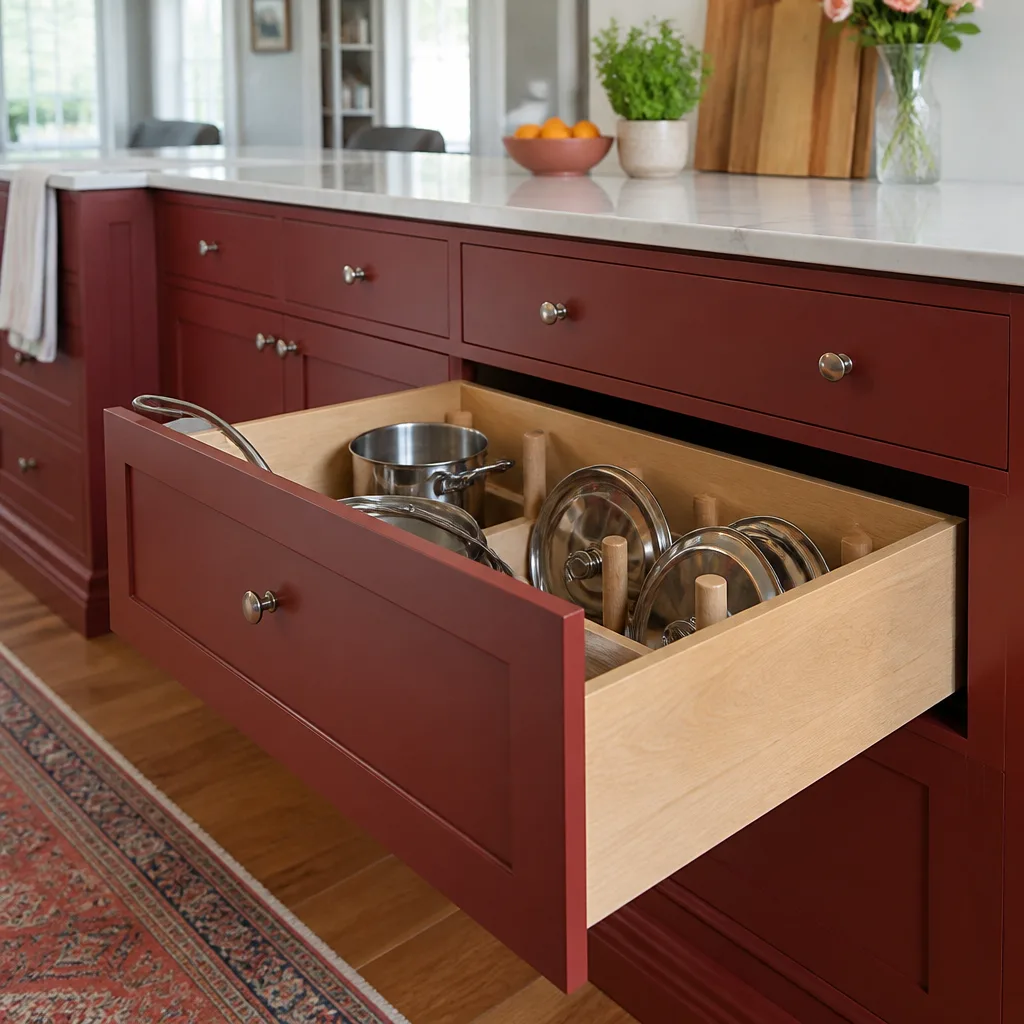
Free written scope consultation - allowances, timeline, and change-order rules on paper before a single trade is scheduled
Construction Cost Breakdown: The Santa Clarita Homeowner’s Reference for 2026
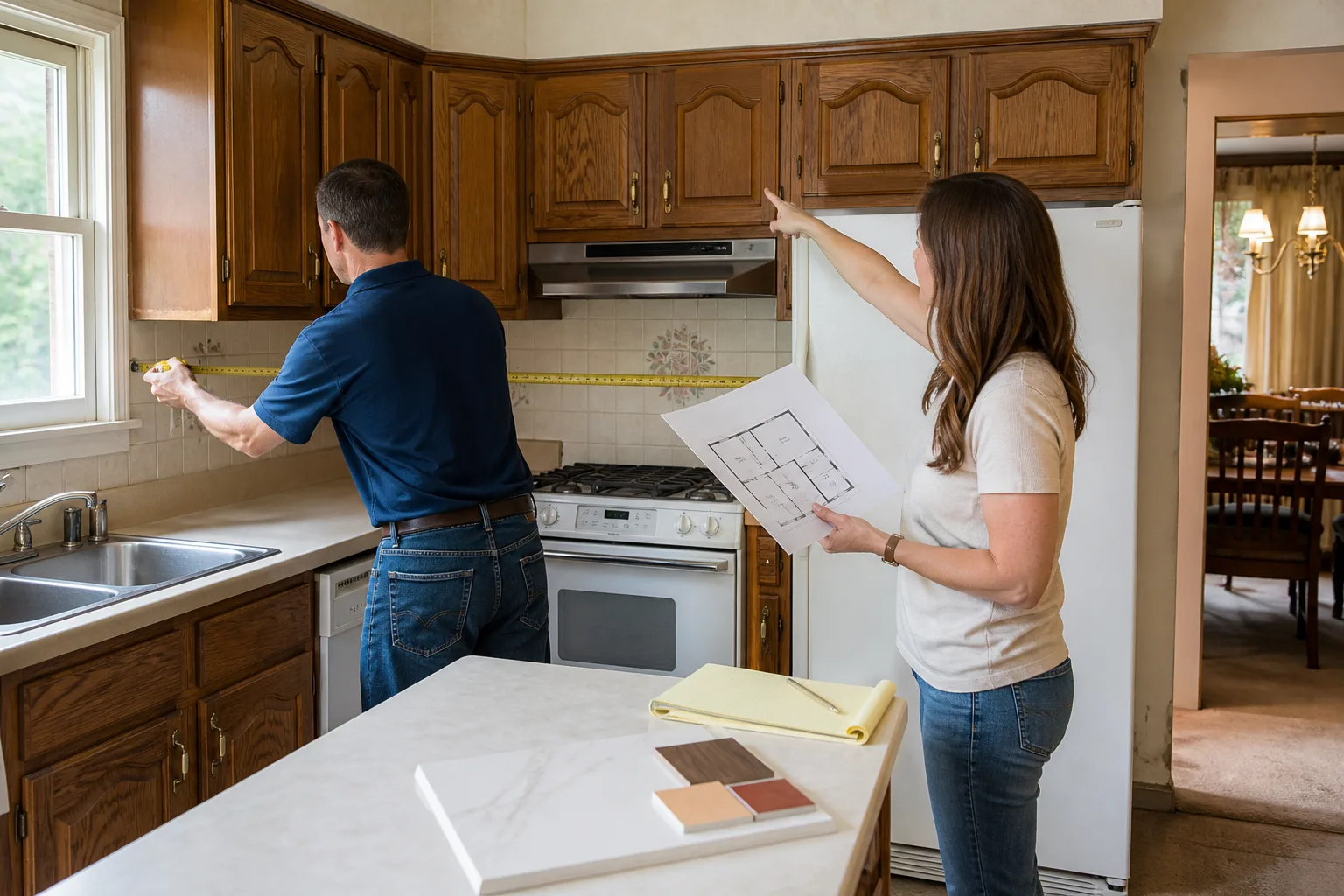
A kitchen remodel that runs $28,000 in Phoenix costs between $45,000 and $65,000 in Santa Clarita. Not because contractors here are gouging you. California labor law, LA County permit fees, compliant haul-away and disposal, and the price of getting materials delivered up the 5 all add real dollars that national estimate calculators quietly ignore. That gap is the whole reason this guide exists. What follows are ranges built from the Santa Clarita market up, not from a national median down: what each common project costs here, what the three cost layers inside every bid actually are, and how to read a line-item quote well enough to spot where a contractor is planning to trim.
Quick Answer
In Santa Clarita, 2026 construction costs break down roughly like this: a bathroom remodel runs $14,000 – $32,000, a kitchen remodel $45,000 – $95,000, a room addition $110,000 – $240,000, a detached or garage-conversion ADU $140,000 – $320,000, and a whole-house remodel $180,000 – $450,000 depending on size and scope. On every one of those projects, soft costs (permits, plan check, inspections, design, haul-away) run 15 – 25% of the total. The single biggest driver of a Santa Clarita number that surprises people isn’t materials. It’s labor and compliance.
Styles & brands we work with
- Kitchen remodeling
- Bathroom remodeling
- Home additions & ADU
- Roofing
- Windows & doors
- Driveway & pavers
- Fence
Table of Contents
- Why National Cost-Per-Square-Foot Numbers Fail in Santa Clarita
- Project-by-Project Cost Ranges for Santa Clarita in 2026
- The Three Cost Layers Inside Every Estimate
- How to Read a Line-Item Bid and Spot the Trimming
- Fixed-Price vs. Time-and-Materials: What a Written Price Is Worth in Dollars
- Santa Clarita Cost Factors: HOA Review, Hillsides and Fire-Rated Materials
- Permits, Inspections and the Paperwork That Costs Real Money
- How to Build a Budget You Can Actually Live With
Why National Cost-Per-Square-Foot Numbers Fail in Santa Clarita
The cost-per-square-foot figure you find in a national remodeling survey is an average across thousands of projects in dozens of labor markets. By the time it reaches your screen it has already been flattened into mush. It doesn’t know that a licensed crew in the Santa Clarita Valley costs more per hour than the same crew in most of the country, because it can’t. California wage rules, the cost of workers’ compensation coverage here, and the simple fact that skilled trades have somewhere else to work all push labor up. That’s the first gap.
The second gap is materials logistics. Your cabinetry, your countertop slab, your tile: it all arrives from supply houses down in the San Fernando Valley or out toward the Inland Empire. Delivery into the Santa Clarita Valley adds a real line to the job, and so does the haul-away when demolition fills a dumpster. Compliant disposal in LA County isn’t free and it isn’t optional.
The third gap is soft cost. Plan check, permit fees, inspections, the energy compliance documentation California requires on additions and major alterations. A national calculator either ignores these or bundles them into a mysterious percentage.
We’ve watched homeowners walk into a Santa Clarita project with a number from a website and walk out of the first bid meeting stunned. The number wasn’t wrong for the country. It was wrong for Santa Clarita. Build your budget from local rates and you skip that whole surprise. If you want the wider picture of how we approach a project, the Penhallow Remodeling Santa Clarita home page lays out how we price and guarantee work before anything starts.
Project-by-Project Cost Ranges for Santa Clarita in 2026
These ranges come from the Santa Clarita market, not a national median. They reflect typical homes in neighborhoods like Valencia, Saugus, Newhall, Canyon Country and Stevenson Ranch, with ordinary structural conditions. A hillside lot, a load-bearing wall that has to come out, or a foundation issue moves a number out of these bands fast.
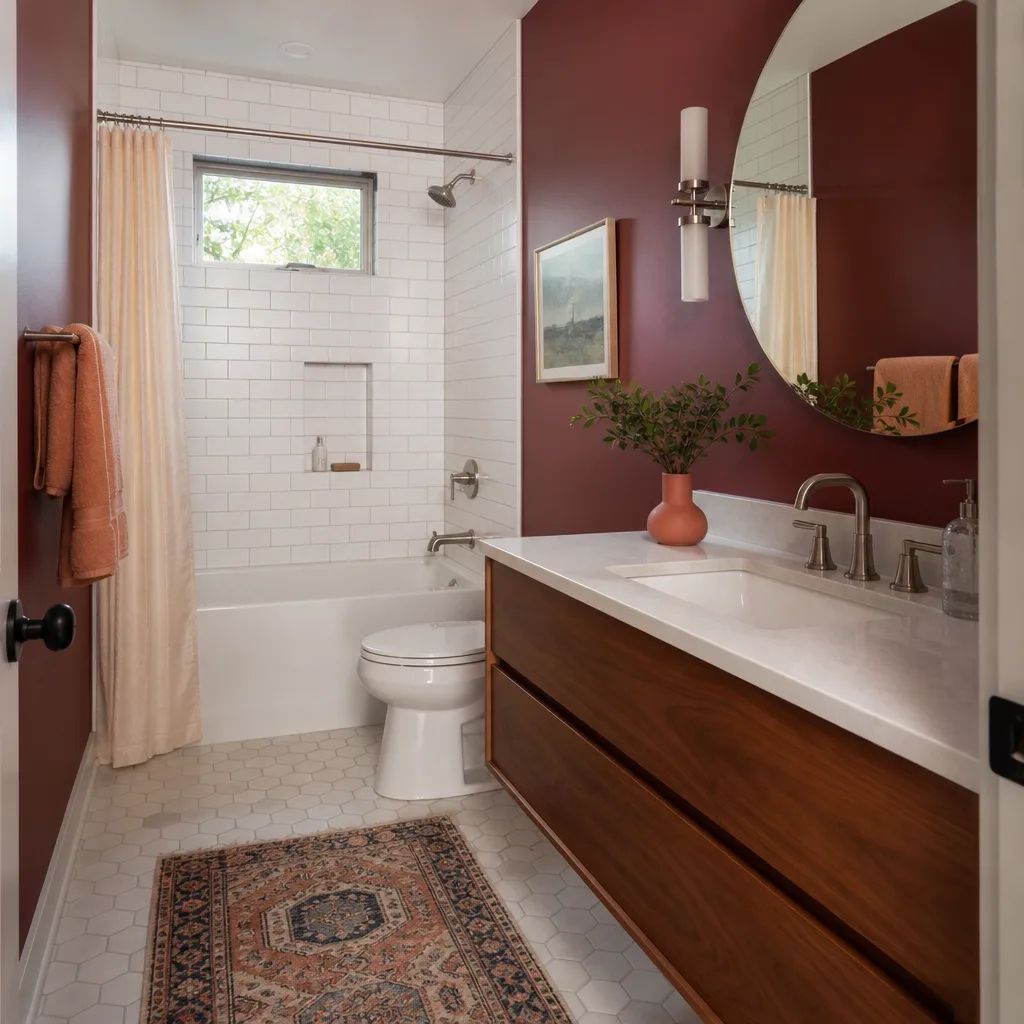
- Bathroom remodel, full gut and rebuild: $14,000 – $32,000. A hall bath at the low end; a primary bath with a curbless shower, double vanity and upgraded tile at the top.
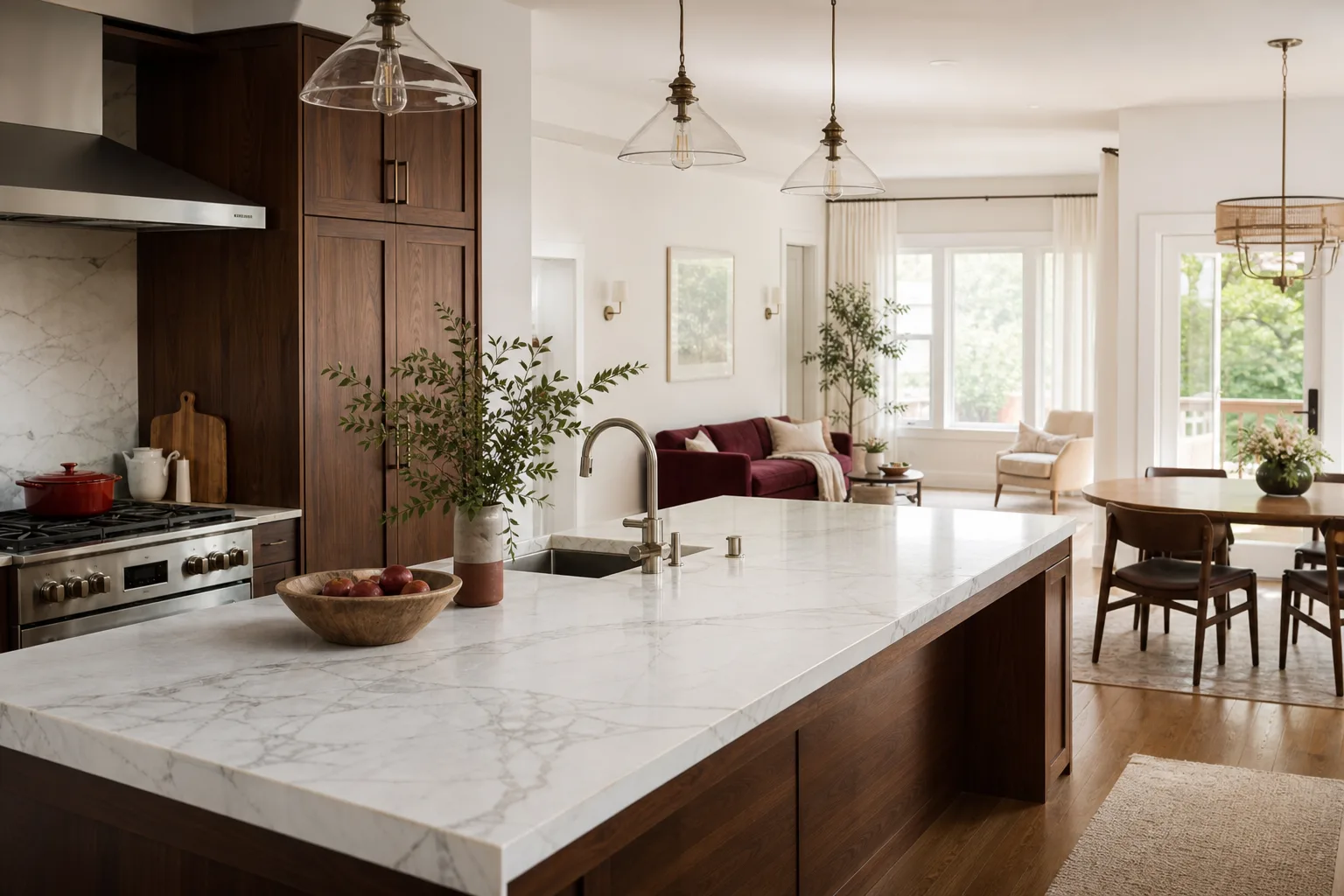
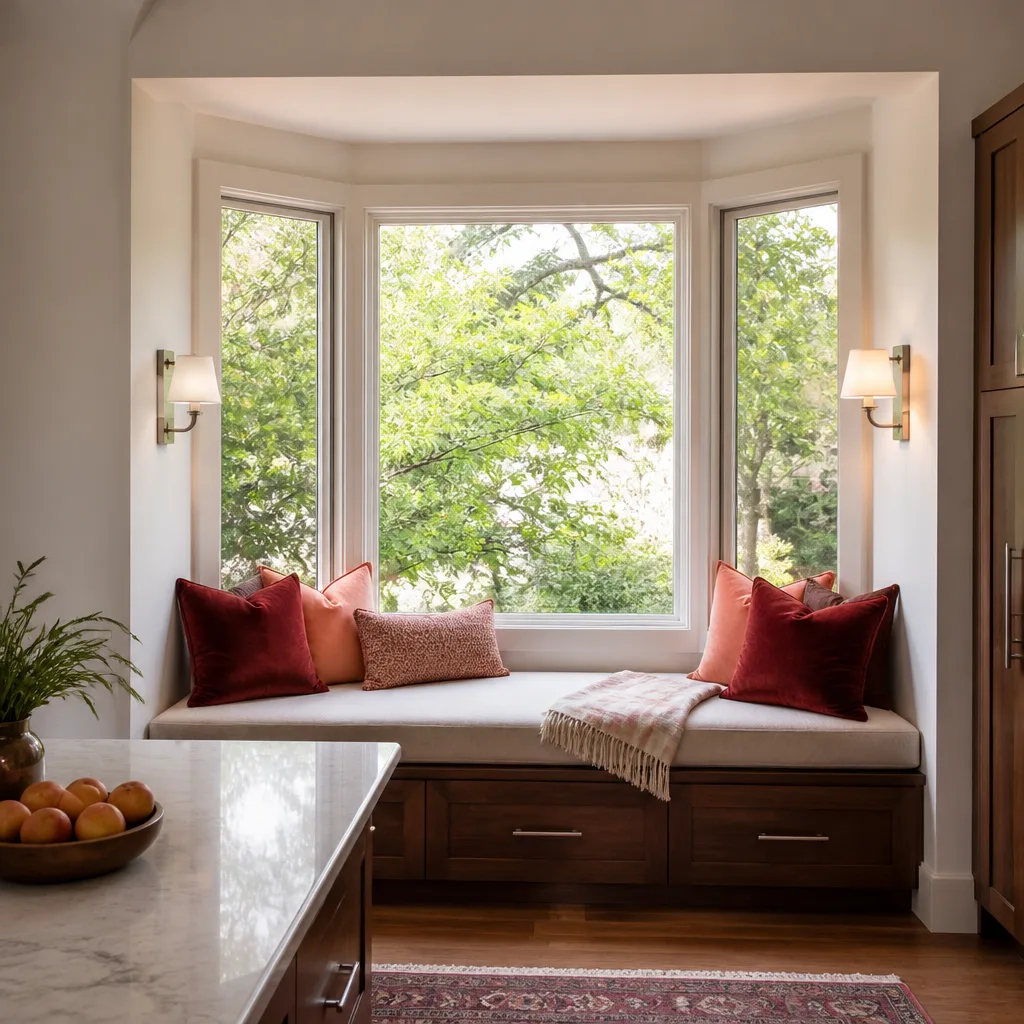
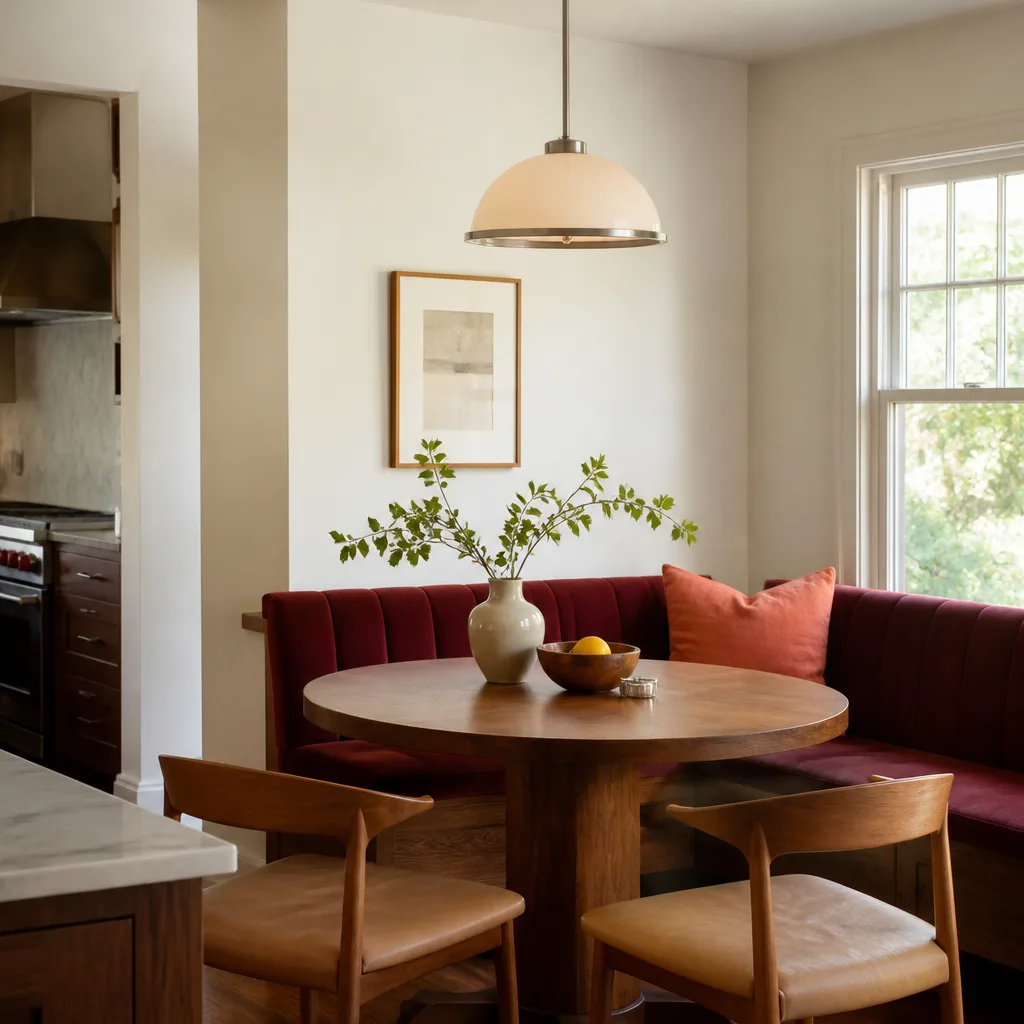
- Kitchen remodel, mid-range: $45,000 – $95,000. Layout kept but cabinets, counters, electrical, lighting and flooring all replaced. Top of the range means moving a wall, a window or the sink and range locations.
- Room addition: $110,000 – $240,000 depending on square footage, foundation type and roof tie-in. A 300 – 500 sq ft addition on a typical Santa Clarita lot.
- ADU (detached or garage conversion): $140,000 – $320,000. Garage conversions sit lower; a detached unit with its own kitchen, bath and utility trench sits higher.
- Whole-house remodel: $180,000 – $450,000. Cosmetic-only remodels with layout unchanged land at the floor; major reconfiguration with electrical and plumbing replacement climb toward the ceiling.
Notice what drives the range on each of those: layout changes, plumbing relocations and structural work, not finish color. A kitchen with quartz counters and mid-grade cabinetry that stays where it is costs far less than the same kitchen rebuilt with a wall removed. Those finish-tier brand names matter to the total (Cambria and Silestone carry real costs and real warranties), but they’re not the biggest lever. Structure is. The Kitchen Remodeling in Santa Clarita page goes deeper into what moves that number up or down.
The Three Cost Layers Inside Every Estimate
Every honest estimate contains three layers. Learn them and you can compare two bids on equal footing.
- Materials. Cabinetry, countertops, tile, fixtures, lumber, drywall, paint, hardware. This is the layer most homeowners obsess over and it’s the most controllable. Choosing KraftMaid instead of a custom line, or Silestone instead of a slab from a stone yard, moves material cost by thousands with a wide choice in between.
- Labor. Demolition, framing, plumbing, electrical, tile setting, finish carpentry, painting. In California, labor also carries the cost of a crew that’s licensed and insured and compliant with state wage and coverage rules. This is where national averages drift furthest off the Santa Clarita reality.
- Soft costs. Permits, plan check, inspections, design and drawings where required, energy compliance documentation, and haul-away. In California soft costs run 15 – 25% of total project cost. In a state with LA County’s fee schedule and disposal rules, that layer is a real line, not a rounding error.
A bid that omits the soft costs isn’t cheaper. It’s incomplete, and the cost will reappear just after demo. When we put together a quote, all three layers appear before anyone picks up a tool. That’s the difference between a number and an estimate.
How to Read a Line-Item Bid and Spot the Trimming
When a contractor lowers a number without changing the scope description, they’re trimming a specific line somewhere. Here’s exactly where to look.
- Allowances set too low. A $2,500 cabinet allowance in a kitchen you’re furnishing with KraftMaid or Wellborn is a signal, not a quote. The real number is higher and you’ll pay the difference.
- Permits omitted. If the bid has no permit or plan-check line, the contractor intends to skip it, you’ll pull it, or it’s hidden in a lump sum. Any of those means surprises.
- Haul-away and dumpster missing. Demolition produces weight, and disposal in LA County costs money. It has to be in there.
- Vague plumbing and electrical. “Minor plumbing” or “electrical as needed” is undefined. A real bid says relocate sink drain, add four recessed lights, replace sixty amp panel, or something equally specific.
- No substrate or waterproofing line. In a bathroom, the cement board substrate and the waterproofing membrane behind the tile determine whether the shower lasts twenty years or leaks in three. If it’s not itemized, it’s not priced.
- Thin labor line. A labor number well under the local rate usually means the contractor plans to substitute unverified sub-crews or cut corners. Ask who’s doing the work.
A written bid that separates all three cost layers, names the material brands, and states the permit plan is one you can actually compare. That’s how we write every quote: a written price you can hold us to, not an estimate range that changes at the door. If a finished bathroom is what you’re after, the Bathroom Remodeling in Santa Clarita page covers the scope and finish tiers in depth.
Fixed-Price vs. Time-and-Materials: What a Written Price Is Worth in Dollars
Here’s a concrete example. Say the scope is a hall bathroom: gut to the studs, new tile and tub surround, new vanity, new fixtures, keep the plumbing where it is.
Under a time-and-materials contract, you agree to pay for hours and materials as they accrue. The contractor opens the wall, finds a corroded valve or a floor that needs sistering, tells you the price has changed, and you’re on the hook. The number on day one is a good-faith ballpark and the invoice at the end could land anywhere from $18,000 to $28,000, driven by what turns up.
Under a fixed-price contract with a written scope, the contractor inspects first, prices the knowns, and includes a contingency for common surprises in writing. The price is the price. If the work fails inside the guarantee period, it comes back and fixes it at no charge. That kind of written guarantee on every project is what the 365-Day Done Right Promise is: if it’s not right, we make it right, and it’s backed in writing. That promise doesn’t cost extra. It’s the reason to press for fixed pricing in the first place.
When you compare two bids, the lower one might not be the same contract type. Ask specifically: “Is this a fixed price or time-and-materials? What happens if you open a wall and find something?” If the answer wanders, keep shopping. For the broader view on how we price and stand behind a project, see the General Contractor in Santa Clarita page.
Santa Clarita Cost Factors: HOA Review, Hillsides and Fire-Rated Materials
Some Santa Clarita costs don’t exist in a national calculator at all. They’re local, and they’re real.
- HOA architectural review fees. Many Santa Clarita neighborhoods, from Valencia to Stevenson Ranch to parts of Saugus, sit under an HOA with an architectural review committee. The application fee, plan submission and approval time are soft costs. So is the delay before a crew can start. If your project touches the roofline, exterior siding or footprint, budget for it.
- Hillside surcharges. Homes on sloped lots in the valley’s hillside areas can require deeper foundations, retaining walls, engineered grading or shoring. That’s structural cost, not finish cost, and it can be the single biggest line in an addition.
- Fire-rated materials in high-hazard severity zones. Santa Clarita includes areas mapped into higher fire-hazard severity zones. Roofing, siding, decking and vent materials rated for those zones carry a premium. It’s a real line item on additions and exteriors, and it isn’t optional where it applies. Siding choices like James Hardie fiber cement are common for exactly this reason: durability and fire performance together.
- Delivery and disposal into the valley. Materials come from downstream, and demolition leaves the valley to reach compliant disposal. Both are real and both get ignored by national numbers.
None of that is a reason to avoid a project. It’s a reason to price with a contractor who knows the Santa Clarita map and builds those lines in from the start.
Permits, Inspections and the Paperwork That Costs Real Money
Permits aren’t a tax on your ambition. They’re the mechanism that protects your resale and your safety. Here’s how that flows on a Santa Clarita project.
- Plan design and drawings. Structural, plumbing and electrical changes need drawings. For additions and ADUs, energy compliance documentation is required. Design and drafting sit in the soft-cost layer.
- Plan check and permit issuance. The jurisdiction reviews the plans and issues the permit. Fees vary by scope. This is the cost most national calculators leave out.
- Inspections. Rough framing, electrical, plumbing and final inspections mark the stages. A contractor who plans to pass inspections builds scheduling and re-inspection into the timeline.
- Close-out. Final sign-off means the job is documented and your records are clean for resale.
We pull permits and pass inspections because that’s how a project is worth what you paid for it. A contractor who tells you permits aren’t needed is telling you the project will one day fail a buyer’s inspection or a title check. Call the city and ask before you sign. If the answer surprises you, walk away. If you’d like a straight read on what permits a project requires, the General Contractor in Santa Clarita team can walk it through with you.
How to Build a Budget You Can Actually Live With
A budget that’s only a number is a budget that breaks. Build it in three parts instead.
- The scope. What does the finished project look like? Write it down before you talk to anyone. Rooms affected, layout changes, finish tier, must-haves versus nice-to-haves.
- The number. Build the total from the three cost layers: materials, labor, soft costs. Add 10% contingency for the surprises that opening walls reliably produces. That contingency is not a margin; it’s the difference between completing the project and stalling it halfway.
- The timeline. A Santa Clarita project runs on a schedule that includes design, plan check, permit issuance, construction and inspections. Build that in. Rushed projects cost more.
Then ask for a written fixed price that reflects all three layers. A written price before any work starts, a defined arrival window, a clean job site, and a written guarantee on the finished work. That’s The Kingswell Way, and it’s how we work on every Santa Clarita project. Call (866) 383-6693 for a free estimate, or start with the Kitchen Remodeling in Santa Clarita and Bathroom Remodeling in Santa Clarita pages to see how the numbers come together.
Common Mistakes to Avoid
- Budgeting from a national cost-per-square-foot figure. Those averages don’t know about California labor, LA County permit fees or valley delivery costs. Build your budget from the Santa Clarita ranges above, then compare.
- Accepting an allowance-heavy bid instead of a real quote. An allowance is a placeholder, not a price. The difference lands on your invoice. Ask for actual line-item prices, not a low allowance that will balloon.
- Skipping the permit to save the fee. It costs more later when a buyer’s inspection or a resale title check catches unpermitted work, and it puts your safety on the line for electrical, plumbing and structural changes.
- Forgetting HOA architectural review in an HOA community. A project that touches the roofline or exterior in a Valencia or Stevenson Ranch HOA needs committee approval first. Missing that step delays the whole job and can force a redo.
- Choosing time-and-materials when you were quoted a fixed price. The numbers can look identical up front and diverge wildly after demo. Read the contract type before you sign.
- Assuming hillside is the same as flat. A sloped lot in the hillside areas can mean foundations, retaining walls and grading. Price the site, not just the room.
- Letting any contractor into your home without confirmation. Background checks and uniform standards are the baseline. Ask who is coming and when. Our technicians are background-checked and arrive in uniform, and a live person answers the phone 24/7 so you’re never stranded.
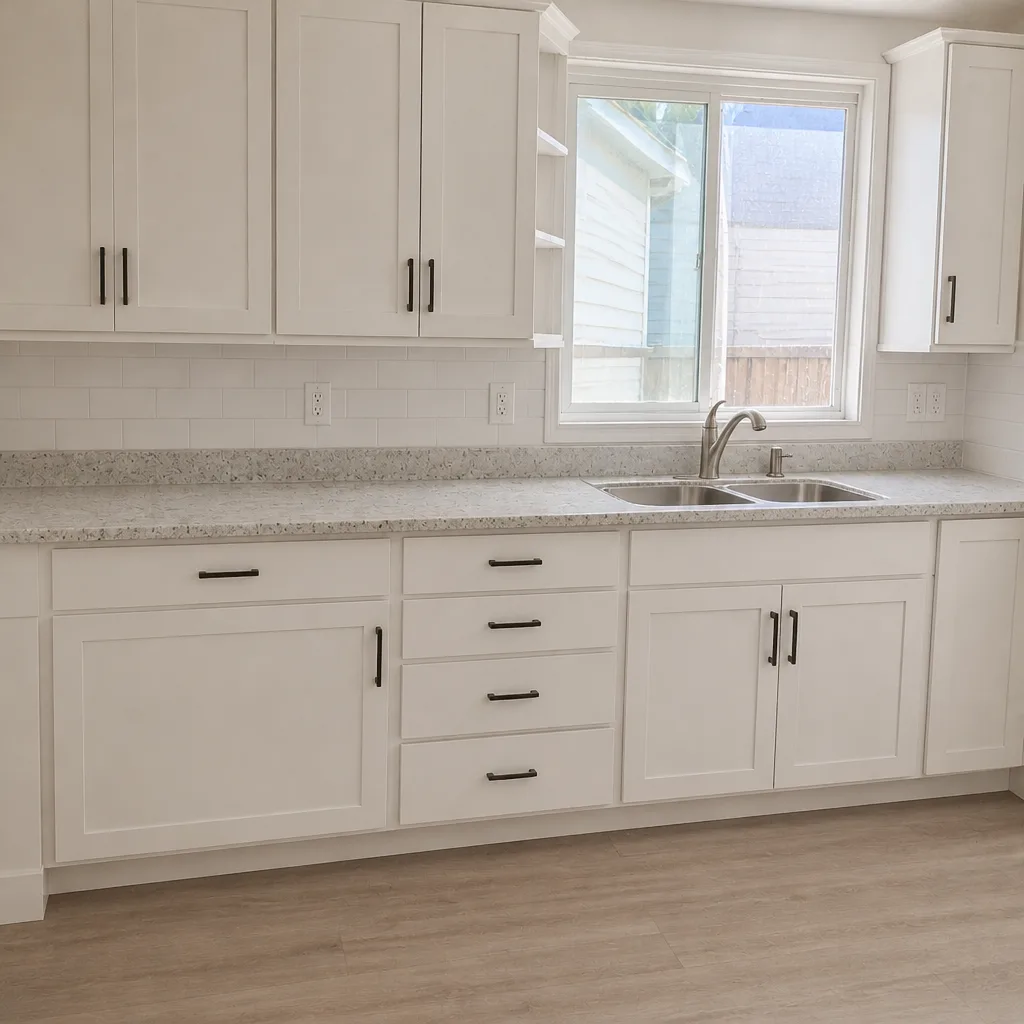
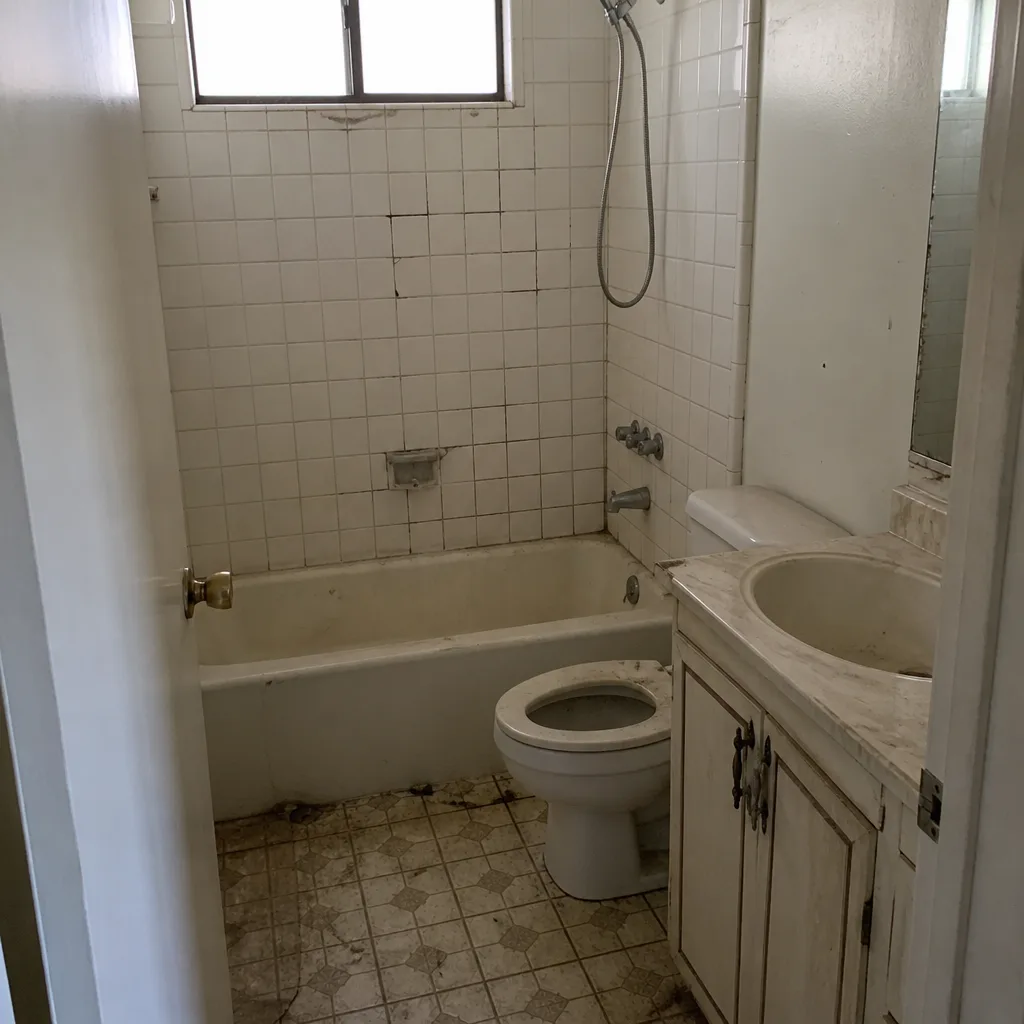
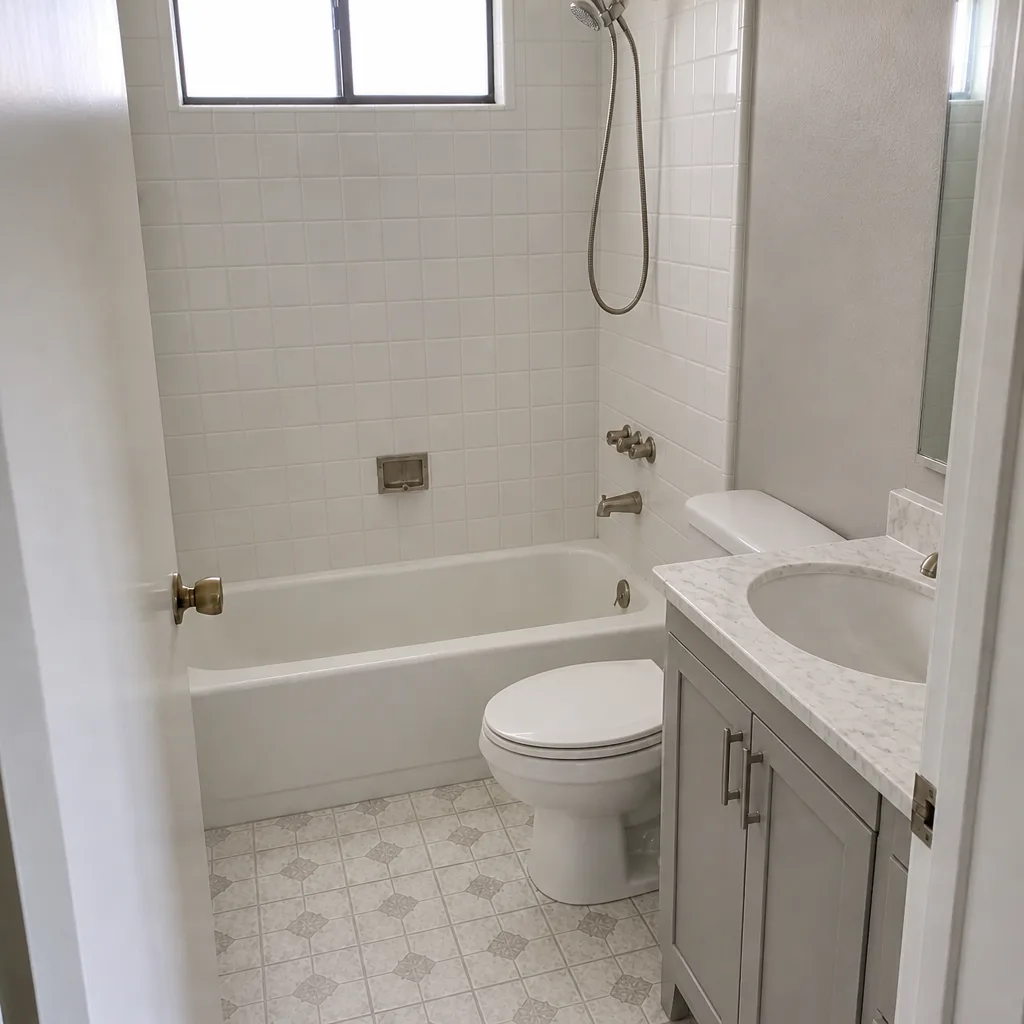
See the difference
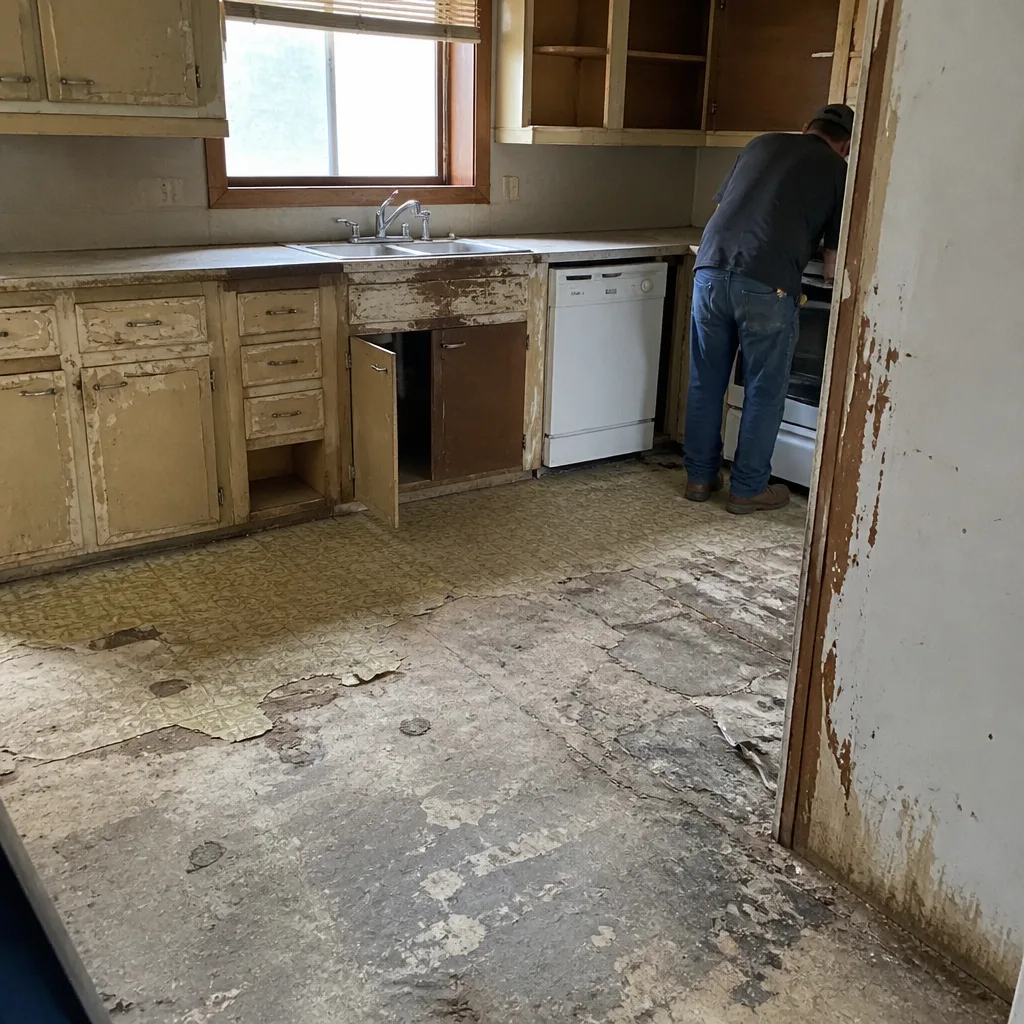 Before
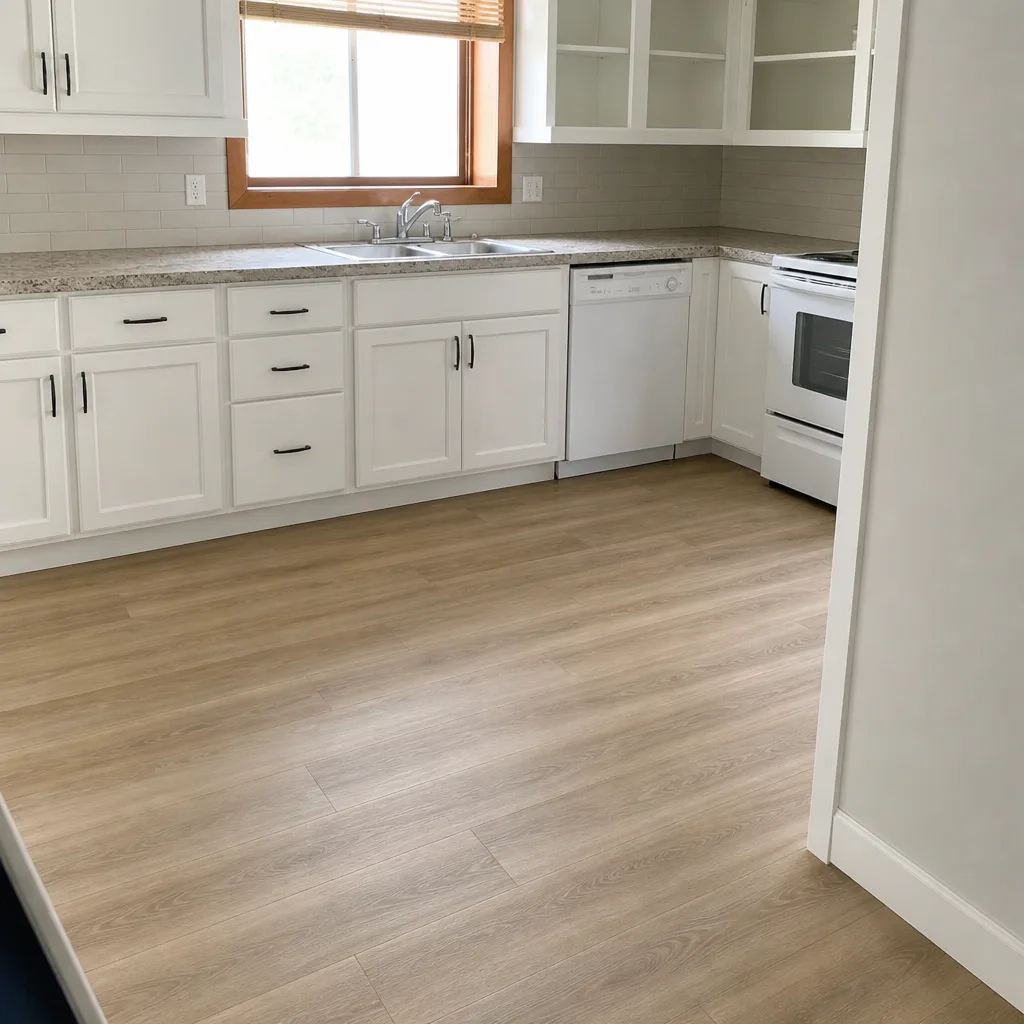 After
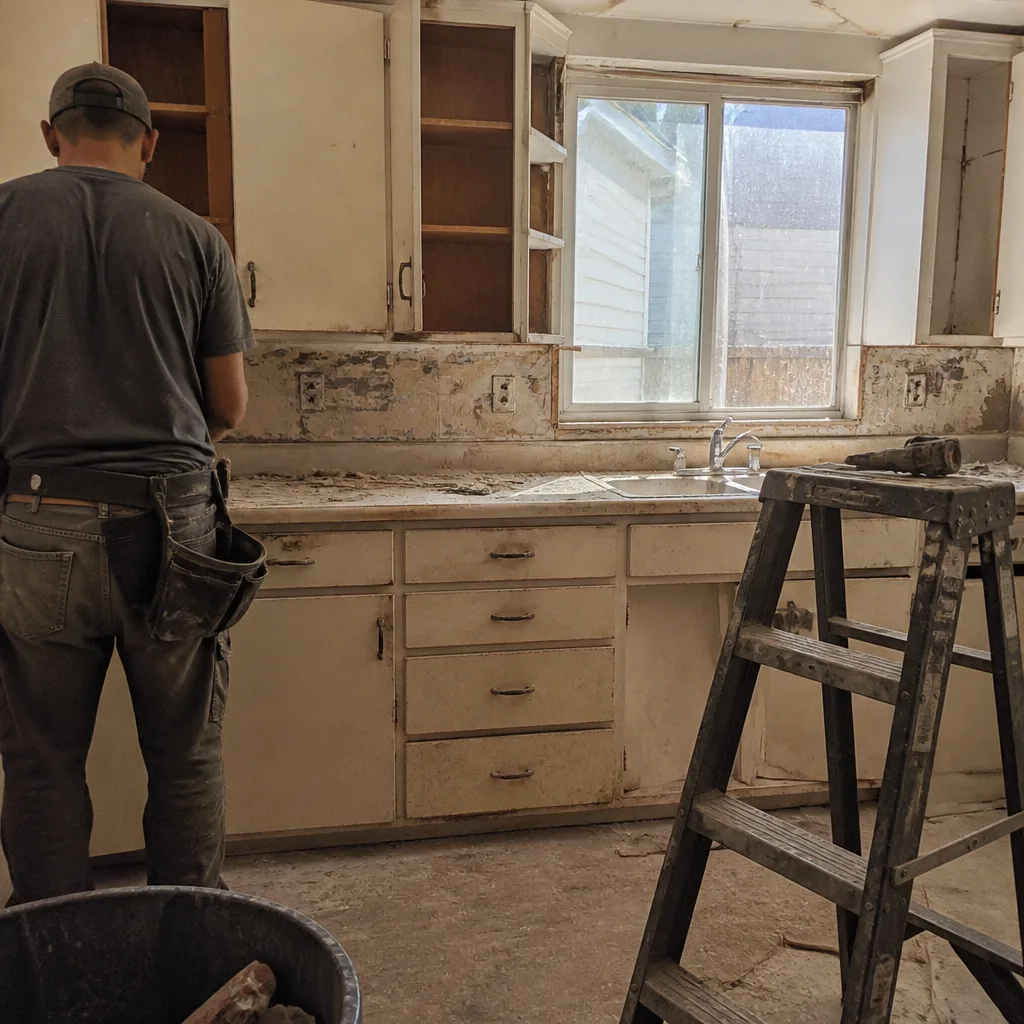 Before
 After
 Before
 After
When to Call a Professional
Some of these costs are genuinely hard to estimate from the outside. Structural changes, moving plumbing, extending electrical, pulling permits that pass inspection, or any project touching a hillside or a fire-hazard severity zone are all cases where an experienced contractor’s line-item quote saves you far more than a handyman’s ballpark ever could. The same is true for any remodel where you’ve been burned before and want the price in writing before demolition starts. Our technicians have up to 22 years of experience across Santa Clarita projects, and we put every price and every guarantee in writing. Penhallow Remodeling Santa Clarita offers free estimates in Santa Clarita; call (866) 383-6693 and we’ll walk you through the number before you commit a dollar to the work.
Frequently Asked Questions
A kitchen remodel in Santa Clarita typically runs $45,000 – $95,000, with the low end for a layout-kept mid-range finish and the top for a project that moves walls, plumbing or the range and sink locations. Cabinetry, countertops and structural changes drive the range more than paint color does. Call (866) 383-6693 for an exact written quote, free of charge.
California labor law and local wage rules push labor costs up, LA County permit fees and plan-check requirements add to soft costs, and delivering materials up into the valley adds real logistics cost that national averages ignore. Those three factors alone explain the gap between a $28,000 kitchen in Phoenix and a $45,000 – $65,000 kitchen here. Call (866) 383-6693 to see what your specific project costs.
In California, soft costs (permits, plan check, inspections, design, energy compliance documentation, haul-away) run 15 – 25% of total project cost. On a $60,000 kitchen, that’s $9,000 to $15,000 in soft-cost layer. It’s not optional and it shouldn’t be a surprise. Call (866) 383-6693 for a written breakdown that shows the soft-cost line separately.
A fixed-price contract sets the price in writing before work begins. If surprises turn up after demo, the contractor absorbs the risk within the written scope. A time-and-materials contract lets the price drift as hours and materials accrue. In a bathroom, the two can come out $10,000 apart after an unexpected valve or subfloor finding. Call (866) 383-6693 and ask for a fixed price before you sign anything.
Yes, for any project that changes structure, plumbing, electrical or the building’s footprint. Additions, ADUs and major alterations also require energy compliance documentation. Skipping permits can put your resale in jeopardy and leaves you exposed if an inspection ever happens. We pull permits and pass inspections as a matter of standard process. Call (866) 383-6693 with your scope and we’ll tell you which permits apply.
If the work fails within 365 days of completion, we come back and fix it at no charge, in writing on every project. There’s no service-call fee and no re-inspection fee. It’s not a verbal promise; it’s a written guarantee on the job, plus a written price before work starts. Call (866) 383-6693 for a free estimate and we’ll walk you through exactly what the guarantee covers.
The Bottom Line
Santa Clarita construction costs in 2026 come from three layers: materials, labor and soft costs, and the soft-cost layer runs 15 – 25% of the total in California. Build your budget from the ranges above rather than a national triangle-per-square-foot number, and you’ll skip the shock of a bid that comes in high and then climbs higher. Ask for a fixed price in writing, confirm the permit plan, check the HOA review requirement if you’re in one, and read the line items for trimmed allowances and missing disposal. The number you sign is the number you pay. That’s the whole point.
Call (866) 383-6693 to schedule your free estimate. We’ll walk through your project, put a written price and a written guarantee in front of you before any work starts, and arrive in the window we gave you. A real person answers the phone 24/7, and our technicians have up to 22 years of experience across Santa Clarita remodels.
Written by the team at Penhallow Remodeling Santa Clarita.