Last updated November 18, 2026







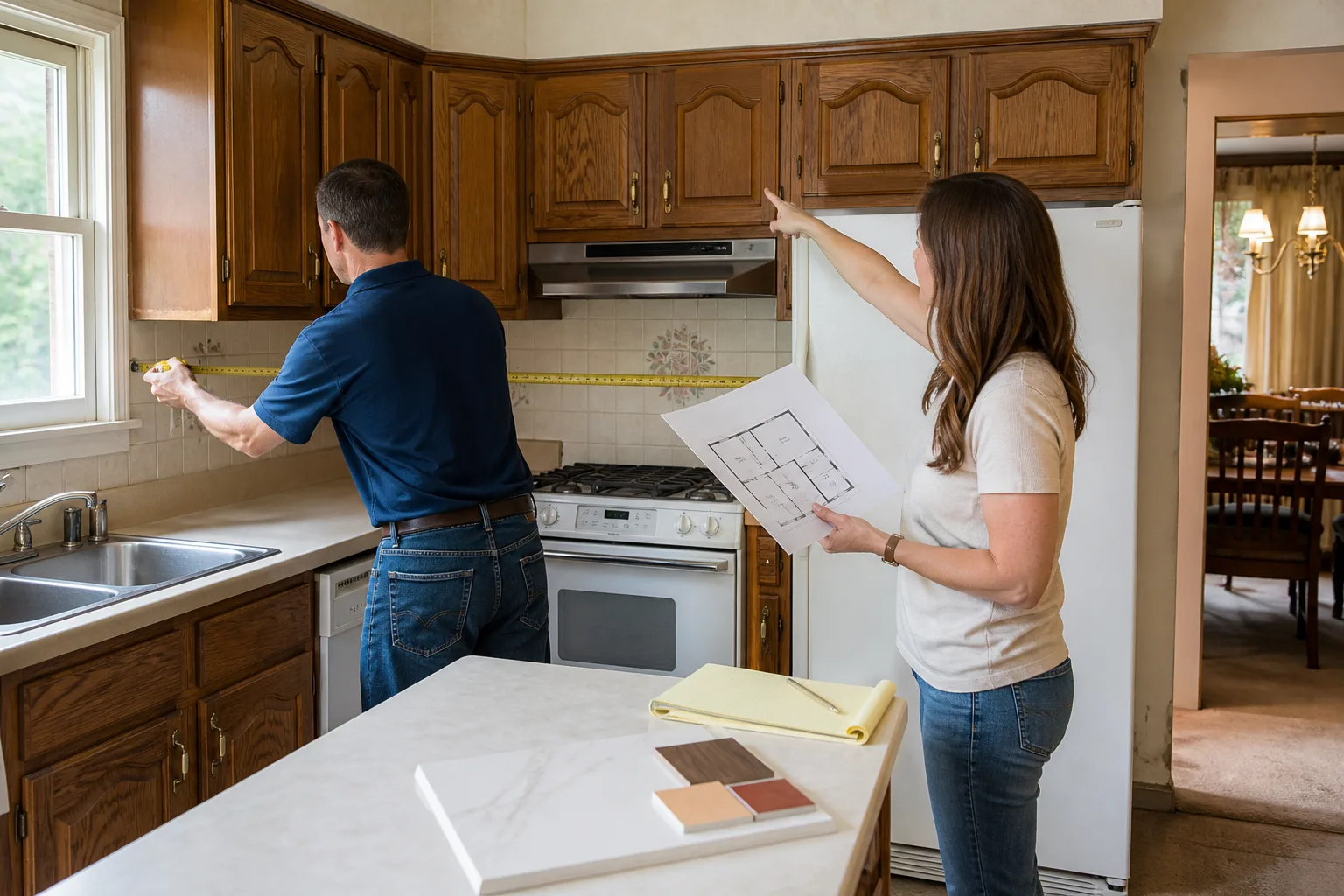
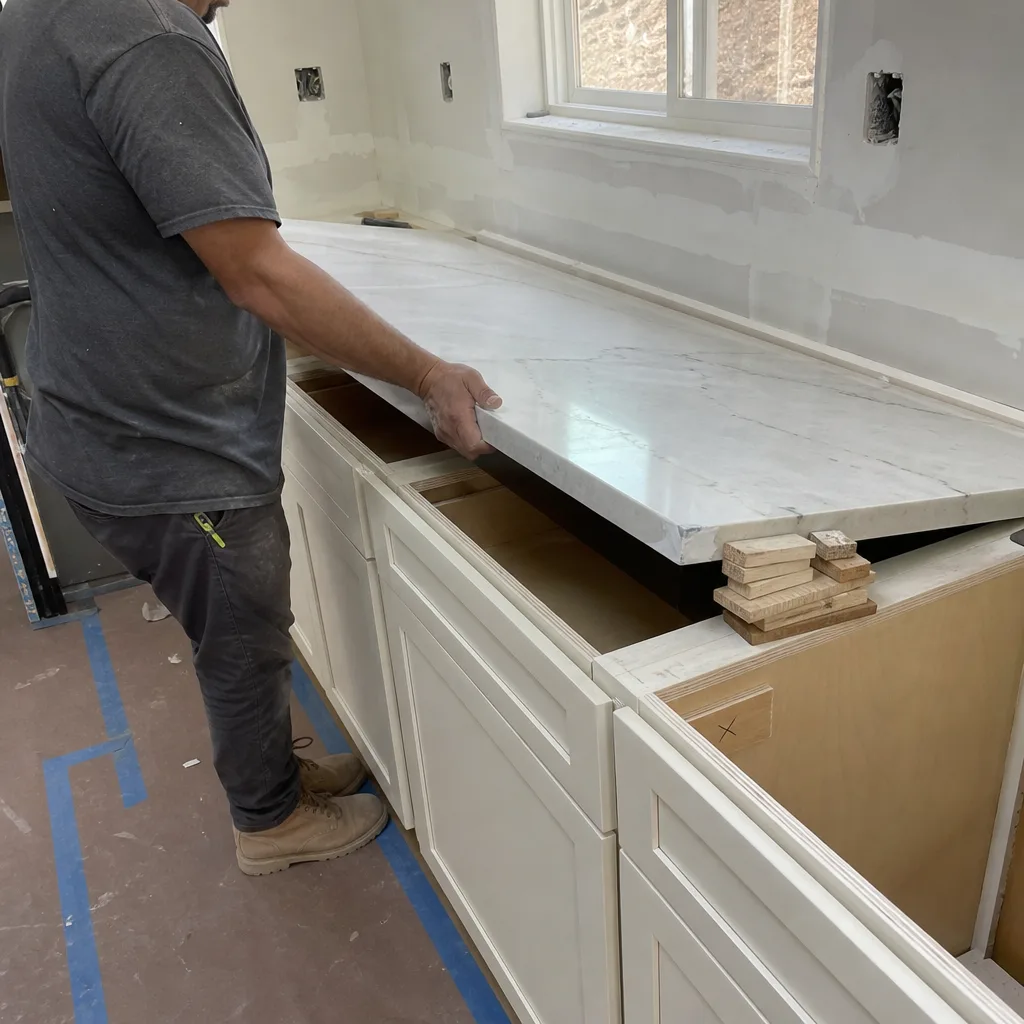
Free written scope consultation - allowances, timeline, and change-order rules on paper before a single trade is scheduled
Construction Warning Signs: A Santa Clarita Homeowner’s Reference Guide
The contractor who makes you feel guilty for asking for a written estimate is not being casual. He’s controlling the terms of the relationship before you’ve signed anything, and that dynamic only gets worse once your cabinets are sitting on the driveway. Most red-flag articles point at cash-only demands and door-to-door pitches, and those matter. But the warning signs that cost Santa Clarita homeowners the most money are quieter, and they show up in how a contractor talks about price, scope, and paperwork weeks before the first hammer swings. This guide walks through the pre-contract signals that predict a bad outcome, and how to read each one.
Quick Answer
The most expensive construction warning signs in Santa Clarita are paperwork and communication problems that appear before work starts: refusing to put a price in writing, vague or missing scope descriptions, no subcontractor disclosure, no preliminary lien notice, and resistance to a license check that goes beyond “is he licensed.” Contractors who treat written estimates, defined arrival windows, and written guarantees as standard practice are the ones whose jobs tend to finish clean. The ones who pressure you to skip those steps are telling you how the whole project will go.
Styles & brands we work with
- Kitchen remodeling
- Bathroom remodeling
- Home additions & ADU
- Roofing
- Windows & doors
- Driveway & pavers
- Fence
Table of Contents
- The Verbal-Estimate-to-Written-Contract Switch
- What a CSLB License Check Actually Reveals
- The Subcontractor Disclosure Problem
- How to Read a Lien Waiver and Why It Matters
- Post-Storm and Post-Fire Solicitation in Santa Clarita
- Delivery Language: Arrival Windows, Job Site, Change Orders
- What a Real Written Guarantee Contains
- The Full Warning-Sign Checklist
The Verbal-Estimate-to-Written-Contract Switch
A verbal estimate is not a price. It’s a conversational number, and conversational numbers change. In our experience across Santa Clarita kitchens and bathrooms, scope creep is normal and legitimate; deliberate low-balling is not, and the difference shows up in the paperwork before demo day.
Legitimate scope creep happens when the site reveals something nobody could see: rot behind a shower valve, a floor joist notched past code, a slab crack under tile. A straight contractor stops work, photographs the condition, and issues a written change order with a price and a date before continuing. That’s the signal you want.
Deliberate low-balling looks different. Watch for these patterns:
- A bid noticeably below every other bid with no line-item breakdown, so you can’t see what’s missing until the middle of the job.
- “We’ll figure the rest out once we get in there” used as a reason to skip a written scope.
- A written contract that lists the total but not the line items for cabinets, countertops, tile, and labor, which is where the switch happens.
- Change orders delivered verbally mid-job with no paper, no price, and no signature request.
The contract language that prevents this is simple, and it should be in the agreement you sign, not a conversation. Every project we run under our general contractor service in Santa Clarita carries a written price before any work starts, so the number on day one matches the number on the invoice. Ask any contractor you interview to put the price and the scope in writing alongside the delivery terms. If the response is a sigh, that’s your answer.
What a CSLB License Check Actually Reveals
Most homeowners check one thing: whether the license number exists. That’s roughly 10 percent of what the Contractors State License Board page shows. The same public record carries the rest, and any contractor who resists a full check is telling you what you’ll find.
Here’s what to look at on the CSLB site, in order:
- License status and expiration. “Active” is the floor. A license that lapsed two months ago is not a licensed contractor today, even if the contractor says it’s “being renewed.”
- Classification. A B-General Building license covers the whole-home remodel scope. A specialty license does not authorize a full gut job. If your project crosses trades and the license doesn’t cover them, that’s a problem.
- Bond status. California requires a contractor bond. Check the amount and that it’s current, because the bond is what you can claim against if the job goes sideways.
- Workers’ compensation coverage. This is the one homeowners skip. If the contractor has employees and no workers’ comp on file, you can end up liable for an injury on your own property. If the page says a certificate is on file, ask for a copy.
- Complaint and disciplinary history. The CSLB posts complaints, citations, and disciplinary actions. A contractor with a discipline record isn’t automatically disqualified, but read the disposition and date.
In our experience, this whole check takes about six minutes. Santa Clarita homeowners with a project of any real size should run it before signing, especially when the bid came in fast and the paperwork felt light.
The Subcontractor Disclosure Problem
Some “contractors” are middlemen. They don’t run crews; they flip your job to whoever is available, sometimes an unlicensed crew paid under the table. That arrangement puts your permit, your bond recourse, and your warranty in a position you didn’t choose.
You’re looking for signs the person in front of you will actually run the job:
- No subcontractor disclosure in the contract. California law requires the contractor to disclose the name and license number of any subcontractor before work begins. Ask for the list in writing.
- Vague answers about who’s on site. “My guys” is fine. “Whoever’s available” is not. Ask how many subs the contractor uses and which of them are licensed.
- Nobody knows the plumbing, and the tile guy “handles the plumbing too.” Separating trades is normal. A single crew doing everything is the warning.
- The person who quoted the job is not the person who shows up on day one. Sometimes that’s fine. Ask anyway and get names.
At every level, the professional standard should be visible: background-checked technicians who arrive in uniform, a live person answering the phone rather than a voicemail, and a job site that’s cleaned each night. When we’re running a kitchen remodel in Santa Clarita, the homeowners know exactly who’s walking into the house each morning because we tell them. If your contractor can’t answer that question, ask again.
How to Read a Lien Waiver and Why It Matters
A mechanic’s lien is a claim a subcontractor or supplier can file against your property if they weren’t paid. You can pay the general contractor in full and still end up with a lien from the tile supplier who supplied the job. California law addresses this with the preliminary notice: on most jobs over $500, subs and suppliers must send you a notice within 20 days of starting work.
Two things follow. First, the preliminary notice arriving is normal and healthy; it means the paperwork is running. Second, if your contractor tells you to ignore it, or offers to “handle” it and asks you to forward it to them instead of reading it, that’s a paperwork problem you will inherit.
Lien waivers come in two flavors homeowners should recognize:
- Conditional waiver: says the sub gives up lien rights once a specific payment clears. This is the normal form signed at each draw.
- Unconditional waiver: says lien rights are gone whether or not the check clears. Only accept one after you’ve verified the money actually moved.
A contractor who balks at providing waivers and preliminary notices is signaling that they don’t run a clean paper trail. You don’t want to discover that when a supplier files a lien on your Santa Clarita house. On our bathroom remodeling projects in Santa Clarita, waivers go out with every draw, and nothing closes without the paper trail matching.
Post-Storm and Post-Fire Solicitation in Santa Clarita
After a wind event, a fire, or heavy rain here, out-of-area crews arrive within days. That’s not automatically bad – some are legitimate and licensed. But the tactics are predictable, and Santa Clarita has seen them after every major event.
Watch for these patterns:
- Door-knocking with a “disaster inspection.” Real contractors don’t need to knock to find work. A stranger offering to inspect your roof for free after a windstorm is selling, not inspecting.
- Pressure to sign by the end of the visit. Trees, tarps, and “we’re only in the neighborhood today” are pressure tactics. No legitimate contractor needs that clock.
- Large deposits up front, cash preferred. A California contract can require no more than 10 percent down or $1,000, whichever is less. Anything more is a red flag regardless of how the truck is lettered.
- No local license verification. Ask for the CSLB license number on the spot and check it before they leave. An out-of-area crew that can’t produce one is not licensed to work in California.
- Signs nailed to your street. A crew posting handwritten signs on a private lawn or streetlight after a storm is advertising to the block. It doesn’t say anything about the work.
If your home genuinely has damage, get an inspection from someone whose licensing you verified. In our experience, the crews that show up with a clipboard after every wind event are the ones you never see again when a repair fails.
Delivery Language: Arrival Windows, Job Site, Change Orders
The details a contract promises about how the job runs tell you more about the outcome than the price does. Three specifics to insist on:
- A defined arrival window. Not “sometime Tuesday.” A two-hour window on a specific date. Contractors who won’t commit an arrival window don’t plan the crew’s days, and yours is not planned either.
- A clean job site, written in. Every day. Debris hauled, floors protected, nothing left in the driveway overnight. This is a written standard on every job we run, and it costs nothing to ask for it in your contract.
- Change orders in writing, before work continues. A change order is a small written addendum with the new scope, the new price, and a date. If a contractor can’t show you what a change order looks like, they’ll be sending them verbally, and that’s how prices drift.
Materials deserve the same specificity. When you see materials called out by brand and model, from KraftMaid and Wellborn cabinetry to Cambria and Silestone countertops or Kohler and Moen fixtures, you can verify the spec against the invoice. A contract that says “quartz” and “stainless fixtures” gives you room to be shorted. Ask for names.
What a Real Written Guarantee Contains
A written guarantee is only useful if it survives the details. Ask what it covers, how long it lasts, and what happens when something fails. The answer should be specific enough that you could recite it back.
A guarantee worth signing should contain these five elements:
- A defined term. “Lifetime” is a marketing term. A stated number of days with a start date is a guarantee.
- What’s covered. Labor, materials, or both. Failures from normal use, and exclusions for abuse or neglect, spelled out.
- The remedy. Repair, replace, or refund. Vague “we’ll make it right” language is not a remedy.
- The cost of a return visit. Covered under the guarantee, or a service call fee? Free is a standard, not a gift.
- In writing, before work starts. A guarantee presented after the fact is not negotiable. It’s already been decided.
Our Penhallow Remodeling home page lays out the 365-Day Done Right Promise: if the work fails inside the guarantee period, we come back and fix it at no charge, and that commitment is written into every project. Ask any contractor you interview to put their guarantee on paper before they ask you to sign. If they can’t, that’s the answer to your question about how the relationship will go.
The Full Warning-Sign Checklist
Here are the pre-contract signals, ordered roughly by how early they show up:
- He resists written pricing. Verbal estimates, vague ballparks, and pressure to skip the paper trail.
- No line-item breakdown. A single total hides what’s excluded.
- No subcontractor disclosure. No names, no license numbers.
- No preliminary lien notice going out. A red flag that the paperwork is not being run.
- Deposit above 10 percent or $1,000. The law caps it. A request above that is not negotiable.
- CSLB license check unpaid. Bond status, workers’ comp, or complaint history showing problems.
- No arrival window in the contract. No defined days, no defined times.
- No written guarantee. Or one presented after the fact with vague terms.
- Pressure to sign by the end of the visit. Scarcity language, “only in the area today.”
- Door-knocking after a storm. Especially after a wind event or fire, with a clipboard.
Any one of these is worth a second conversation. Three or more together is not a contractor you want to sign with.
Common Mistakes to Avoid
- Skipping the full CSLB check. Confirm status, bond, workers’ comp, and complaint history, not just the license number. Local Santa Clarita contractors are easy to verify; make it a five-minute habit.
- Accepting a verbal estimate. A number on the phone is not a price. A price is written, signed, and reproducible on the invoice.
- Not asking who’s on site. “My guys” is not a subcontractor disclosure. Get the names and license numbers of any subs in writing.
- Forwarding a preliminary notice to the contractor without reading it. Read the lien notice. It tells you who’s supplying the job and gives you a paper trail if the situation goes sideways.
- Paying more than 10 percent or $1,000 down. California caps it. A contractor asking for more is asking you to take on financing risk the law won’t let them.
- Buying in after a storm without verifying the license. Out-of-area crews soliciting after a Santa Clarita wind event are the ones most likely to skip the paperwork. Verify before work.
- Choosing on price alone. The lowest bid is often the one with the smallest scope. Compare line items, not totals.
See the difference
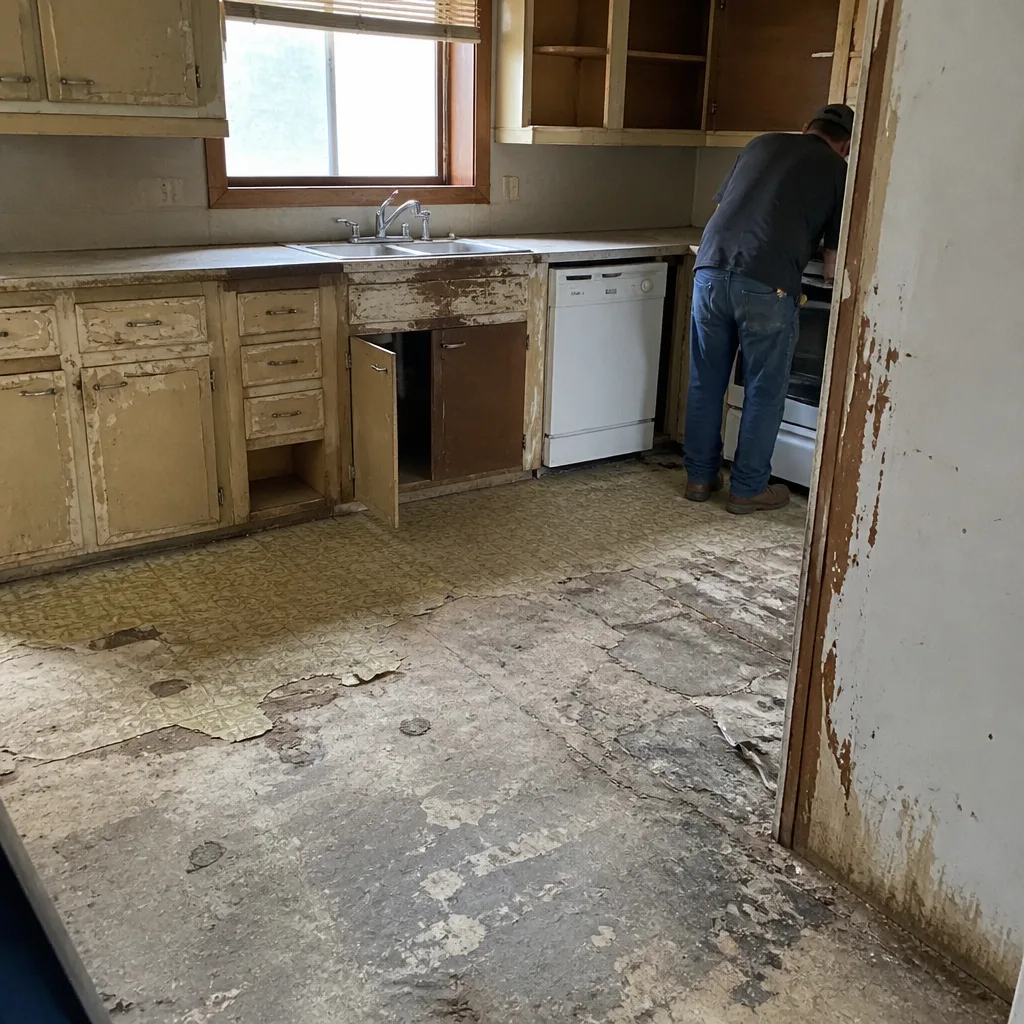 Before
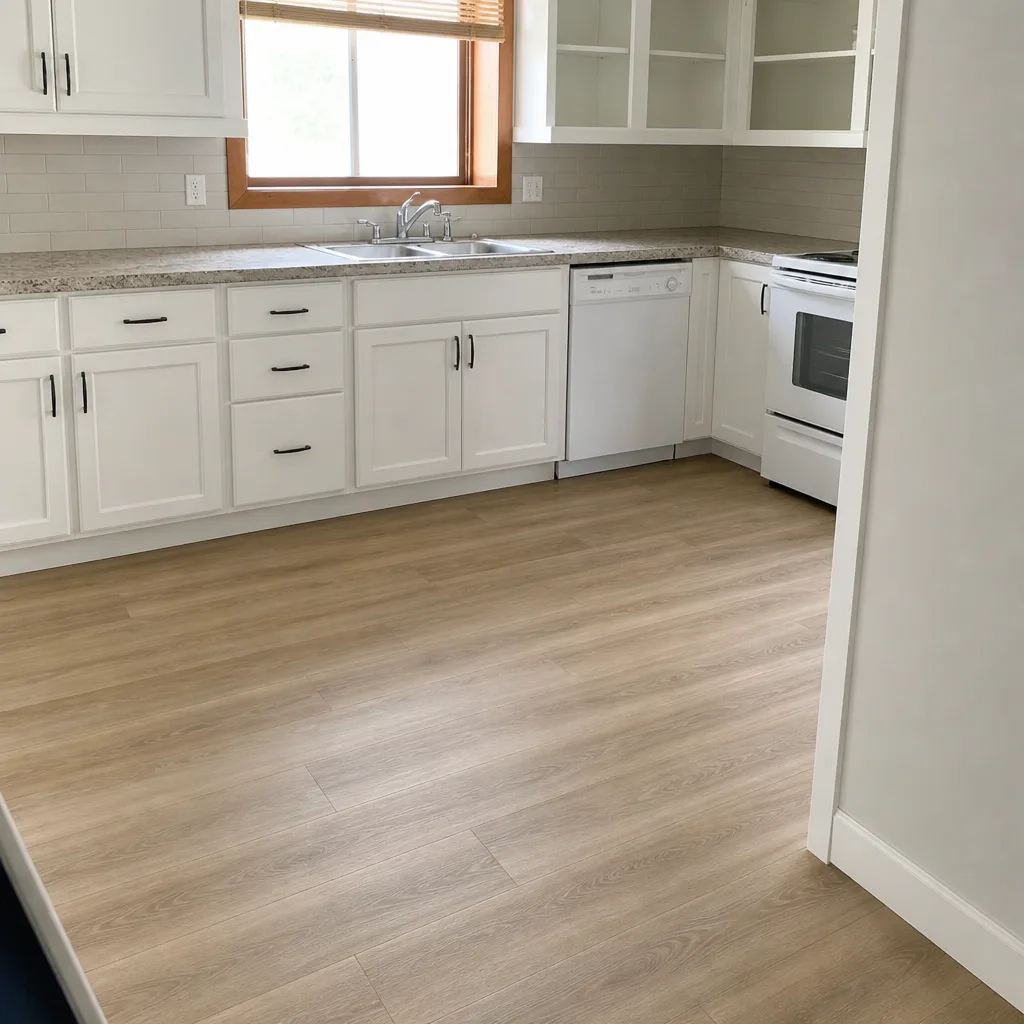 After
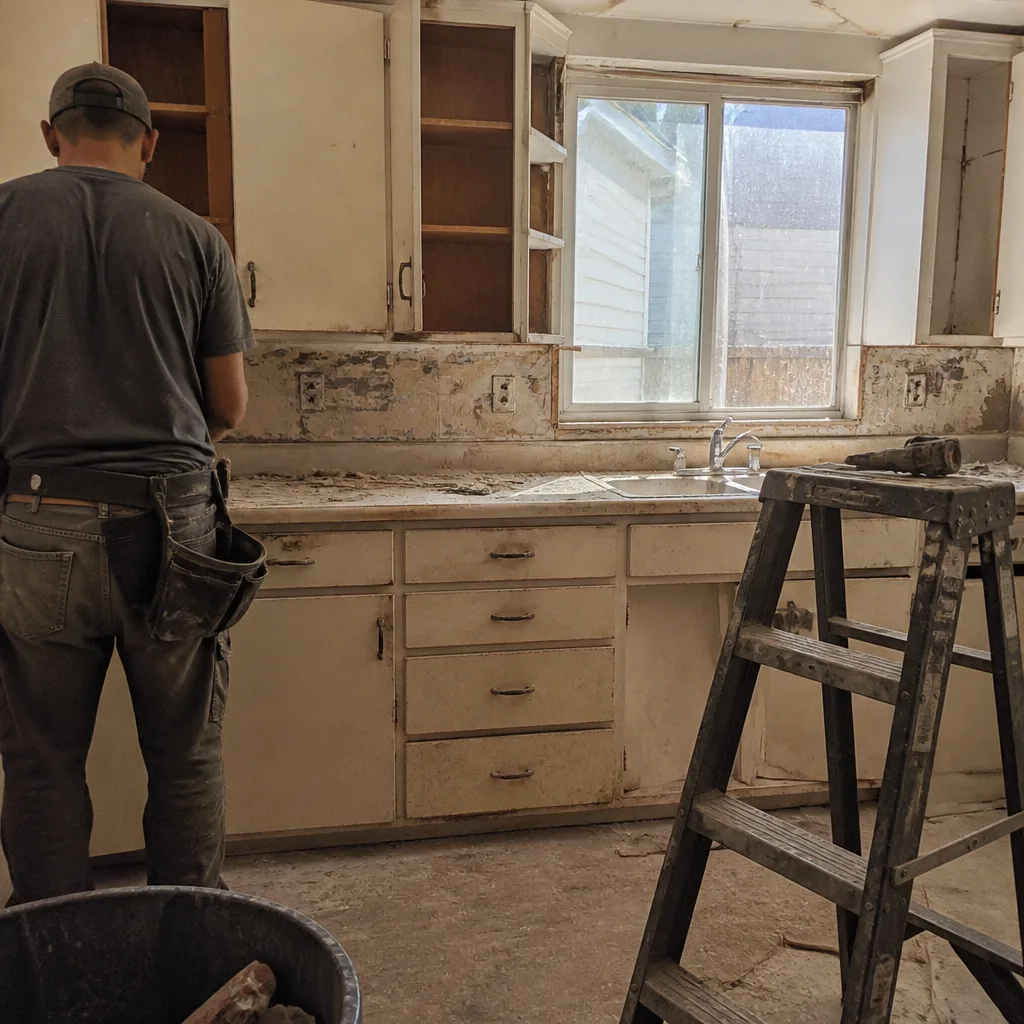 Before
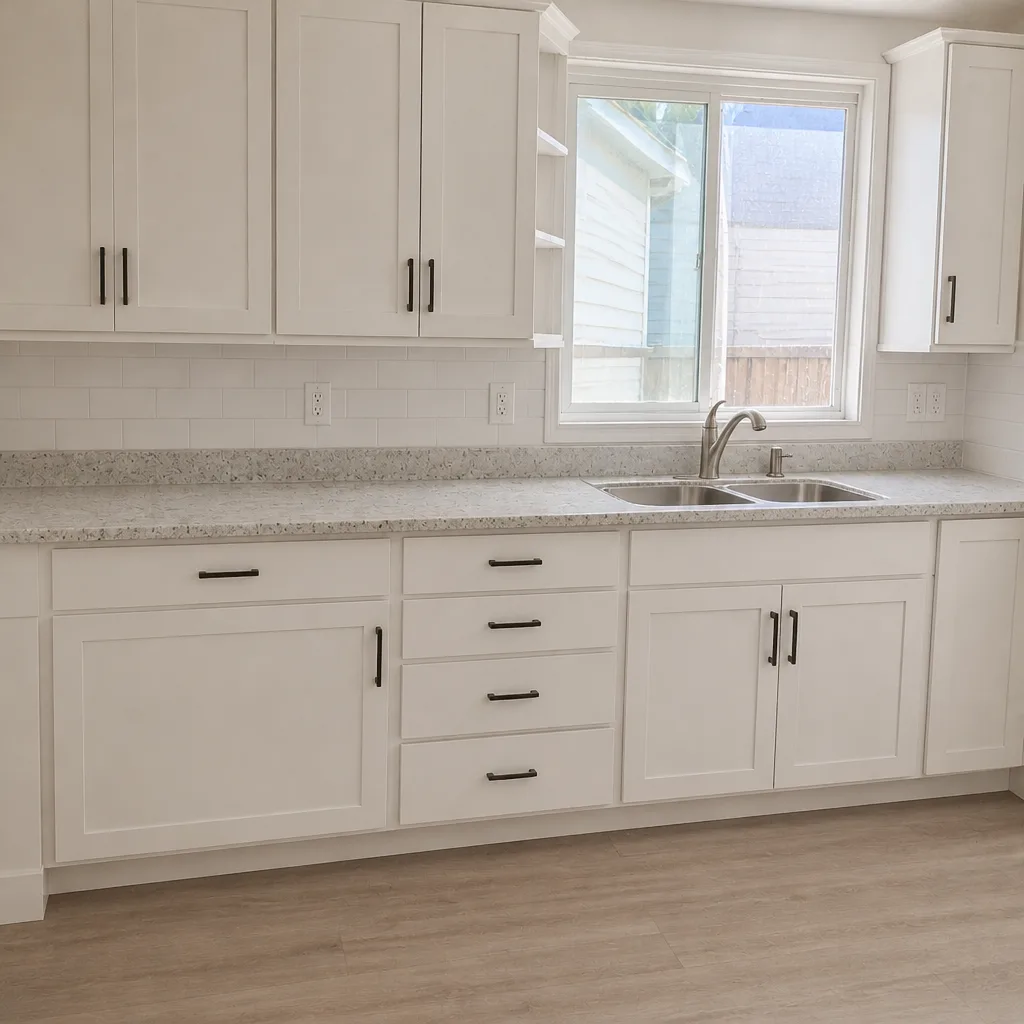 After
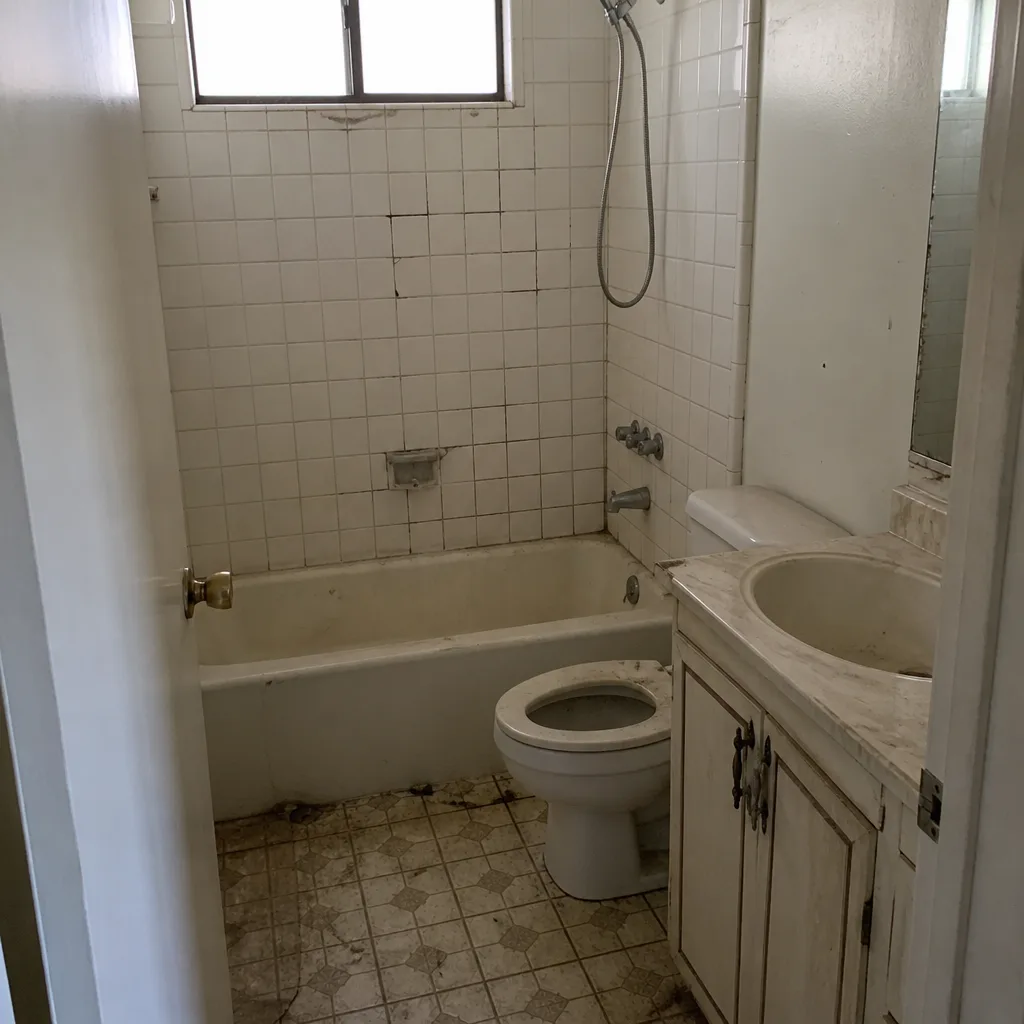 Before
 After
When to Call a Professional
If any of the patterns above are present in a bid you’ve already received, it’s worth a second opinion before you sign. A written price from a licensed contractor is a quick, free comparison, and it gives you a sanity check on scope, line items, and guarantee terms. Same goes for storm or fire repairs: if the damage is real and your insurance is involved, get a written scope from a licensed Santa Clarita contractor before handing the job to whoever knocked first. When you’re planning a remodel instead of repairing one, the same rule applies: put the price and the guarantee in writing before any work starts. We’ve written up what to expect on our bathroom and kitchen pages if you want a sense of what a written, line-item scope looks like for a typical Santa Clarita home.
Penhallow Remodeling Santa Clarita offers free estimates in Santa Clarita – call (866) 383-6693 and we’ll be straight with you about what a clean scope looks like. Real person on the phone, every time.
Frequently Asked Questions

Resistance to written pricing, because it tells you how every other part of the relationship will go. A contractor who won’t put a number in writing before work starts will be the same contractor who sends a verbal change order mid-job, won’t commit an arrival window, and won’t show you a guarantee until after the work is done. If you only check one thing, check that the price and the scope are in writing before you sign. Call (866) 383-6693 for a written estimate, free of charge.
Go to the CSLB website and search the license number. Don’t stop at “active” – check classification, bond status, workers’ comp, complaint history, and any disciplinary action. The whole check is public and takes a few minutes. Local Santa Clarita contractors are all in the same database, so the check is the same for a big remodel company and the crew that knocked on your door. If anything looks off, call (866) 383-6693 for a comparison estimate.
Practically, no. A verbal estimate is not a contract price, and it’s difficult to enforce when the actual invoice arrives higher. The written contract is the enforceable document, and its line items, arrival windows, and change order terms are what a court or the CSLB will look at. If the price exists only in conversation, treat it as an opening number, not a commitment. Call (866) 383-6693 for a written price you can hold us to.
Subcontractors and suppliers on jobs over $500 must send a preliminary notice within 20 days of starting work under California law. The general contractor does not typically send one, but the subs and suppliers do. If your project is running and you haven’t received any notices, ask why. The notices are a sign the job is being run cleanly. Call (866) 383-6693 to talk through how lien waivers and notices are handled on our jobs.
California caps the down payment at 10 percent of the contract price or $1,000, whichever is less. Any contractor asking for more than that is asking you to violate the law and take on financing risk. Scheduling the rest of the payments against milestones – demo, rough-in, tile, final – is standard practice and protects both sides. Call (866) 383-6693 and we’ll show you how a milestone schedule looks on a Santa Clarita project.
Legitimate scope creep is discovered work, like rot behind a shower valve or a notched joist, documented with a written change order before work continues. Low-balling is a bid that’s below the market on purpose, with the difference recovered through mid-job price increases without paper. The contract language that prevents the second is line-item scope, a written price before any work starts, and written change orders for every addition. Call (866) 383-6693 to see a written scope for a Santa Clarita project.
The Bottom Line
The contractor who pushes back on written pricing, arrival windows, subcontractor disclosure, lien paperwork, and a written guarantee is showing you the whole relationship. The expensive warning signs in Santa Clarita aren’t the obvious ones; they’re the quiet paperwork problems that show up before work starts and cost you money when a job goes sideways. Run the CSLB check, require a line-item written scope, ask for the subcontractor list, read the lien notices, and hold out for a written guarantee with a defined term and a real remedy. If you’d rather compare against a written, line-item estimate from a licensed contractor, we’ve got one ready and it’s free: call (866) 383-6693.
Written by the team at Penhallow Remodeling Santa Clarita.