Last updated November 18, 2026



Free written scope consultation - allowances, timeline, and change-order rules on paper before a single trade is scheduled
Construction Permits, Codes & Inspections in CA: What You Need to Know
California has one statewide building code. It gets applied by dozens of different hands. That’s the part nobody tells you at the kitchen table. The same deck addition on the same lot can need review from the city, from Los Angeles County Fire, and from a plan checker who reads the energy rules one way while the inspector reads them another. Two houses, one wall apart, can sit in different jurisdictions with different paperwork. Homeowners in Santa Clarita feel this more than most, because some ZIP codes carry that fire overlay while others don’t. This guide covers what actually happens between your first permit application and your final inspection, so your budget holds together.
Quick Answer
In California, you need a building permit for most structural, electrical, plumbing, and mechanical work, and your local building department issues it under the statewide California Residential Code and Title 24 energy standards. Simple jobs like water heater swaps can clear the counter the same day; additions, structural changes, and anything touching energy compliance go through full plan check, which runs weeks. The contractor you hire should pull the permit unless you’ve deliberately chosen to pull it yourself as an owner-builder, which carries real legal trade-offs.
Styles & brands we work with
- Kitchen remodeling
- Bathroom remodeling
- Home additions & ADU
- Roofing
- Windows & doors
- Driveway & pavers
- Fence
Table of Contents
- Statewide Code, Local Permits: Where the Gap Opens
- Over-the-Counter vs. Plan Check: Which Jobs Trigger Which
- What Unpermitted Work Costs You at Resale
- Title 24 Energy Compliance and Where It Trips You Up
- Who Pulls the Permit, Contractor or Homeowner?
- How to Read a Home’s Inspection Record Before You Buy
- Santa Clarita Specifics: Fire Overlay, Climate, and Inspection Timing
- Common Mistakes to Avoid
Statewide Code, Local Permits: Where the Gap Opens
The California Residential Code is written in Sacramento. It’s enforced by whoever your city or county has put behind the plan-check counter. That person, and the inspector who shows up later, decide whether your plans clear. The gap between the code-as-written and the code-as-approved is where most schedule damage happens, and it rarely shows up in a contractor’s quote.
Here’s the practical version. Three things vary jurisdiction to jurisdiction even under the same statewide code:
- Plan-check turnaround. A small city might complete first review in five business days. A larger county department might take three weeks before anyone opens the file. Same code, different queue.
- Local amendments. Cities adopt the state code with their own amendments – seismic detailing, hillside grading, fire-hardening requirements the state doesn’t mandate. Santa Clarita’s hillside and wildland-urban-interface lots get extra scrutiny that flat lots a mile downhill don’t.
- Overlay agencies. Fire hazard zones, coastal commissions, historic districts. These sit on top of the building department and run on their own timeline.
In our experience, the failure mode is a contractor quoting a permit fee based on the city schedule and forgetting the overlay entirely. A homeowner on a Santa Clarita lot in a fire hazard severity zone finds out weeks in that Los Angeles County Fire Department wants its own review, with its own plan set, before the city will issue. That’s not a small surprise. It’s weeks of delay and a second set of fees, and it’s the reason a written line-item permit budget beats a ballpark every time. If you’re planning a project of any size, work with a General Contractor in Santa Clarita who budgets for every agency in the chain, not just the first one.
Over-the-Counter vs. Plan Check: Which Jobs Trigger Which
California building departments run two lanes. Knowing which lane your project lands in tells you almost everything about your timeline. Over-the-counter permits clear the counter, sometimes the same day. Plan-check permits go into a review queue that can stretch weeks and require revisions.
Typical over-the-counter jobs
- Water heater replacement in an existing location, like for like
- Replacing a few windows in the same openings, when the new units meet the energy rules for the climate zone
- Residential re-pipe where the routing doesn’t change
- Minor electrical like swapping a panel in the same location with no load increase
- A fence or a low retaining wall within the height threshold your city sets
Typical plan-check jobs
- Kitchen remodels that move walls, plumbing, or gas
- Bathroom remodels where a tub becomes a shower and the drain line moves
- Room additions, second-story work, or anything touching the structural frame
- Decks above a certain height or attached to the house (this one shifts a lot by jurisdiction)
- HVAC changeouts with new ductwork or a different system type
- Anything in a fire hazard severity zone that needs overlay review
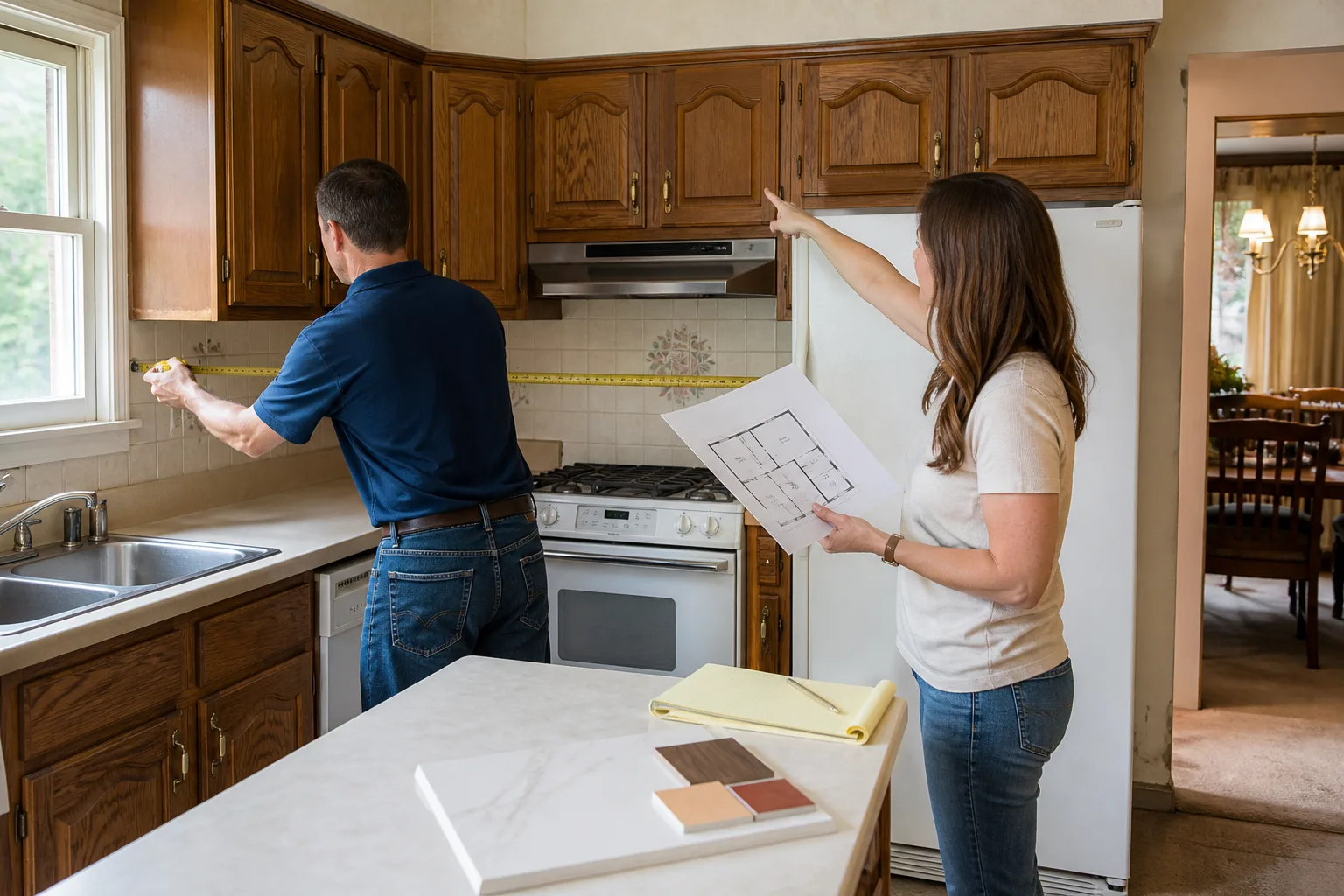
Here’s the counterintuitive part: a full Kitchen Remodeling in Santa Clarita that stays inside the existing footprint and doesn’t move gas or plumbing often clears faster than a bathroom that relocates a drain. Cosmetic scope can clear the counter. Structural scope almost never does. When we write a written price before any work starts, the permit line names which lane we expect and what happens to the timeline if the plan checker disagrees.
What Unpermitted Work Costs You at Resale
Unpermitted work is not invisible. It shows up the moment a buyer’s agent pulls the permit history, and in California it triggers a disclosure obligation. Here’s what that means in plain terms, because most homeowners learn it the expensive way.
Sellers must disclose known material facts affecting the property’s value, and unpermitted work that alters structure, electrical, plumbing, or square footage usually counts. The buyer’s remedies typically include asking for a price reduction, asking you to legalize the work before close, or walking. Most commonly, they ask for a credit. Not the permit fee, but the cost of whatever a contractor quotes to either legalize the work or remove it and start over. Retroactive permits mean opening walls, exposing the work for inspection, and discovering what the previous crew actually did – which is almost never what you were told.
We’ve been in Santa Clarita kitchens where a previous owner had taken down a wall and the header above it was a 2×4. That’s not a floor-plan surprise. That’s a structural problem that can’t be inspected around, only opened up and fixed. What a retroactive permit changes in practice:
- You expose the work, which means demo, which means money before any fix
- You meet current code, not the code in force when the work was done – which for older additions can mean an upgrade you never planned
- You may need engineering if the existing structure can’t be verified by inspection alone
- You carry the timeline, because the buyer’s financing doesn’t wait for your permit
If you’re buying, ask to see the permit history before the inspection contingency ends. That single request has saved more of our clients from a bad purchase than any walkthrough.
Title 24 Energy Compliance and Where It Trips You Up
Title 24 is California’s energy code, and it applies to far more than new construction. It touches window replacement, HVAC changeouts, additions, and any alteration that affects the building’s thermal envelope. Most homeowners don’t hear about it until the inspector flags it, and by then the units are ordered or installed.
Here’s the practical version. When you replace windows, the new units have to meet a U-factor and solar heat gain coefficient tuned to your climate zone. Santa Clarita sits in a hot inland zone with real summer heat, so the performance threshold here is stricter than what you’d need on the coast. When you change out an HVAC system, the new equipment and ductwork have to comply with the energy rules in force, which can include duct sealing and a thermostat requirement. Additions trigger the envelope rules for the new square footage and sometimes the whole-building calculation.
What that means on the ground:
- A “like for like” window swap is not automatic. The new units need to meet the current performance numbers for this climate zone, or you need a compliance path that explains why they don’t.
- HVAC changeouts can pull ductwork into scope. If the ducts can’t be verified, the plan checker may require sealing or replacement, and that’s not in the original quote.
- Whole-house window replacement often means a Title 24 compliance document, which costs time and a fee.
- Product selection matters. A window line spec’d for a coastal client can fail the hot-inland numbers, and that conversation happens after you’ve already paid the deposit.
In our experience, the fix is early. Ask your contractor for the Title 24 compliance document before you place the order, not after. When we write a written price, we budget the compliance work into the number so it isn’t a mid-project surprise. Even the finish details interact with the code – a Bathroom Remodeling in Santa Clarita that adds a steam shower or moves a window carries energy and ventilation requirements that route through the same plan set.
Who Pulls the Permit, Contractor or Homeowner?
California allows either the homeowner or the licensed contractor to pull a permit. The default should be the contractor. Here’s why, and where the choice actually puts you at risk.
When a contractor pulls the permit, the permit is in their name. The building department holds them responsible for code compliance, for the inspection sequence, and for finishing the job through final inspection. If something fails, they carry the re-inspection. If they walk, the permit can be transferred, but it takes time and a paper trail.
When a homeowner pulls their own permit, they’re operating as an owner-builder. That’s legitimate for a homeowner doing their own work on their own primary residence, within limits. It’s a different story when a “contractor” asks the homeowner to pull the permit so the contractor can stay off the record. This is a common move and it shifts real risk onto you:
- The permit sits in your name, so the code compliance sits with you, not the licensed professional
- Worker’s compensation and liability protections that travel with a licensed contractor’s permit don’t automatically apply
- If the work is defective, the licensing board’s leverage over the contractor weakens
- Some homeowners insurance policies treat owner-pulled work differently at claim time
Ask, in writing, who is pulling the permit and who is signing the inspection record. If a contractor gives you a reason to pull it yourself that isn’t “you’re doing this work with your own hands,” that’s a reason to keep looking. On our projects, the permit is in the company’s name and the written price covers it.
How to Read a Home’s Inspection Record Before You Buy
A permit file is a history book, and most buyers never open it. You can. Building department records are generally public, and sorting through them for a home you’re about to buy is one of the highest-value hours of due diligence in California.
Start with the permit history search on the issuing city or county’s website, or call the department directly and ask for the permit history for the address. Then read each permit in three passes:
- Was there a permit at all? The record tells you what was done under inspection and what wasn’t. A kitchen that shows no permit and a full gut renovation isn’t a mystery – it’s unpermitted work.
- Did it pass final? A permit with no final inspection is the one that matters most. It means the work was started and the file was never closed – sometimes because the work didn’t pass, sometimes because the contractor walked, sometimes because the owner changed plans mid-job. All three tell you the same thing: nobody verified the work you’re about to own.
- Were there abandoned inspections? Look for an inspection request that generated no result, or a correction note that was never answered. That’s an abandoned mid-inspection job, and the most common reason a final is missing.
Read the correction notes while you’re in there. They tell you what the plan checker flagged, which is often more honest about a project than the finished photos. A permit that cleared first review on a structural addition is a good sign. One that went through four rounds of corrections on structural items is a sign that a licensed engineer was brought in late, and you want to know what they found.
Santa Clarita Specifics: Fire Overlay, Climate, and Inspection Timing
Santa Clarita sits in a spot where the state code runs into local geography. The city issues its own permits for most work inside city limits, and Los Angeles County handles unincorporated parcels. On top of that, lots in fire hazard severity zones face Los Angeles County Fire Department review for materials, access, and defensible space on new construction and additions. That review runs on its own clock.
The climate matters for Title 24, and it matters for inspection timing. Summer heat pushes HVAC changeouts and window replacements into the busiest months, when the plan-check queue and the inspector schedule both tighten. We’ve learned to sequence these early rather than stack them against the hottest weeks, because a window install that needs a Title 24 document filed and a final inspection before the next storm season runs into a real calendar squeeze.
Two more local realities:
- Hillside and ridgeline lots trigger grading and foundation review that flat lots don’t. Seismic detailing on a slope gets more attention than the same plan on a level lot.
- Older neighborhoods carry a mix of permit histories. Homes with additions from the 1980s and 1990s sometimes show permits that were pulled and never finalized, which is the exact situation a buyer needs to see before close.
Penhallow Remodeling Santa Clarita operates to the Kingswell way: say the price before the work, show up in the window we gave, leave the place cleaner than we found it. That includes the permit line. Our background-checked, uniformed technicians show up on the same standard every job, and a real person answers the phone 24/7 – not a voicemail prompt.
Common Mistakes to Avoid
- Letting the contractor stay off the permit. If they ask you to pull it, ask why in writing. The name on the permit is the person the code holds responsible.
- Budgeting only the city permit fee. The overlay agency, the Title 24 compliance document, and the structural engineering report are separate line items that don’t show up on the first quote. Budget them from day one.
- Buying a home without reading permit history. A permit with no final inspection is a job someone started and didn’t finish. It’s cheap to discover before close and expensive after.
- Ordering materials before the Title 24 compliance document is filed. On windows and HVAC, product selection is dictated by the compliance numbers, not the other way round. Placing the order first means paying for the mistake.
- Assuming cosmetic scope skips plan check. Moving a drain line or a gas line turns a cosmetic job into a plan-check job, and the timeline is different. Get that in writing.
- Doing work without a permit to “save time.” You’re not saving time, you’re moving it to the resale, where a buyer’s inspector and a buyer’s contractor will find it on your dollar.
- Stacking work against the seasons. In Santa Clarita, HVAC and window scopes crowd the summer. If you want a window replacement completed before winter, start the permit process in the spring.
See the difference
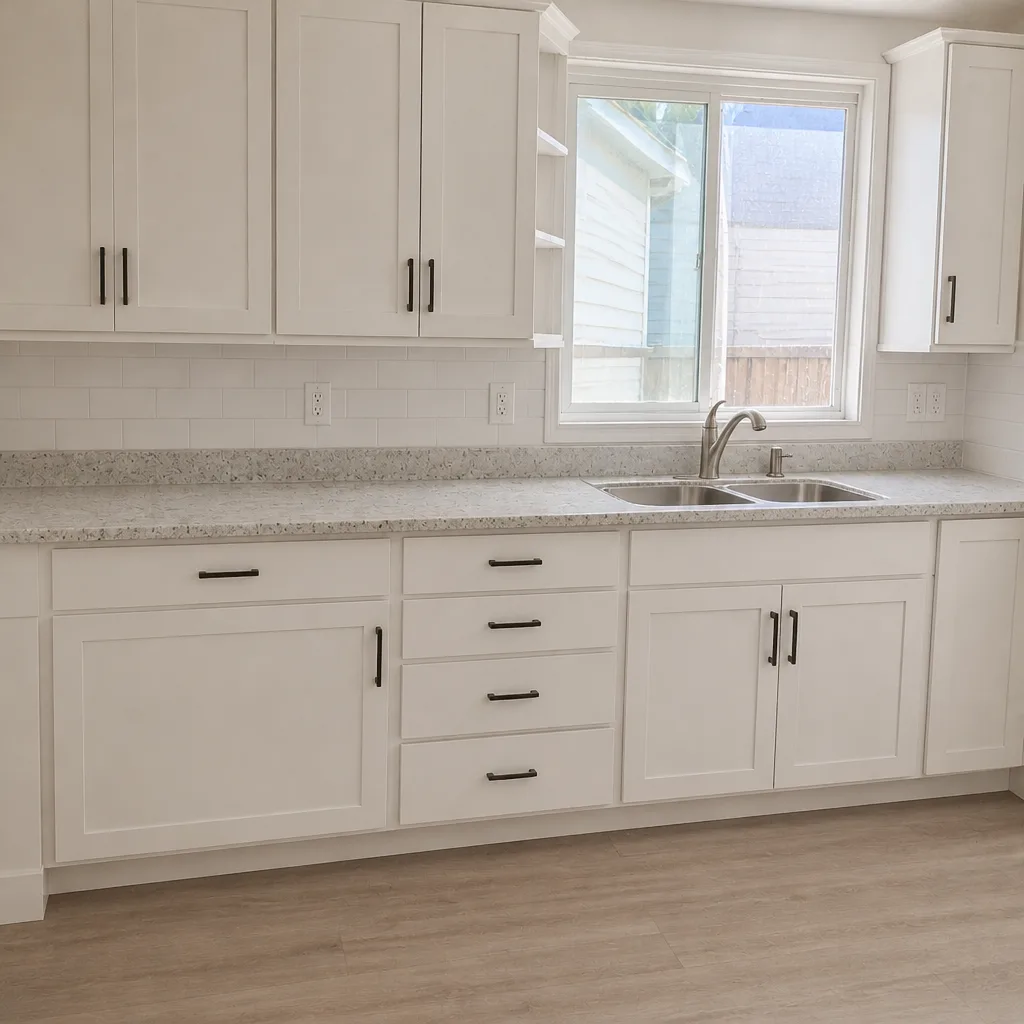
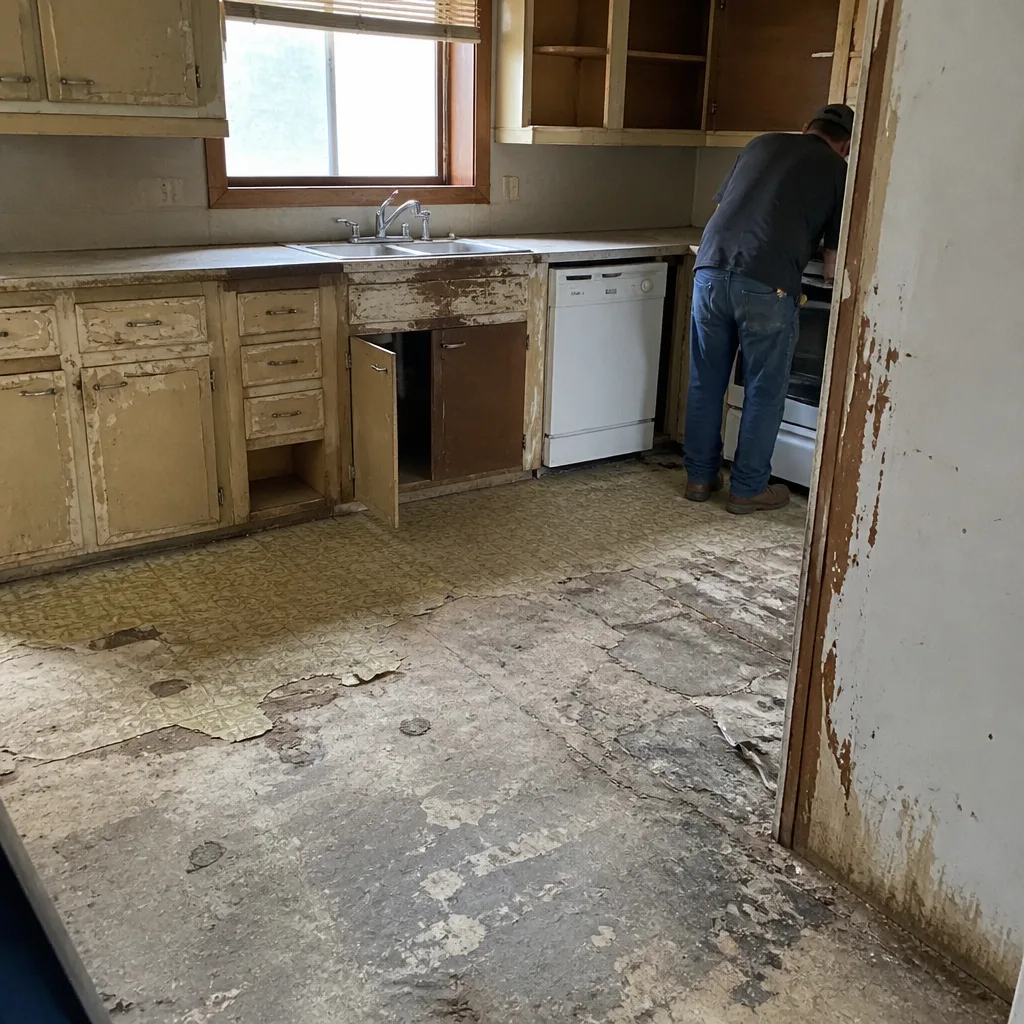 Before
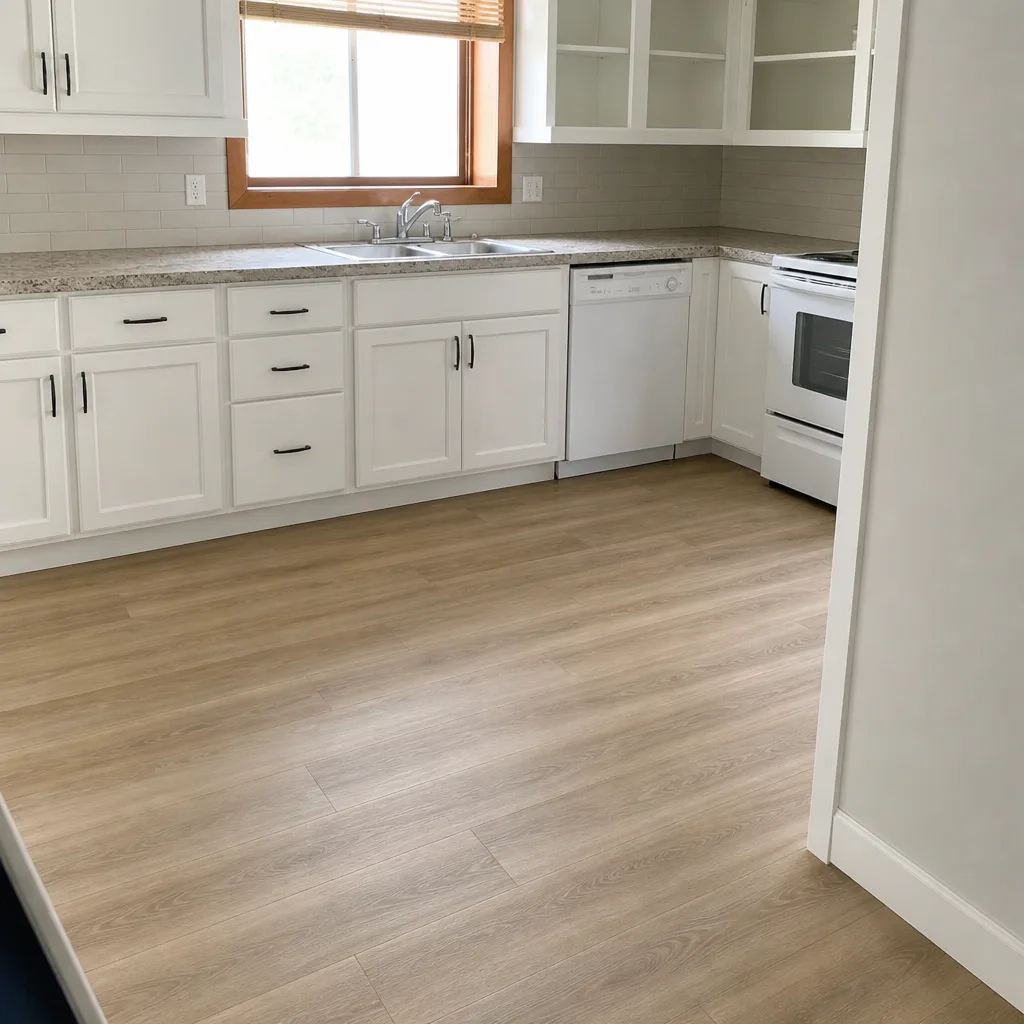 After
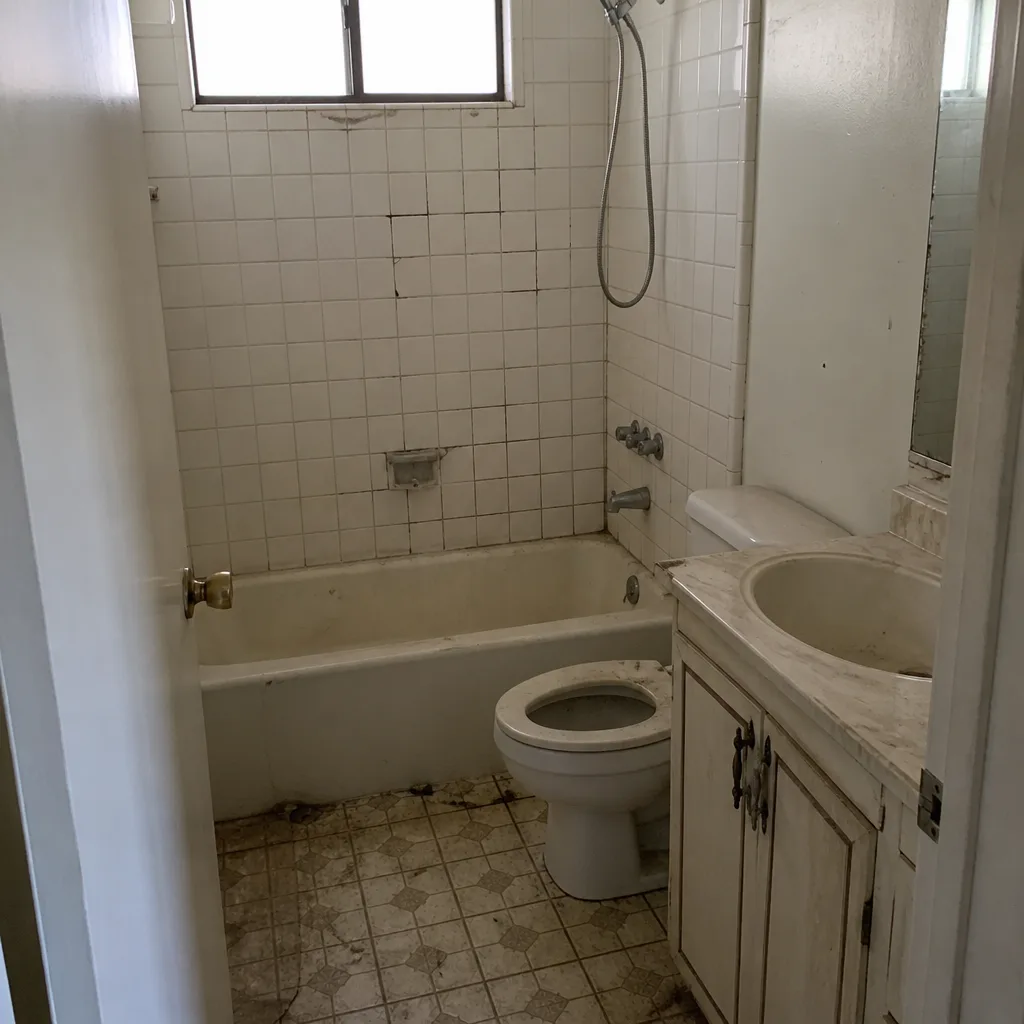
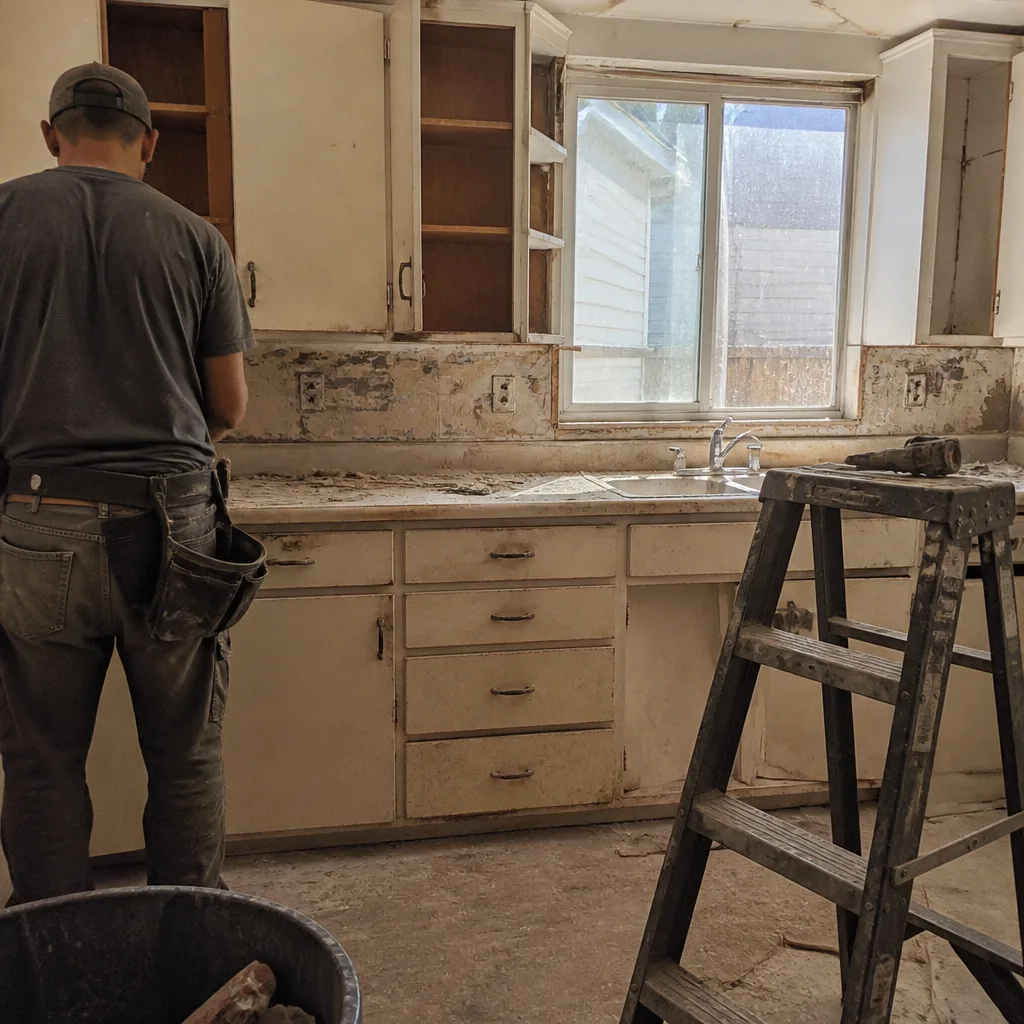 Before
 After
 Before
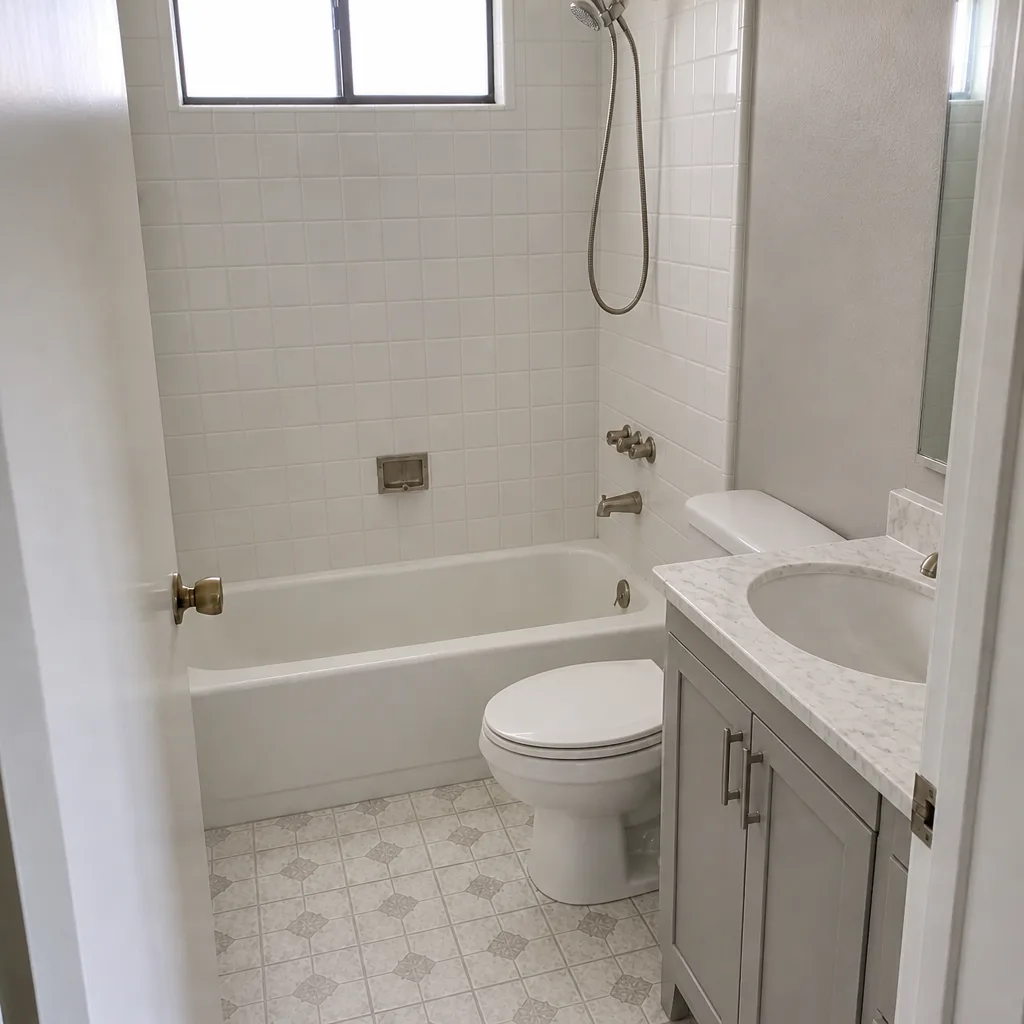 After
When to Call a Professional
Call a licensed professional when the work touches structure, electrical, plumbing, gas, or the building envelope, and especially when it sits inside a fire hazard zone. Call before you place the order on windows or an HVAC system, because the Title 24 numbers have to be settled first. Call before you accept a verbal quote that includes a permit line, because that line changes once the overlay agency is added. And call when a permit record shows a missing final, because reopening a permit is a different job than starting fresh.
Penhallow Remodeling Santa Clarita offers free estimates in Santa Clarita – call (866) 383-6693 to schedule yours. Every quote is a written price before any work starts, with a 365-Day Done Right Promise in writing on every project, and products like Kohler and Delta fixtures behind the work. If something fails inside the guarantee period, we come back and fix it at no charge, and a failed repair earns a free second visit with no service call fee.
Frequently Asked Questions
Yes, if the work moves any wall, gas line, plumbing line, or electrical circuit – and most kitchen remodels do at least one of those. A cosmetic-only kitchen that stays inside the footprint and touches none of it may clear as an over-the-counter permit or need no permit at all, depending on your city. Call (866) 383-6693 to schedule a free estimate and we’ll tell you which lane your project lands in before you sign anything.
Over-the-counter permits can clear the same day; plan-check permits typically run a few weeks for first review, and structural or overlay-agency jobs can stretch longer if corrections come back. The single biggest variable is which agencies are in the chain. Call (866) 383-6693 for a written timeline on your specific scope – estimates are free.
Almost always, yes. A buyer’s agent pulls permit history, and California’s disclosure rules require you to reveal known material facts, which includes unpermitted structural or square-footage changes. The buyer’s usual remedy is a price credit or a demand that you legalize the work before close. Call (866) 383-6693 to talk through what a retroactive permit would actually cost on a property you’re considering.
It does, and more than most homeowners expect. Replacement windows have to meet the U-factor and solar heat gain numbers for this climate zone, and a whole-house replacement often requires a compliance document filed before installation. Santa Clarita’s hot inland zone makes those numbers stricter than the coastal zones. Call (866) 383-6693 and we’ll budget the compliance work into the written price up front.
You can, in California, on your own primary residence, when you’re doing the work with your own hands as an owner-builder. What you don’t want to do is pull it so a contractor can stay off the record – that shifts code compliance onto you and weakens your leverage if the work is defective. Call (866) 383-6693 if you want a straight read on whether your project is an owner-builder job.
The inspector issues corrections, the work gets fixed and re-inspected, and the permit stays open until everything passes final. What you want is a contractor who budgets the correction into the process and doesn’t stall. Our 365-Day Done Right Promise covers the work in writing, and a failed repair earns a free second visit with no re-inspection fee. Call (866) 383-6693 for a free estimate.
The Bottom Line
The statewide code is the easy part. The gap between that code and what your jurisdiction’s plan checker approves is where projects bleed time and money, and it’s where a written price in hand matters most. Ask which lane your permit lands in, ask which agencies are in the chain, ask who signs the inspection record, and ask for the Title 24 document before you order a thing. If you’re buying, open the permit history and look for the final. Do that, and a Santa Clarita remodel is a schedule question instead of a budget question. If you want the next step handled by people who budget every agency in the chain, call (866) 383-6693 for a free estimate, and we’ll put the number in writing before anything gets pulled or set. Penhallow Remodeling Santa Clarita is part of the Kingswell family of companies, operating to the Kingswell Guarantee with a written price, a real arrival window, and a 365-Day Done Right Promise on every project – and our technicians have up to 22 years of experience. Take a look at our Penhallow Remodeling Santa Clarita home page to see how we work.
Written by the team at Penhallow Remodeling Santa Clarita.